
5-Day Bangkok Itinerary: Temples, Street Food & River Life (2026)
Bangkok hits you like a sensory overload in the best possible way. This 5-day guide takes you from golden temple spires to sizzling street food stalls, navigating the city neighborhood by neighborhood so you experience both ancient traditions and modern Thai life.
Day-by-Day Itinerary
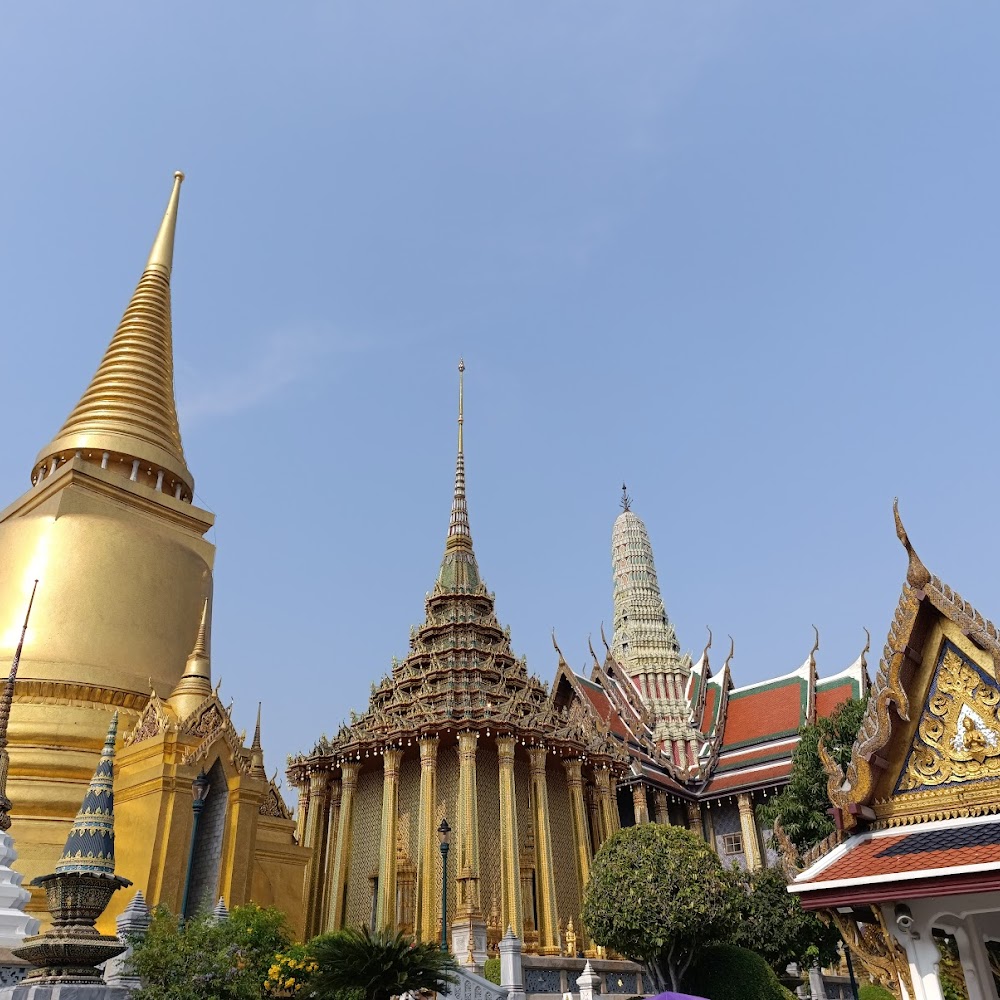
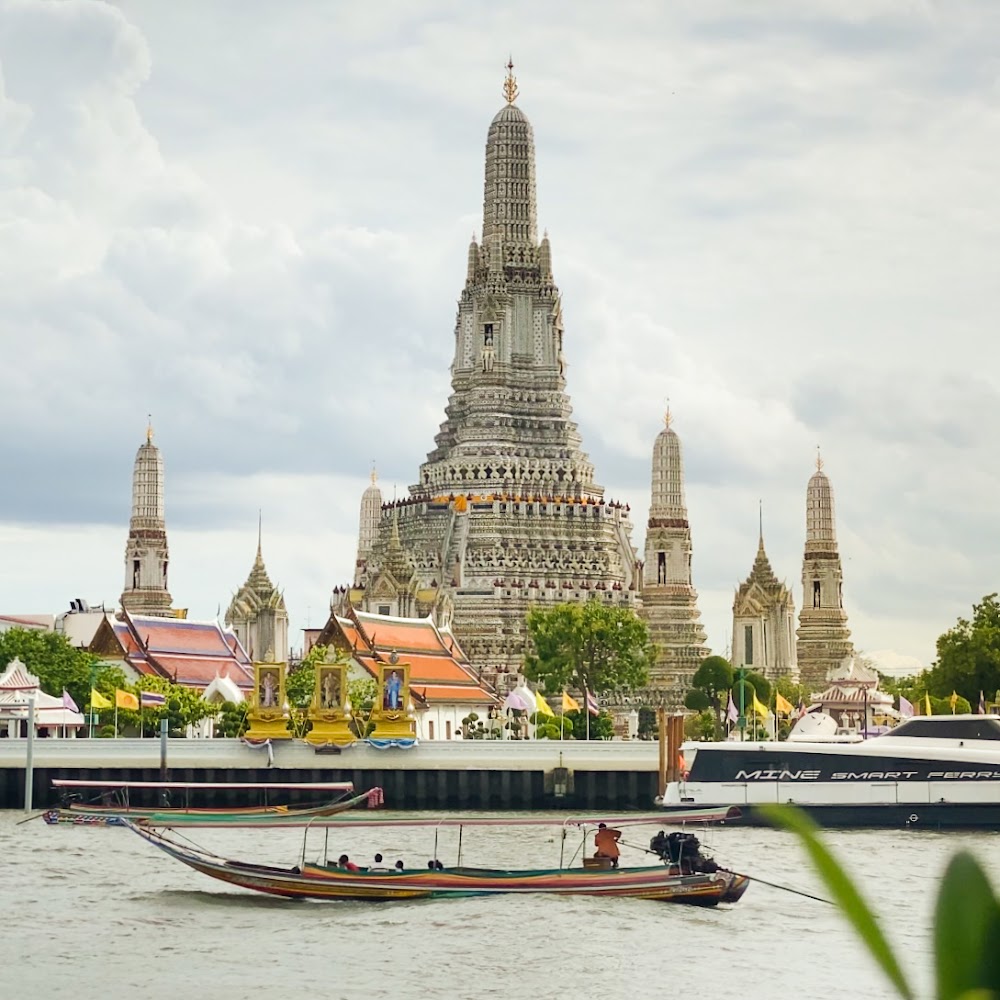
Start your Bangkok journey in the historic heart where backpackers and golden Buddhas coexist. After settling in, explore the Grand Palace complex and catch sunset at Wat Arun across the river.
Pro tip: Start slow on arrival day — jet lag hits hardest in the afternoon. Temple dress codes are strict but free cover-ups available.
Route Map
Budget Breakdown
Estimated cost per person for 5 days. Includes accommodation, all meals, local transport, activities, and miscellaneous expenses. Does not include international flights or travel insurance.
| Category | Daily | Total |
|---|---|---|
| accommodation | $80 | $400 |
| food | $38 | $192 |
| transport | $15 | $73 |
| activities | $43 | $215 |
| misc | $15 | $75 |
| Total | $191 | $955 |
* Budget tier: mid-range. Prices in USD per person.
Money-saving tips:
- Eat at food courts and street stalls for meals under $3
- Buy 7-Eleven drinks and snacks instead of hotel minibar
- Use BTS day passes instead of individual tickets
- Skip expensive rooftop bars except for one sunset experience
- Haggle at markets but not at temples or food stalls
See detailed Thailand budget guide with calculator →
Daily costs, tipping, and trip calculator
When to Go
Cool and dry season with temperatures 75-85°F, low humidity, clear skies perfect for temple visits
Hottest months reaching 100°F+ with high humidity, unbearable for walking around temples and markets
Neighborhood Guide
Get oriented before you arrive — what each area feels like and how to get around.
Old City (Rattanakosin)
good walkabilityWalking through the Old City feels like stepping back centuries - golden temple spires pierce the skyline while saffron-robed monks navigate the same narrow streets as tuk-tuks and tourists. The air is thick with incense and the sounds of chanting echo from ancient halls.
Known for: Grand Palace, Wat Pho, Wat Arun, and Bangkok's most important temples
Local tip: Early morning (7-9am) is when locals visit temples for prayer and alms-giving - join them for a peaceful, authentic experience before tour groups arrive
Transit: Express boat piers along Chao Phraya River, no BTS/MRT
Best time: early morning
Not stroller-friendly
Chinatown (Yaowarat)
excellent walkabilityBy day, Chinatown buzzes with gold shops and traditional medicine stores, but after sunset it transforms into Bangkok's ultimate street food theater. Neon signs reflect off steaming woks while vendors skillfully prepare dishes that have been perfected over generations.
Known for: Best street food in Bangkok, gold trading, traditional Chinese culture
Local tip: The real food action starts after 7pm when office workers come for dinner - follow the longest queues for the best dishes
Transit: MRT Hua Lamphong, express boat at various piers
Best time: evening for food, morning for temples
Not stroller-friendly
Sukhumvit
moderate walkabilityBangkok's cosmopolitan spine stretches for miles along Sukhumvit Road, where gleaming malls stand next to street food stalls and international restaurants serve cuisine from every corner of the world. It's modern Thailand at its most confident and international.
Known for: Luxury shopping, international dining, rooftop bars, expat nightlife
Local tip: Each BTS station has its own character - Thong Lo for trendy locals, Asok for business, Nana for budget travelers, Phrom Phong for luxury shopping
Transit: Multiple BTS Skytrain stations
Best time: anytime
Silom
good walkabilityBy day, Silom pulses with the energy of Bangkok's financial district as suited office workers stream between gleaming towers. By night, it transforms into an entertainment zone where street food stalls appear and the famous Patpong night market comes alive.
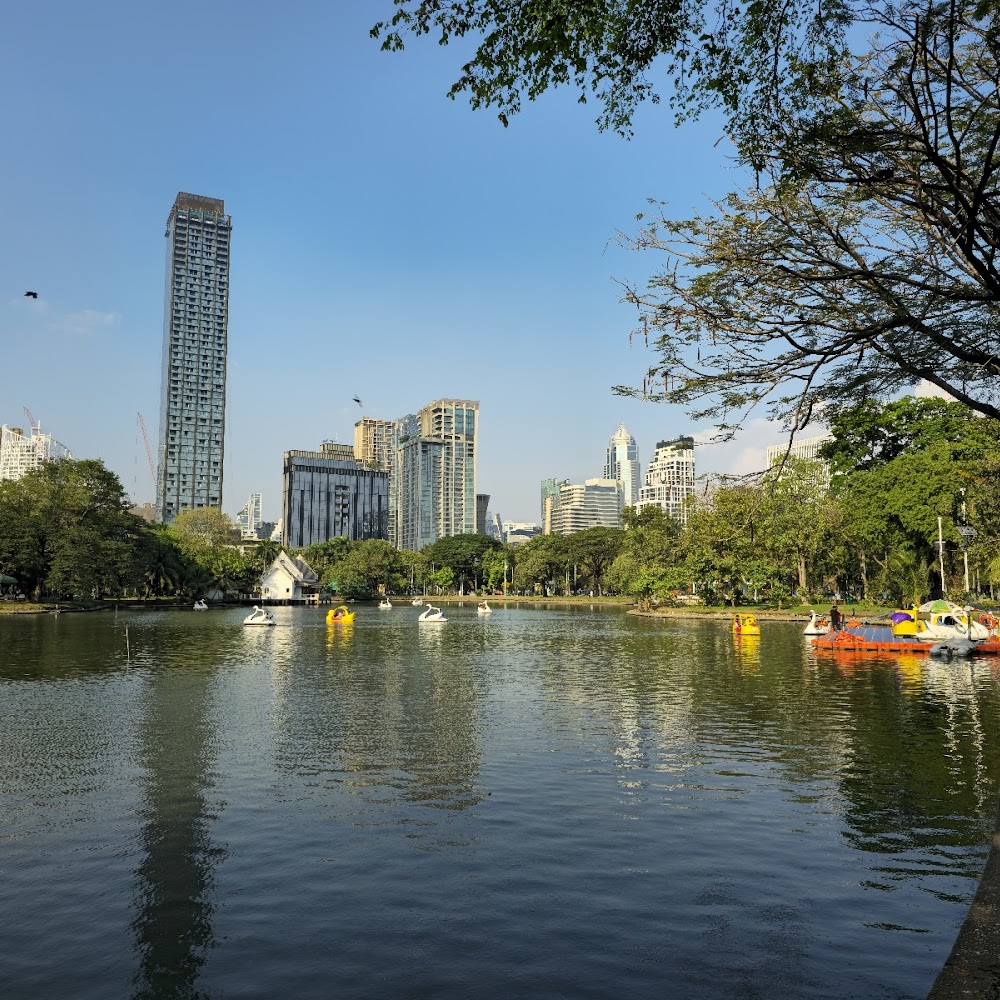
Known for: Financial district, Patpong night market, Lumpini Park, rooftop bars
Local tip: Lunch hour (12-1pm) offers the best cheap eats as office workers flood local food courts and street stalls
Transit: BTS Silom line, MRT connections
Best time: evening for nightlife, early morning for Lumpini Park
Khao San Road Area
excellent walkabilityThe world's most famous backpacker street is a sensory overload of street food, live music, and young travelers from every continent. While touristy, it captures the adventurous spirit that draws millions to Southeast Asia.
Known for: Backpacker culture, budget accommodation, street food, proximity to Old City temples
Local tip: The side streets (Rambuttri, Phra Athit) have better restaurants and fewer crowds while maintaining the area's energy
Transit: Express boat to Phra Athit Pier
Best time: evening for atmosphere
Not stroller-friendly
Thonburi
poor walkabilityAcross the Chao Phraya River lies Bangkok's quieter side, where traditional wooden houses line ancient canals and life moves at the pace of longtail boats. This is how Bangkok looked before skyscrapers, offering glimpses of old Siam.
Known for: Wat Arun, traditional canals, longtail boat tours, local life
Local tip: Take the early morning express boat when locals are commuting to see authentic daily life along the canal communities
Transit: Express boat piers, cross-river ferries
Best time: early morning or late afternoon
Not stroller-friendly
What to Eat inBangkok
Eating etiquette
- •Use a spoon and fork - the fork stays in your left hand to push food onto the spoon
- •Share dishes family-style when eating with others
- •Never use chopsticks for Thai food (only for noodle soups)
- •It's polite to leave a little food on your plate to show you're satisfied
Breakfast
Locals eat rice soup (khao tom), congee (jok), or noodles for breakfast. Sweet options include khanom krok (coconut pancakes). Coffee is usually sweet and strong.
Lunch
Food courts in malls offer AC and variety for 80-150 THB. Office worker lunch stalls serve authentic dishes 11:30am-2pm. Many restaurants offer lunch sets.
Dinner
Dinner starts around 6pm but night markets don't get busy until 7-8pm. Order multiple dishes to share. Most local restaurants close by 10pm except in tourist areas.
Dishes you can't miss
Bangkok's most famous dish perfected by a family recipe since 1966, try it wrapped in egg
Thip Samai (Phra Nakhon) - the original · $3-5
Bangkok's signature hot and sour soup with prawns, lemongrass, and lime leaves
Any local restaurant or street stall · $2-4
Refreshing and fiery salad that balances sweet, sour, salty, and spicy perfectly
Street stalls in Chinatown or Isaan restaurants · $1-2
The perfect Thai dessert - sweet coconut rice with ripe mango, best during mango season
Kor Panich in Chinatown (since 1952) · $2-3
Traditionally served from boats, these small portions pack intense flavor - order 3-4 bowls
Victory Monument area or floating markets · $1 per small bowl
Rich, Persian-influenced curry with tender beef and potatoes, considered Thailand's king of curries
Krua Apsorn (Old City) for royal-style · $4-8
Street food highlights
Daily Walking Distances
Packing List
Essential for temple visits - strict dress codes enforced at major temples
Bangkok involves lots of walking on uneven sidewalks and temple steps
Sudden tropical downpours can happen year-round, especially May-October
Intense tropical sun, especially when visiting outdoor temples and markets
Not all street food stalls have washing facilities
Heavy use of maps, translation apps, and photography drains batteries quickly
Many vendors can't break 1000 THB notes, street food requires exact change
Quick temple cover-up and useful for AC-cold indoor spaces
Skip These
Save your time and money — here's what to skip and what to do instead.
Outdated facility with limited educational value and ethical concerns about snake handling shows
→ Instead:Visit Siam Ocean World in Paragon mall for modern aquarium experience or stick to cultural temples
Heavily commercialized tourist traps with inflated prices and staged 'authentic' experiences
→ Instead:Take longtail boat tours through Thonburi canals to see real local life on the water
Bangkok has excellent massage schools and authentic spas at fraction of hotel prices
→ Instead:Get traditional Thai massage at Wat Pho massage school where the practice originated
Notorious for overpriced stones and pressure sales tactics targeting tourists
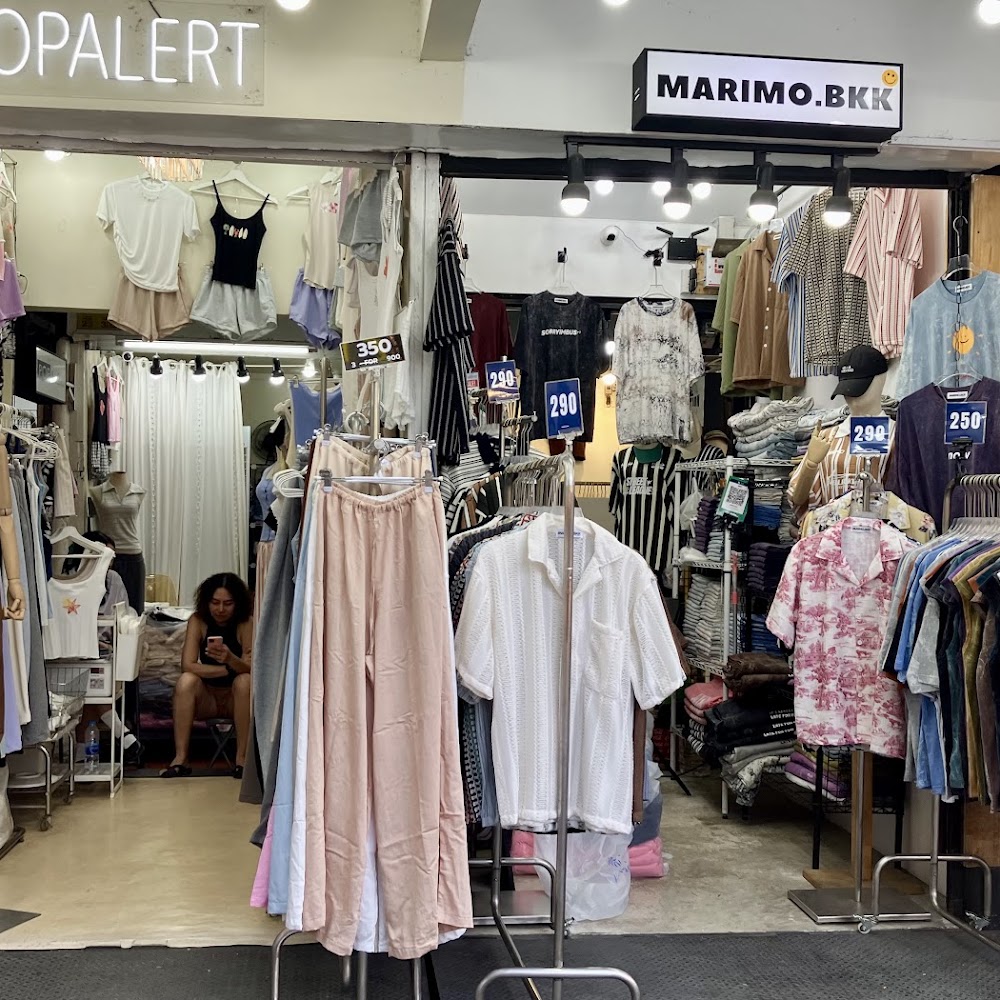
→ Instead:Visit Chatuchak Market for authentic handicrafts or MBK for affordable jewelry
Overpriced dinner theater with mediocre food and sanitized performances
→ Instead:Experience real culture at temples, local markets, and authentic neighborhood restaurants
Frequently Asked Questions
Is 5 days enough for Bangkok?
Yes, 5 days is perfect for first-time visitors to see Bangkok's highlights. You'll cover major temples, experience amazing street food, explore different neighborhoods, and get a taste of both traditional and modern Bangkok. You'll miss day trips to Ayutthaya or floating markets, but the city itself offers more than enough.
Where should I stay in Bangkok?
Sukhumvit (areas around BTS stations) for modern convenience and nightlife, Silom for business district proximity and Lumpini Park, or Khao San area for budget backpacker vibe near Old City temples. Avoid staying far from BTS/MRT lines due to traffic.
How much does 5 days in Bangkok cost?
Budget travelers: $30-50/day, Mid-range: $75-150/day, Luxury: $200+/day. Food is incredibly cheap ($1-3 street meals, $8-15 restaurants). Accommodation ranges from $10 hostels to $200+ luxury hotels. Activities and temples are very affordable.
What should I not miss in Bangkok?
Grand Palace and Wat Pho temples, Chatuchak Weekend Market, street food in Chinatown (Yaowarat), a longtail boat canal tour, at least one rooftop bar for sunset views, and trying authentic pad thai, som tum, and mango sticky rice.
What's the best time to visit Bangkok?
November to February is ideal - cooler temperatures (75-85°F), low humidity, minimal rain. March is acceptable but getting hot. Avoid April-May (extremely hot, 100°F+) and September (heaviest rains). December-January is peak season with higher prices.
Travel Tips forBangkok
Master the BTS and MRT System
Buy a Rabbit Card for BTS Skytrain and separate MRT card, or use day passes. These elevated/underground trains avoid traffic completely. Download Citymapper app for navigation. Stations have excellent AC and are spotlessly clean.
Temple Etiquette and Dress Codes
Always cover shoulders and knees at temples. Remove shoes before entering main halls. Don't point feet toward Buddha statues. Free sarongs available at major temples. Carry a lightweight scarf for quick cover-ups.
Street Food Safety and Ordering
Choose stalls with high turnover and long local queues. Point at what you want if language is a barrier. Start with milder dishes before trying super spicy som tum. Carry small bills - many vendors don't make change for 1000 THB notes.
Cash is King in Bangkok
Many street vendors, tuk-tuks, and small restaurants only take cash. ATMs charge 220 THB ($6) per withdrawal, so take larger amounts. Credit cards accepted at malls, hotels, and upscale restaurants. Keep cash in different pockets.
Common Tourist Scams to Avoid
Ignore anyone telling you temples are closed (they rarely are). Don't accept 'free' city tours that end at overpriced shops. Negotiate tuk-tuk prices before getting in. Be wary of gem deals or anyone approaching you about tourist attractions.
Beat the Heat and Crowds
Start temple visits early (8-9am) before heat and tour groups arrive. Carry water and seek AC breaks in malls during midday. Many attractions are less crowded on weekdays. Book weekend markets for Saturday morning arrival.
Essential Info
Cash preferred for street food, markets, tuk-tuks. Cards accepted at malls, hotels, upscale restaurants. ATM fees are 220 THB ($6) per withdrawal.
Not expected but appreciated. Round up taxi fares, leave 20-40 THB at restaurants, 50-100 THB for massage therapists.
AIS or TrueMove SIM cards at 7-Eleven, or Airalo eSIM before arrival
More Options inBangkok
Places that didn't make the main itinerary but are worth knowing about.
More Restaurants
More Activities
Shopping
Bars & Nightlife
Planning a full Thailand trip?
Our Thailand itineraries cover Bangkok and more — with multi-city routes, transit guides, and full budget breakdowns.
Related Itineraries
Ready to plan yourBangkok trip?
Get this 5-day itinerary in your Yopki trip planner — customize, collaborate, and export to PDF.