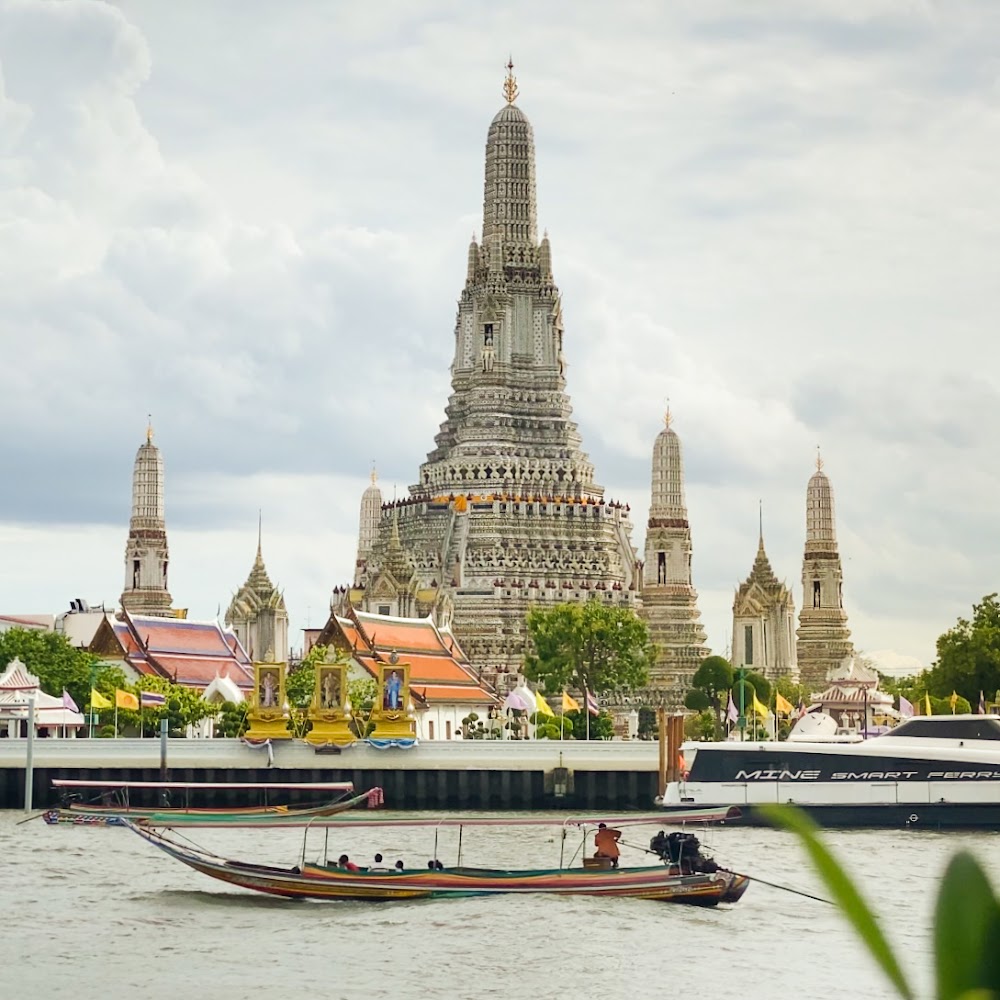
3-Day Bangkok Itinerary: Temples, Street Food & River Life (2026)
Three days in Bangkok means diving headfirst into a city where ancient temples sit next to street food stalls, and the Chao Phraya River connects it all. This itinerary takes you through the historic Old City, legendary Chinatown night markets, and modern Sukhumvit, with enough flexibility to get wonderfully lost in between.
Day-by-Day Itinerary
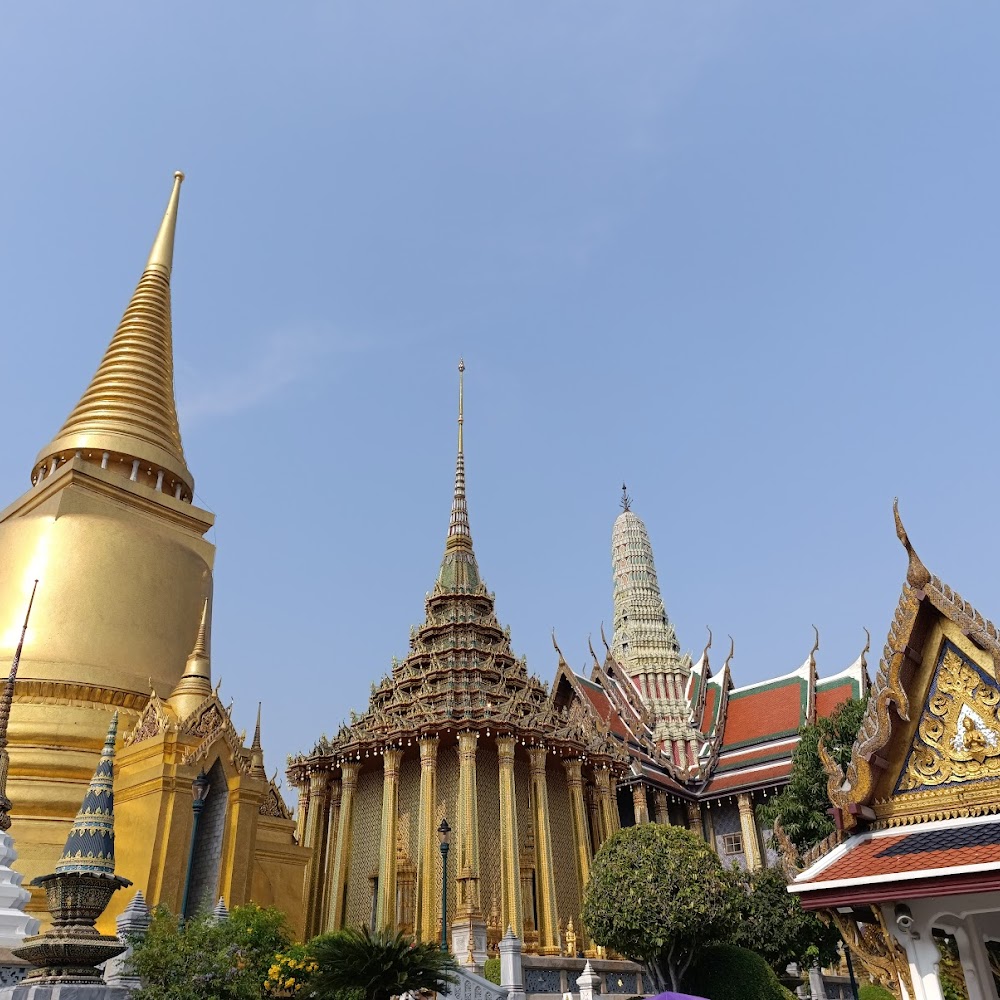
Start where Bangkok began: the royal island of Rattanakosin. You'll walk through the Grand Palace's golden spires, pray with locals at Wat Pho, and watch the sunset over the Chao Phraya River. This is Bangkok's most concentrated dose of history and spirituality, all within walking distance.
Pro tip: Wear comfortable walking shoes and bring a scarf for temple dress codes. The Old City is best explored on foot, but afternoon heat can be intense — plan temple visits for morning and late afternoon.
Route Map
Budget Breakdown
Estimated cost per person for 3 days. Includes accommodation, all meals, local transport, activities, and miscellaneous expenses. Does not include international flights or travel insurance.
| Category | Daily | Total |
|---|---|---|
| accommodation | $80 | $240 |
| food | $54 | $162 |
| transport | $12 | $36 |
| activities | $41 | $123 |
| misc | $15 | $45 |
| Total | $187 | $561 |
* Budget tier: mid-range. Prices in USD per person.
Money-saving tips:
- Eat at food courts in malls (฿50-80 per dish) instead of tourist restaurants
- Buy a BTS/MRT day pass (฿140) if taking more than 4 trips
- Shop at 7-Eleven for drinks and snacks — much cheaper than tourist areas
- Street food is safer and better than most restaurants — follow the crowds
- Negotiate tuk-tuk prices before getting in — should be ฿100-200 for short trips
See detailed Thailand budget guide with calculator →
Daily costs, tipping, and trip calculator
When to Go
Cool and dry season with temperatures 24-32°C and minimal rain
April-May extremely hot (38°C+), September peak rainy season
Neighborhood Guide
Get oriented before you arrive — what each area feels like and how to get around.
Old City (Rattanakosin)
excellent walkabilityWalking through the Old City feels like stepping into a living museum where golden temple spires peek between modern buildings and the smell of incense mixes with street food. Monks in orange robes navigate the same streets as backpackers and tour groups, while longtail boats putt-putt along the Chao Phraya River carrying commuters and tourists alike.
Known for: Grand Palace, Wat Pho, Wat Arun, royal history
Local tip: Visit early morning (7-9am) to see monks receiving alms and temples before crowds arrive
Transit: Tha Chang pier (river boat) or taxi/Grab
Best time: morning
Not stroller-friendly
Chinatown (Yaowarat)
good walkabilityNarrow alleys packed with gold shops, traditional medicine stores, and food vendors create a sensory overload that somehow works perfectly. By day it's all business — wholesale goods and locals shopping for Chinese herbs. After dark, neon signs light up and the streets transform into Bangkok's best food scene, with smoke from grills and the clatter of woks filling the air.
Known for: Street food, gold shops, Chinese temples, night markets
Local tip: Come twice — afternoon for culture and shopping, evening (after 6pm) for the legendary food stalls
Transit: MRT Wat Mangkorn or Hua Lamphong stations
Best time: evening
Not stroller-friendly
Sukhumvit
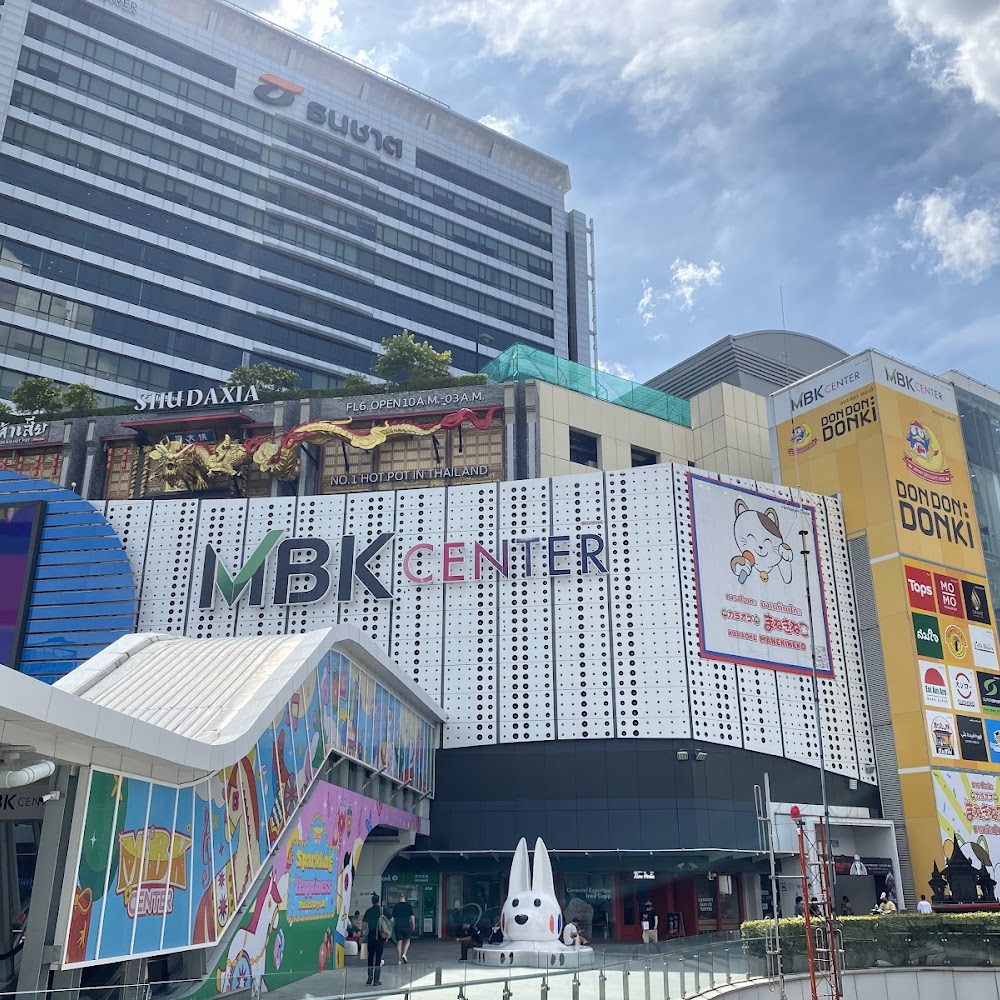
excellent walkabilityThis is modern Bangkok in all its air-conditioned, international glory — gleaming malls connected by elevated walkways, rooftop bars with infinity pools, and enough international restaurants to make you forget you're in Thailand. The BTS Skytrain glides overhead while street food vendors still set up on the sidewalks below, creating Bangkok's signature mix of old and new.
Known for: Shopping malls, rooftop bars, international dining, nightlife
Local tip: Use the elevated walkways between malls to avoid street-level heat and traffic
Transit: BTS Skytrain (multiple stations)
Best time: anytime
Silom
good walkabilityBangkok's financial district by day transforms into a entertainment zone by night. Suit-wearing office workers grab lunch from the same street vendors that serve party-goers at 2am. The contrast is stark — gleaming bank towers overlook massage parlors and rooftop bars, while the famous Patpong night market brings a carnival atmosphere to the otherwise serious business district.
Known for: Business district, rooftop bars, Patpong night market, river access
Local tip: Lunch at the office worker food courts (11:30am-1pm) for authentic cheap eats
Transit: BTS Silom Line (multiple stations), river boats
Best time: evening
What to Eat inBangkok
Eating etiquette
- •Use a spoon and fork together — fork pushes food onto spoon
- •Chopsticks only for noodle soups
- •Don't stick chopsticks upright in rice bowl
- •It's normal to order multiple dishes to share
- •Slurping noodles is acceptable
Breakfast
Thais eat rice soup (jok), roti with condensed milk, or Thai-style omelets for breakfast. Coffee culture is growing but traditional drinks are Thai iced tea or fresh coconut water. 7-Eleven has surprisingly good coffee and pastries.
Lunch
Follow office workers to food courts in malls (11:30am-1pm) for authentic dishes at ฿50-80. Street food lunch costs ฿40-100. Avoid tourist restaurants near major attractions — walk 2 blocks away for better prices and authenticity.
Dinner
Dinner happens 6-9pm. Night markets start around 6pm and are peak 7-9pm. Street food vendors set up after 5pm. Reservations rarely needed except for high-end rooftop restaurants. Sharing multiple dishes is normal.
Dishes you can't miss
Bangkok's signature dish — sweet, sour, and umami perfectly balanced with fresh bean sprouts
Thip Samai (original) or street vendors in Chinatown · $2-6
Spicy green papaya salad that's refreshing in Bangkok's heat
Any Isaan restaurant or street cart · $2-3
Tiny bowls of intense, dark broth — locals eat 4-5 bowls in one sitting
Victory Monument or Tha Tien Market · $1-2 per bowl
Perfect dessert balance of sweet coconut cream and tart mango
Chatuchak Market or Yaowarat Road · $3-4
Spicy, sour, aromatic soup that captures Thai flavors in one bowl
P'Aor Tom Yum Kung or any local restaurant · $4-8
Rich, sweet curry with Persian influences — different from typical Thai spice
Krua Apsorn or local curry shops · $5-10
Fluffy omelet with real crab meat — comfort food done perfectly
T&K Seafood in Chinatown · $12-15
Street food highlights
Daily Walking Distances
Packing List
Required for temple visits to cover shoulders/knees
Lots of walking on uneven sidewalks and temple stairs
Using GPS and translation apps drains battery quickly
Not always available at street food stalls or public bathrooms
Bangkok's heat and humidity cause rapid dehydration
Afternoon thunderstorms year-round, especially May-October
For water, temple shoes, shopping purchases
Skip These
Save your time and money — here's what to skip and what to do instead.
Damnoen Saduak is 2 hours away, overpriced, and staged for tourists — vendors paddling empty boats for photos
→ Instead:Visit Tha Tien Market near Wat Pho for authentic local market atmosphere with actual vendors selling to locals
Outdated tourist trap with sad animals and mediocre shows — not worth the time or ethical concerns
→ Instead:See monitor lizards for free in Lumphini Park or visit Jim Thompson House for culture without animal ethics issues
Overpriced Western food and watered-down Thai dishes aimed at drunk backpackers — food quality is poor
→ Instead:Walk 10 minutes to Banglamphu Market for authentic street food at local prices, or eat in Chinatown
Problematic animal welfare conditions, far from city center, and expensive for what you get
→ Instead:Spend the day at Chatuchak Market and Lumphini Park for a more authentic Bangkok experience with actual wildlife (monitor lizards)
Overpriced dinner theater with mediocre food and touristy performances that locals never attend
→ Instead:Experience real culture at temples during prayer time (6am or 6pm) or local festivals if timing works
Frequently Asked Questions
Is 3 days enough for Bangkok?
Yes, 3 days covers Bangkok's highlights: major temples (Grand Palace, Wat Pho), Chinatown street food, floating markets, and modern rooftop bars. You'll see the essential Bangkok but miss day trips like Ayutthaya, extensive shopping, or diving deep into specific neighborhoods like Thonglor or weekend-only Chatuchak Market.
Where should I stay in Bangkok?
Sukhumvit (near BTS stations) for modern hotels and nightlife, Silom for business district convenience and river access, or Khao San Road for budget backpacker scene. Avoid staying near the airport unless you have an early flight — it's 45+ minutes to the city center.
How much does 3 days in Bangkok cost?
Budget: $40-60/day (hostels, street food, local transport), Mid-range: $80-120/day (hotel, mix of restaurants, occasional taxis), Luxury: $200+/day (5-star hotels, fine dining, private transport). Street food meals cost $2-5, temple entries $3-15, transport $1-4 per trip.
What should I not miss in Bangkok?
Grand Palace and Wat Pho temples, Chinatown street food after dark (especially Yaowarat Road), a Chao Phraya river boat ride, one rooftop bar for city views, and Chatuchak Weekend Market. Skip the floating markets near the city — they're too touristy.
What's the best time to visit Bangkok?
November-February offers the best weather (26-32°C, minimal rain) but highest prices and crowds. March-May is extremely hot (35°C+). June-October is rainy season but manageable — afternoon thunderstorms clear quickly and everything is greener.
Travel Tips forBangkok
Master the BTS and MRT System
Buy a Rabbit Card (฿200 including ฿100 credit) for BTS Skytrain and separate tickets for MRT subway — they're not integrated. BTS covers Sukhumvit and Silom areas, MRT hits Chinatown and Chatuchak. River boats (฿15-32) connect major temples. Download Citymapper app for route planning.
Follow the Thai Office Worker Lunch Lines
Between 11:30am-1pm, look for food stalls with lines of Thai office workers — they know the best and safest food. Vendors with high turnover have fresher ingredients. Always carry toilet paper and hand sanitizer. Pointing and smiling works when language fails.
Temple Etiquette and Dress Codes
Cover shoulders and knees at all temples. Remove shoes before entering building (not the grounds). Don't point feet toward Buddha statues. Women cannot touch monks or hand them items directly. Carry a scarf for quick coverage — some temples rent sarongs for ฿200.
Cash Still Rules in Bangkok
Bring cash for street food, temples, taxis, and markets. ATMs charge ฿220 ($6) foreign fee per withdrawal, so take out large amounts. 7-Eleven accepts cards but most food vendors don't. Always have small bills — vendors rarely have change for ฿1000 notes.
Common Tourist Scams to Avoid
Ignore anyone who says temples are closed or offers gem deals. Tuk-tuk drivers offering ฿20 tours will take you to commission shops. Taxi drivers who 'forget' to use the meter — insist or take Grab instead. Be wary of overly friendly locals near tourist sites.
Beat the Heat and Crowds
Start early (8am) for temples before crowds and heat. Take afternoon breaks in air-conditioned malls or cafes. Carry water and electrolyte packets. Markets like Chatuchak are unbearable after noon. Plan one indoor activity (museum, mall) for the hottest part of each day (1-4pm).
Essential Info
Thai Baht (฿). Cash preferred everywhere. ATMs widely available but charge ฿220 foreign fee. Credit cards accepted at hotels, malls, and upscale restaurants only.
Not expected but appreciated. Round up taxi fare. Tip ฿20-40 for good service at sit-down restaurants. No tipping for street food.
AIS or TrueMove tourist SIM at airport (฿299 for 15GB), or eSIM through Airalo app
More Options inBangkok
Places that didn't make the main itinerary but are worth knowing about.
More Restaurants
More Activities
Shopping
Bars & Nightlife
Planning a full Thailand trip?
Our Thailand itineraries cover Bangkok and more — with multi-city routes, transit guides, and full budget breakdowns.
Related Itineraries
Ready to plan yourBangkok trip?
Get this 3-day itinerary in your Yopki trip planner — customize, collaborate, and export to PDF.