


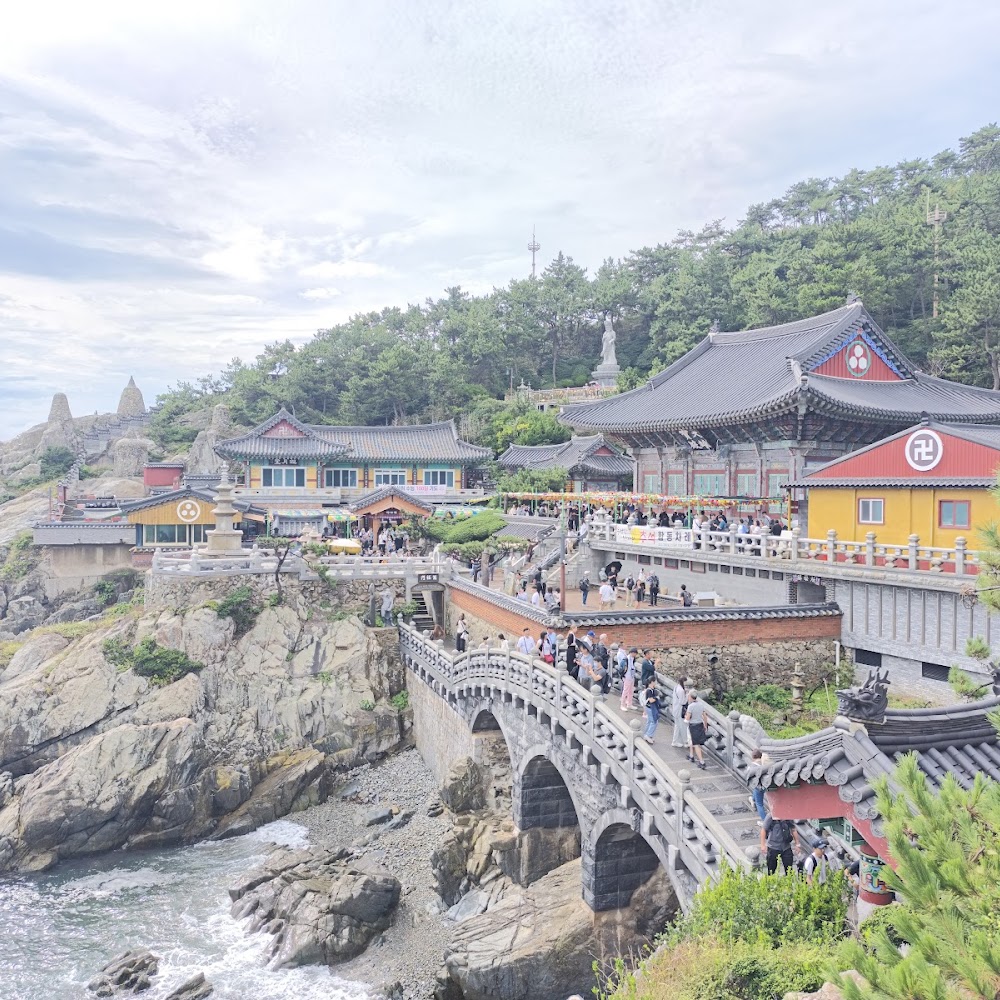
5 Day South Korea Itinerary
Experience Korea's perfect blend of ancient traditions and modern innovation in just 5 days. From Seoul's grand palaces to Busan's coastal charm, this itinerary balances must-see landmarks with authentic local experiences.
Day-by-Day Itinerary
Easy arrival day exploring Seoul's shopping heart and night market
Pro tip: Arrive early afternoon to avoid evening jet lag crash. Keep first day light and stay in one neighborhood.
Route Map
Budget Breakdown
Estimated cost per person for 5 days. Includes accommodation, all meals, local transport, activities, and miscellaneous expenses. Does not include international flights or travel insurance.
| Category | Daily | Total |
|---|---|---|
| accommodation | $80 | $320 |
| food | $35 | $173 |
| transport | $28 | $138 |
| activities | $15 | $64 |
| misc | $10 | $50 |
| Total | $168 | $745 |
* Budget tier: mid-range. Prices in USD per person.
Money-saving tips:
- Use T-money card for all Seoul transit - 5-10% savings vs individual tickets
- Convenience store meals (kimbap, triangle sandwiches) cost ₩3,000-5,000 vs ₩15,000 restaurant meals
- Many temples and beaches are free - focus paid activities on unique experiences like KTX
- Korean barbecue lunch sets cost 40% less than dinner at same restaurants
- Buy Korean snacks and cosmetics at traditional markets vs airport duty-free for 30% savings
When to Go
Perfect temperatures (15-25°C), minimal rain, cherry blossoms in spring, autumn colors
Hot, humid summer with monsoon season bringing heavy rainfall and typhoons
Neighborhood Guide
Get oriented before you arrive — what each area feels like and how to get around.
Myeongdong
good walkabilityThe air buzzes with K-pop hits spilling from cosmetics stores while the sweet smell of hotteok wafts from street carts. Neon signs in Korean and English compete for attention as crowds of teenagers and tourists weave between sheet mask vendors and designer boutiques.
Known for: Shopping paradise for Korean cosmetics and street food
Local tip: Locals shop here on weekday mornings before 11am when crowds are thin and vendors offer better samples
Transit: Myeongdong Station (Line 4) Exit 6
Best time: evening
Not stroller-friendly
Jongno (Palace District)
excellent walkabilityAncient stone walls meet modern coffee shops where office workers in suits bow respectfully at palace gates during lunch breaks. The weight of 600 years of royal history feels tangible as traditional music drifts from courtyards while city buses rumble past.
Known for: Five grand palaces and traditional Korean architecture
Local tip: Visit Gyeongbokgung at 2pm on weekdays - fewer tour groups and better photos with the changing of the guard
Transit: Gyeongbokgung Station (Line 3) Exit 5
Best time: morning
Bukchon Hanok Village
moderate walkabilityNarrow stone paths wind between 600-year-old wooden houses where you can hear the soft shuffle of hanbok fabric and the click of cameras. Elderly residents peer from traditional doorways while Instagram influencers pose against curved rooflines.
Known for: Best preserved traditional Korean houses in Seoul
Local tip: Real families live here - visit before 10am or after 5pm to avoid crowds and respect residents
Transit: Anguk Station (Line 3) Exit 2
Best time: morning
Not stroller-friendly
Haeundae Beach
excellent walkabilitySalt air mingles with the aroma of grilled seafood as parasols dot the sand like colorful polka dots. High-rise hotels tower over families building sandcastles while surfers dodge swimmers in Korea's most famous beach playground.
Known for: Korea's most popular beach and luxury hotels
Local tip: Locals swim at Songjeong Beach 10 minutes east - cleaner water and fewer crowds
Transit: Haeundae Station (Line 2) Exit 3 or 5
Best time: afternoon
Gamcheon Culture Village
moderate walkabilityCandy-colored houses cascade down the hillside like a Korean Santorini while art installations peek from every corner. Former refugees' homes now buzz with cafes and galleries as cats nap on rainbow staircases.
Known for: Colorful hillside art village and panoramic views
Local tip: Start from the top entrance near Gamcheon Elementary and walk down - easier on legs and better photo opportunities
Transit: Toseong Station (Line 1) then Bus 1-1 or 2
Best time: morning
Not stroller-friendly
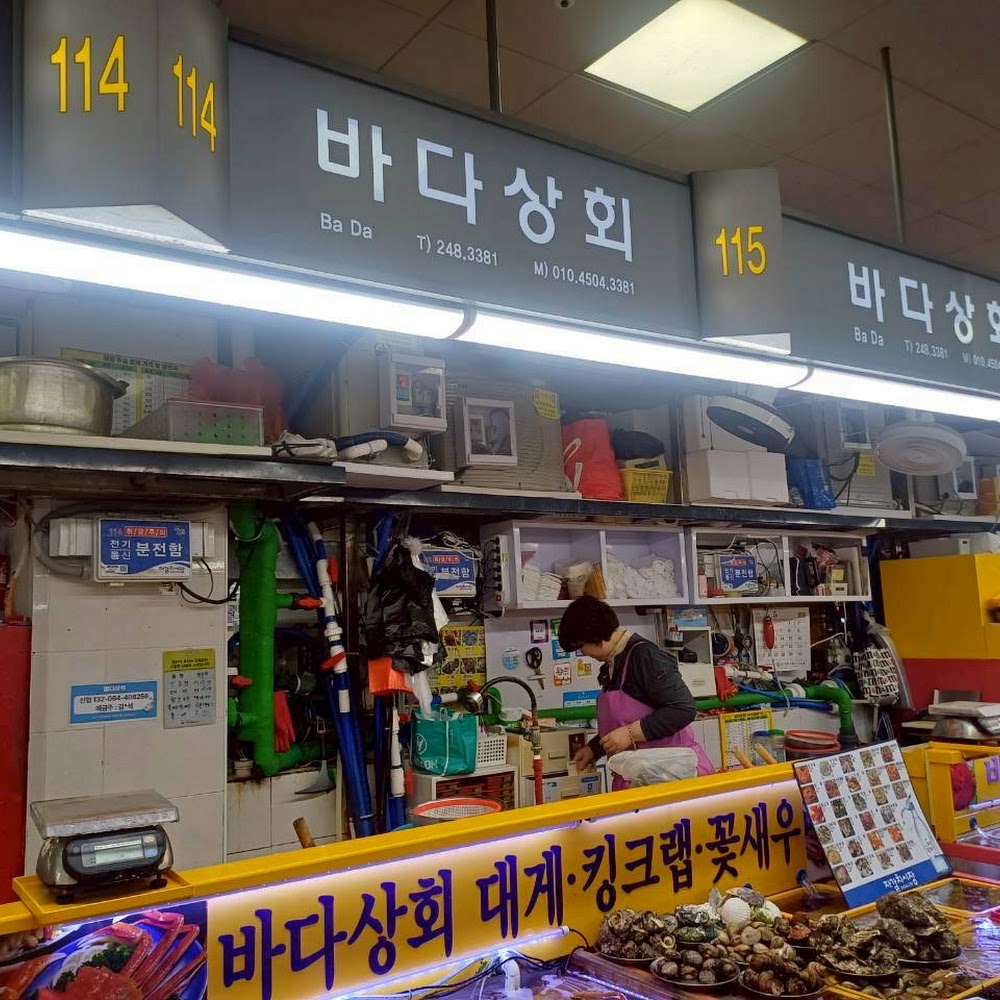
Jagalchi & Gukje Markets
good walkabilityThe sharp smell of fresh fish hits you first, followed by the rhythmic chopping of ajumma preparing sashimi while seagulls circle overhead. Vendors shout prices in thick Busan dialect as ice crunches underfoot and steam rises from bubbling fish stews.
Known for: Korea's largest fish market and traditional shopping
Local tip: Buy seafood at Jagalchi ground floor, take it to 2nd floor restaurants for cooking (₩3,000 preparation fee)
Transit: Jagalchi Station (Line 1) Exit 10
Best time: morning
Not stroller-friendly
What to Eat inSouth Korea
Seoul
Eating etiquette
- •Never stick chopsticks upright in rice
- •Wait for eldest to start eating
- •Pour drinks for others, never yourself
- •Slurping soup is perfectly acceptable
Breakfast
Locals grab kimbap and coffee from convenience stores or eat at 24-hour kalguksu shops. Hotel breakfast buffets are tourist traps.
Lunch
Look for lunch sets (jeongshik) 11:30am-2pm for best value. Follow office workers to hidden basement restaurants.
Dinner
Eat early (6-7pm) or late (after 8:30pm). Reservations rarely needed except weekends. Expect to share banchan side dishes.
Dishes you can't miss
Hand-pulled noodles in rich anchovy broth - a Seoul institution since 1966
Myeongdong Kyoja Main Store · ₩9,000-12,000
3-generation family restaurant favored by celebrities for premium hanwoo beef
Woo Lae Oak (Naengmyeon specialist) · ₩35,000-50,000
Street food highlights
Busan
Eating etiquette
- •Busan dialect is rougher - don't take loud voices personally
- •Share seafood platters family-style
- •Ask for extra banchan - Busan portions are generous
Breakfast
Start with dwaeji gukbap (pork soup) - Busan's signature breakfast since Korean War. Open as early as 5am.
Lunch
Hit traditional markets for fresh seafood lunch combos. Best deals 11am-1pm before afternoon tourist rush.
Dinner
Seafood restaurants stay open late. Order multiple dishes to share. Soju pairs perfectly with grilled fish.
Dishes you can't miss
Busan's soul food - rich pork bone soup that locals eat daily
Ssangdungi Dwaeji Gukbap · ₩8,000-10,000
Ultra-fresh sashimi prepared from fish caught that morning
Jagalchi Market 2F restaurants · ₩30,000-80,000
Street food highlights
Getting Between Cities
How to book: Book online at letskorail.com or at Seoul Station ticket machines (English available). Show passport for foreigners.
Platform: Arrive 20 minutes early. Platform announced 10 minutes before departure. Board from Seoul Station platforms 1-8.
Luggage: Overhead racks fit carry-on size. Large luggage storage behind last row of each car - first come, first served.
Pro tip: Sit on right side (D seats) for mountain views after Daejeon. Avoid cars 1-2 (noisier due to engine).
Daily Walking Distances
Packing List
Essential for navigation, translation apps, and subway maps in both cities
5+ km daily walking on varied terrain from palace stones to beach sand
Works for Seoul subway, buses, and some Busan transit - buy at any station
Korean weather changes quickly, especially near Busan coast
Strong UV reflection off Haeundae Beach sand and palace courtyards
Day trips require water, snacks, souvenirs - lockers cost ₩3,000-5,000
Fish markets and street food stalls don't always have washing facilities
More accurate than Google Translate for Korean, works offline
Many street vendors, traditional restaurants, and temples are cash-only
Seoul mornings can be cool while afternoons warm up 10+ degrees
Beach visits and traditional bathhouse experiences
Free refills at subway stations, saves money in tourist areas
Some street food only provides plastic utensils
Skip These
Save your time and money — here's what to skip and what to do instead.
Overpriced (₩16,000), crowded, and mediocre views often blocked by smog
→ Instead:Visit Banpo Rainbow Bridge at night for free spectacular views and musical fountain show
Architecturally interesting but mostly expensive shopping with little cultural value
→ Instead:Explore nearby Dongdaemun Night Market for authentic late-night food and shopping
Expensive elevator ride (₩8,000) for views you can get free from nearby hills
→ Instead:Hike up Yongdusan Park for free panoramic views and exercise
Overpriced K-pop merchandise and fake designer goods targeting tourists
→ Instead:Visit Underground Shopping Centers like Express Bus Terminal for genuine Korean fashion at local prices
Impossible to see properly in one day, expensive flights, rushed experience
→ Instead:Take KTX to Gyeongju for accessible ancient temples and royal tombs as a day trip from Busan
Frequently Asked Questions
Is 5 days enough for South Korea?
Yes, 5 days allows you to experience Seoul's major palaces and neighborhoods plus a taste of Busan's coastal culture. You'll see the highlights but won't have time for extensive exploration or day trips to places like Jeju Island or the DMZ.
How much does 5 days in South Korea cost?
Budget travelers can manage on $500-600 total with hostels and street food. Mid-range travelers should budget $700-900 for decent hotels and restaurant meals. Luxury travelers will spend $1200+ with high-end accommodation and fine dining.
What is the best month to visit South Korea?
April-May and September-October offer the best weather with mild temperatures, low rainfall, and beautiful seasonal changes. Avoid July-August due to intense heat and monsoon rains. Winter can be very cold but offers fewer crowds.
Do I need a visa for South Korea?
US, UK, EU, Canadian, and Australian citizens can visit visa-free for up to 90 days for tourism. Ensure your passport is valid for at least 6 months beyond your intended stay. K-ETA (electronic travel authorization) is currently suspended for most countries.
How do I get from Seoul to Busan?
The KTX high-speed train is the fastest option at 2.5-3 hours, costing around $45. Buses take 4-5 hours and cost $25-30. Domestic flights take 1 hour but with airport time, total journey is similar to KTX. Book KTX tickets online in advance.
What food should I try in South Korea?
Must-try dishes include kimchi, bulgogi, bibimbap, Korean fried chicken, and regional specialties like Seoul's naengmyeon cold noodles and Busan's dwaeji gukbap pork soup. Street food favorites include tteokbokki, hotteok, and Korean corn dogs.
Travel Tips forSouth Korea
Get a T-money Card
Purchase this rechargeable transit card at any subway station for seamless travel on Seoul's buses and subways. It saves money vs individual tickets and works across all public transport.
Bowing and Business Cards
Slight bows are appreciated when greeting people. If offered a business card, receive it with both hands and examine it briefly before putting it away respectfully.
Banchan Side Dishes
Small side dishes (banchan) at Korean restaurants are usually free and unlimited. It's normal to ask for refills. Don't tip - it's not customary and can be considered rude.
Cash vs Cards
Major establishments accept cards, but traditional markets, street vendors, and some small restaurants are cash-only. Withdraw cash from 7-Eleven ATMs which accept foreign cards reliably.
Download Papago Translator
This Naver app works better than Google Translate for Korean. It has camera translation for menus and signs, plus voice translation for basic conversations.
Remove Shoes Indoors
Take off shoes when entering homes, traditional restaurants with floor seating, some guesthouses, and all temples. Look for shoe racks or others' shoes as indicators.
Essential Info
Korean Won (₩) used everywhere. Major cards accepted at hotels, department stores, restaurants. Cash needed for markets, street food, small shops. Withdraw from bank ATMs or 7-Eleven.
Tipping not expected and can be refused. Service charges included in bills at hotels and upscale restaurants. No tipping for taxis, cafes, or casual dining.
SK Telecom or KT SIM cards available at airport. Pocket WiFi rental popular option. Many cafes and stations offer free WiFi.
More Options inSouth Korea
Places that didn't make the main itinerary but are worth knowing about.
More Restaurants
More Activities
Bars & Nightlife
Shopping
Cafes & Coffee
Explore Each City
Want to spend more time in a specific city? Check out our city-level deep-dive guides.
Related Itineraries
Ready to plan yourSouth Korea trip?
Get this 5-day itinerary in your Yopki trip planner — customize, collaborate, and export to PDF.