

10 Day South Korea Itinerary
Experience Korea's perfect blend of ancient temples and cutting-edge technology across three distinct destinations. From Seoul's bustling markets to Busan's coastal charm and Jeju's volcanic landscapes.
Day-by-Day Itinerary
Route Map
Budget Breakdown
Estimated cost per person for 10 days. Includes accommodation, all meals, local transport, activities, and miscellaneous expenses. Does not include international flights or travel insurance.
| Category | Daily | Total |
|---|---|---|
| accommodation | $85 | $850 |
| food | $42 | $420 |
| transport | $15 | $150 |
| activities | $12 | $120 |
| misc | $18 | $180 |
| Total | $172 | $1720 |
* Budget tier: mid-range. Prices in USD per person.
Money-saving tips:
- Eat lunch at department store food courts for quality meals at ₩8,000-12,000
- Buy T-money card for 15% discount on Seoul subway and bus fares
- Stay in guesthouses in Hongdae or Myeongdong to save ₩30,000+ per night
- Convenience store (konbini) meals are excellent and cost ₩3,000-5,000
- Book KTX train and domestic flights 2+ weeks ahead for 30% savings
When to Go
Mild weather, cherry blossoms in spring, autumn colors, comfortable hiking
Hot, humid, monsoon season with heavy rainfall and typhoons
Neighborhood Guide
Get oriented before you arrive — what each area feels like and how to get around.
Myeongdong
excellent walkabilityA neon-lit shopping frenzy where Korean pop music spills from every storefront and the sweet smell of hotteok mingles with expensive perfume samples. The energy is infectious but can feel overwhelming by evening.
Known for: K-beauty shopping and street food corridors
Local tip: Locals shop here only during lunch breaks on weekdays - avoid the weekend tourist chaos and hit the cosmetics stores between 11am-2pm for better service
Transit: Myeongdong Station (Line 4) Exit 6, Euljiro 1-ga Station (Line 2)
Best time: afternoon
Not stroller-friendly
Bukchon Hanok Village
good walkabilityStepping through narrow stone alleys feels like traveling back 600 years, except for the occasional selfie stick poking around corners. The traditional wooden houses create an almost meditative quiet broken only by camera clicks.
Known for: Best-preserved traditional Korean architecture in Seoul
Local tip: Visit Bukchon Cultural Center first to get the resident-approved walking route that avoids the most touristy spots and respects people's actual homes
Transit: Anguk Station (Line 3) Exit 2, 10-minute uphill walk
Best time: morning
Not stroller-friendly
Gangnam
excellent walkabilityGlass towers stretch endlessly skyward while luxury cars purr past designer boutiques. There's an undeniable energy of ambition and success, but it can feel sterile compared to Seoul's grittier neighborhoods.
Known for: Luxury shopping, K-pop culture, and modern Korean lifestyle
Local tip: The real Gangnam experience is underground - COEX Mall's Starfield Library and the connected subway shopping areas where office workers actually hang out
Transit: Gangnam Station (Line 2, Bundang Line) multiple exits
Best time: evening
Namsan Area
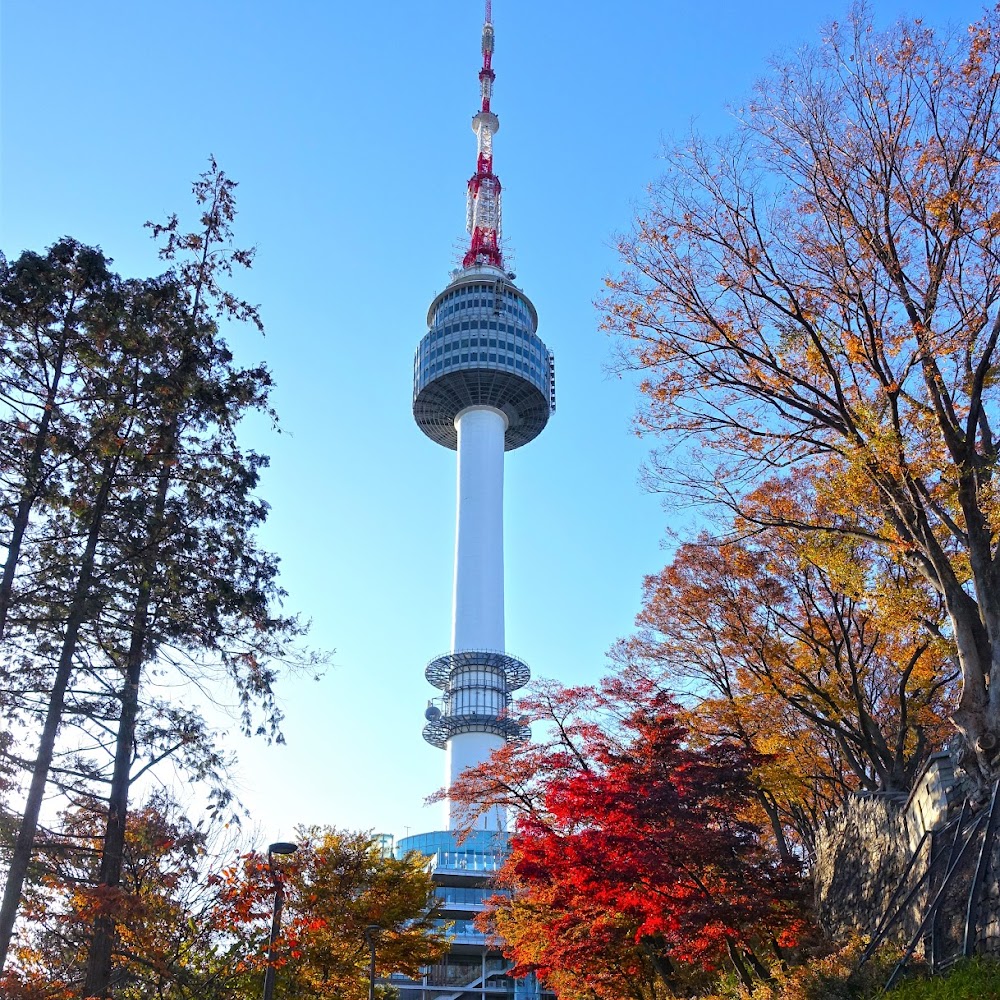
moderate walkabilityThe base of the mountain buzzes with anticipation as couples head up for sunset views, while the peak offers that rare Seoul moment where you can actually see the horizon. The descent feels like re-entering civilization.
Known for: N Seoul Tower and panoramic city views
Local tip: Take the Namsan Oreumi (circular elevator) from Myeongdong instead of the crowded cable car - it's free and locals use it as a shortcut
Transit: Myeongdong Station (Line 4), then Namsan Oreumi or bus 02
Best time: afternoon
Not stroller-friendly
Haeundae
excellent walkabilityKorea's Miami with high-rise condos lining a perfect crescent of sand, where the salty breeze carries both international languages and Korean beach barbecue smoke. It's sophisticated seaside living with an unmistakably Korean twist.
Known for: Korea's most famous beach and luxury beachfront district
Local tip: The best seafood isn't on the beach - locals eat at Millak Raw Fish Town, a 10-minute walk east where prices are half and quality is better
Transit: Haeundae Station (Line 2) Exit 3 or 5
Best time: anytime
Gamcheon Culture Village
moderate walkabilityA rainbow of painted houses cascade down steep hillsides like a Korean Santorini, but with more street art and fewer tourists trying to recreate Instagram shots. The narrow stairs and hidden cafes create endless discoveries.
Known for: Colorful hillside art village and panoramic harbor views
Local tip: Start from the top (take bus 1-1 or 2-2 to the peak) and walk down - most tourists climb up and miss half the village because they're exhausted
Transit: Toseong Station (Line 1), then bus 1-1, 2, or 2-2
Best time: morning
Not stroller-friendly
Jeju City
good walkabilityA laid-back port town where ocean breezes carry the scent of grilling black pork and the pace slows noticeably from mainland Korea. There's a tropical ease here, but still distinctly Korean in its orderly charm.
Known for: Black pork barbecue and traditional markets
Local tip: Dongmun Traditional Market is best visited after 6pm when locals finish work and the real food stalls open up with cheaper, better options
Transit: Jeju Airport, then bus 600 to city center
Best time: evening
Seongsan (Eastern Jeju)
moderate walkabilityDramatic volcanic peaks rise from emerald fields where horses graze freely, and the sunrise over Seongsan Ilchulbong feels like witnessing the earth's creation. It's Jeju at its most mythical and untouched.
Known for: Sunrise Peak (Seongsan Ilchulbong) and coastal drama
Local tip: The haenyeo (female divers) demonstration at 1:30pm and 3pm near Seongsan Port is more authentic than the touristy ones - bring cash to buy their fresh catch
Transit: Bus 701 from Jeju Intercity Terminal
Best time: morning
Not stroller-friendly
What to Eat inSouth Korea
Seoul
Eating etiquette
- •Never stick chopsticks upright in rice - it resembles funeral rituals
- •Wait for the eldest to start eating first
- •Pour drinks for others, never yourself
- •Use both hands when receiving anything from elders
Breakfast
Most Seoulites grab convenience store kimbap or toast from street vendors. Hotel breakfasts are overpriced - hit a 24-hour kimbap place or grab pastries from Paris Baguette
Lunch
Look for 'jeongshik' lunch sets (11:30am-2pm) at Korean restaurants - you'll get 6-8 side dishes plus soup and rice for $8-12, the best value in Seoul
Dinner
Dinner starts late (7-8pm) and is social. Reservations rarely needed except at high-end places. Most locals eat multiple small plates rather than individual entrees
Dishes you can't miss
Seoul's most famous cold noodle shop, unchanged since 1946 - locals line up for the tangy, refreshing broth
Eulji Myeonok near City Hall · $8-10
University area spot where locals go - better meat quality than tourist BBQ places at half the price
Mapo Galmaegi near Hongik University · $25-30 per person
Born from post-war necessity, now Seoul comfort food - best eaten late night with soju
Hongdae area pojangmacha tents · $12-15
Street food highlights
Busan
Eating etiquette
- •Seafood is eaten with hands at pojangmacha - don't be precious about it
- •Soju is mandatory with raw fish - locals will insist
- •Slurping noodle soup shows appreciation
Breakfast
Busan locals eat milmyeon (wheat noodles) for breakfast - it's lighter than Seoul's heavy morning fare. Try it at traditional markets around 8am
Lunch
Hit Jagalchi Market's second floor restaurants between 11am-1pm for the freshest catch at local prices before tour groups arrive
Dinner
Beach pojangmacha (tent restaurants) come alive after sunset. Don't order off English menus - point at what other tables are eating
Dishes you can't miss
Busan's signature comfort food - milky pork bone broth that locals swear cures hangovers
Ssangdungdari Pig Soup alley · $6-8
Better quality and half the price of Jagalchi Market tourist spots
Millak Raw Fish Town · $30-40 for 2 people
Busan invented Korean fish cakes - the broth is free and perfect for cold weather
Busan Station area street stalls · $2-3
Street food highlights
Jeju
Eating etiquette
- •Black pork is grilled without marinade - salt and sesame oil only
- •Hallabong oranges are eaten as palate cleansers
- •Green tea is sipped slowly, never gulped
Breakfast
Jeju locals eat abalone porridge or sea urchin soup for breakfast - sounds fancy but available at every traditional market for $5-7
Lunch
Rural restaurants close 2-5pm without warning. Eat lunch by 1:30pm or wait until evening. Carry snacks for afternoon temple/hiking visits
Dinner
Dinner revolves around black pork BBQ and fresh seafood. Many restaurants are family-run and close early (8-9pm) - don't expect Seoul's late-night dining
Dishes you can't miss
Jeju's famous black pigs have richer flavor from foraging - this family restaurant has supplied the same farms for 30 years
Donsadon in Jeju City · $25-35
Made with sea urchin, abalone, and catches from haenyeo divers - impossible to get this fresh on mainland
Seongsan coastal restaurants · $20-25
Jeju's citrus combined with local green tea in creative desserts you can't find elsewhere
O'sulloc Tea Museum cafe · $6-8
Street food highlights
Getting Between Cities
How to book: Buy at Seoul Station machines (English available) or Korail app. Reserve window seats on right side for mountain views
Platform: Seoul Station KTX platforms are on B1 level. Arrive 15 minutes early - trains depart exactly on time
Luggage: Overhead racks fit carry-ons only. Large bags go in spaces behind last row of each car or between some seats
Pro tip: Seats A & B (right side) for Gyeongju mountains and countryside views
How to book: Book online directly with airlines. Airport buses from Haeundae take 45 minutes to Gimhae Airport
Platform: Gimhae is small - arrive 90 minutes early. Gate assignments change frequently, check monitors
Luggage: Budget airlines charge for checked bags. Pack light or pay $15-25 for 15kg allowance
Pro tip: Left side windows for Hallasan mountain views on approach to Jeju
Daily Walking Distances
Packing List
Seoul's hills, Busan's coastal rocks, and Jeju's volcanic trails require serious footwear
Heavy use of translation apps, maps, and subway apps will drain battery quickly
Still commonly worn and sometimes required in crowded areas and public transport
Many street food vendors, traditional markets, and rural Jeju restaurants don't accept cards
Korean weather changes quickly, especially in Jeju's mountains
You'll remove shoes at temples, traditional restaurants, and some guesthouses daily
For carrying water, snacks, and purchases while hiking Hallasan or exploring markets
Korean sun is strong, especially reflected off Busan beaches and Jeju's white volcanic rocks
Papago works better than Google Translate for Korean, and rural Jeju has spotty wifi
Korean buildings are heavily air-conditioned in contrast to outdoor heat/humidity
Some budget accommodations don't provide towels, and useful for temple visits or beach trips
Free water refill stations in subways and most public buildings
Korean food is heavy on fermented foods and spice - your stomach may need adjustment time
Korean outlets use Type C plugs, and you'll be charging multiple devices
Korean public bathrooms don't always have soap, and useful after street food
Skip These
Save your time and money — here's what to skip and what to do instead.
Overcrowded with drunk college students and overpriced drinks targeting foreigners - you'll spend more time queuing than experiencing Korean nightlife
→ Instead:Visit Itaewon's rooftop bars or Gangnam's upscale lounges for better atmosphere and actual conversation with locals
Cheesy 10-minute water show that's packed with tour groups and offers little cultural value - it's basically Seoul's tourist trap
→ Instead:Walk along Han River at sunset near Yeouido Park for authentic Korean leisure culture and better city views
Expensive observation deck with mediocre views blocked by newer buildings - not worth the $8 entrance fee
→ Instead:Take the free elevator to the 52nd floor of Lotte Department Store Centum City for better panoramic views
Tacky adult-themed sculpture park that's more awkward than amusing - expensive entry for what amounts to crude photo ops
→ Instead:Spend time at Jeju Stone Park for authentic island culture and impressive volcanic rock formations
These spots specifically target tourists with inflated prices and watered-down Korean flavors to suit foreign palates
→ Instead:Use translation apps at Korean-only menu restaurants where locals eat - you'll pay half the price for authentic flavors
Frequently Asked Questions
Is 10 days enough for South Korea?
Yes, 10 days allows you to experience Seoul's palaces and modern districts, Busan's coastal beauty, and Jeju Island's volcanic landscapes. This gives you a good overview of Korean culture, food, and nature without rushing.
How much does 10 days in South Korea cost?
Budget travelers can spend $1,200-1,500, mid-range $1,700-2,200, and luxury $3,000+. Accommodation is the biggest expense, followed by food and transport. Eating at local restaurants and using public transport keeps costs reasonable.
What is the best month to visit South Korea?
April-May for cherry blossoms and mild weather, or September-October for autumn colors and comfortable temperatures. Avoid July-August due to monsoon season and extreme humidity.
Do I need a visa for South Korea?
US, UK, and EU citizens get 90 days visa-free for tourism. Canadians get 180 days. Australians need K-ETA online authorization. Always check current requirements as they change frequently.
Travel Tips forSouth Korea
Get a T-money Card Immediately
Buy at any subway station for Seoul/Busan public transport. 15% discount vs single tickets and works on subway, buses, and some taxis. Top up at any station.
Lunch Sets Are Your Best Value
Korean restaurants offer lunch sets (jeongsik) for ₩8,000-15,000 that would cost ₩25,000+ at dinner. Department store food courts have quality meals at great prices.
Bow Slightly and Use Both Hands
When receiving business cards, money, or gifts, use both hands and bow slightly. Remove shoes when entering homes or traditional restaurants. Don't point with one finger.
Cash Is Still King
Many small restaurants, markets, and temples only take cash. ATMs at 7-Eleven, post offices, and banks work with foreign cards. Withdraw large amounts to minimize fees.
Download Papago Translation App
Better than Google Translate for Korean. Works offline and can translate photos of menus and signs. Essential for communicating with older Koreans who don't speak English.
Essential Info
Korean Won (₩). Cards widely accepted in cities, but carry cash for markets and small restaurants. ATMs at convenience stores and banks.
No tipping culture. Service charge included at restaurants. Don't tip taxi drivers, hotel staff, or tour guides.
KT Tourist SIM at airport or Airalo eSIM for data
More Options inSouth Korea
Places that didn't make the main itinerary but are worth knowing about.
More Restaurants
More Activities
Bars & Nightlife
Shopping
Cafes & Coffee
Explore Each City
Want to spend more time in a specific city? Check out our city-level deep-dive guides.
Related Itineraries
Ready to plan yourSouth Korea trip?
Get this 10-day itinerary in your Yopki trip planner — customize, collaborate, and export to PDF.