3-Day Kyoto Itinerary: Temples, Traditions & Tea Culture (2026)
Experience the ancient capital through its most iconic temples, traditional geisha districts, and authentic tea culture. This guide takes you through Kyoto's historic neighborhoods with perfect pacing for first-time visitors.
Day-by-Day Itinerary
Walk through Kyoto's most preserved historic district, where traditional wooden buildings line stone-paved streets. End your day in Gion, where geishas still move between tea houses as they have for centuries, creating an atmosphere that feels untouched by time.
Pro tip: Wear comfortable walking shoes for the cobblestone streets, and remember temple etiquette: bow before entering and be quiet inside
Route Map
Budget Breakdown
Estimated cost per person for 3 days. Includes accommodation, all meals, local transport, activities, and miscellaneous expenses. Does not include international flights or travel insurance.
| Category | Daily | Total |
|---|---|---|
| accommodation | $80 | $240 |
| food | $64 | $192 |
| transport | $12 | $36 |
| activities | $15 | $45 |
| misc | $20 | $60 |
| Total | $191 | $573 |
* Budget tier: mid-range. Prices in USD per person.
Money-saving tips:
- Buy the Kyoto City Bus Day Pass for ¥700 instead of individual tickets
- Eat lunch sets at restaurants for better value than dinner
- Temple entrance fees are usually under ¥500
- Convenience store food is high quality and budget-friendly
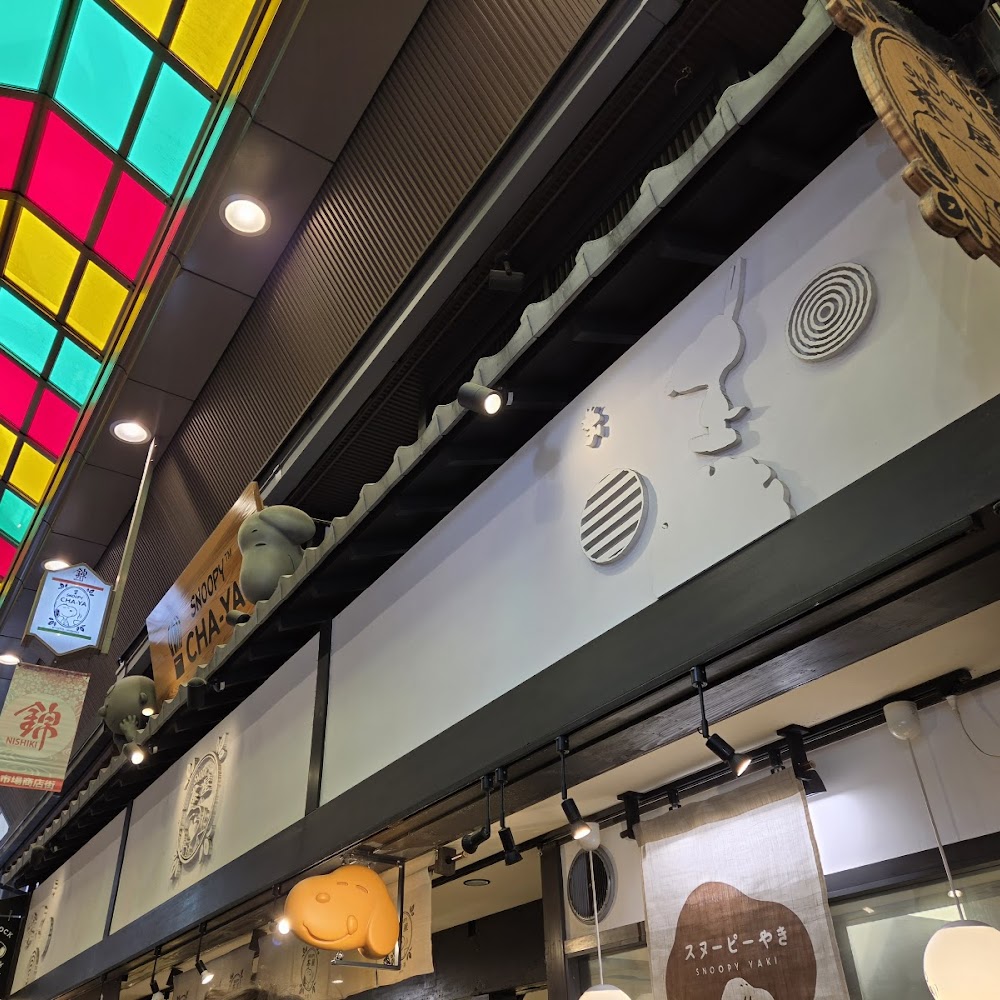
- Free samples at Nishiki Market can substitute for snacks
See detailed Japan budget guide with calculator →
Daily costs, tipping, and trip calculator
When to Go
Spring cherry blossoms, mild weather, and autumn foliage create perfect temple viewing conditions
Extreme heat, humidity, and intense summer crowds make temple visits uncomfortable
Neighborhood Guide
Get oriented before you arrive — what each area feels like and how to get around.
Higashiyama
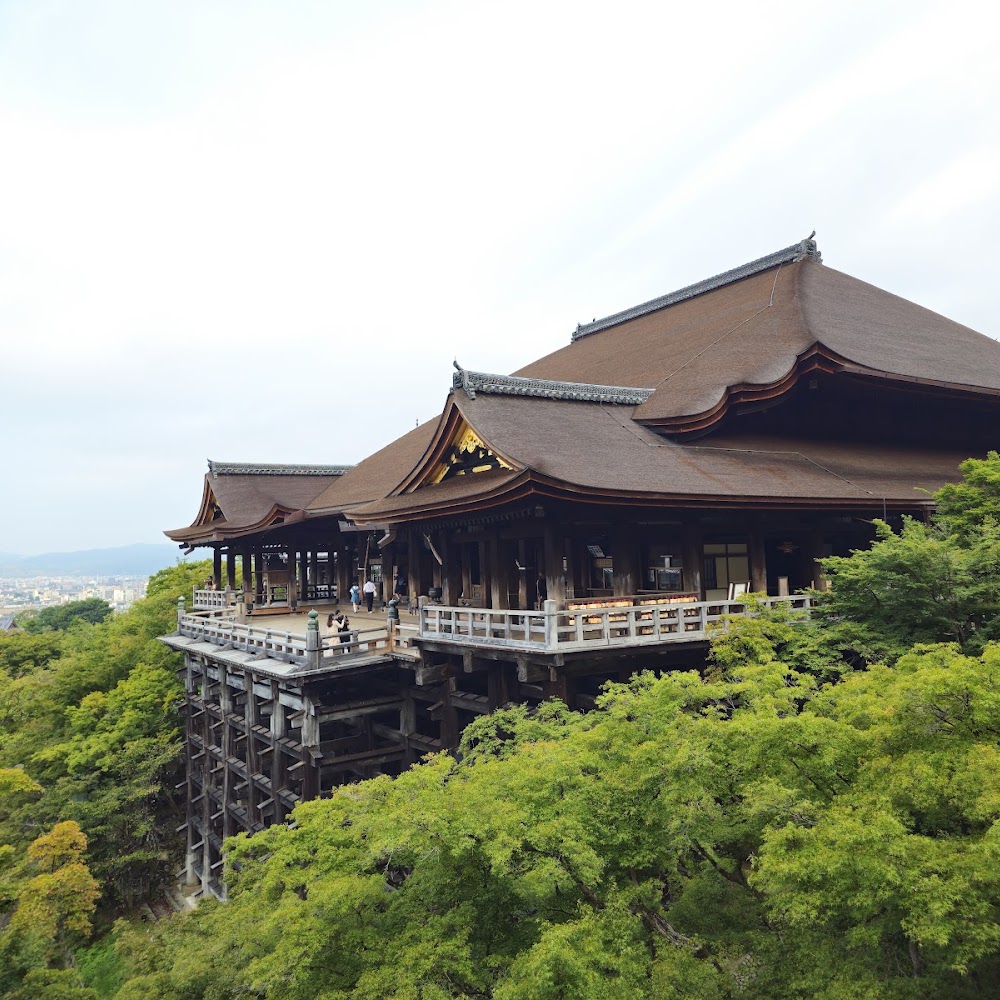
excellent walkabilityWalking these preserved streets feels like traveling back to the Edo period, with traditional wooden buildings, stone paths, and the gentle sound of temple bells echoing off nearby hills.
Known for: Historic temples, traditional architecture, and the famous stone-paved Sannenzaka and Ninenzaka streets
Local tip: Visit temples in the early morning when monks perform their daily rituals and the crowds haven't arrived yet
Transit: Bus stops at Kiyomizu-michi and Gion
Best time: morning
Not stroller-friendly
Gion
excellent walkabilityThe evening air fills with anticipation as traditional lanterns illuminate narrow alleys where geishas move gracefully between hidden teahouses, creating an atmosphere of timeless elegance.
Known for: Geisha culture, traditional teahouses, and historic entertainment district
Local tip: Geishas are most visible between 5-6pm heading to appointments - observe respectfully from a distance without blocking their path
Transit: Gion-Shijo Station or bus to Gion stop
Best time: evening
Arashiyama
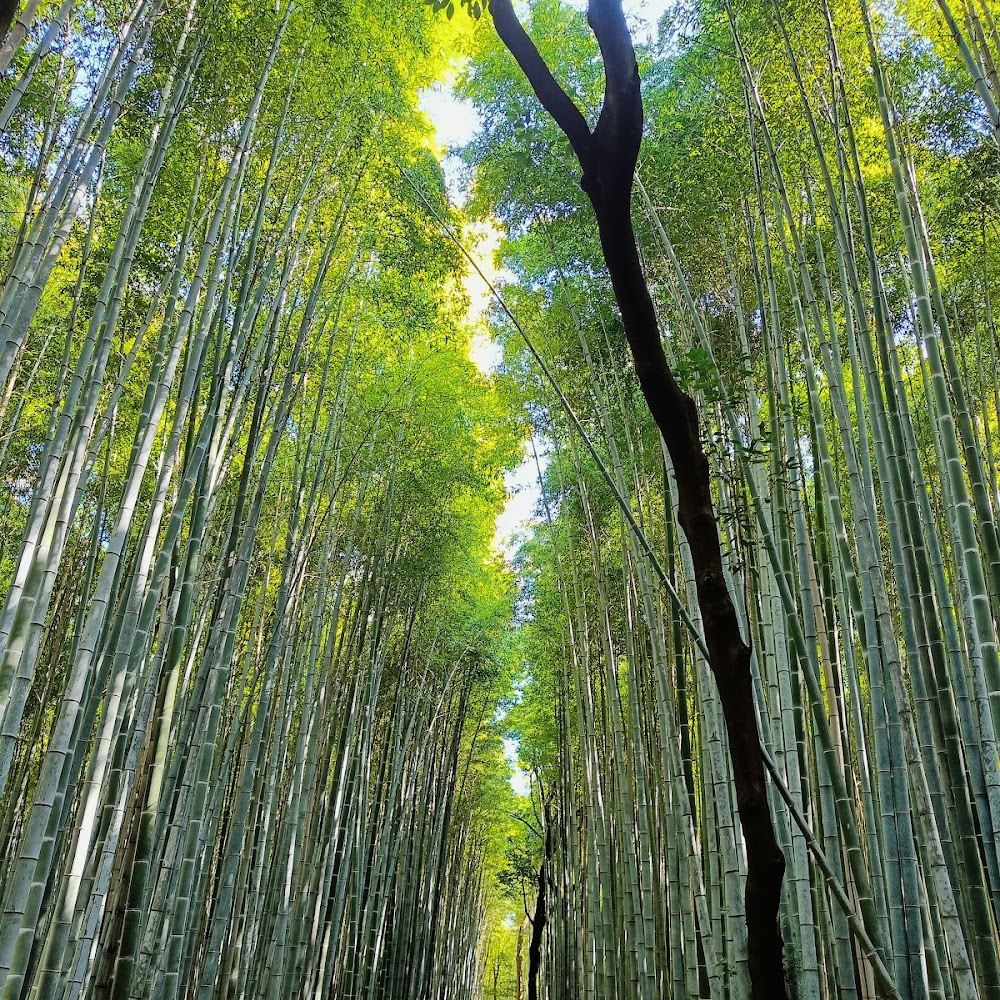
good walkabilityMountains frame this western district where bamboo groves create natural cathedrals and the Katsura River reflects ancient temples, offering a peaceful escape from urban Kyoto.
Known for: Bamboo forest, Tenryu-ji temple gardens, and scenic mountain views
Local tip: Rent a bicycle at Saga-Arashiyama Station to cover more ground efficiently between the scattered temples and bamboo grove
Transit: JR Saga-Arashiyama Station or Keifuku Arashiyama Station
Best time: morning
Fushimi
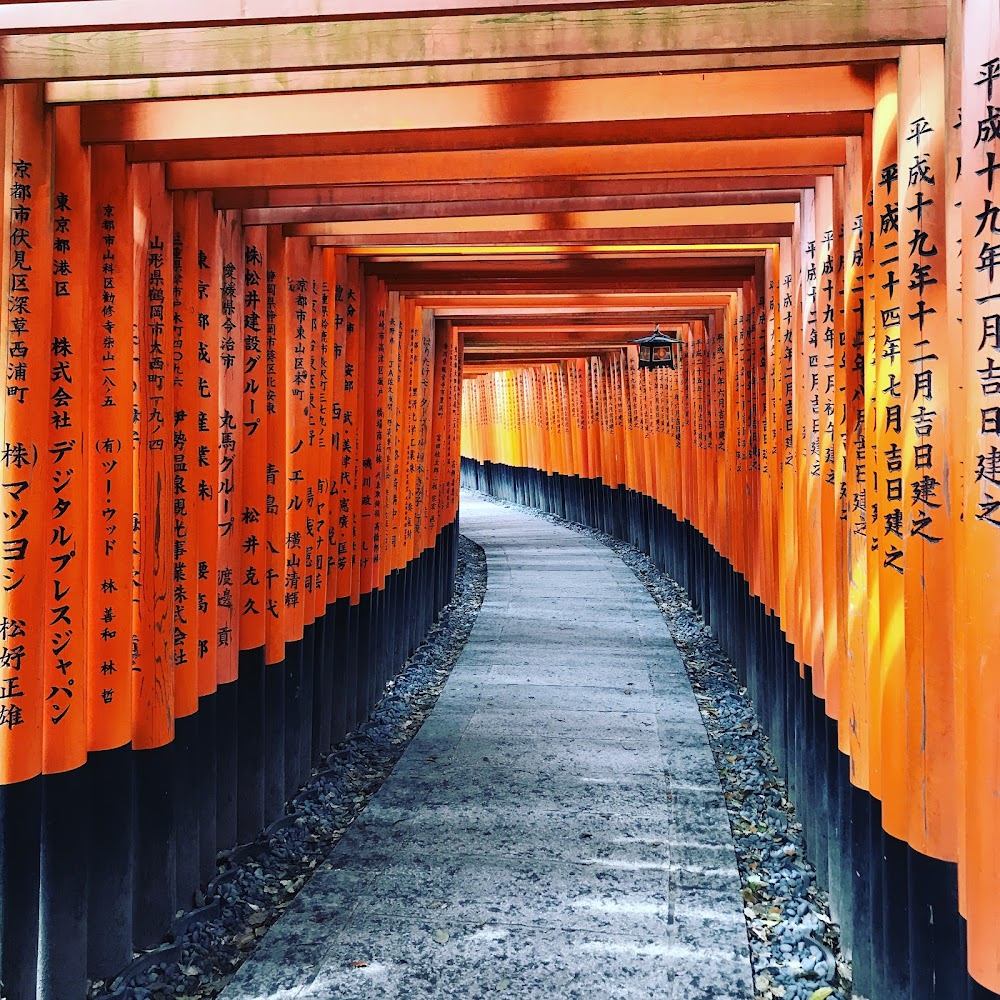
moderate walkabilityThis southern district balances spiritual intensity at the torii-covered mountain with the laid-back atmosphere of historic sake breweries along peaceful canals.
Known for: Fushimi Inari shrine with thousands of torii gates and traditional sake brewing district
Local tip: The full Fushimi Inari mountain hike takes 2-3 hours - you can turn back at any point and still get great photos
Transit: Keihan Fushimi-Inari Station or JR Inari Station
Best time: morning
Not stroller-friendly
What to Eat inKyoto
Eating etiquette
- •Remove shoes when entering traditional restaurants
- •Don't stick chopsticks upright in rice
- •Slurping noodles is acceptable and shows appreciation
- •Say 'itadakimasu' before eating and 'gochisousama' after
Breakfast
Traditional Japanese breakfast includes rice, miso soup, pickles, and grilled fish. Many visitors opt for convenience store onigiri and coffee, which is perfectly acceptable.
Lunch
Restaurant lunch sets offer the best value, often 30-50% cheaper than dinner prices. Many high-end kaiseki restaurants have affordable lunch options.
Dinner
Dinner is typically earlier (6-7pm) than Western customs. Make reservations for popular restaurants. Kaiseki dining is Kyoto's culinary art form but requires 2+ hours.
Dishes you can't miss
Kyoto perfected this multi-course art form showcasing seasonal ingredients
Kikunoi or Yoshikawa Inn · $60-200
Buddhist temple cuisine elevated to fine dining, especially the silky yudofu hot tofu
Arashiyama Yoshimura · $15-25
Kyoto's proximity to Uji makes it Japan's matcha capital
Tea ceremony venues in Gion · $10-15
Lighter, more delicate broth than Tokyo's heavy tonkotsu style
Ippudo or Ramen Koji · $8-12
Kyoto's home-style cooking featuring seasonal vegetables and simple preparations
Local izakayas · $20-30
Traditional sweets that are edible art, designed to complement tea ceremonies
Nishiki Market vendors · $2-5
Street food highlights
Daily Walking Distances
Packing List
Temple grounds have gravel paths and steps; Fushimi Inari involves mountain hiking
Required to cover shoulders in some temples; useful for changing weather
Heavy use of maps and translation apps drains batteries quickly
Many temples, markets, and restaurants still only accept cash payments
Sudden rain showers are common, especially in spring and summer months
Skip These
Save your time and money — here's what to skip and what to do instead.
Requires advance booking, heavily restricted access, and the gardens aren't as impressive as temple gardens you'll see elsewhere
→ Instead:Visit Maruyama Park next to Yasaka Shrine for better gardens and cherry blossoms without the booking hassle
Becomes a slow-moving crowd of tourists during cherry blossom season, losing all peaceful contemplation
→ Instead:Walk the quieter northern section near Ginkaku-ji or visit during off-season months
You'll pay premium prices for mediocre food at places that cater to tour groups rather than local diners
→ Instead:Book proper kaiseki restaurants in advance or try excellent lunch sets at respected establishments
Frequently Asked Questions
Is 3 days enough for Kyoto?
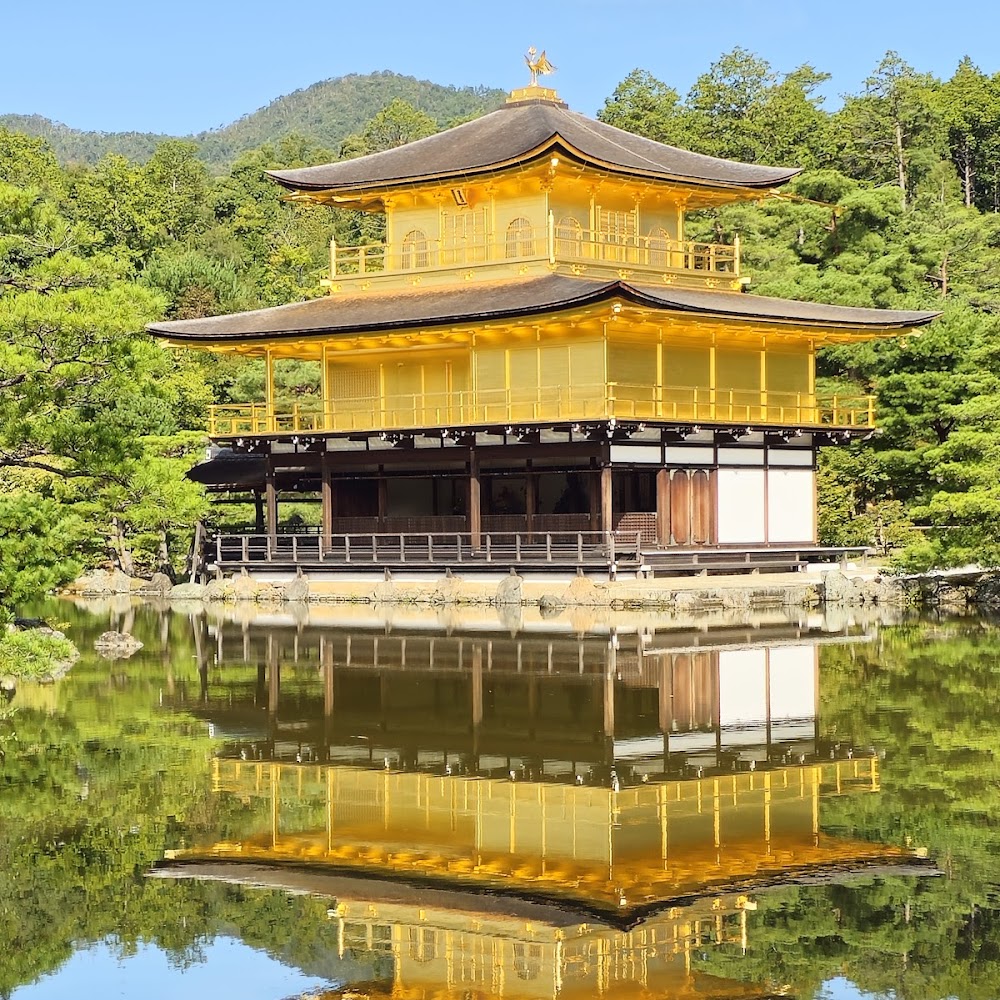
Yes, 3 days covers Kyoto's essential temples, historic districts, and cultural experiences. You'll see the Golden Pavilion, bamboo groves, geisha districts, and major temples. However, you'll miss day trips to Nara, deeper temple exploration, and seasonal festivals that make longer stays worthwhile.
Where should I stay in Kyoto?
Stay near Kyoto Station for transport convenience, Gion for traditional atmosphere, or downtown Kawaramachi for dining and nightlife. Avoid areas far from train stations unless you enjoy long bus rides. Budget travelers should consider hostels in the Higashiyama area.
How much does 3 days in Kyoto cost?
Budget: $300-400 (hostels, convenience store meals). Mid-range: $500-650 (hotels, restaurant mix). Luxury: $800+ (ryokans, kaiseki dining). Temple entrance fees average $3-5 each, while transportation costs $8-15 daily.
What should I not miss in Kyoto?
Kinkaku-ji golden temple for iconic photos, Fushimi Inari's torii tunnel for hiking, Arashiyama bamboo grove for mystical walks, Gion district for geisha culture, and at least one traditional kaiseki meal or tea ceremony experience.
What's the best time to visit Kyoto?
April-May for cherry blossoms and mild weather, or October-November for autumn colors and comfortable temperatures. Avoid July-August due to extreme heat and humidity. Winter can be lovely but cold, with fewer crowds.
Travel Tips forKyoto
Buy the Kyoto City Bus Day Pass
At ¥700 ($4.50), this unlimited day pass pays for itself after 3 bus rides. Buy from the driver or at Kyoto Station. Most temples are accessible by city bus.
Temple Etiquette Basics
Bow before entering temple grounds, remove hats inside buildings, don't point feet toward altars when sitting, and keep voices low. Photography inside temple buildings is usually prohibited.
Lunch Sets Are Your Best Value
High-end restaurants offer lunch sets for half the dinner price. Even Michelin-starred places have affordable lunch options. Eat your big meal at noon, not at night.
Cash is Still King
Many temples, markets, and small restaurants only accept cash. Withdraw from 7-Eleven or post office ATMs, which accept foreign cards reliably. Budget ¥5000-8000 cash per day.
Start Early to Beat Crowds
Popular spots like Kinkaku-ji and Arashiyama bamboo grove are best before 9am. Tour buses arrive around 10am and stay until 4pm. Early morning also offers better lighting for photos.
Essential Info
Japan is still largely cash-based. Use 7-Eleven, post office, or bank ATMs for best foreign card acceptance. Major hotels and department stores take cards.
No tipping expected or required in Japan. Service charges are included in bills at upscale restaurants.
Airalo eSIM for Japan or rent pocket WiFi from Kyoto Station kiosks
More Options inKyoto
Places that didn't make the main itinerary but are worth knowing about.
More Restaurants
Shopping
More Activities
Bars & Nightlife
Planning a full Japan trip?
Our Japan itineraries cover Kyoto and more — with multi-city routes, transit guides, and full budget breakdowns.
Related Itineraries
Ready to plan yourKyoto trip?
Get this 3-day itinerary in your Yopki trip planner — customize, collaborate, and export to PDF.