
2-Day Kyoto Itinerary: Ancient Temples & Timeless Culture (2026)
Experience the soul of old Japan in just two days. This carefully crafted itinerary takes you from the iconic bamboo groves of Arashiyama to the geisha districts of Gion, covering Kyoto's most essential temples, neighborhoods, and culinary experiences without the tourist trap rush.
Day-by-Day Itinerary
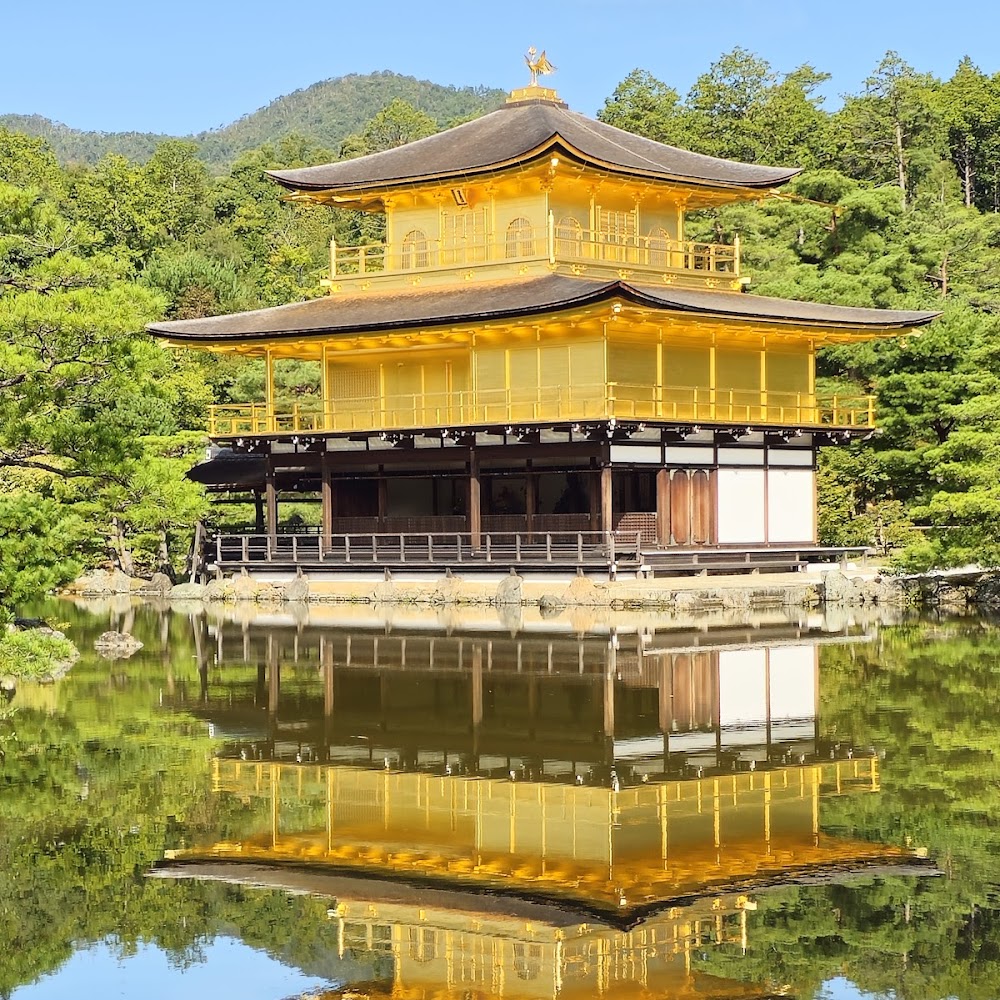
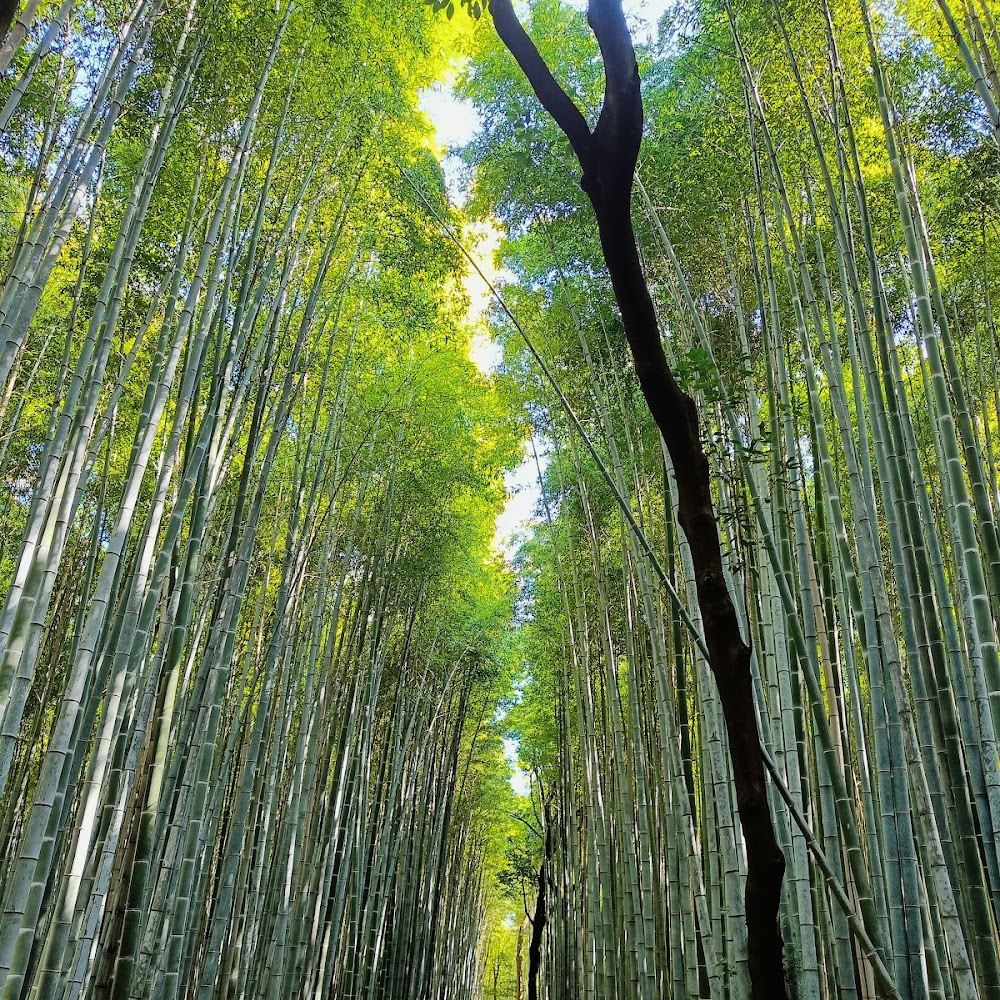
Start with the ethereal bamboo groves of Arashiyama, then journey north to the golden splendor of Kinkaku-ji. This day captures Kyoto's most photogenic moments while avoiding the downtown crowds, ending with an authentic kaiseki dinner that showcases the city's refined culinary artistry.
Pro tip: Start early to beat crowds at bamboo grove and save the expensive kaiseki for tonight — lunch in Arashiyama is much cheaper.
Route Map
Budget Breakdown
Estimated cost per person for 2 days. Includes accommodation, all meals, local transport, activities, and miscellaneous expenses. Does not include international flights or travel insurance.
| Category | Daily | Total |
|---|---|---|
| accommodation | $80 | $160 |
| food | $50 | $100 |
| transport | $8 | $16 |
| activities | $15 | $30 |
| misc | $12 | $24 |
| Total | $165 | $330 |
* Budget tier: mid-range. Prices in USD per person.
Money-saving tips:
- Buy a city bus day pass (¥700) instead of individual tickets
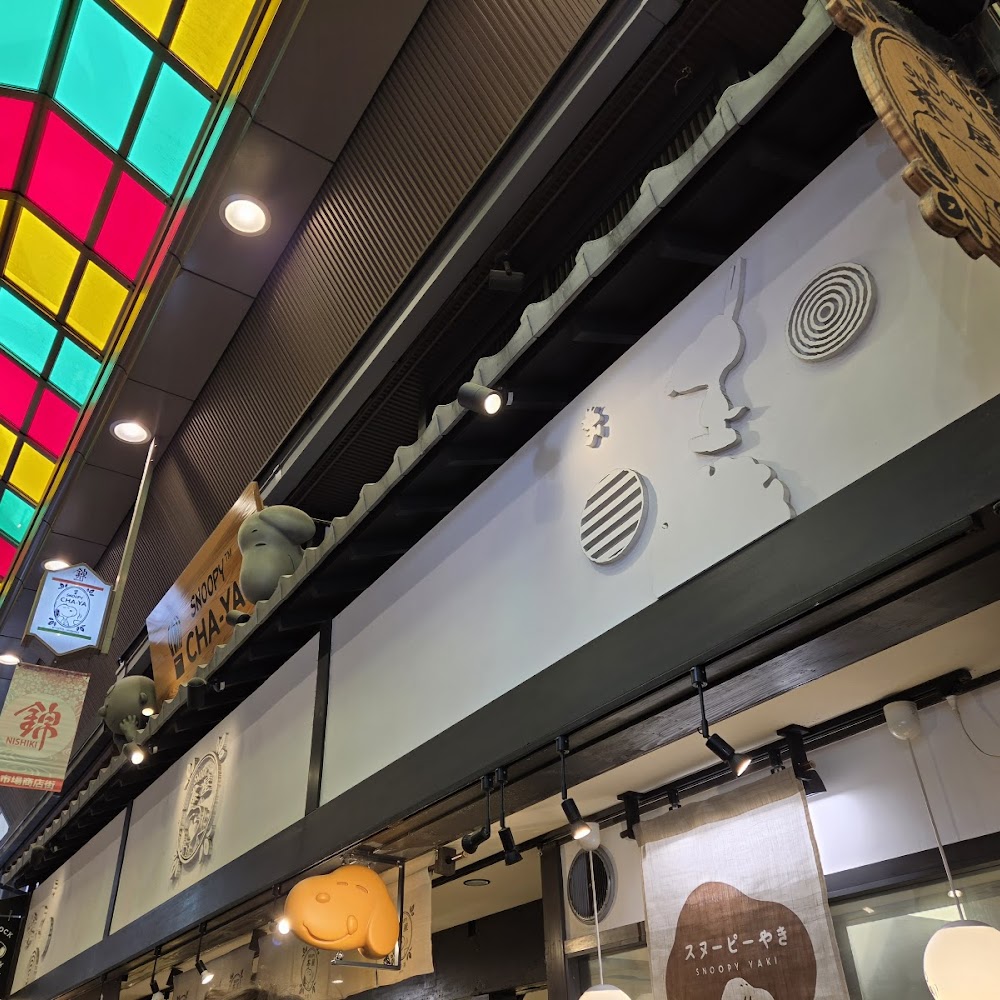
- Eat lunch at Nishiki Market for authentic food at lower prices
- Many temples are free to enter grounds, only charge for main buildings
- Konbini breakfast saves ¥1000+ vs hotel breakfast
- Free walking areas like Gion and Philosopher's Path offer the best experiences
See detailed Japan budget guide with calculator →
Daily costs, tipping, and trip calculator
When to Go
Cherry blossoms (March-April), pleasant weather, and autumn foliage create perfect temple viewing conditions
Extreme heat, humidity, and summer rain make walking uncomfortable
Neighborhood Guide
Get oriented before you arrive — what each area feels like and how to get around.
Arashiyama
good walkabilityFeel like you're walking through a nature documentary in the bamboo grove, then stepping back 1000 years at ancient Tenryu-ji. It's touristy but genuinely magical.
Known for: Bamboo grove, mountain temples, traditional river views
Local tip: Rent a bike to explore beyond the main tourist path - locals cycle to hidden temples up the mountain
Transit: JR San-in Line to Saga-Arashiyama Station
Best time: morning
Not stroller-friendly
Gion
excellent walkabilityStepping into a movie set of old Japan with wooden machiya houses, the soft click of geta sandals on stone, and the possibility of glimpsing a geisha around every corner.
Known for: Geisha culture, traditional teahouses, historic architecture
Local tip: Locals know the best geisha spotting is on side streets like Shirakawa area, not the main Hanami-koji tourist strip
Transit: Gion-Shijo Station on Keihan Line
Best time: evening
Higashiyama
moderate walkabilityAncient temples perched on wooded hillsides with stone paths winding between traditional shops. Every corner looks like a postcard, especially the preserved Sannenzaka streets.
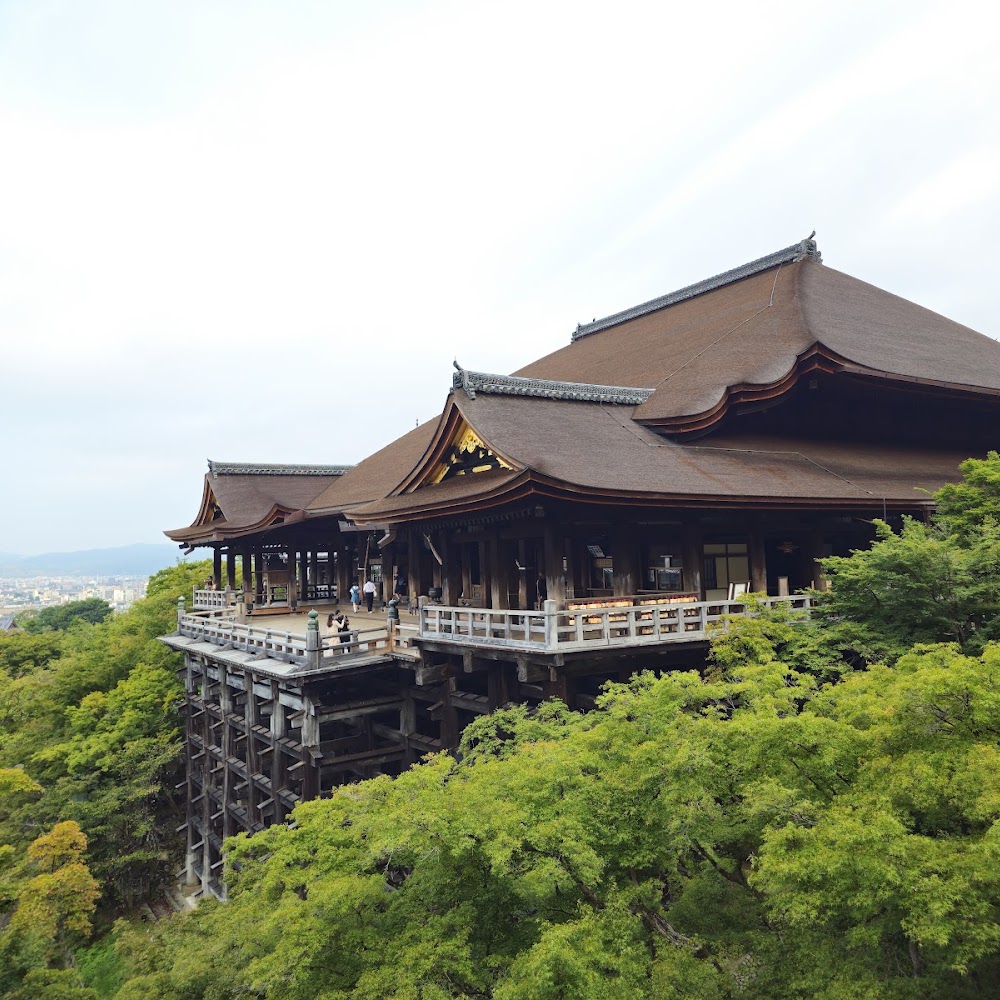
Known for: Kiyomizu-dera temple, historic preservation district, temple stairs
Local tip: Take the back paths between temples - locals use mountain trails that tourists miss for stunning city views
Transit: Bus 100 or 206 to Kiyomizu-michi
Best time: afternoon
Not stroller-friendly
What to Eat inKyoto
Eating etiquette
- •Slurp ramen and soba noodles loudly - it's expected
- •Don't stick chopsticks upright in rice (funeral ritual)
- •Say 'itadakimasu' before eating and 'gochisousama' after
- •Don't walk while eating - find a designated area
Breakfast
Traditional: rice, grilled fish, pickles, miso soup. Modern: convenience store sandwiches and coffee are perfectly acceptable.
Lunch
Nishiki Market for street food, temple restaurant lunch sets (¥1500-2500), or department store restaurant floors for variety.
Dinner
Dinner starts early (6-7pm) at traditional places. Kaiseki requires reservations. Izakayas are casual but can be intimidating for non-speakers.
Dishes you can't miss
Kyoto perfected this multi-course art form showcasing seasonal ingredients
Kikunoi or Yoshikawa · $100-200
Buddhist temple food tradition using Kyoto's pure water
Komameya in Arashiyama · $15-25
Kyoto is the heart of Japanese tea ceremony culture
Any traditional teahouse · $8-12
Kyoto home-cooking style with seasonal vegetables
Local neighborhood restaurants · $20-30
Lighter, more refined than Tokyo-style with local vegetables
Ippudo or local shops · $8-12
Street food highlights
Daily Walking Distances
Packing List
Lots of uphill temple walks and stone paths in Higashiyama
Required for temple visits - must cover shoulders
Many temples and traditional places only accept cash
Frequent light rain, especially in rainy season
Heavy Google Maps usage for temple navigation
Skip These
Save your time and money — here's what to skip and what to do instead.
Takes 3-4 hours for the full mountain circuit - too time-consuming for a 2-day visit
→ Instead:Visit just the lower portion (first 1000 gates) in 45 minutes for the iconic photos
Requires advance booking, limited tour times, and the gardens are less impressive than temple complexes
→ Instead:Spend time at Ryoan-ji or other temple gardens with better access and atmosphere
Overpriced tourist traps with mediocre food targeting foreign visitors
→ Instead:Walk two blocks off Hanami-koji for authentic local restaurants at half the price
Frequently Asked Questions
Is 2 days enough for Kyoto?
Yes, 2 days covers the essential highlights: major temples (Kinkaku-ji, Kiyomizu-dera), key districts (Gion, Arashiyama), and cultural experiences (kaiseki, geisha spotting). You'll miss Fushimi Inari's full hike, day trips to Nara, and deeper neighborhood exploration, but you'll see what makes Kyoto special.
Where should I stay in Kyoto?
Stay in Downtown (Kawaramachi/Gion area) for walkability to temples and restaurants, or near Kyoto Station for transportation convenience. Avoid outlying areas like Arashiyama unless you want a resort feel. Traditional ryokans in Gion offer authentic experience but book early.
How much does 2 days in Kyoto cost?
Budget: $120/day (hostels, street food, free temples), Mid-range: $165/day (business hotels, local restaurants, paid temples), Luxury: $400+/day (high-end ryokans, kaiseki dining, private guides). Transportation is cheap with day bus passes at $5.
What should I not miss in Kyoto?
Don't miss: Kinkaku-ji (Golden Pavilion) for iconic photos, Gion district for geisha culture, Arashiyama bamboo grove for nature, Kiyomizu-dera for city views, and at least one kaiseki meal for culinary tradition. These represent Kyoto's spiritual and cultural essence.
What's the best time to visit Kyoto?
Best: April (cherry blossoms) and November (autumn foliage) for scenery, though most crowded. March and October offer great weather with fewer crowds. Avoid July-August due to extreme heat and humidity. Winter is quiet but beautiful with occasional snow on temples.
Travel Tips forKyoto
Temple Etiquette
Remove shoes when entering temple buildings, bow before entering, and don't point feet toward Buddha statues. Photography inside halls is usually prohibited. Cover shoulders and knees at all temples.
Bus System Mastery
Buy a day pass (¥700) for unlimited city bus rides. Enter from the back, exit from the front. Keep your pass visible. Bus 100 connects all major temples but gets crowded - use alternative routes during peak times.
Cash-Heavy Culture
Many temples, traditional restaurants, and small shops only accept cash. Withdraw from 7-Eleven ATMs which work with foreign cards. Budget ¥2000-3000 cash per day for temples and food.
Dining Hours
Traditional restaurants serve dinner early (6-8pm). Make kaiseki reservations weeks ahead. Nishiki Market vendors close around 5pm. Convenience store food (konbini) is actually delicious and open 24/7.
Crowd Avoidance
Visit major temples before 9am or after 4pm to avoid tour groups. Bamboo grove is magical at sunrise. Gion is best for geisha spotting between 5-7pm when they travel to appointments.
Essential Info
Japan is cash-heavy. Use 7-Eleven ATMs for foreign cards. Most temples and traditional places don't take cards.
No tipping expected anywhere. Service charge included in bills at upscale restaurants.
Mobal eSIM or pocket WiFi rental at Kyoto Station
More Options inKyoto
Places that didn't make the main itinerary but are worth knowing about.
More Restaurants
Shopping
More Activities
Bars & Nightlife
Planning a full Japan trip?
Our Japan itineraries cover Kyoto and more — with multi-city routes, transit guides, and full budget breakdowns.
Related Itineraries
Ready to plan yourKyoto trip?
Get this 2-day itinerary in your Yopki trip planner — customize, collaborate, and export to PDF.