


7-Day Italy Itinerary: Complete First-Timer's Guide
Experience Italy's greatest hits in one unforgettable week. From Rome's Colosseum to Florence's Duomo and Venice's romantic canals, this itinerary covers the essentials while leaving time to savor la dolce vita.
Day-by-Day Itinerary
Route Map
Budget Breakdown
Estimated cost per person for 7 days. Includes accommodation, all meals, local transport, activities, and miscellaneous expenses. Does not include international flights or travel insurance.
| Category | Daily | Total |
|---|---|---|
| accommodation | $95 | $665 |
| food | $65 | $455 |
| transport | $26 | $182 |
| activities | $38 | $266 |
| misc | $15 | $105 |
| Total | $239 | $1673 |
* Budget tier: mid-range. Prices in USD per person.
Money-saving tips:
- Book museums and trains in advance for better prices and guaranteed entry
- Lunch menus offer better value than dinner at the same restaurants
- Stand at the bar for cheaper coffee and pastries rather than table service
- Many churches and piazzas are free - don't overlook these cultural gems
- Aperitivo hour (6-8pm) often includes free snacks with your drink purchase
When to Go
Perfect weather, fewer crowds, comfortable temperatures for walking and sightseeing
Extremely hot, crowded, and expensive with uncomfortable walking conditions
Neighborhood Guide
Get oriented before you arrive — what each area feels like and how to get around.
Centro Storico
excellent walkabilityEvery corner holds 2,000 years of history, with the intoxicating smell of espresso mixing with ancient stone. The narrow cobblestone streets echo with both tourist chatter and the purposeful clicks of Roman heels heading to work.
Known for: Pantheon, Trevi Fountain, and dense concentration of monuments
Local tip: Romans grab their morning cappuccino standing at the bar counter - sitting costs double and marks you as a tourist
Transit: Spagna Metro (Line A) or Barberini Metro (Line A)
Best time: early morning
Not stroller-friendly
Colosseum Area
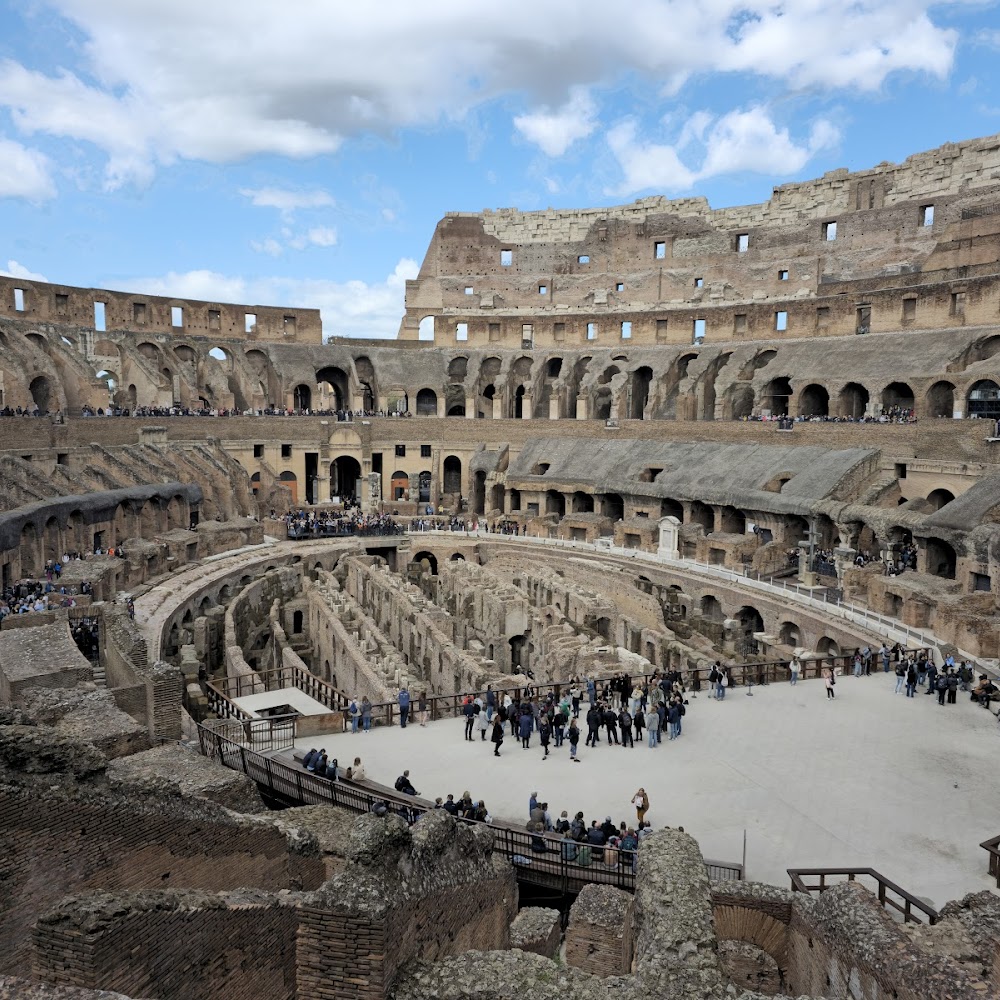
good walkabilityWalking here feels like stepping into a gladiator movie set, with massive ancient structures dominating the skyline. The energy shifts between awe-inspiring historical moments and the chaos of tour groups and street vendors.
Known for: Colosseum, Roman Forum, Palatine Hill
Local tip: Enter the Roman Forum from the Palatine Hill entrance - shorter lines and better views
Transit: Colosseo Metro (Line B)
Best time: early morning
Not stroller-friendly
Vatican City
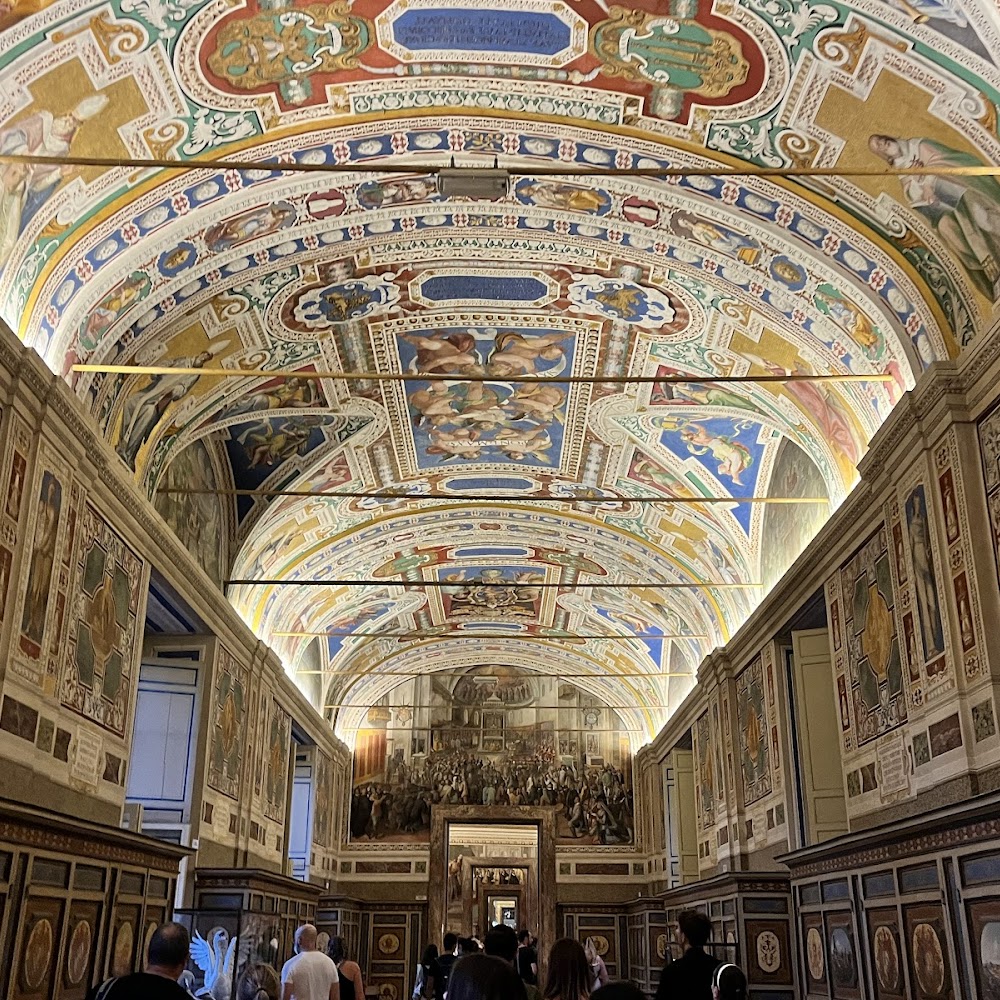
excellent walkabilityThe atmosphere is reverently hushed yet bustling with pilgrims and art lovers from every corner of the world. Stepping through those walls feels like entering a sovereign state where Michelangelo's genius hangs casually on chapel ceilings.
Known for: Sistine Chapel, St. Peter's Basilica, Vatican Museums
Local tip: Book the first entry slot and head straight to the Sistine Chapel before crowds arrive
Transit: Ottaviano Metro (Line A) - 10 minute walk
Best time: early morning
Centro Storico
excellent walkabilityRenaissance masters seem to whisper from every palazzo facade as you navigate streets that haven't changed much since Dante walked them. The energy is sophisticated yet intimate, like browsing the world's most beautiful outdoor museum.
Known for: Duomo, Uffizi Gallery, Ponte Vecchio
Local tip: Locals shop at the covered Mercato Centrale upstairs for authentic Tuscan products, not the touristy ground floor
Transit: Santa Maria Novella train station - walking distance
Best time: early morning
Not stroller-friendly
Oltrarno
excellent walkabilityThis feels like stepping into the 'real' Florence where artisans still hammer gold and neighbors chat from their windows. The atmosphere is bohemian and authentic, with fewer crowds and more local trattorias.
Known for: Pitti Palace, artisan workshops, authentic restaurants
Local tip: Visit the workshops around Santo Spirito square in late afternoon when artisans are actively working
Transit: Cross any bridge from Centro Storico
Best time: late afternoon
San Marco
excellent walkabilityThe theatrical grandeur of St. Mark's Square makes you feel like you've walked onto an opera stage, especially when the orchestras play at the historic cafés. The sound of your footsteps echoes differently on these ancient stones surrounded by water.
Known for: St. Mark's Square, Basilica, Doge's Palace
Local tip: Locals never pay café prices in the square - grab espresso standing at any bar one street back for 1/10th the price
Transit: San Marco-Vallaresso vaporetto stop (Lines 1, 2)
Best time: early morning
Not stroller-friendly
Murano
excellent walkabilityThe island hums with the ancient rhythm of glassblowing furnaces and feels refreshingly peaceful after Venice's crowds. Watching master craftsmen work with molten glass feels like witnessing magic that's been perfected over centuries.
Known for: Glass-making workshops and museums
Local tip: Visit Berengo Studio for contemporary glass art that locals actually collect, not just tourist trinkets
Transit: Murano Colonna vaporetto stop (Lines 4.1, 4.2, 12)
Best time: morning
Burano
excellent walkabilityThe rainbow-colored houses create an almost fairy-tale atmosphere that feels surreal yet authentically lived-in. The pace is dramatically slower than Venice, with fishermen mending nets and elderly women creating intricate lace by hand.
Known for: Colorful houses, lace-making, seafood restaurants
Local tip: The color scheme isn't random - each section was painted specific colors to help fishermen identify their homes in fog
Transit: Burano vaporetto stop (Line 12 from Murano)
Best time: afternoon
What to Eat inItaly
Rome
Eating etiquette
- •Never order cappuccino after 11am
- •Don't ask for parmesan on seafood pasta
- •Split the bill evenly - itemizing is considered rude
- •Standing at the bar is cheaper than sitting
Breakfast
Romans grab a quick cornetto and cappuccino standing at the bar counter before 10am. Breakfast is sweet, never savory.
Lunch
Look for 'menu del giorno' (daily menu) between 12:30-2pm for best value. Avoid restaurants with English menus near monuments.
Dinner
Dinner starts at 8pm earliest. Book ahead for weekend dinners. Romans eat late and linger long over meals.
Dishes you can't miss
Invented here and still made with the original technique at tableside
Felice al Testaccio · €14-16
No cream, just eggs, pecorino, guanciale - the way Romans have made it for generations
Da Enzo al 29 · €12-14
Rome's answer to street food - fried rice balls that stretch like telephone wires
Any bar counter · €1.50
Street food highlights
Florence
Eating etiquette
- •Bread comes unsalted - use it to soak up sauce
- •Don't ask for olive oil for bread
- •Sharing antipasti is normal
- •Tipping 10% is appreciated but not required
Breakfast
Florentines grab pastries and coffee quickly. Try schiacciata fiorentina (sweet flatbread) during carnival season.
Lunch
Look for 'osterie' away from Duomo. Many close 2:30-7pm. Try the 'pranzo' (lunch) menu for local workers.
Dinner
Dinner starts around 7:30pm. Reserve ahead for acclaimed restaurants. Try 'aperitivo' culture around 6pm.
Dishes you can't miss
Massive T-bone from Chianina cattle, cooked rare and shared
Osteria di Giovanni · €45-55/kg
Hearty bread soup that's pure Tuscan comfort food
Trattoria Za Za · €8-10
Focaccia sandwich stuffed with local meats and cheese
All'Antico Vinaio · €4-6
Street food highlights
Venice
Eating etiquette
- •Standing and eating cicchetti is the Venetian way
- •Seafood is king - meat dishes are tourist traps
- •Don't sit in St. Mark's Square cafés unless you want to pay €15 for coffee
- •Order by pointing at cicchetti counter
Breakfast
Venetians grab coffee and pastry standing up. Try fritole (fried doughnuts) during carnival season.
Lunch
Go for 'bacari' crawl with cicchetti (small plates) and wine. Much cheaper and more authentic than sit-down meals.
Dinner
Dinner starts at 7pm. Seafood restaurants are pricey but worth it. Book ahead for canal-side dining.
Dishes you can't miss
Sweet and sour sardines - Venice's signature cicchetti
Cantina Do Spade · €8-10
Black squid ink risotto that turns your teeth black but tastes incredible
Osteria alle Testiere · €18-22
Creamy cod spread on bread - perfect with Prosecco
Any good bacaro · €3-4
Street food highlights
Getting Between Cities
How to book: Book online at trenitalia.com or use machines at Termini station. Validate paper tickets before boarding.
Platform: Depart from Roma Termini, usually platforms 16-24. Arrive 20 minutes early. Look for your car number on platform displays.
Luggage: Overhead racks fit standard luggage. Larger bags go in compartment ends. No weight restrictions.
Pro tip: Left side for countryside views. Book window seats in advance for best scenery.
How to book: Book online at trenitalia.com or machines at Santa Maria Novella station. Print tickets or use mobile app.
Platform: Depart from Firenze Santa Maria Novella, platforms 9-19. Venice trains arrive at Santa Lucia (final stop on the island).
Luggage: Same as Rome-Florence. Consider luggage storage at Venice station if arriving early for hotel check-in.
Pro tip: Right side after Bologna for views of Venetian lagoon approaching the city.
Daily Walking Distances
Packing List
Cobblestones in Rome, marble steps in Florence, slippery Venice bridges when wet
Venice is notorious for sudden showers and acqua alta flooding
Heavy GPS and camera use drains batteries, outlets scarce in historic areas
Pickpocket protection on crowded public transit and tourist areas
Vatican and major churches require covered shoulders and knees - scarves work
Intense reflection off white marble and water in all three cities
Free fountains throughout Rome and Florence, saves money on expensive tourist area drinks
Venice weather changes quickly, Rome gets sudden downpours
Many cafés, markets, and small restaurants still don't accept cards
Required by law to carry ID, keeps original safe while sightseeing
Not readily available in public restrooms, especially in Venice
Church entry requirements, air conditioning on trains, evening breezes
Extensive walking on uneven ancient surfaces is harder on feet than expected
Skip These
Save your time and money — here's what to skip and what to do instead.
You can't sit on them anymore due to new laws, surrounded by aggressive vendors and pickpockets
→ Instead:Climb to Villa Borghese gardens from Piazza del Popolo for better views and peaceful atmosphere
3+ hours of travel for a 15-minute photo opportunity, the tower is smaller and less impressive than expected
→ Instead:Spend the day in Siena or climb the Duomo dome in Florence for equally iconic photos
€80+ for 30 minutes of slow navigation through traffic-jammed canals with scripted commentary
→ Instead:Take the traghetto across Grand Canal for €2 or water taxi for practical transport with better views
Expensive American chain food in a city with the world's best Italian cuisine
→ Instead:Try Testaccio neighborhood for authentic Roman trattorias where locals actually eat
€15+ for coffee, €6+ for bottled water, plus mandatory live music charges for tourist orchestras
→ Instead:Walk 2 blocks away to any local bar for €1 espresso and authentic Venetian atmosphere
Frequently Asked Questions
Is 7 days enough for Italy?
Seven days allows you to see Italy's highlights - Rome, Florence, and Venice - but you'll want to return for more. This itinerary covers the essentials while leaving time to savor the experience rather than rushing between cities.
How much does 7 days in Italy cost?
Expect to spend $1,400-1,900 per person for mid-range travel, including accommodation, meals, transport, and activities. Budget travelers can do it for $900-1,200, while luxury travelers should budget $2,500+.
What is the best month to visit Italy?
April-May and September-October offer the best combination of pleasant weather, manageable crowds, and reasonable prices. July-August are extremely hot and crowded, while winter months have shorter days but fewer tourists.
Do I need a visa for Italy?
US, UK, Canadian, and Australian citizens can visit Italy visa-free for up to 90 days. EU citizens can stay indefinitely. Always check current requirements and ensure your passport is valid for at least 6 months.
How do I get between Rome, Florence, and Venice?
High-speed trains (Trenitalia or Italo) are the best option - Rome to Florence takes 1.5 hours, Florence to Venice takes 2 hours. Book in advance for better prices and always validate your ticket before boarding.
Should I book museums and attractions in advance?
Yes, absolutely. The Vatican Museums, Uffizi Gallery, and Accademia (Michelangelo's David) require advance booking, especially March-October. Book 2-4 weeks ahead to guarantee entry and skip lines.
Travel Tips forItaly
Train travel between cities
Book high-speed trains (Freccia) in advance for better prices. Always validate regional train tickets in the yellow machines before boarding or face hefty fines. An Interrail pass isn't worth it for just 3 cities.
Restaurant pricing and tipping
Most restaurants charge a 'coperto' (cover charge) of €1-4 per person for bread and table service. Tipping 10% is appreciated but not required. Lunch menus offer better value than dinner at the same restaurants.
Dining customs and timing
Never order cappuccino after 11am (locals drink only espresso after meals). Dinner starts around 8pm, and many restaurants don't open until 7:30pm. Aperitivo hour (6-8pm) often includes free snacks with drinks.
Walking on cobblestones
Historic city centers have uneven cobblestones that are tough on feet and wheels. Bring comfortable walking shoes with good support. Wheeled luggage will be noisy and difficult to maneuver.
Pickpockets and tourist scams
Be aware of pickpockets near major attractions, especially Rome's Colosseum and busy train stations. Avoid signing petitions or accepting 'free' items from street vendors. Keep valuables in a money belt or hidden pocket.
Authentic food experiences
Avoid restaurants with English menus near major attractions. Look for places full of locals, especially at lunch. 'Menu turistico' is usually poor quality. Stand at bars for cheaper coffee and pastries.
Essential Info
Euro (€) is widely accepted by card. ATMs are common but may charge fees. Many small restaurants and cafes prefer cash.
Not required but 10% is appreciated for good service. Round up taxi fares. Leave small change at bars when standing.
TIM or Vodafone prepaid SIM cards available at airports and tobacco shops. EU roaming applies for EU citizens.
More Options inItaly
Places that didn't make the main itinerary but are worth knowing about.
More Activities
More Restaurants
Shopping
Bars & Nightlife
Cafes & Coffee
Explore Each City
Want to spend more time in a specific city? Check out our city-level deep-dive guides.
Related Itineraries
Ready to plan yourItaly trip?
Get this 7-day itinerary in your Yopki trip planner — customize, collaborate, and export to PDF.