


10 Day Italy Itinerary
Discover Italy's golden triangle with this perfectly paced 10-day journey through Rome's ancient wonders, Florence's Renaissance treasures, and Venice's romantic canals. Each day balances must-see sights with authentic local experiences and plenty of time to savor la dolce vita.
Day-by-Day Itinerary
Route Map
Budget Breakdown
Estimated cost per person for 10 days. Includes accommodation, all meals, local transport, activities, and miscellaneous expenses. Does not include international flights or travel insurance.
| Category | Daily | Total |
|---|---|---|
| accommodation | $92 | $920 |
| food | $67 | $670 |
| transport | $21 | $210 |
| activities | $46 | $460 |
| misc | $15 | $150 |
| Total | $241 | $2410 |
* Budget tier: mid-range. Prices in USD per person.
Money-saving tips:
- Eat lunch instead of dinner at fancy restaurants - lunch menus are 30-40% cheaper
- Buy train tickets in advance for better prices - Italo vs Trenitalia competition keeps costs down
- Many churches and some museums have free entry on first Sunday mornings
- Drink coffee standing at the bar instead of sitting - table service adds €2-3 per drink
- Stay in Trastevere (Rome), Oltrarno (Florence), or Cannaregio (Venice) for better value and local atmosphere
When to Go
Perfect weather, manageable crowds, outdoor dining comfortable. Spring flowers in gardens, autumn light ideal for photography.
Extreme heat (35°C+), massive crowds, expensive accommodation. Many Romans vacation in August - some restaurants close.
Neighborhood Guide
Get oriented before you arrive — what each area feels like and how to get around.
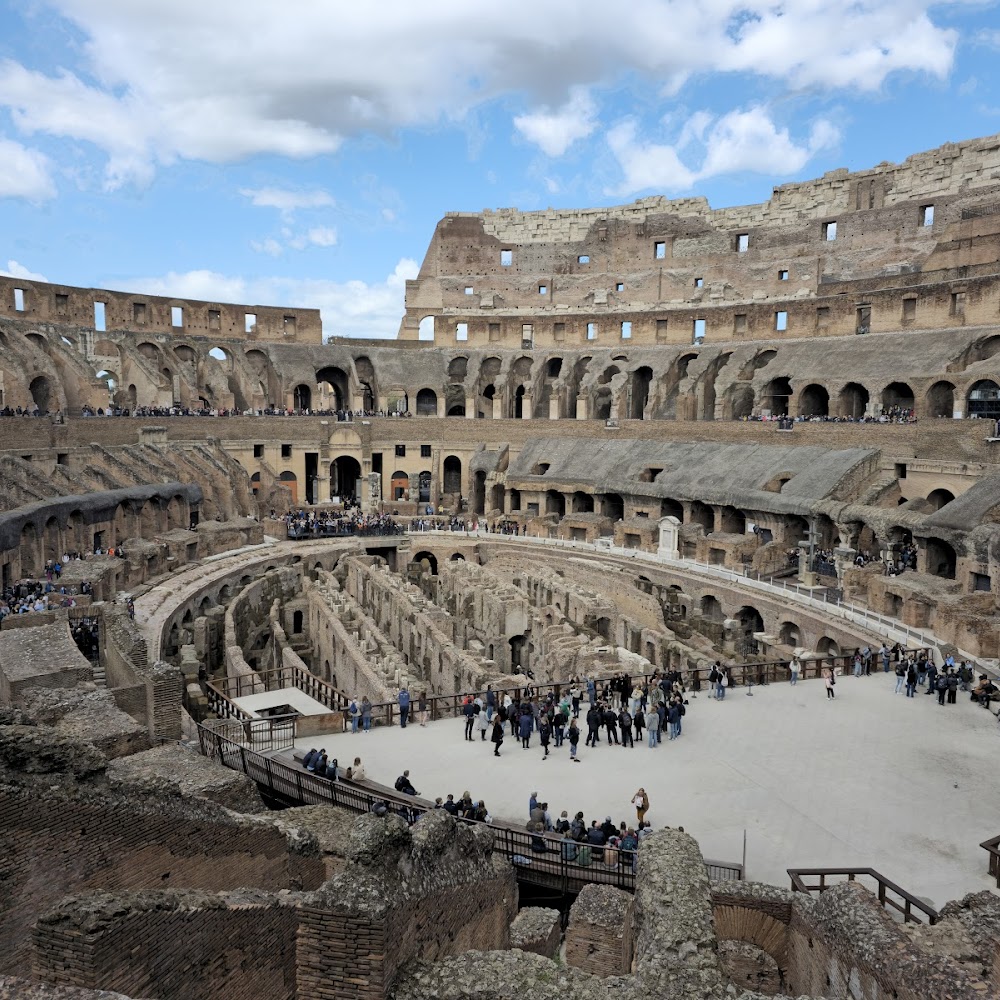
Colosseum & Roman Forum
good walkabilityWalking here feels like stepping through layers of time, with ancient marble columns casting shadows over modern tourists. The air buzzes with anticipation and the weight of 2,000 years of history pressing down on every cobblestone.
Known for: The iconic Colosseum and sprawling Roman Forum ruins
Local tip: Enter through the lesser-known Palatine Hill entrance to skip Colosseum crowds and get the same combo ticket
Transit: Colosseo Metro Station (Line B)
Best time: early morning
Not stroller-friendly
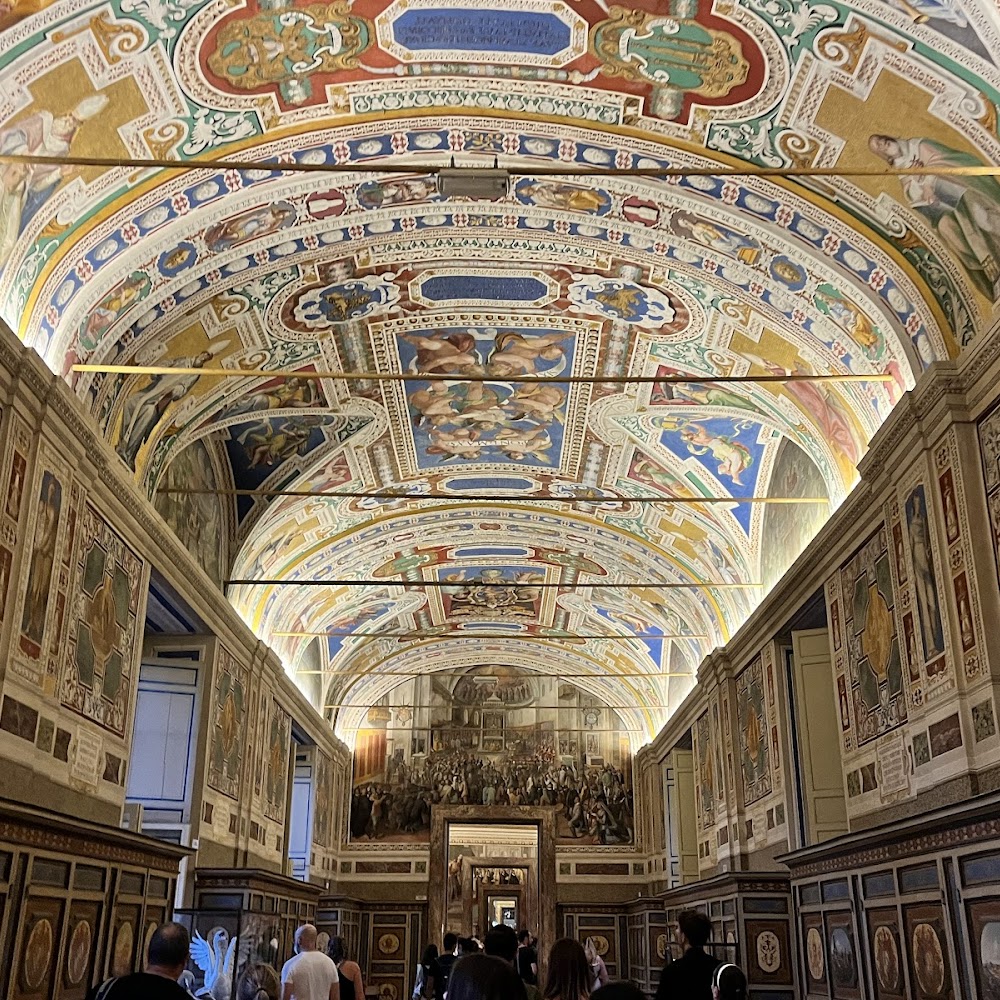
Vatican City
excellent walkabilityThe atmosphere shifts the moment you cross into the world's smallest country - suddenly everything feels more hushed and reverent, even as crowds surge around Bernini's colonnade. Street vendors hawk rosaries while pilgrims clutch tickets and guidebooks.
Known for: St. Peter's Basilica, Vatican Museums, and Sistine Chapel
Local tip: Romans visit St. Peter's for free Wednesday morning papal audiences - much more authentic than paid tours
Transit: Ottaviano Metro Station (Line A), 5-minute walk
Best time: early morning
Monti
excellent walkabilityThis bohemian neighborhood feels like Rome's creative heart, where vintage boutiques and craft beer bars occupy medieval buildings. The narrow streets have an intimate, village-like quality that makes you forget you're in a major capital.
Known for: Hip restaurants, vintage shopping, and authentic Roman nightlife
Local tip: Locals do aperitivo at Al Tre Scalini before dinner - it's where Romans actually drink, not tourists
Transit: Cavour Metro Station (Line B)
Best time: evening
Duomo & Centro Storico
excellent walkabilityEvery corner reveals a Renaissance masterpiece, from Brunelleschi's dome looming overhead to hidden frescoes peeking from church doorways. The streets pulse with art students sketching and tourists craning their necks at architectural marvels.
Known for: Duomo cathedral, Uffizi Gallery, and Ponte Vecchio
Local tip: Florentines climb to San Miniato al Monte at sunset for the best city views - better and free compared to Duomo climbing fees
Transit: All buses converge at Piazza Duomo
Best time: early morning
Not stroller-friendly
Oltrarno
excellent walkabilityCrossing the Arno feels like discovering Florence's secret - here artisans still hammer gold and restore paintings in workshops that have operated for centuries. The atmosphere is more residential and authentic, with locals chatting in doorways.
Known for: Artisan workshops, Pitti Palace, and Santo Spirito market
Local tip: Visit working artisan shops on Via Santo Spirito in the afternoon when craftsmen are actively working - many welcome respectful visitors
Transit: Cross any bridge from centro, or take Bus D to Pitti
Best time: afternoon
San Marco
excellent walkabilityThe grandest drawing room in Europe, where every step echoes off ancient stones and pigeons flutter between Byzantine arches. Despite the crowds, there's an undeniable magic when mist rolls off the lagoon at dawn.
Known for: St. Mark's Square, Basilica, and Doge's Palace
Local tip: Venetians grab coffee standing at Caffè Florian's bar (not the expensive tables) for the same historic atmosphere at local prices
Transit: Vaporetto Lines 1, 2, 4.1, 4.2 to San Marco
Best time: early morning
Not stroller-friendly
Dorsoduro
excellent walkabilityThis student quarter feels refreshingly local, where university kids grab spritz at canal-side bars and laundry hangs between weathered palazzos. The pace is slower here, more contemplative, especially around the art-filled Peggy Guggenheim Collection.
Known for: Peggy Guggenheim Collection, Accademia Gallery, and local nightlife
Local tip: Join locals for evening spritz at Cantinone Già Schiavi - grab cicchetti and sit by the canal like Venetians do
Transit: Vaporetto Line 1 to Accademia or Salute
Best time: evening
Not stroller-friendly
Murano & Burano Islands
excellent walkabilityEach island has its own personality - Murano feels industrious with glowing glass furnaces, while Burano resembles a rainbow-colored fairy tale where fishermen mend nets beside candy-colored houses. The lagoon crossing adds to the adventure.
Known for: Murano glass making and Burano's colorful houses and lace
Local tip: Visit glass workshops on Murano during weekday afternoons when artisans are actually working - weekends many are closed
Transit: Vaporetto Line 12 from Fondamente Nove
Best time: afternoon
What to Eat inItaly
Rome
Eating etiquette
- •Never order cappuccino after 11am - locals drink espresso after meals
- •Don't ask for parmesan on seafood pasta
- •Say 'scusi' to get waiter's attention, never snap fingers
Breakfast
Romans eat standing at bars - cornetto and cappuccino for under €3, never sitting unless you want to pay double
Lunch
Look for 'menu del giorno' at neighborhood trattorias between 12:30-2pm for best value authentic meals around €12-15
Dinner
Dinner starts at 8pm earliest - many restaurants don't open until 7:30pm. Book ahead for popular spots or eat where locals line up
Dishes you can't miss
Perfectly executed with aged Pecorino Romano - this is where Romans go for the real thing
Flavio al Velavevodetto in Testaccio · €12
Family recipe unchanged since 1961, the veal melts in your mouth
Armando al Pantheon · €18
Traditional Roman breakfast pastry with whipped cream, made fresh daily since 1916
Regoli bakery · €3
Street food highlights
Florence
Eating etiquette
- •Bread has no salt in Tuscany - it's meant to soak up sauces
- •Don't order Chianti with fish
- •Florentines are more formal - wait to be seated even at casual places
Breakfast
Florentines prefer schiacciata (flatbread) with prosciutto over cornetti - try it at local panifici (bakeries)
Lunch
Seek out 'rosticcerie' for rotisserie chicken and roasted vegetables - filling lunch for €8-10, popular with working locals
Dinner
Make reservations even for trattorias - Florentines book ahead. Many close Sunday evenings and Monday lunch
Dishes you can't miss
Legendary hole-in-the-wall serving the same T-bone recipe for 150 years
Trattoria Sostanza · €45 (serves 2)
Authentic Tuscan bread soup, no-frills family trattoria since 1953
Trattoria Mario · €8
Florence's beloved tripe sandwich - sounds scary but locals line up daily
Nerbone in Mercato Centrale · €4
Street food highlights
Venice
Eating etiquette
- •Eat cicchetti standing at bar like locals
- •Never eat near St. Mark's Square - prices double for location
- •Venetians eat dinner later than other Italians, around 8:30pm
Breakfast
Venetians grab brioche and cappuccino standing at neighborhood bars - Caffè del Doge roasts their own beans
Lunch
Cicchetti bars serve small plates perfect for lunch - try 3-4 with wine for €15-20, much better value than restaurants
Dinner
Book seafood restaurants ahead - fresh fish arrives daily and popular places sell out. Many close Tuesday/Wednesday
Dishes you can't miss
Sweet and sour sardines - ancient Venetian recipe, this tiny osteria perfects it
Osteria alle Testiere · €16
Squid ink risotto in hidden bacaro that locals guard jealously
Antiche Carampane · €22
Venetian-style liver and onions, sounds humble but incredibly refined here
Osteria Ca' d'Oro · €18
Street food highlights
Getting Between Cities
How to book: Use Trenitalia app or buy at station machines - validate paper tickets before boarding
Platform: Departs from Roma Termini, arrives Firenze Santa Maria Novella - platforms announced 20 minutes before departure
Luggage: Overhead racks fit standard suitcases, larger bags store at car ends - no size restrictions
Pro tip: Right side has better countryside views, avoid seats near bathrooms (car ends)
How to book: Book 1-2 weeks ahead for best prices on Trenitalia or Italo websites
Platform: Florence SMN to Venezia Santa Lucia - final stop, impossible to miss
Luggage: Same as Rome-Florence route, keep valuables with you
Pro tip: Left side after Bologna for glimpses of Venetian lagoon approach
Daily Walking Distances
Packing List
Ancient Roman stones and Venetian bridges are slippery when wet
Required to enter churches in all three cities - covers shoulders
Heavy navigation and photo use, outlets scarce in tourist areas
For water, snacks, and purchases while sightseeing
Intense reflection off Roman marble and Venetian canals
Free fountains throughout Rome, saves money
Many small establishments don't accept cards under €10
Italian weather changes quickly, especially Venice acqua alta
Touching ancient surfaces and crowded transport
Hotels require ID, keep originals secure
Italians dress well for evening meals, especially Florence
Dimly lit churches and museums, better photo lighting
High pollen in Italian spring, dust in old buildings
Skip These
Save your time and money — here's what to skip and what to do instead.
Expensive American food in one of the world's great culinary cities - complete waste
→ Instead:Eat at Da Enzo al 29 in Trastevere for authentic Roman cuisine at half the price
4 hours travel for 30 minutes at an overcrowded tourist trap with one photo opportunity
→ Instead:Explore Siena or San Gimignano for authentic Tuscan hill town experience
€80 for 30 minutes of slow canal travel with tourist-focused commentary
→ Instead:Take vaporetto Line 1 for €7.50 - same Grand Canal views with local transport experience
Triple prices for mediocre food just because of the location
→ Instead:Walk 2 blocks to Da Tonino for excellent Roman dishes at local prices
Long vaporetto ride to an ordinary beach when you're in a unique floating city
→ Instead:Explore Castello neighborhood for authentic Venetian residential life
Frequently Asked Questions
Is 10 days enough for Italy?
Yes, 10 days is perfect for Italy's golden triangle (Rome-Florence-Venice) with 3-4 days per city. This allows time to see major sights without rushing, plus day trips. For a slower pace or more destinations, consider 14 days.
How much does 10 days in Italy cost?
Budget travelers: $150-200/day, Mid-range: $200-300/day, Luxury: $400+/day. Total for mid-range couple: $2400-2800 including accommodation, meals, transport, and activities. Costs higher in Venice, lower in smaller towns.
What is the best month to visit Italy?
April-May and September-October offer ideal weather, fewer crowds, and comfortable temperatures (18-25°C). Avoid July-August for extreme heat and crowds. March and November are shoulder seasons with mixed weather but good value.
Do I need a visa for Italy?
US, UK, Canadian, and Australian citizens need no visa for stays under 90 days. EU citizens can stay indefinitely. Passport must be valid 6+ months beyond travel dates. ETIAS authorization required for US travelers starting 2025.
How do I get between Rome, Florence, and Venice?
High-speed trains (Frecce, Italo) are fastest and most convenient: Rome-Florence (1.5 hours), Florence-Venice (2 hours). Book in advance for best prices. Regional trains are slower but cheaper. Flying domestically isn't worth it.
Should I book attractions in advance?
Yes, for major attractions: Vatican Museums (2+ weeks ahead), Uffizi Gallery (1+ month ahead), Colosseum (1 week ahead). Day-of tickets often available but expect long queues, especially in summer. Many offer skip-the-line options.
Travel Tips forItaly
Validate train tickets before boarding
Regional train tickets must be validated in yellow machines before boarding or face €50+ fines. High-speed trains (Frecce, Italo) with seat reservations don't need validation.
Embrace Italian meal timing
Lunch: 1-3pm, Dinner: 8-10pm. Many restaurants close between meals. Never order cappuccino after 11am - it's considered digestively wrong after meals. Aperitivo hour (6-8pm) often includes free snacks.
Coperto (cover charge) is normal
Most restaurants charge €1-3 per person for bread/table service - it's not a scam. Tipping isn't expected but rounding up or 5-10% for excellent service is appreciated. Many places prefer cash.
Dress codes for religious sites
Cover shoulders and knees for all churches. Carry a light scarf for quick coverage. Vatican enforces this strictly - guards will turn you away. Some sites provide disposable coverings.
Venice requires special planning
No wheels work in historic center - pack light. Expect to get lost - it's part of the charm. Acqua alta (flooding) possible October-January. Book restaurants ahead as good options are limited.
Essential Info
Euro (€) used throughout. Cards widely accepted but carry cash for small vendors, markets, and some restaurants. ATMs common but may charge foreign fees.
Not required but appreciated. Round up for coffee/taxi, 5-10% for good restaurant service. Service charge sometimes included on bill.
TIM, Vodafone, or Wind Tre offer tourist SIM cards. EU citizens can use home plans. eSIM options: Airalo, Holafly for international visitors
More Options inItaly
Places that didn't make the main itinerary but are worth knowing about.
More Activities
More Restaurants
Shopping
Bars & Nightlife
Cafes & Coffee
Explore Each City
Want to spend more time in a specific city? Check out our city-level deep-dive guides.
Related Itineraries
Ready to plan yourItaly trip?
Get this 10-day itinerary in your Yopki trip planner — customize, collaborate, and export to PDF.