


14 Day Vietnam Itinerary
This 14-day Vietnam itinerary takes you from the bustling streets of Ho Chi Minh City through ancient Hoi An to the cultural heart of Hanoi. Experience incredible street food, historic temples, and the stunning Mekong Delta with realistic pacing and local insider tips.
Day-by-Day Itinerary
Route Map
Budget Breakdown
Estimated cost per person for 14 days. Includes accommodation, all meals, local transport, activities, and miscellaneous expenses. Does not include international flights or travel insurance.
| Category | Daily | Total |
|---|---|---|
| accommodation | $33 | $460 |
| food | $32 | $448 |
| transport | $27 | $378 |
| activities | $25 | $350 |
| misc | $12 | $168 |
| Total | $129 | $1804 |
* Budget tier: mid-range. Prices in USD per person.
Money-saving tips:
- Eat at local street stalls - pho costs $2-3 vs $8-10 in tourist restaurants
- Use overnight trains instead of domestic flights to save on both transport and accommodation
- Book tours through your hotel rather than tourist agencies - often 30-40% cheaper
- Bargain at markets but not in restaurants - start at 50% of asking price
- Drink bia hoi (fresh beer) for $0.50 instead of bottled beer for $2-3
When to Go
Comfortable temperatures, lower humidity, and minimal rainfall across all regions
Peak summer heat and humidity, plus monsoon season affects travel
Neighborhood Guide
Get oriented before you arrive — what each area feels like and how to get around.
District 1
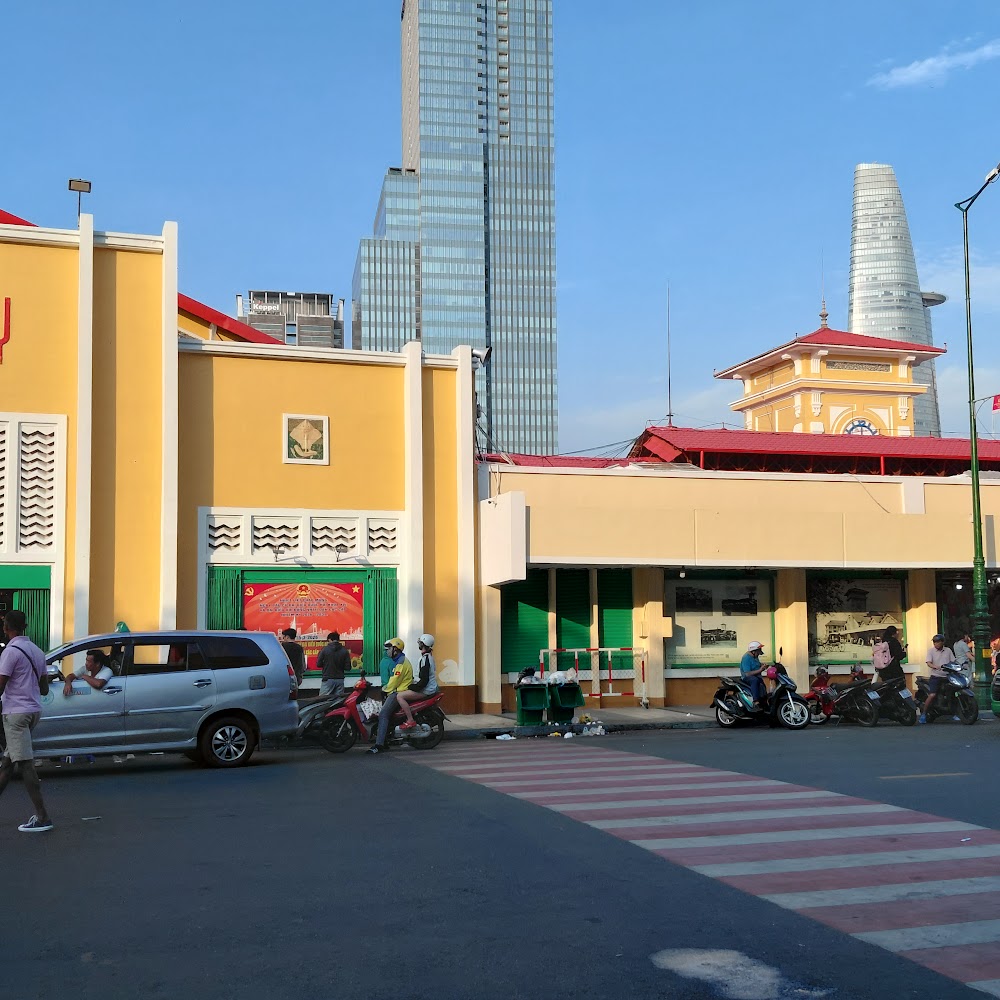
moderate walkabilityMotorbikes weave through narrow streets while vendors call out from sidewalk stalls. The air buzzes with energy and exhaust fumes, creating an intoxicating urban chaos that somehow flows in perfect rhythm.
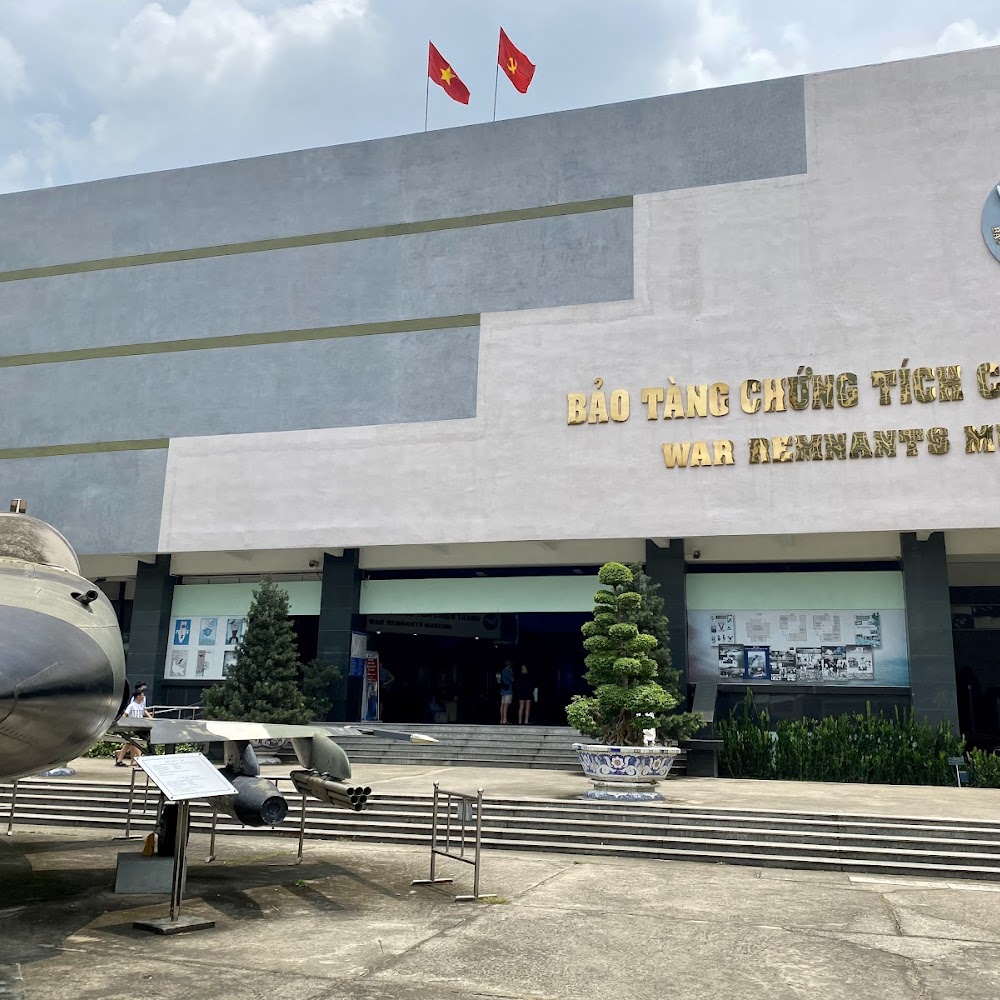
Known for: Colonial architecture, rooftop bars, and the War Remnants Museum
Local tip: Locals eat at plastic stool restaurants on Nguyen Thiep Street after 9pm when office workers finish
Transit: Ben Thanh Market bus terminal - multiple city bus lines
Best time: evening
Not stroller-friendly
Ancient Town
excellent walkabilityYellow silk lanterns cast warm glows over weathered wooden shophouses while the scent of incense drifts from family altars. Every corner whispers stories of merchants and artisans from centuries past.
Known for: Tailor shops, Japanese Covered Bridge, and lantern festivals
Local tip: Shop for groceries at the Central Market early morning (5-7am) when locals buy fresh ingredients
Transit: Walking distance from bus station - no internal transport needed
Best time: early morning or evening
Not stroller-friendly
Imperial City
good walkabilityMassive stone walls and ornate gates create an atmosphere of faded grandeur, where purple bougainvillea creeps over ancient pavilions. The silence feels heavy with imperial history and the ghosts of the Nguyen Dynasty.
Known for: Forbidden Purple City, Royal Tombs, and imperial cuisine
Local tip: Visit Dong Ba Market at dawn (5am) to see locals buying lotus flowers for ancestral altars
Transit: Cycle rickshaws from Hue Railway Station
Best time: early morning
Not stroller-friendly
Old Quarter
excellent walkabilityNarrow medieval streets pulse with the rhythm of street vendors and motorbike horns, while the aroma of pho broth mingles with incense from hidden temples. Each alley reveals another layer of organized chaos that's been perfected over 1000 years.
Known for: 36 ancient guild streets, street food, and weekend night market
Local tip: Join locals for bia hoi (fresh beer) on tiny plastic stools on Ta Hien Street after 5pm
Transit: Hoan Kiem Lake - walking distance to most attractions
Best time: evening
Not stroller-friendly
What to Eat inVietnam
Ho Chi Minh City
Eating etiquette
- •Slurp pho noodles loudly - it's polite
- •Use chopsticks and spoon together
- •Don't tip - round up bill only
- •Share dishes family-style
Breakfast
Locals eat pho or banh mi on plastic stools from 6-8am before work. Find the busiest stall for best quality.
Lunch
Com tam (broken rice) restaurants serve huge portions for $2-3. Look for places with no English menus.
Dinner
Eat early (6-8pm) when food is freshest. Many street stalls close by 9pm.
Dishes you can't miss
50-year-old family recipe with perfectly clear broth
Pho Le on Le Thanh Ton Street · $2-3
Legendary pate and cold cuts combination since 1958
Banh Mi Huynh Hoa · $1.50
Street food highlights
Hoi An
Eating etiquette
- •Try local specialties found nowhere else in Vietnam
- •Eat cao lau only in Hoi An - authentic version uses local well water
- •Many restaurants close 2-4pm for siesta
Breakfast
Start with banh mi at local stalls (not tourist shops) around 7am when bread is fresh from ovens.
Lunch
Hidden local restaurants in residential areas serve better food than Ancient Town tourist spots for half the price.
Dinner
Book cooking classes early - they often include market tours and are better value than restaurants.
Dishes you can't miss
Only authentic in Hoi An due to special water and noodles
Thanh Restaurant on Ba Trieu · $3-4
Secret family recipe known by only one family in Hoi An
White Rose Restaurant · $4-5
Street food highlights
Hue
Eating etiquette
- •Hue cuisine is sophisticated - small portions, complex flavors
- •Try royal cuisine but also street food versions
- •Many dishes are very spicy by Vietnamese standards
Breakfast
Bun bo Hue for breakfast is a local tradition - spicy noodle soup with pork and beef.
Lunch
Com hen (baby clam rice) is the local specialty lunch - find stalls near Perfume River.
Dinner
Royal cuisine restaurants offer elaborate presentations of imperial dishes but street versions taste similar for less.
Dishes you can't miss
Original spicy noodle soup recipe from imperial kitchens
Dong Ba Market stalls · $2-3
Crispy pancake unique to Hue with special dipping sauce
Lac Thien Restaurant · $3-4
Street food highlights
Hanoi
Eating etiquette
- •Sit on tiny plastic stools - part of the experience
- •Pho is breakfast food, not dinner
- •Bia hoi (fresh beer) is social drinking culture
- •Don't use chopsticks for rice - use spoon
Breakfast
Pho at 6am with locals before work. Each neighborhood has its famous pho stall - ask locals for their favorite.
Lunch
Bun cha (grilled pork with noodles) is Hanoi's signature lunch. Obama ate it at Bun Cha Huong Lien.
Dinner
Street food crawl in Old Quarter. Start with bia hoi, then move between stalls sampling different dishes.
Dishes you can't miss
Best chicken pho in Hanoi - clear broth perfected over decades
Pho Ga Tien on Lo Su Street · $2-3
Original Hanoi specialty - grilled pork with fresh herbs and dipping sauce
Bun Cha Dac Kim · $3-4
Street food highlights
Getting Between Cities
How to book: Book flight online in advance. Airport bus to Hoi An leaves every 30min outside arrivals.
Platform: Sit left side of plane for coastal views. At Danang airport, exit and look for yellow buses marked 'Hoi An'
Luggage: 7kg carry-on limit strictly enforced. Check bags if over limit.
Pro tip: Left side window seat for Mekong Delta and coastline views
How to book: Book through hotel or Sinh Tourist office in Hoi An Ancient Town
Platform: Bus pickup from hotel included. Stops at Hai Van Pass for photos.
Luggage: Store large bags underneath bus. Keep valuables with you.
Pro tip: Right side for ocean views over Hai Van Pass
How to book: Book online at dsvn.vn or at Hue Railway Station. Book 2-3 days ahead for sleeper berths.
Platform: Train departs 7:30pm, arrives 8am. Platform 1 for northbound trains.
Luggage: Store bags under lower berths. Bring lock for security.
Pro tip: Soft sleeper 4-berth compartment. Lower berth more convenient.
Daily Walking Distances
Packing List
Daily afternoon rains and motorbike travel - umbrellas useless
Mekong Delta and Ha Long Bay have aggressive mosquitoes
Many temples require covered feet - sandals not allowed
Temple dress codes and protection from motorbike exhaust burns
Long travel days and inconsistent electricity in rural areas
Mix of European and American outlets, need multiple device charging
Street food adjustment period - even careful eaters get stomach issues
Many places prefer USD, need small bills for tips and rural areas
Temple covering, sun protection, overnight train warmth
Ha Long Bay boat trips and motorbike travel in rain
Street food eating and limited bathroom facilities
Intense tropical sun, especially on water and motorcycles
Temple visits require shoe removal - protect from theft/dirt
Combat dehydration from heat, humidity, and spicy food
Skip These
Save your time and money — here's what to skip and what to do instead.
Overcrowded with tour groups, loses spiritual atmosphere, long queues for photos
→ Instead:Visit Cao Dai Temple in Tay Ninh for authentic religious ceremony at noon - far more meaningful
Outdated exhibits, poor English explanations, mostly empty rooms with little context
→ Instead:War Remnants Museum provides much better historical context with impactful displays
Tiny bridge, always packed, 20,000 VND fee for 30-second walk across
→ Instead:Walk along Thu Bon River at sunset for beautiful photos without crowds
Overpriced entrance fee, limited historical information, better temples elsewhere
→ Instead:Bach Ma Temple in Old Quarter - free, active local worship, more authentic atmosphere
Mostly wholesale goods, aggressive vendors, nothing unique to Vietnam
→ Instead:Weekend Night Market on Old Quarter streets - better atmosphere, local snacks, fair prices
Frequently Asked Questions
Is 14 days enough for Vietnam?
Yes, 14 days allows you to see the main highlights including Ho Chi Minh City, Hoi An, Hue, and Hanoi with day trips to Mekong Delta and Ha Long Bay. You'll get a good overview but could easily spend more time.
How much does 14 days in Vietnam cost?
Budget travelers can spend $800-1000, mid-range $1500-2000, and luxury $3000+ for 14 days. Food is very affordable ($15-25/day), accommodation ranges from $10-100/night, and domestic transport is reasonable.
What is the best month to visit Vietnam?
March-May and October-November offer the best weather with comfortable temperatures and low rainfall. Avoid June-August due to extreme heat and monsoon rains, especially in the south.
Do I need a visa for Vietnam?
US citizens need a visa or e-visa for stays over 45 days. UK, French, German citizens get 45 days visa-free. Check current requirements as policies change frequently. E-visa costs $25 and takes 3 days to process.
Is Vietnam safe for solo travelers?
Vietnam is generally very safe for solo travelers including women. Use common sense in cities, watch for motorbike pickpockets, and book reputable tours. Locals are helpful and tourist infrastructure is well-developed.
What should I pack for Vietnam?
Light, breathable clothing, comfortable walking shoes, rain jacket, sunscreen, insect repellent, and modest clothing for temples (covering shoulders and knees). Bring adapter for Type A, C, and G plugs.
Travel Tips forVietnam
Book trains in advance
Overnight trains between cities fill up quickly, especially sleeper compartments. Book 3-5 days ahead through hotels or online. Soft sleeper is worth the extra cost for comfort.
Street food safety
Choose busy stalls with high turnover. Avoid pre-cut fruit and ice in rural areas. Bottled water is cheap and widely available. Vietnamese coffee is safe and excellent everywhere.
Cash is king
Many places only accept cash, especially street food and local transport. ATMs are everywhere in cities. USD is accepted for tours and some hotels but you'll get better rates paying in VND.
Temple etiquette
Remove shoes before entering temples, cover shoulders and knees, don't point feet toward Buddha statues. Photography often allowed but ask first. Small donations appreciated.
Motorbike safety
Traffic looks chaotic but has its own rhythm. Cross streets slowly and predictably - drivers will navigate around you. Never stop suddenly. Rent motorbikes only if experienced.
Weather preparation
Always carry a light rain jacket - sudden downpours are common. Hot season (May-August) requires sun protection and lots of water. Northern cities can be chilly in winter.
Essential Info
Vietnamese Dong (VND) is the local currency. USD widely accepted for tours and hotels. ATMs everywhere in cities, cards accepted at upscale places. Always carry some cash for street food and local transport.
Tipping not expected but appreciated. Round up for street food, 5-10% at restaurants, $2-5/day for tour guides. Hotel porters $1-2. Bargaining expected at markets but not restaurants.
Viettel or Vinaphone SIM cards available at airports. Data plans start at $5 for 5GB. Most hotels and cafes have free WiFi.
More Options inVietnam
Places that didn't make the main itinerary but are worth knowing about.
More Activities
More Restaurants
Cafes & Coffee
Shopping
Bars & Nightlife
Explore Each City
Want to spend more time in a specific city? Check out our city-level deep-dive guides.
Related Itineraries
Ready to plan yourVietnam trip?
Get this 14-day itinerary in your Yopki trip planner — customize, collaborate, and export to PDF.