2-Day Washington DC Itinerary: Museums, Monuments & Neighborhoods (2026)
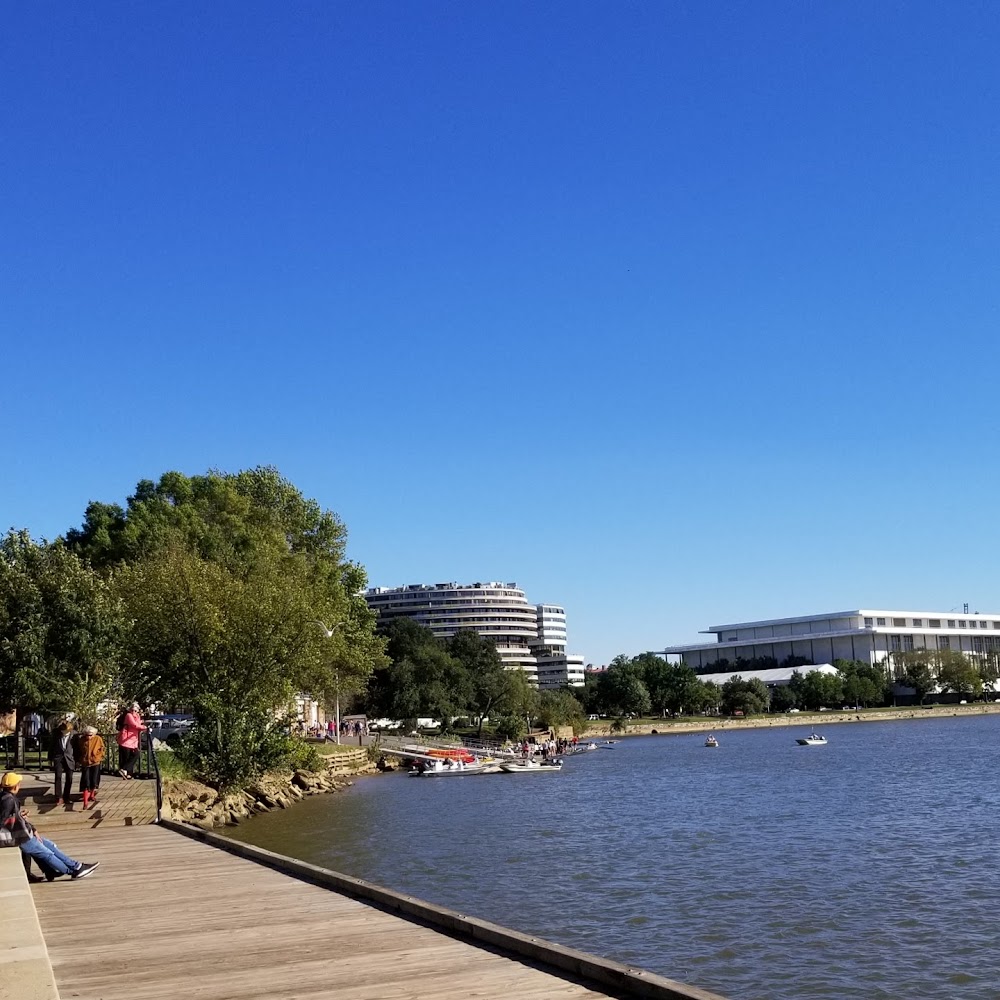
Two days in Washington DC gives you enough time to see the iconic monuments, explore world-class Smithsonian museums, and experience the city's diverse neighborhoods. This guide takes you from the National Mall's grandeur to Georgetown's cobblestone charm.
Day-by-Day Itinerary
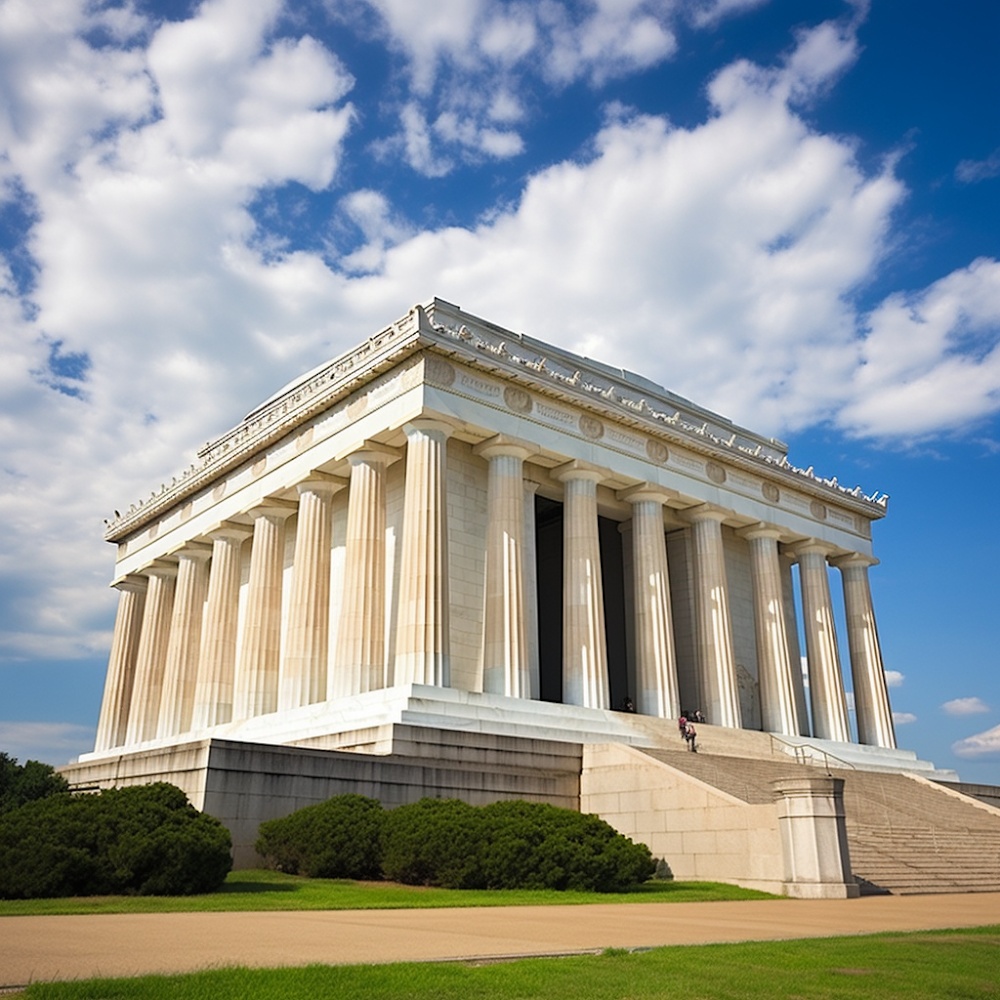
Start your DC journey at the heart of American democracy with iconic monuments and world-renowned Smithsonian museums. Walk the National Mall from the Capitol to the Lincoln Memorial, experiencing the grandeur of the nation's capital.
Pro tip: The National Mall is 2+ miles long — pace yourself and wear comfortable shoes
Route Map
Budget Breakdown
Estimated cost per person for 2 days. Includes accommodation, all meals, local transport, activities, and miscellaneous expenses. Does not include international flights or travel insurance.
| Category | Daily | Total |
|---|---|---|
| accommodation | $120 | $240 |
| food | $68 | $136 |
| transport | $6 | $12 |
| activities | $0 | $0 |
| misc | $20 | $40 |
| Total | $214 | $428 |
* Budget tier: mid-range. Prices in USD per person.
Money-saving tips:
- Most Smithsonian museums and monuments are completely free
- Buy a 7-day Metro pass for $38 if staying longer than 3 days
- Happy hour deals are common 4-6pm at most restaurants
- Many food trucks near the Mall offer $8-12 meals
- Free events at Kennedy Center Millennium Stage daily at 6pm
See detailed United States budget guide with calculator →
Daily costs, tipping, and trip calculator
When to Go
Cherry blossom season (late March-April), perfect weather for walking the Mall, fewer crowds than summer
Sweltering heat and humidity, peak tourist crowds, many locals leave the city
Neighborhood Guide
Get oriented before you arrive — what each area feels like and how to get around.
National Mall
excellent walkabilityWide open spaces punctuated by white marble monuments and world-class museums. Feels like walking through the heart of American democracy with tour groups, school children, and joggers sharing the same paths.
Known for: Smithsonian museums, Lincoln Memorial, Washington Monument, and the iconic view from Capitol to Potomac River
Local tip: Start early (8am) to beat crowds at popular museums, and bring water - there are fewer food options than you'd expect for such a major tourist area
Transit: Smithsonian Metro (Blue/Orange/Silver lines), L'Enfant Plaza
Best time: morning
Georgetown
excellent walkabilityCobblestone streets lined with Federal-era townhouses, upscale boutiques, and sidewalk cafes. Feels like a wealthy college town with students mixing with well-dressed professionals and tourists browsing waterfront shops.
Known for: Historic architecture, high-end shopping on M Street, Georgetown University, and Potomac riverfront
Local tip: No Metro station means bus connections take extra time - many locals walk from Foggy Bottom station (15 minutes) rather than wait for buses
Transit: DC Circulator bus, walk from Foggy Bottom Metro
Best time: afternoon
Not stroller-friendly
U Street Corridor
excellent walkabilityHistoric jazz district reborn as a diverse nightlife and dining scene. Mix of trendy bars, Ethiopian restaurants, vintage shops, and murals celebrating the area's African American heritage.
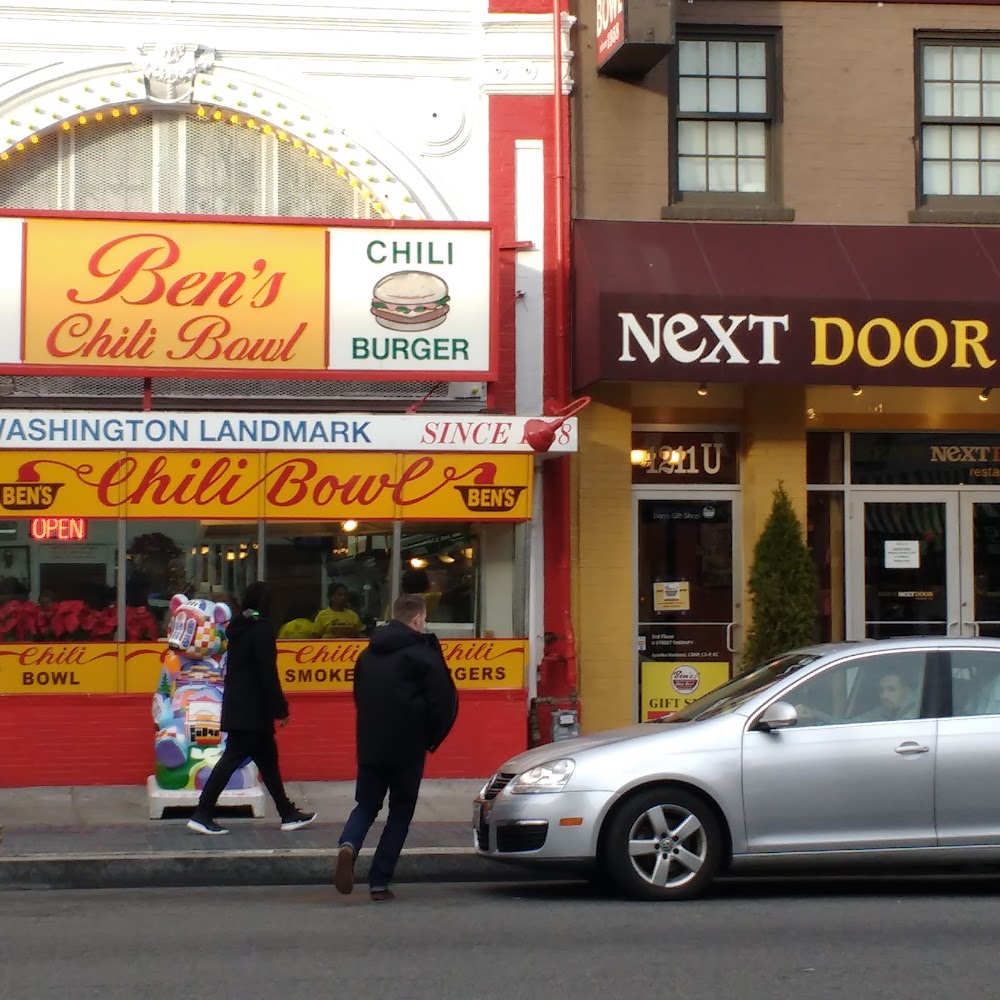
Known for: Ben's Chili Bowl, Ethiopian restaurants, live music venues, and jazz history
Local tip: The corridor comes alive at night - many restaurants and bars don't hit their stride until 8pm
Transit: U Street Metro (Green/Yellow lines)
Best time: evening
Dupont Circle
excellent walkabilityTree-lined streets radiating from a central circle, filled with embassies, bookshops, cafes, and diverse restaurants. Feels intellectual and international with a strong local resident community.
Known for: Embassy Row, independent bookstores, farmers market, and late-night dining
Local tip: Sunday farmers market (9am-1pm) is excellent for local produce and people-watching
Transit: Dupont Circle Metro (Red line)
Best time: anytime
What to Eat inWashington DC
Eating etiquette
- •Tipping 18-20% is expected at sit-down restaurants
- •Many government workers eat lunch early (11:30am-12:30pm)
- •Happy hours typically 4-6pm with good drink and food deals
Breakfast
Coffee culture is strong with local chains like Compass Coffee competing with Starbucks. Many locals grab breakfast sandwiches from food trucks or hotel lobbies.
Lunch
Food trucks near federal buildings offer $8-12 meals. Museum cafeterias are convenient but pricey. Lunch specials at ethnic restaurants (especially Ethiopian) offer best value.
Dinner
Reservations recommended for upscale Georgetown restaurants. Many neighborhoods have BYOB options. Government workers often eat early (6-7pm) creating two dinner rushes.
Dishes you can't miss
DC's signature spicy sausage, a local tradition since 1958
Ben's Chili Bowl (U Street) · $8-12
DC has the largest Ethiopian population outside Ethiopia
Dukem or Etete (U Street) · $15-22
Chesapeake Bay proximity means excellent local seafood
Phillips Seafood or Hank's Oyster Bar · $24-32
Sweet and tangy sauce unique to DC-area Chinese carryouts
Any local carryout · $8-15
Regional seasoning blend appears on fries, seafood, even cocktail rims
Any seafood restaurant · varies
Street food highlights
Daily Walking Distances
Packing List
National Mall is 2+ miles of concrete and marble with limited seating
You'll use maps and camera constantly, Metro stations don't always have charging
Government buildings are heavily air-conditioned even in summer
Required for all government building tours including Capitol and White House area
Limited water fountains on National Mall, staying hydrated is crucial for all the walking
Skip These
Save your time and money — here's what to skip and what to do instead.
Currently requires timed entry tickets and the elevator experience is brief for the wait time
→ Instead:Climb the steps at Lincoln Memorial for better city views and no tickets required
Extremely overpriced with items available cheaper elsewhere
→ Instead:Browse Union Market or Eastern Market for unique local crafts and food
Overpriced mediocre food targeting tourists near White House
→ Instead:Walk 3 blocks to Penn Quarter for much better dining options
Expensive wax museum in a city full of world-class free museums
→ Instead:Spend time at National Portrait Gallery which has real presidential artifacts
Frequently Asked Questions
Is 2 days enough for Washington DC?
Yes, 2 days covers the essential monuments and 2-3 major Smithsonian museums. You'll see the Capitol, Lincoln Memorial, and get a taste of neighborhoods like Georgetown. However, with more time you could explore all 19 Smithsonian museums, visit Arlington Cemetery, and experience more diverse neighborhoods.
Where should I stay in Washington DC?
Stay near Metro stations in Dupont Circle (walkable, restaurants), Capitol Hill (close to attractions), or Downtown/Penn Quarter (central). Avoid staying in Georgetown unless you don't mind bus commutes since there's no Metro station there.
How much does 2 days in Washington DC cost?
Budget: $200-300 total (hostels, food courts, free museums). Mid-range: $400-500 total (decent hotels, mix of restaurants). Luxury: $800+ total (upscale hotels, fine dining). Most major attractions are free which keeps costs lower than other major cities.
What should I not miss in Washington DC?
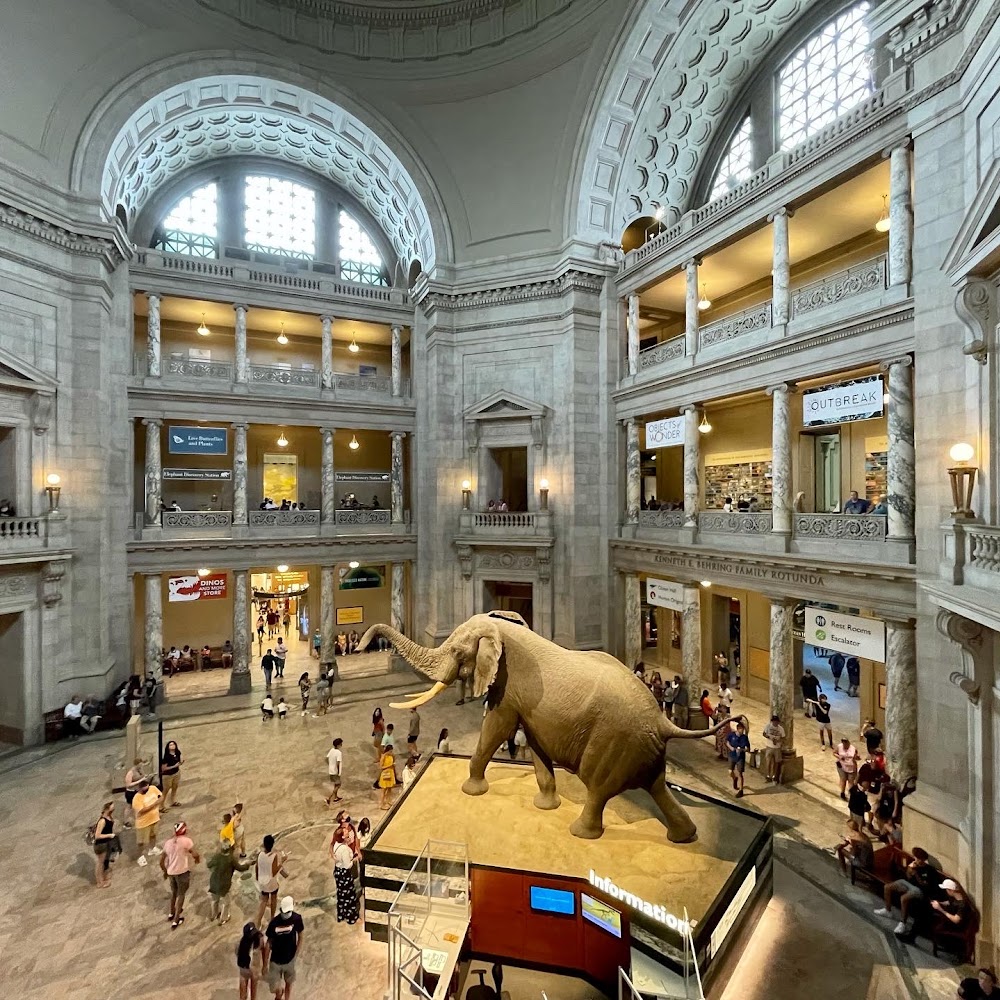
Lincoln Memorial at sunset, National Museum of Natural History (dinosaurs and Hope Diamond), U.S. Capitol tour (book ahead), walking the full National Mall, and trying a half-smoke at Ben's Chili Bowl. These experiences capture DC's mix of history, culture, and local flavor.
What's the best time to visit Washington DC?
Late March to May for cherry blossoms and perfect weather, or September-October for fall colors and fewer crowds. Avoid July-August due to oppressive heat and peak tourist season. Winter can be pleasant for museums but prepare for cold outdoor monument visits.
Travel Tips forWashington DC
Metro System Mastery
Buy a SmarTrip card at any station for $2 plus fare. Peak hours (weekdays 5-9:30am, 3-7pm) cost more. Red Line connects most major tourist areas. Georgetown requires bus connection since there's no Metro station.
Free Museum Strategy
All Smithsonian museums are free but some special exhibits charge fees. Avoid museum gift shops which are overpriced. Food trucks near the Mall offer better value than museum cafeterias.
Security Expectations
Bring photo ID for all government buildings. No large bags allowed in most museums and monuments. Many buildings have airport-style security screening. Capitol tours require advance booking with ID verification.
Local Eating Habits
Half-smoke (DC's signature sausage) is best at Ben's Chili Bowl. Ethiopian food on U Street reflects DC's large Ethiopian population. Government workers eat lunch early (11:30am-12:30pm) so avoid crowds by eating later.
Walking the Mall
The National Mall is 2+ miles from Capitol to Lincoln Memorial. Most people underestimate walking distances and time. Comfortable shoes are essential. Free trolley during peak season connects major monuments.
Essential Info
Credit cards accepted everywhere. ATMs widely available. Tipping 18-20% expected at restaurants. No need to carry large amounts of cash.
Restaurants: 18-20%, bars: $1-2 per drink, taxis: 15-20%, hotel housekeeping: $2-5 per night
T-Mobile or Verizon prepaid plans, or international eSIM like Airalo for tourists
More Options inWashington DC
Places that didn't make the main itinerary but are worth knowing about.
More Restaurants
More Activities
Shopping
Bars & Nightlife
Planning a full United States trip?
Our United States itineraries cover Washington DC and more — with multi-city routes, transit guides, and full budget breakdowns.
Related Itineraries
Ready to plan yourWashington DC trip?
Get this 2-day itinerary in your Yopki trip planner — customize, collaborate, and export to PDF.