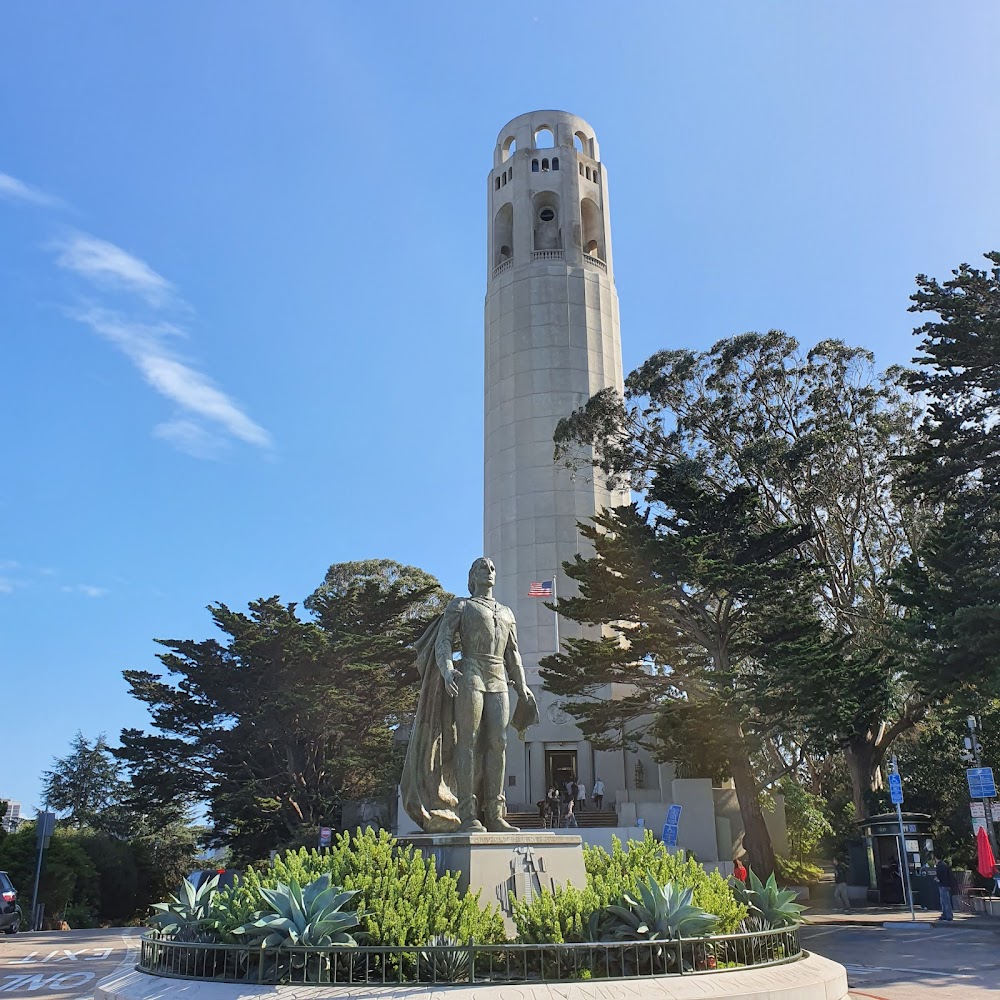
3-Day San Francisco Itinerary: Neighborhoods, Hills & Golden Gate Views (2026)
San Francisco packs incredible diversity into 49 square miles. This 3-day guide takes you from historic cable cars in Nob Hill to Mission District murals, Golden Gate Park to Chinatown dim sum, covering the city's most iconic neighborhoods without the tourist trap mistakes.
Day-by-Day Itinerary
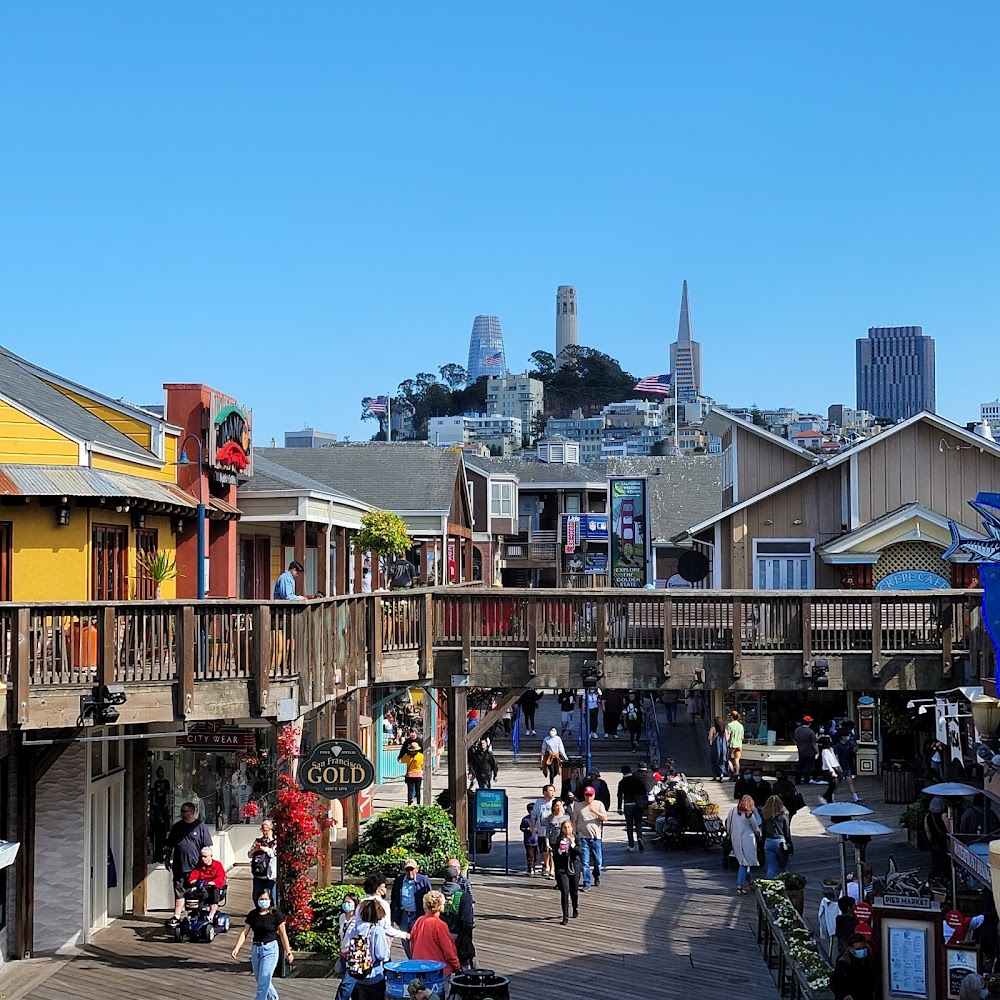
Start with San Francisco's most famous waterfront attractions before diving into the Italian soul of North Beach. Cable cars, sea lions, and authentic focaccia make this the perfect introduction to the city's character.
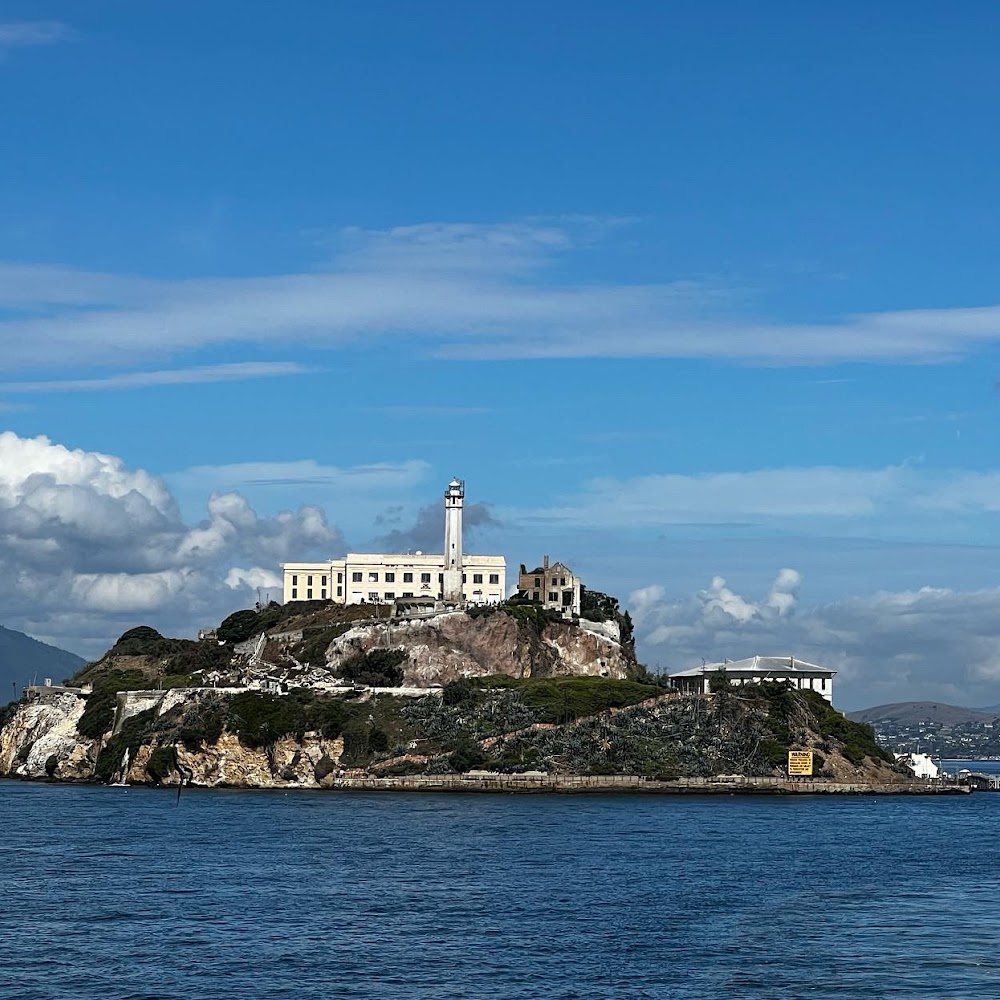
Pro tip: North Beach gets crowded afternoons/evenings. Do Alcatraz midday when Pier 39 is busiest. Carry layers - waterfront is always windier and colder than inland.
Route Map
Budget Breakdown
Estimated cost per person for 3 days. Includes accommodation, all meals, local transport, activities, and miscellaneous expenses. Does not include international flights or travel insurance.
| Category | Daily | Total |
|---|---|---|
| accommodation | $85 | $255 |
| food | $110 | $331 |
| transport | $7 | $21 |
| activities | $18 | $55 |
| misc | $20 | $60 |
| Total | $240 | $722 |
* Budget tier: mid-range. Prices in USD per person.
Money-saving tips:
- Buy a 3-day MUNI pass for $35 instead of daily tickets
- Pack a lunch for Golden Gate Bridge day - food options there are limited and expensive
- Happy hour dim sum (after 3pm) is often discounted 20-30%
- Many museums have free first-Tuesday-of-month for SF residents, but verify current policies
- Walk instead of cable cars when possible - they're $8 per ride and often crowded
See detailed United States budget guide with calculator →
Daily costs, tipping, and trip calculator
When to Go
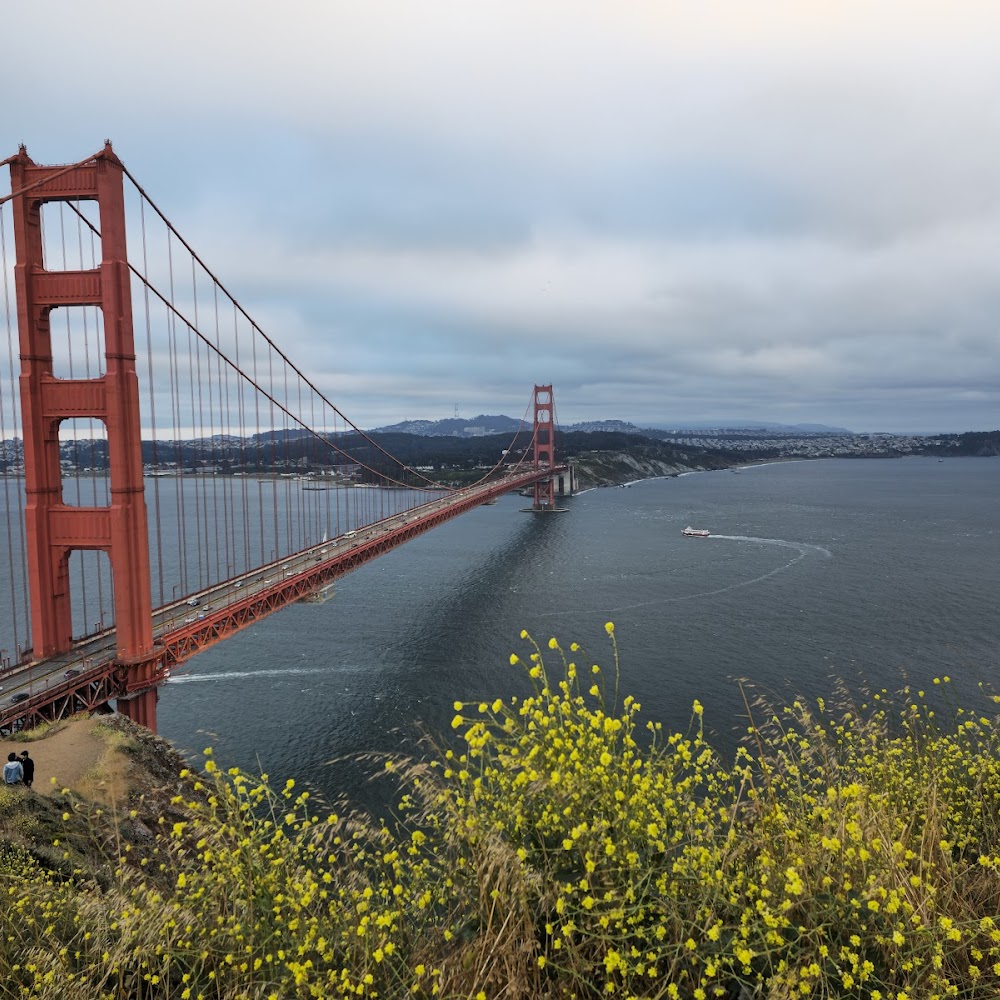
Clear skies, warm weather, less fog covering Golden Gate Bridge
Summer fog can obscure Golden Gate Bridge for days; locals call it 'June Gloom' through August
Neighborhood Guide
Get oriented before you arrive — what each area feels like and how to get around.
Fisherman's Wharf
excellent walkabilityTouristy waterfront with sea lions barking, street performers juggling, and the smell of sourdough and seafood mixing in salty air. Crowded but undeniably fun with panoramic bay views.
Known for: Pier 39 sea lions, Alcatraz ferry departure, sourdough bread bowls, tourist shops
Local tip: Locals avoid the restaurants here but love watching the sea lions and bringing visiting family to see the touristy side.
Transit: Multiple Muni bus lines, historic streetcar F-line
Best time: morning
North Beach
excellent walkabilityFeels like a village within the city with narrow streets, Italian cafes where old men play chess, and the aroma of fresh focaccia from bakeries. Beat Generation history lives on every corner.
Known for: Italian restaurants, City Lights Bookstore, Beat Generation history, Washington Square Park
Local tip: Locals still frequent the old Italian cafes like Caffe Trieste for espresso and neighborhood gossip, not the tourist trap restaurants on Columbus Ave.
Transit: Multiple Muni bus lines, walkable from downtown
Best time: anytime
Not stroller-friendly
Mission District
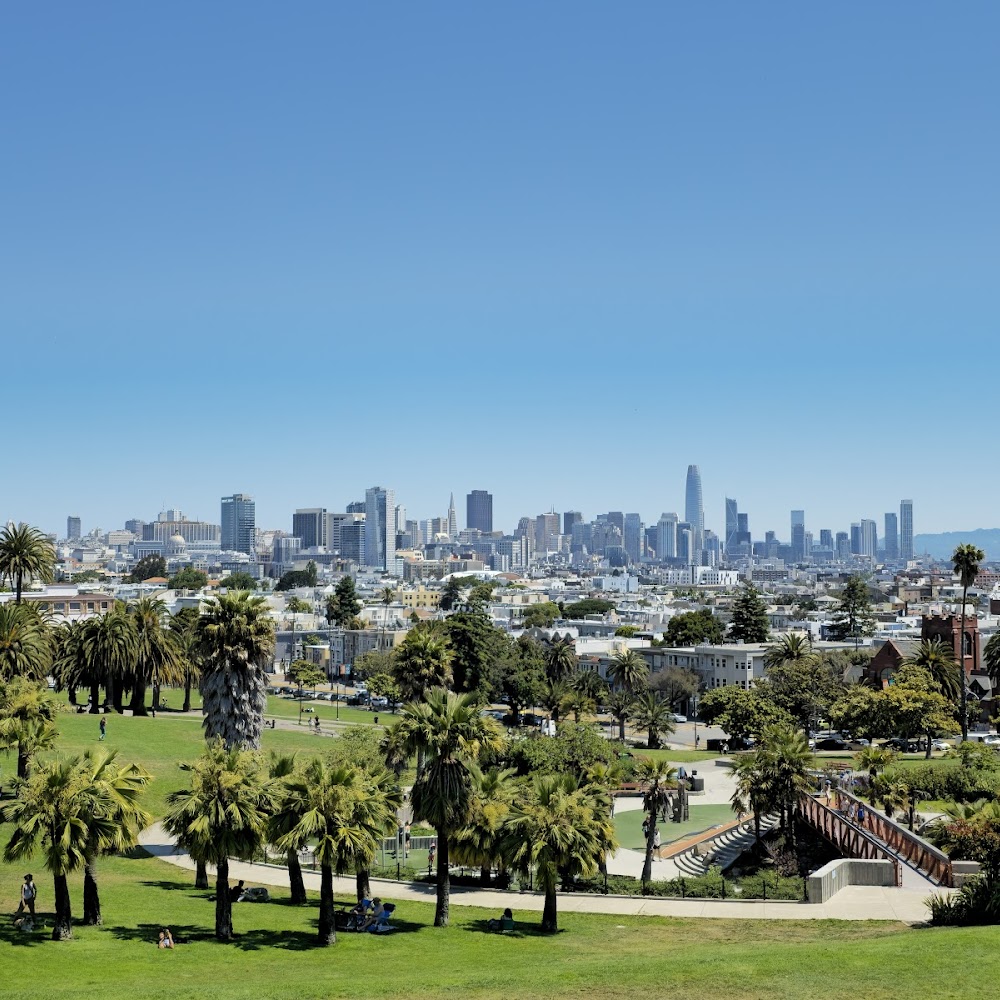
excellent walkabilityVibrant Latino culture with colorful murals on every alley, the sound of Spanish conversations and cumbia music, food trucks on every corner, and a young creative energy that makes it feel alive 24/7.
Known for: Street murals, Mission burritos, Latin culture, nightlife, hipster scene
Local tip: The real culture is on side streets like 24th Street and in the muraled alleys, not just Valencia Street which has gotten touristy.
Transit: BART 16th Street and 24th Street stations
Best time: afternoon
Castro
excellent walkabilityRainbow flags flutter from Victorian houses, same-sex couples hold hands without a second thought, and there's a strong sense of community and pride that makes everyone feel welcome regardless of identity.
Known for: LGBTQ+ history, Harvey Milk legacy, Castro Theatre, progressive culture
Local tip: Visit on Sunday afternoons when locals are out socializing at cafes and the neighborhood feels most alive and community-oriented.
Transit: Muni Metro Castro Street station
Best time: afternoon
Chinatown
excellent walkabilityStepping through the dragon gate feels like entering another country - elderly Chinese men play xiangqi on folding tables, herb shops display mysterious remedies, and the clatter of Cantonese conversations fills narrow alleys.
Known for: Dim sum restaurants, traditional medicine shops, temples, Chinese culture
Local tip: Shop at the markets on Stockton Street where locals actually buy groceries - prices are much better than the tourist shops on Grant Avenue.
Transit: Multiple Muni bus lines, California cable car
Best time: morning
Not stroller-friendly
What to Eat inSan Francisco
Eating etiquette
- •Tipping 18-22% is standard at sit-down restaurants
- •Many places are casual - don't overdress
- •Reservations essential at popular spots, especially weekends
Breakfast
Coffee culture is serious - Blue Bottle, Ritual, and Philz originated here. Locals grab pastries from neighborhood bakeries rather than sit-down breakfast.
Lunch
Food trucks and casual spots offer the best value. Many upscale restaurants have lunch specials 30-40% cheaper than dinner. Dim sum is traditionally a lunch affair.
Dinner
Dinner starts around 6:30-7pm. Popular restaurants book up fast - reserve a week ahead. BYOB is uncommon; corkage fees run $15-25.
Dishes you can't miss
SF invented this style - no rice, perfectly wrapped, authentic flavors
La Taqueria or Taqueria Cancun · $12-15
Local crab in season (Nov-June) is sweet and meaty, best in the world
Swan Oyster Depot or Scoma's · $35-45
SF sourdough starter dates to Gold Rush era, tangy flavor unique to the city
Boudin Bakery or Tartine · $6-12
Authentic Cantonese style with cart service and fresh bamboo steamers
Hong Kong Lounge II or Yank Sing · $25-40
Italian-American fisherman's stew invented in SF, loaded with local seafood
Scoma's or Alioto's · $32-38
Invented here in 1952, perfect balance of coffee, whiskey, sugar, and cream
Buena Vista Cafe · $8
SF diner classic - scrambled eggs with ground beef and spinach, comfort food perfection
Original Joe's · $16
Actually invented in SF, not China - watch them made by hand in Chinatown
Golden Gate Fortune Cookie Factory · $3-5
Street food highlights
Daily Walking Distances
Packing List
SF is cold year-round with sudden temperature drops from fog, even in summer
Steep hills and lots of walking on concrete sidewalks
Temperature varies 20°F between neighborhoods due to microclimates
For carrying layers as weather changes throughout the day
MUNI transit requires payment via card or mobile app
Bright sun when fog clears, especially during Golden Hour
Skip These
Save your time and money — here's what to skip and what to do instead.
Overpriced tourist traps with mediocre food and long waits
→ Instead:Walk to nearby North Beach for authentic Italian restaurants with better food and prices
Bumper-to-bumper traffic, impossible parking, and you see nothing from inside a car
→ Instead:Walk down the pedestrian steps for photos and exercise without the frustration
$28 for a small, underwhelming aquarium when the sea lions outside are free and more interesting
→ Instead:Spend time watching the sea lions at Pier 39 and save money for better attractions
45+ minute waits to pay $8 for a slow, crowded ride
→ Instead:Ride early morning or late evening, or use regular MUNI buses that are faster and cheaper
Same chain stores you can find anywhere, expensive prices, and crowded streets
→ Instead:Browse unique shops in Castro, Mission, or North Beach for local finds and better prices
Frequently Asked Questions
Is 3 days enough for San Francisco?
Yes, 3 days covers SF's essential highlights - Golden Gate Bridge, Alcatraz, key neighborhoods, and famous food. You'll miss Napa Valley day trips, extensive museum visits, and deeper neighborhood exploration, but you'll experience the city's character and main attractions. A 5-day trip would add Golden Gate Park museums, Sausalito ferry, and wine country.
Where should I stay in San Francisco?
Union Square offers the best transit connections and walkability to most attractions. Fisherman's Wharf is touristy but convenient for Alcatraz and waterfront. Avoid Tenderloin (unsafe) and Soma south of Market (dead at night). North Beach and Hayes Valley are charming but pricier.
How much does 3 days in San Francisco cost?
Budget: $450 (hostels, food trucks, free activities). Mid-range: $720 (decent hotels, mix of restaurants, main attractions). Luxury: $1,200+ (premium hotels, fine dining, private tours). Transportation is affordable with MUNI passes.
What should I not miss in San Francisco?
Golden Gate Bridge walk, Alcatraz tour, Mission District murals and burritos, dim sum in Chinatown, and cable car ride. These capture SF's natural beauty, history, cultural diversity, and iconic character in ways you can't experience elsewhere.
What's the best time to visit San Francisco?
September-November offers the warmest, clearest weather with minimal fog. Spring (March-May) is pleasant but windier. Avoid July-August when fog often covers the Golden Gate Bridge for days - locals joke that summer starts in October.
Travel Tips forSan Francisco
Master the Hills and Transit
SF has steep hills everywhere. Use MUNI buses for uphill climbs, walk down. The 38 bus runs to Golden Gate Bridge. Cable cars are fun but slow - use them for the experience, not efficient transport. Download Citymapper app for real-time transit.
Avoid Tourist Tax
Skip Pier 39 restaurants (overpriced) for North Beach Italian spots. Buy MUNI 3-day pass ($35) instead of single rides ($3 each). Chinatown has the city's cheapest meals. Happy hour runs 3-6pm at most restaurants with 20-30% off food.
Layer Up Always
SF microclimates change every few blocks. Mission District can be 20°F warmer than the waterfront. Always carry a jacket, even in summer. The fog rolls in fast and drops temperatures 15+ degrees instantly.
Street Smarts
Tenderloin, parts of SOMA south of Market, and Hunters Point should be avoided, especially at night. Don't leave anything visible in cars - break-ins are common. Mission District is safe during day, use caution after 10pm.
Eat Like a Local
Mission burritos beat Chipotle by miles. Sourdough bread isn't just tourist food - locals love it. Dungeness crab season (Nov-June) is when seafood restaurants shine. Coffee culture is serious - Blue Bottle and Philz started here.
Fog Strategy
Check Golden Gate Bridge fog cams before heading out. If fogged in, explore indoor attractions like museums or Chinatown. Fog usually lifts by afternoon, especially in summer. The east side of the city (Mission, Castro) is often 10°F warmer and sunnier.
Essential Info
Credit cards accepted everywhere. Carry some cash for food trucks, street vendors, and tips. ATMs widely available but may charge $3-5 fees.
Restaurants: 18-22% for good service. Bars: $1-2 per drink. Taxis/rideshare: 15-20%. Hotel housekeeping: $3-5 per night.
T-Mobile prepaid or Verizon work best; AT&T has dead zones in hills. eSIM from Airalo costs $15 for 3GB
More Options inSan Francisco
Places that didn't make the main itinerary but are worth knowing about.
More Restaurants
Shopping
More Activities
Bars & Nightlife
Planning a full United States trip?
Our United States itineraries cover San Francisco and more — with multi-city routes, transit guides, and full budget breakdowns.
Related Itineraries
Ready to plan yourSan Francisco trip?
Get this 3-day itinerary in your Yopki trip planner — customize, collaborate, and export to PDF.