
14 Day Thailand Itinerary
Explore Thailand's cultural heart in Bangkok and Chiang Mai, then unwind on pristine southern beaches. This two-week journey balances temple-hopping, street food adventures, and tropical relaxation.
Day-by-Day Itinerary
Route Map
Budget Breakdown
Estimated cost per person for 14 days. Includes accommodation, all meals, local transport, activities, and miscellaneous expenses. Does not include international flights or travel insurance.
| Category | Daily | Total |
|---|---|---|
| accommodation | $48 | $672 |
| food | $30 | $420 |
| transport | $25 | $350 |
| activities | $20 | $280 |
| misc | $10 | $140 |
| Total | $133 | $1862 |
* Budget tier: mid-range. Prices in USD per person.
Money-saving tips:
- Eat at local markets and street stalls - 50-80฿ meals vs 200-400฿ at tourist restaurants
- Use songthaews (red trucks) instead of taxis - 20-40฿ vs 100-200฿
- Book flights and hotels directly, not through tour agencies - saves 20-30%
- Buy sim card at 7-Eleven instead of airport - 299฿ vs 800฿ for tourist packages
- Temple entry fees are usually 20-100฿ - don't pay inflated prices to touts outside
When to Go
Cool, dry season with perfect weather for temples and beaches. Clear skies, low humidity.
Peak monsoon season with heavy rainfall, rough seas, and many boat tours canceled.
Neighborhood Guide
Get oriented before you arrive — what each area feels like and how to get around.
Khao San Road
good walkabilityNeon lights bounce off puddles of spilled beer while tuk-tuks honk through crowds of backpackers and locals selling everything from pad thai to fake IDs. The energy is chaotic but infectious, with a constant soundtrack of street vendors shouting and music spilling from open-air bars.
Known for: Backpacker central with budget accommodations, street food, and nightlife
Local tip: Locals eat at the small soi (side streets) off Khao San where prices drop by 50% and quality improves dramatically
Transit: No BTS/MRT - take taxi or bus to Democracy Monument then walk 5 minutes
Best time: evening
Not stroller-friendly
Rattanakosin Island
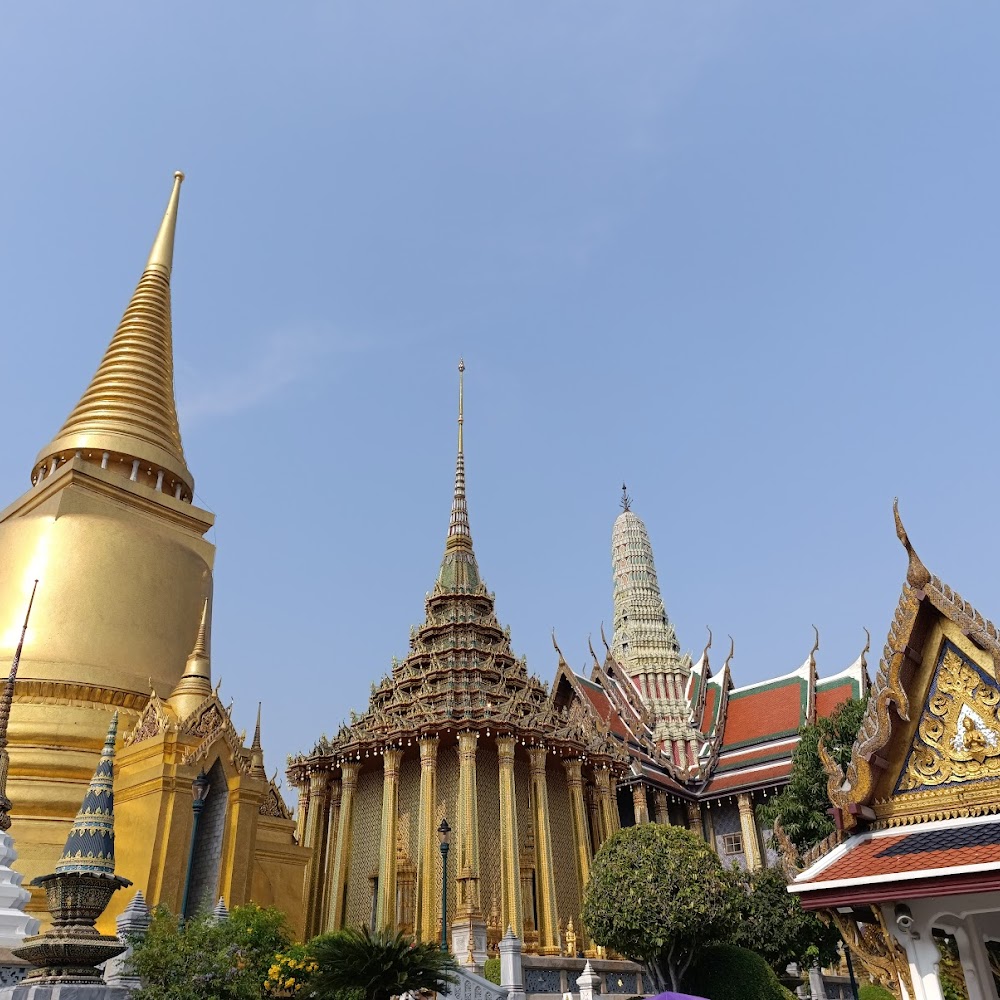
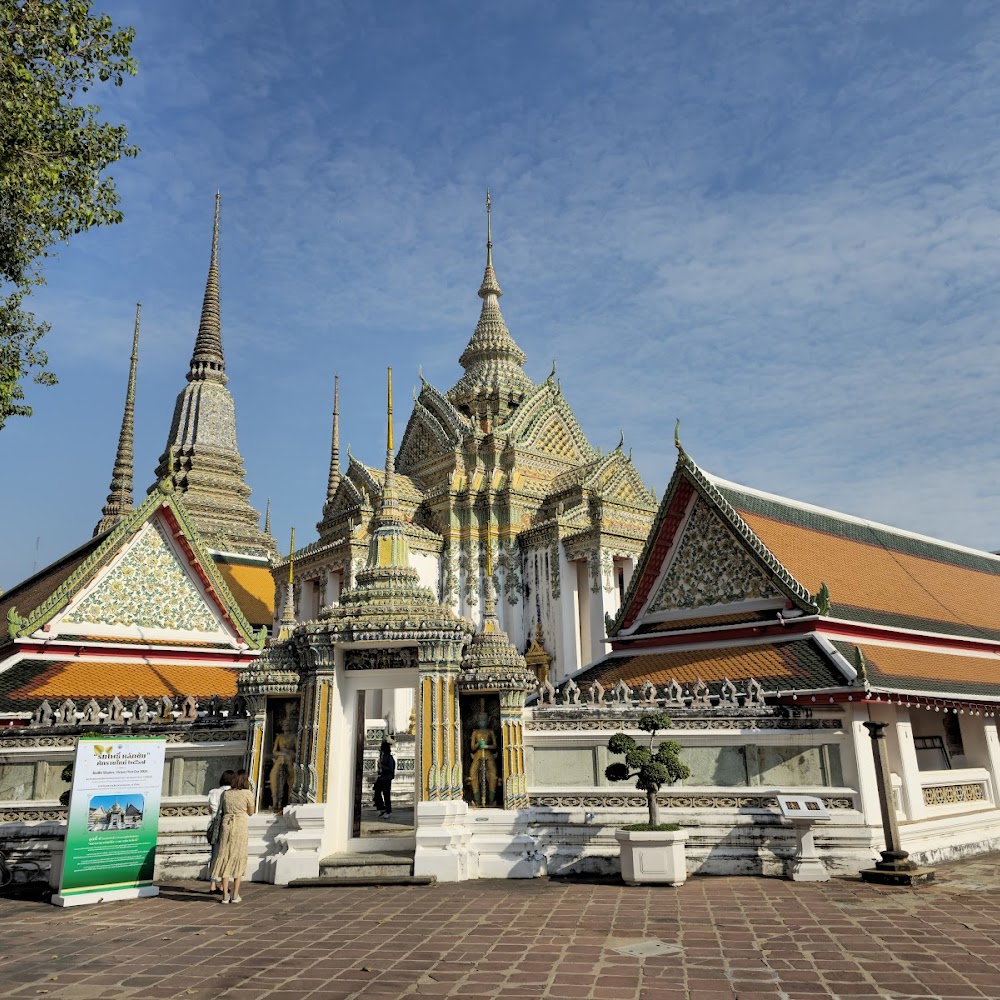
excellent walkabilityAncient golden spires pierce through clouds of incense while orange-robed monks glide past ornate walls that have witnessed centuries of royal ceremonies. The weight of history feels tangible here, with every corner revealing another architectural masterpiece.
Known for: Historic royal district with Grand Palace, Wat Pho, and Wat Arun
Local tip: Visit temples early morning (7-8am) to see monks collecting alms and avoid tourist crowds
Transit: Saphan Taksin BTS + Chao Phraya Express Boat to Tha Chang Pier
Best time: morning
Not stroller-friendly
Yaowarat (Chinatown)
moderate walkabilitySteam rises from sidewalk woks while gold shop windows glitter like treasure caves, and the narrow alleys pulse with generations of Chinese-Thai families conducting business the same way their grandparents did. It's organized chaos where fortunes are made over dim sum.
Known for: Street food paradise, gold trading, and traditional Chinese medicine
Local tip: Follow the crowds to Nai Ek Roll Noodles in Talad Rot Fai alley - no English sign but always a queue
Transit: Hua Lamphong MRT or Wat Mangkon Kamalawat Pier
Best time: evening
Not stroller-friendly
Chatuchak
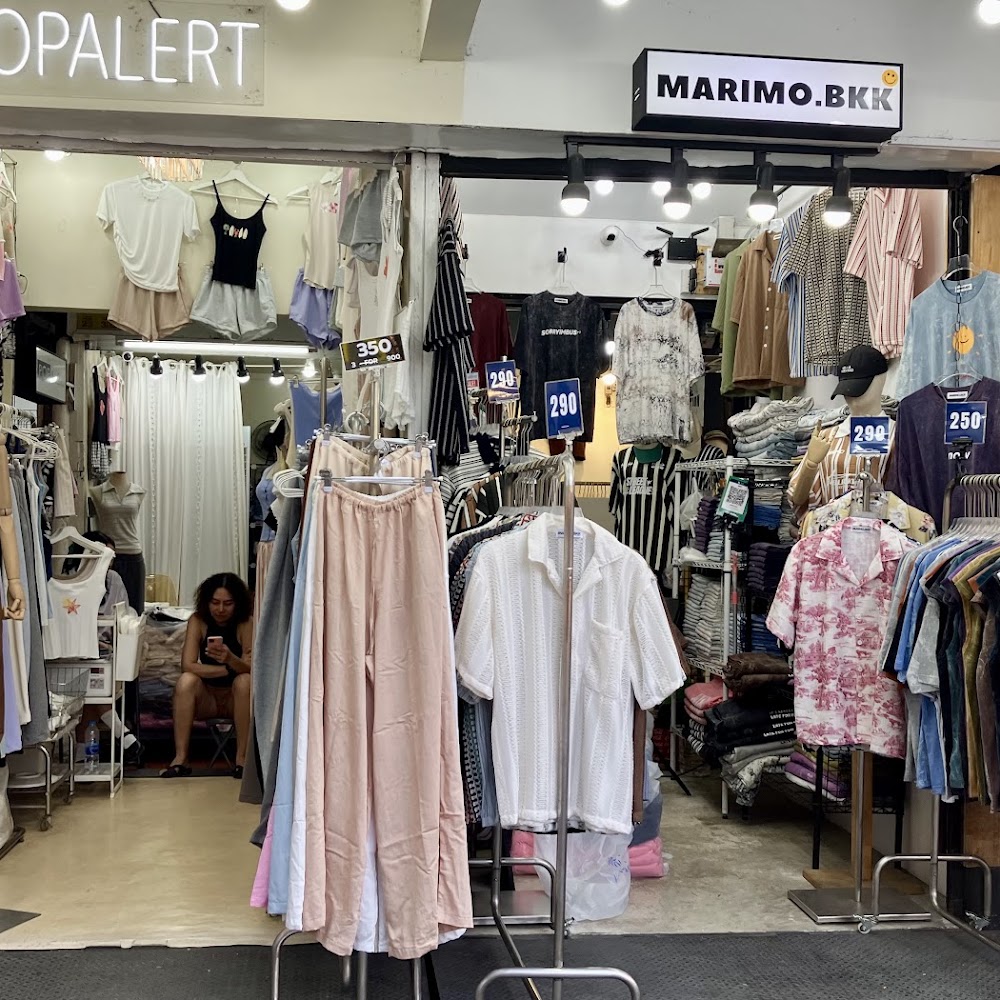
good walkabilityA labyrinth of vendor stalls where the scent of coconut ice cream mingles with leather goods and vintage band t-shirts. The energy builds as weekend crowds navigate numbered sections like a treasure hunt, with surprise discoveries around every corner.
Known for: Weekend market - largest in Southeast Asia with 8,000 stalls
Local tip: Sections 2-4 have the best vintage clothing finds that Bangkok hipsters actually shop for
Transit: Chatuchak Park BTS Green Line or Kamphaeng Phet MRT
Best time: morning
Not stroller-friendly
Old City
excellent walkabilityAncient city walls frame quiet temple compounds where saffron-robed monks tend to daily rituals, while cafes hidden in converted wooden houses serve coffee to digital nomads working under the shade of ancient trees. Time moves slower here, punctuated by temple bells.
Known for: Historic temples, boutique cafes, and traditional Lanna architecture
Local tip: Rent a bicycle from any guesthouse - locals cycle everywhere and it's the best way to discover hidden temple courtyards
Transit: Central location - walk or cycle everywhere, or red songthaew trucks
Best time: morning
Sunday Walking Street
excellent walkabilityAs the sun sets, Ratchadamnoen Road transforms into a river of lanterns and handmade crafts, with the scent of grilled sausages mixing with sandalwood from temple incense. Local families browse alongside travelers, creating a community festival atmosphere.
Known for: Weekly night market with local handicrafts and street food
Local tip: Start at Wat Phra Singh temple end and work toward Tha Phae Gate - better food selection and fewer crowds
Transit: Tha Phae Gate area in Old City center
Best time: evening
Not stroller-friendly
Chaweng Beach
good walkabilityPalm trees sway over white sand as longtail boats bob in turquoise water, while beach bars prepare for sunset crowds and the gentle sound of waves mixes with distant reggae music. It's tropical paradise with just enough energy to keep things interesting.
Known for: Most popular beach with resorts, restaurants, and nightlife
Local tip: Walk north toward Chaweng Noi for quieter sections where locals actually swim
Transit: 10 minutes from airport by taxi/songthaew
Best time: anytime
Fisherman's Village (Bophut)
excellent walkabilityTraditional wooden shophouses line a peaceful beach where longtail boats rest between fishing trips, and the evening brings a laid-back market atmosphere where families enjoy fresh seafood while children play in the shallow water.
Known for: Traditional fishing village with boutique hotels and Friday night market
Local tip: Thursday evenings have the best local seafood without tourist markups at the pier-side restaurants
Transit: 15 minutes north of Chaweng by songthaew
Best time: evening
What to Eat inThailand
Bangkok
Eating etiquette
- •Don't stick chopsticks upright in rice
- •Share dishes family-style
- •Eat with fork and spoon, not hands
- •Leaving food shows appreciation
Breakfast
Locals eat khao tom (rice porridge) or grab kai jeow (Thai omelet) from street vendors. Hotel breakfast is tourist food - hit the streets by 7am for authentic options.
Lunch
Follow office workers to food courts in malls or street food areas between 11:30am-1pm. Look for places with plastic stools and no English menus for best value.
Dinner
Dinner starts early (6-7pm). Reservations needed only for upscale places. Street food peaks 7-9pm when locals finish work.
Dishes you can't miss
The original recipe from 1966 with fresh shrimp wrapped in egg net
Phra Nakhon District · $3-4
Government-certified vendors use premium ingredients
Chatuchak · $2
Tiny bowls of concentrated flavor - locals eat 3-4 at once
Victory Monument · $1 per bowl
Street food highlights
Chiang Mai
Eating etiquette
- •Sticky rice eaten with hands
- •Northern Thai food is less spicy than Bangkok
- •Sharing small plates is normal
- •Khantoke dinner requires sitting on floor
Breakfast
Khao soi for breakfast is totally normal here. Local workers grab kanom jeen (fermented noodles) from morning markets starting 6am.
Lunch
University area near CMU has cheapest authentic food. Local markets like Warorot close early afternoon, so go by 1pm.
Dinner
Night bazaar food is tourist-priced. Best dinner spots are in residential sois (side streets) where locals live.
Dishes you can't miss
Recipe unchanged for 40 years, locals line up daily
Old City · $2
Northern sausage with lemongrass and galangal
Chang Khlan Road · $1
Burmese-influenced curry unique to Northern Thailand
Nimman area · $3
Street food highlights
Koh Samui
Eating etiquette
- •Seafood restaurants weigh fish before cooking
- •Beach dining means sand in everything
- •Coconuts served fresh with straws
- •Spice levels lower for tourist palates
Breakfast
Western breakfast dominates hotels. For local experience, find khao tom shops near fishing villages serving at sunrise.
Lunch
Avoid beachfront restaurants - 200% markup. Walk inland 2 blocks for local prices and better quality.
Dinner
Sunset dinner is mandatory tourist experience but overpriced. Best seafood after 8pm when day-trip crowds leave.
Dishes you can't miss
Caught that morning by village fishermen
Southern fishing village · $8
Made with island coconuts and local herbs
Fisherman's Village · $5
Family recipe using island-grown ingredients
Maenam · $6
Street food highlights
Getting Between Cities
How to book: Book online or at airport - domestic terminal at Don Mueang (DMK) or Suvarnabhumi (BKK)
Platform: Chiang Mai airport is tiny - 10 minutes from plane to street
Luggage: Domestic flights allow 20kg checked bags
Pro tip: Left side windows for mountain views approaching Chiang Mai
How to book: Bangkok Airways monopoly to Samui - book early for better prices
Platform: Connection usually through Bangkok Suvarnabhumi - allow 2 hours
Luggage: Through-check luggage available, collect at Samui
Pro tip: Right side approaching Samui for coastal views
Daily Walking Distances
Packing List
Tropical downpours happen suddenly year-round
Long pants and covered shoulders required for Grand Palace and major temples
Tropical sun is intense, regular sunscreen banned near coral reefs
Dengue fever risk, especially in Chiang Mai mountain areas
Rocky beaches and coral in Koh Samui, temple floors can be rough
Long temple visits and beach days drain batteries quickly
Street food and local transport cash-only, ATMs charge high fees
Beach days and humid weather, hotel towels often thin
Temple shoe removal, beach wear, plus serious walking in Bangkok heat
Easy to dehydrate in tropical heat and humidity
Island hopping, temple visits, market shopping
Street food adventures and limited hand washing facilities
Direct tropical sun exposure, especially during temple visits
Boat trips between islands can be rough
Sticky hands from street food, beach sand, general tropical stickiness
Skip These
Save your time and money — here's what to skip and what to do instead.
Complete tourist trap 2 hours from Bangkok - overpriced vendors in costume selling mass-produced souvenirs to tour buses
→ Instead:Khlong Lat Mayom floating market - 30 minutes away, actual locals shop here, real prices
Drugged tigers for photos, animal abuse concerns, many have been shut down by authorities
→ Instead:Elephant Nature Park in Chiang Mai - ethical sanctuary where elephants roam freely
Fake designer goods at inflated prices targeting drunk tourists from go-go bars
→ Instead:Rot Fai Market Ratchada - locals actually shop here, better prices, authentic atmosphere
Wrong island - Full Moon Party is on Koh Phangan, Samui copycat events are sad imitations
→ Instead:Fisherman's Village Friday night market for authentic local culture and great food
Tired tourist attraction with stressed animals performing unnatural behaviors
→ Instead:Queen Saovabha Memorial Institute next door - actual research facility with educational tours
Frequently Asked Questions
Is 14 days enough for Thailand?
Yes, 14 days allows you to experience Thailand's cultural highlights (Bangkok temples, Chiang Mai markets) and relax on southern beaches. This gives you 5 days in Bangkok area, 4 in Chiang Mai, and 5 on the islands - enough to get a real taste without feeling rushed.
How much does 14 days in Thailand cost?
Budget travelers can do it for $800-1000, mid-range is $1500-2000, and luxury is $3000+. The biggest variables are accommodation (hostels vs resorts) and dining (street food vs restaurants). Flights within Thailand add $100-200 to your budget.
What is the best month to visit Thailand?
December through March offers the best weather - cool, dry, and perfect for both temples and beaches. April gets very hot (35°C+), while September-October is monsoon season with heavy rain and rough seas that can cancel boat trips.
Do I need a visa for Thailand?
US, UK, EU, and Australian citizens get 30 days visa-free on arrival (60 days if flying in). Just need a passport valid for 6+ months and proof of onward travel. No advance visa required for tourism under 30 days.
Is Thailand safe for solo travelers?
Yes, Thailand is one of the safest countries in Southeast Asia for solo travel. Common sense applies - don't flash cash, watch drinks at bars, and be cautious with tuk-tuk drivers who offer 'deals' that include gem shops or tailors.
What should I pack for Thailand?
Pack light, breathable clothing, but bring pants and shirts that cover shoulders and knees for temples. Bring reef-safe sunscreen (hard to find there), insect repellent, and a rain jacket. Most toiletries and clothes are cheaper to buy in Thailand.
Travel Tips forThailand
Cash is king, but cards work too
Bring cash for street food, markets, and temples (20-100฿ fees). ATMs are everywhere and work with international cards. Notify your bank before travel. 7-Eleven ATMs often have better rates than bank ATMs.
Master the songthaew system
Red pickup trucks (songthaews) are shared taxis - wave one down, tell driver destination, pay 20-40฿ per person. Much cheaper than private taxis. In Bangkok, use BTS Skytrain and MRT subway - clean, efficient, air-conditioned.
Temple etiquette matters
Always cover shoulders and knees. Remove shoes before entering temple buildings. Don't point feet toward Buddha statues. Small donation (20฿) is polite but not required. Photography usually okay in courtyards but not inside buildings.
Embrace street food, but choose wisely
Look for stalls with high turnover and locals eating there. Avoid pre-cooked food sitting out. Fresh-cooked noodle and rice dishes are safest. Fruit should be peeled by you. Ice is generally safe in cities.
Common scams to avoid
Tuk-tuk drivers offering city tours that include gem shops or tailors (commission scams). 'Closed today' from people near temples (fake - temples rarely close). Overly friendly locals at tourist sites offering deals.
Beat the heat and crowds
Visit temples early morning (8-10am) before heat and tour groups. Carry water always. Many places close 12-1pm for lunch. Restaurants often close 3-5pm between meals. Sunday markets are weekend-only.
Essential Info
Thai Baht (฿). 35฿ = $1 USD. Cash preferred for small vendors, cards accepted at hotels/malls. ATMs everywhere, 220฿ foreign fee per withdrawal.
Not expected but appreciated. Round up taxi fares. 20-50฿ for good restaurant service. 50-100฿ per day for hotel housekeeping. No tipping at temples or street food.
AIS or dtac eSIM from Airalo, or buy physical SIM at 7-Eleven for 299฿ with 15GB data
More Options inThailand
Places that didn't make the main itinerary but are worth knowing about.
More Activities
More Restaurants
Shopping
Bars & Nightlife
Cafes & Coffee
Explore Each City
Want to spend more time in a specific city? Check out our city-level deep-dive guides.
Related Itineraries
Ready to plan yourThailand trip?
Get this 14-day itinerary in your Yopki trip planner — customize, collaborate, and export to PDF.