3-Day Barcelona Itinerary: Gaudí, Tapas & Mediterranean Vibes (2026)
Barcelona packs more personality per square kilometer than almost any European city. This 3-day guide takes you from Gaudí's architectural fantasies to medieval alleyways, from morning markets to late-night tapas bars.
Day-by-Day Itinerary
Start your Barcelona adventure in the city's historic heart, wandering through narrow medieval streets before diving into the trendy El Born district. Today mixes ancient Roman walls with cutting-edge art galleries and traditional tapas bars.
Pro tip: Spanish dinner starts at 9pm earliest — use the late afternoon for shopping or a siesta.
Route Map
Budget Breakdown
Estimated cost per person for 3 days. Includes accommodation, all meals, local transport, activities, and miscellaneous expenses. Does not include international flights or travel insurance.
| Category | Daily | Total |
|---|---|---|
| accommodation | $80 | $240 |
| food | $69 | $207 |
| transport | $8 | $24 |
| activities | $35 | $105 |
| misc | $15 | $45 |
| Total | $192 | $576 |
* Budget tier: mid-range. Prices in USD per person.
Money-saving tips:
- Buy a T-Casual metro card (10 rides for €11.35) instead of single tickets
- Eat lunch at markets like La Boquería for €8-12 instead of restaurants
- Many museums are free on first Sundays of the month for EU residents
- Happy hour vermouth (12-2pm) costs half the price of evening drinks
- Skip the tourist restaurants on La Rambla — they're overpriced and mediocre
See detailed Spain budget guide with calculator →
Daily costs, tipping, and trip calculator
When to Go
Perfect weather for walking, fewer crowds than summer, outdoor dining comfortable
Intense heat, peak tourist crowds, locals on vacation, many businesses closed
Neighborhood Guide
Get oriented before you arrive — what each area feels like and how to get around.
Gothic Quarter
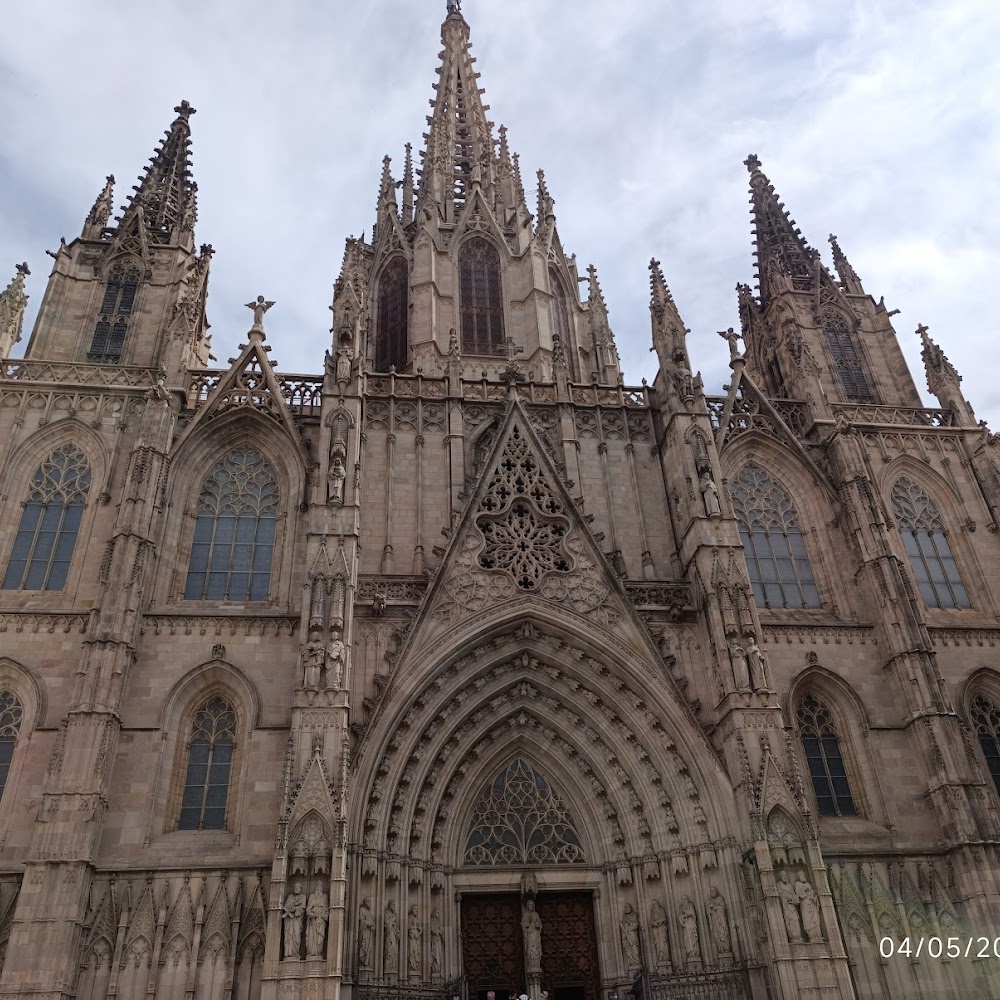
excellent walkabilityMedieval maze of narrow stone streets where every corner reveals another centuries-old plaza or hidden church. It feels like time travel, except for the WiFi and gelato shops tucked into ancient buildings.
Known for: Barcelona Cathedral, Roman ruins, medieval architecture, and winding streets that even locals get lost in
Local tip: Locals shop at the weekend antique market in Plaça del Pi and grab coffee at tiny neighborhood bars rather than tourist cafes
Transit: Jaume I (L4) or Liceu (L3) metro stations
Best time: morning
Not stroller-friendly
El Born
excellent walkabilityThe coolest kid in Barcelona — medieval bones with contemporary soul. Art galleries, designer boutiques, and cocktail bars occupy Renaissance palaces, creating an effortlessly hip atmosphere without trying too hard.
Known for: Trendy shopping, upscale tapas bars, Picasso Museum, and the best nightlife scene in the old city
Local tip: Young Barcelonins hang out in Parc de la Ciutadella on weekends and browse vintage shops on Carrer del Rec
Transit: Jaume I (L4) or Arc de Triomf (L1)
Best time: afternoon
Eixample
excellent walkabilityElegant grid of wide boulevards lined with modernist buildings, upscale shops, and sidewalk cafes. It's Barcelona at its most sophisticated — think Paris with better weather and more color.
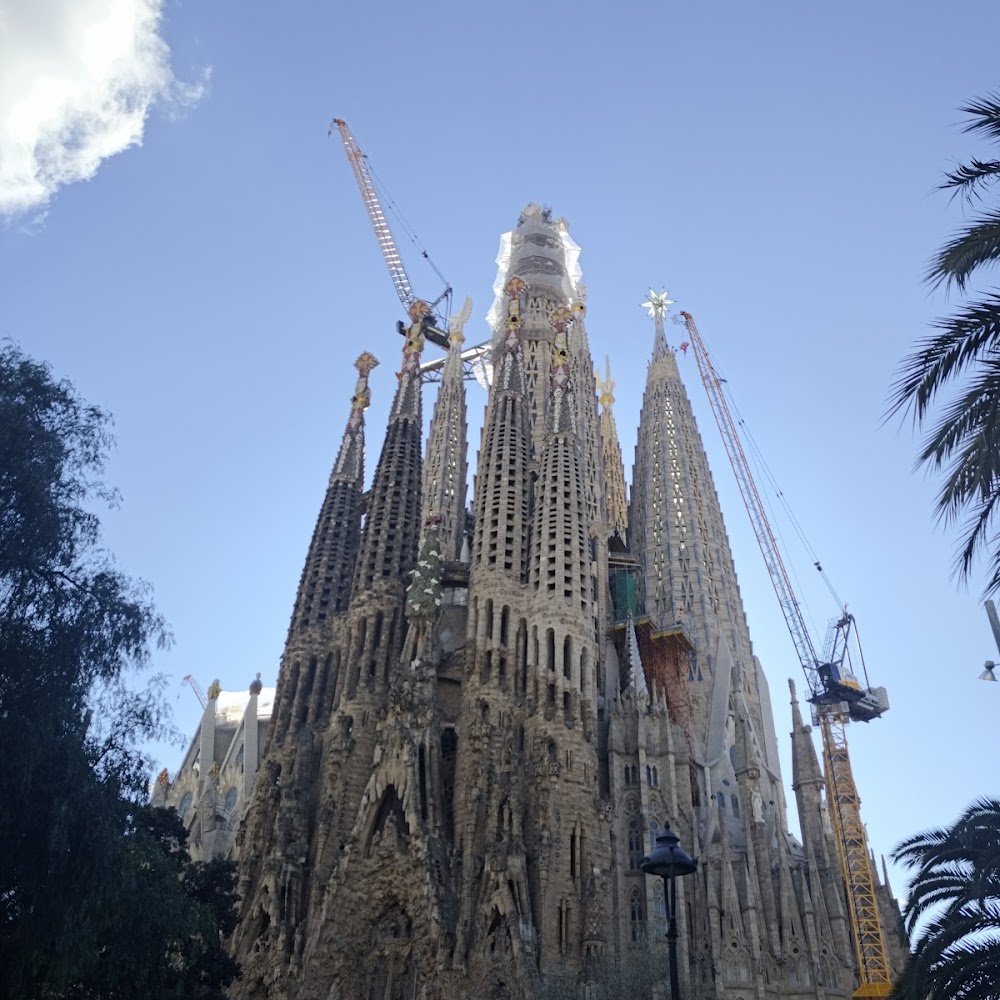
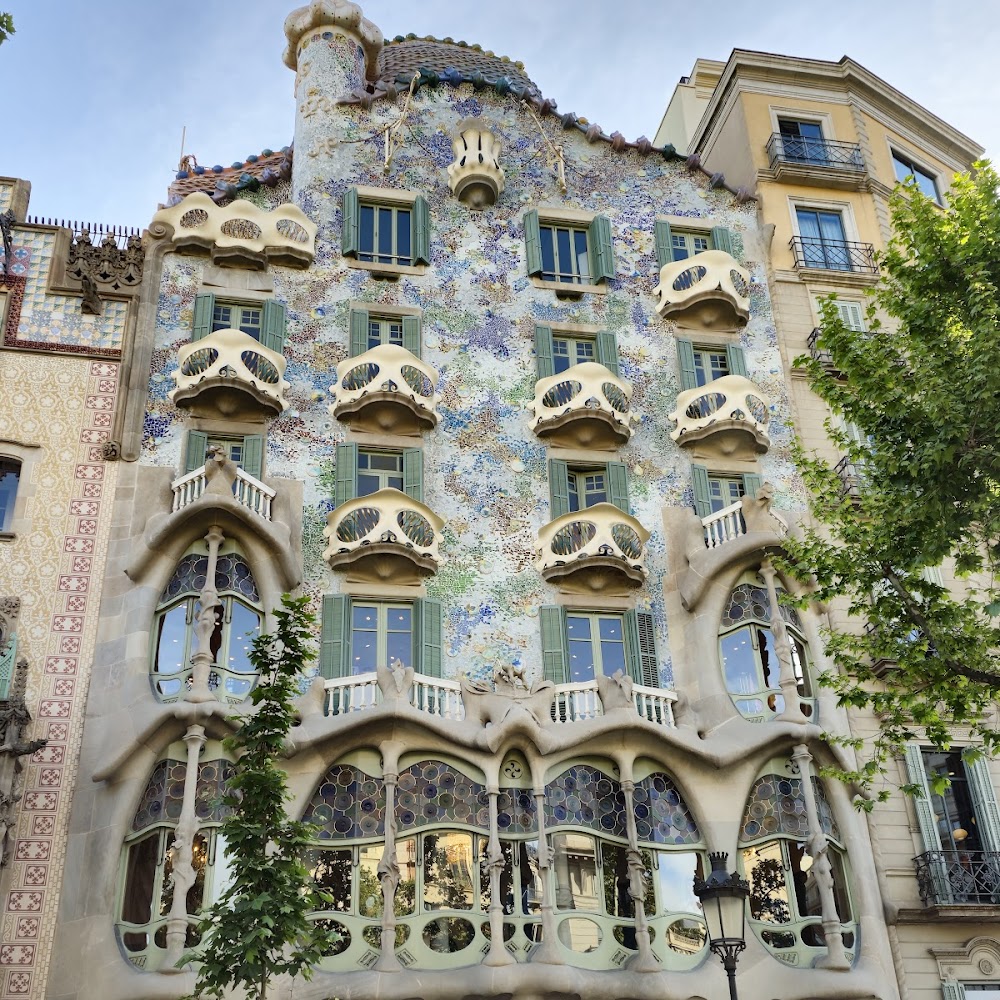
Known for: Gaudí architecture (Sagrada Família, Casa Batlló), high-end shopping on Passeig de Gràcia, and excellent restaurants
Local tip: Locals call it 'L'Eixample' and know the best vermouterias are hidden on side streets away from the main shopping drag
Transit: Passeig de Gràcia (L2/L3/L4) is the central hub
Best time: anytime
Barceloneta
good walkabilitySalty sea air, sandy feet, and the sound of waves crashing while you sip beer at a beach bar. This former fishing village maintains its maritime character despite being in the heart of a major city.
Known for: Beach life, seafood restaurants, chiringuitos (beach bars), and the best paella in Barcelona
Local tip: Locals avoid the crowded main beach and head to Platja de la Mar Bella or eat at tiny family tapas bars away from the waterfront tourist restaurants
Transit: Barceloneta (L4)
Best time: morning
Gràcia
excellent walkabilityVillage-like squares connected by narrow streets filled with independent shops, cozy cafes, and a distinctly bohemian atmosphere. It feels separate from Barcelona proper — which it was until 1897.
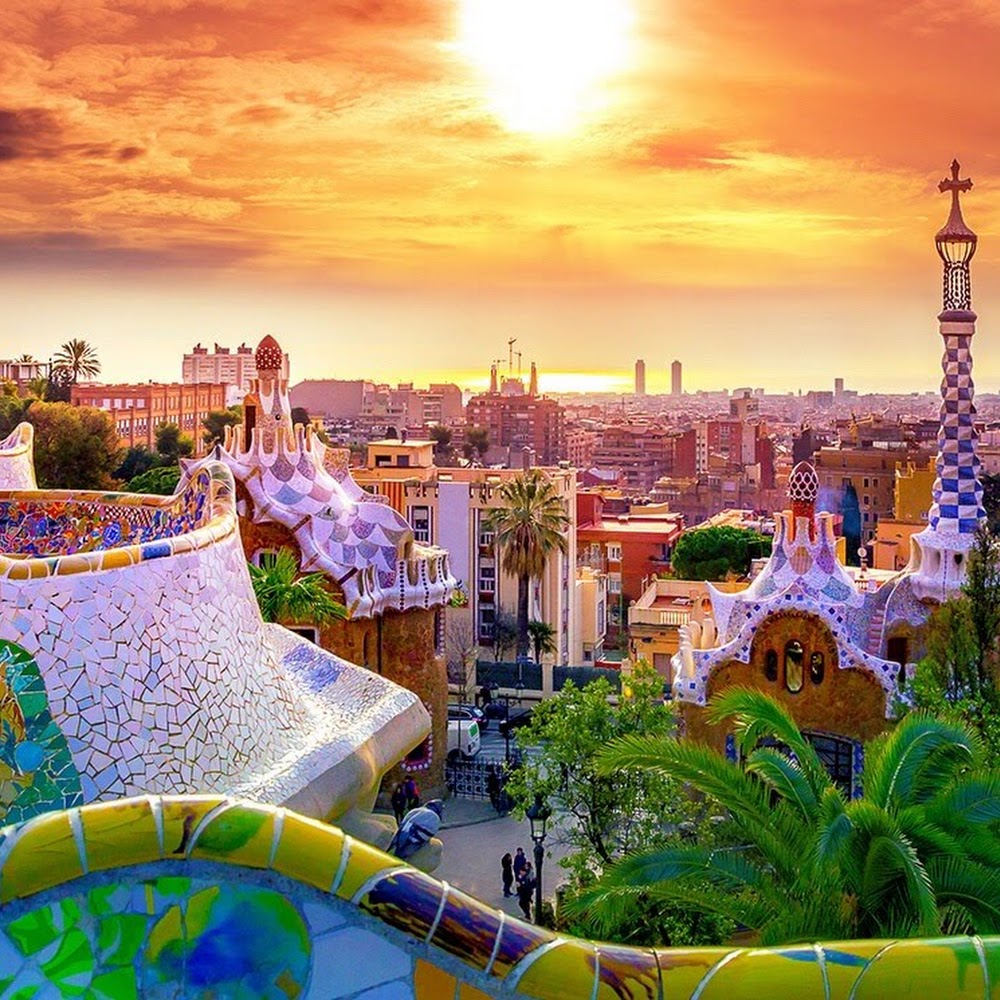
Known for: Park Güell, independent boutiques, local squares (especially Plaça del Sol), and the August Festa Major celebration
Local tip: Each plaza has its own personality — locals meet friends in Plaça del Sol for evening drinks and browse vintage markets in Plaça de la Revolució
Transit: Fontana (L3) or Diagonal (L3/L5)
Best time: afternoon
Not stroller-friendly
Montjuïc
moderate walkabilityA green hilltop escape from urban intensity, offering museum hopping, garden strolling, and the best panoramic views in Barcelona. It's where locals go to breathe and tourists go to photograph.
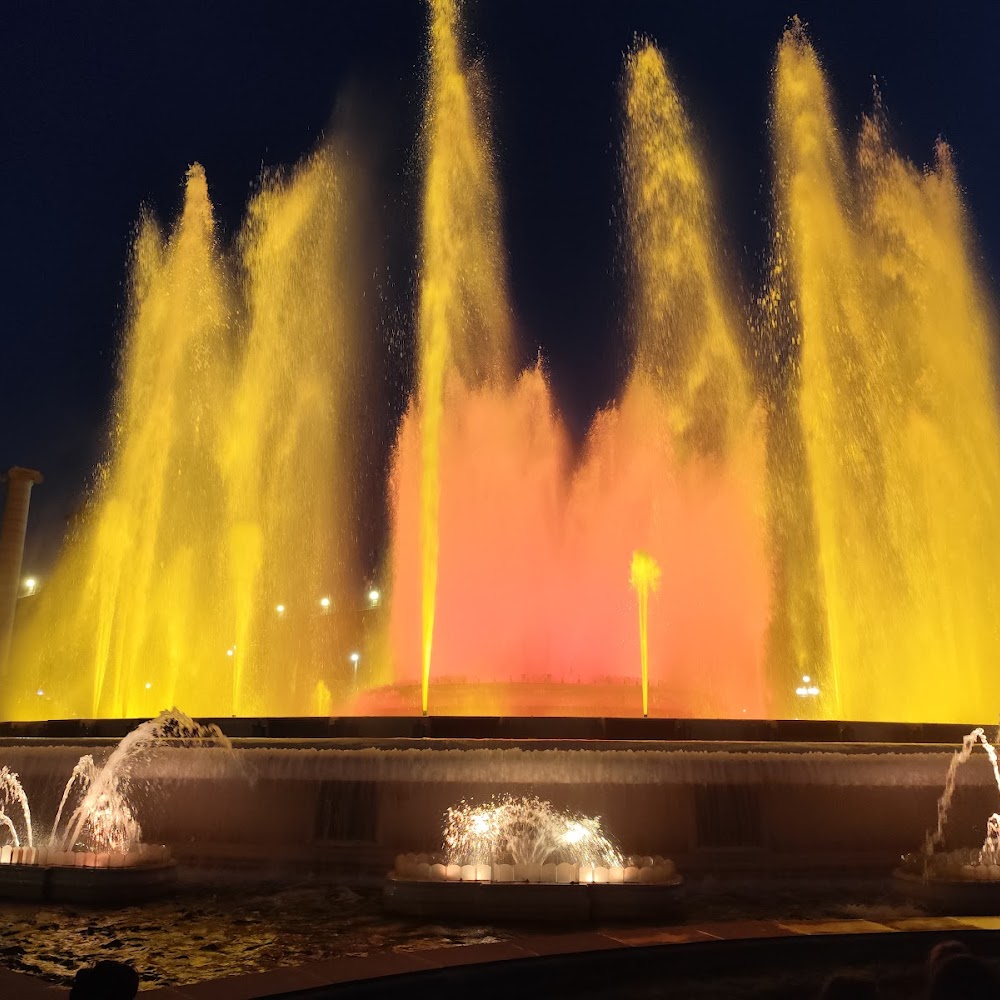
Known for: Joan Miró Foundation, Magic Fountain shows, Montjuïc Castle, Olympic Stadium, and sunset viewpoints
Local tip: Locals take the funicular from Paral·lel metro station and pack picnics for sunset watching rather than paying cafe prices on the hill
Transit: Funicular from Paral·lel (L2/L3) or cable car from Barceloneta
Best time: afternoon
Not stroller-friendly
What to Eat inBarcelona
Eating etiquette
- •Lunch is 2-4pm, dinner starts at 9pm — restaurants aren't being rude, they're literally closed during off hours
- •Tapas are meant for sharing — order 3-4 dishes per person and share everything
- •Don't ask for the check until you're truly ready — Spanish meals are meant to be leisurely
- •Standing at the bar often costs less than sitting at a table
Breakfast
Coffee and pastry at the bar, often standing. Locals don't do big breakfasts — save appetite for the amazing lunch.
Lunch
Menu del día (set lunch) is the best value at restaurants. Markets like La Boquería have fresh, cheap eats. Lunch is the main meal of the day.
Dinner
Dinner starts at 9pm earliest. Make reservations for nice restaurants. Tapas bars don't take reservations — arrive early or join the crowd.
Dishes you can't miss
Barcelona invented this spicy potato dish — crispy cubes with aioli and spicy tomato sauce
Cal Pep or any traditional tapas bar · $4-6
Spain's finest cured ham, aged up to 48 months. The good stuff melts on your tongue
Quimet & Quimet or Cervecería Catalana · $18-25
Grilled bread rubbed with tomato, garlic, and olive oil. Simple perfection that locals eat daily
Any Catalan restaurant · $3-5
Barcelona's answer to paella — creamy rice with lobster that showcases the Mediterranean coast
Llamber or beachfront restaurants · $35-45
Potato croquette with spicy sauce, invented in Barceloneta. The original and still the best
La Cova Fumada (the inventors) · $6-8
Roasted vegetables (eggplant, peppers, onions) that capture the essence of Catalonia
Traditional Catalan restaurants · $8-12
Catalonia's answer to crème brûlée, with lemon zest and cinnamon. Lighter and more citrusy
La Plata or traditional restaurants · $5-7
Street food highlights
Daily Walking Distances
Packing List
Barcelona involves tons of walking on uneven medieval cobblestones
For air conditioning in summer and covering shoulders at churches
Long days of GPS navigation and photography drain batteries quickly
Mediterranean sun is strong year-round, especially reflecting off buildings and water
Keep hands free for photographing architecture while protecting against pickpockets
Public fountains throughout the city and staying hydrated is crucial for walking
Skip These
Save your time and money — here's what to skip and what to do instead.
Overpriced tourist traps with mediocre food and aggressive service. Locals never eat here.
→ Instead:Walk 2 blocks into El Born or Gothic Quarter for authentic tapas bars with locals
Cheap souvenirs and inflated prices. The street itself is worth walking once, but don't shop here.
→ Instead:Shop on Carrer del Rec in El Born or Passeig de Gràcia for quality goods at fair prices
Why eat American food when you're in one of the world's great food cities?
→ Instead:Try authentic Catalan cuisine at any local restaurant serving pan con tomate and escalivada
Both are Gaudí houses on the same street with similar entrance fees. One is enough unless you're an architecture fanatic.
→ Instead:Visit Casa Batlló for the more colorful, dramatic interior and skip La Pedrera
Overpriced and underwhelming compared to the free beach and Mediterranean right outside.
→ Instead:Spend time at Barceloneta Beach and take the cable car to Montjuïc for better views
Frequently Asked Questions
Is 3 days enough for Barcelona?
Yes, 3 days covers the essential Barcelona experience. You'll see Gaudí's major works (Sagrada Família, Park Güell, Casa Batlló), explore the Gothic Quarter and El Born, enjoy the beach, and experience the tapas culture. You'll miss day trips to Montserrat, deeper neighborhood exploration, and some museums, but you'll get a solid taste of what makes Barcelona special.
Where should I stay in Barcelona?
Stay in the Gothic Quarter for historic charm and walkability to major sights, El Born for trendy restaurants and nightlife, or Eixample for elegant streets near Gaudí sites. Avoid staying right on La Rambla (noisy and touristy) or far-out districts like Sants unless you're on a tight budget.
How much does 3 days in Barcelona cost?
Budget €45-60/day, mid-range €80-120/day, luxury €150+/day. This includes accommodation, meals, transport, and activities. Key costs: Sagrada Família €26, tapas meals €15-35, metro day pass €8.60, mid-range hotel €60-100/night.
What should I not miss in Barcelona?
Sagrada Família (book ahead), wandering the Gothic Quarter's medieval streets, Park Güell's mosaics, authentic tapas in El Born, and sunset from Montjuïc. The combination of Gaudí architecture, Mediterranean beach culture, and historic neighborhoods is uniquely Barcelona.
What's the best time to visit Barcelona?
April-June offers perfect weather, manageable crowds, and full restaurant hours. Avoid July-August when it's swelteringly hot and many locals leave for vacation. September-October is also excellent with warm weather and fewer tourists.
Travel Tips forBarcelona
Master the Spanish Dining Schedule
Lunch starts at 2pm, dinner at 9pm earliest. Don't expect restaurants to serve food during siesta hours (4-7pm). Embrace vermouth hour (noon) and late dinners — it's when the best atmosphere happens.
Walk the Historic Center
Gothic Quarter to El Born to Barceloneta is one continuous walkable area. Save metro tickets for trips to Park Güell, Sagrada Família, or Montjuïc. The historic center is actually faster to walk than navigate by metro.
Avoid Tourist Trap Restaurants
If the menu is in 5 languages and they have photos of the food, it's a tourist trap. Look for handwritten Spanish menus, locals standing at the bar, and places that don't open before 8pm for dinner.
Get the T-Casual Metro Card
10 trips for €11.35 vs €2.40 per single journey. Works on metro, bus, and tram. Buy at any metro station machine — it's transferable between people if you're traveling together.
Book Gaudí Sites in Advance
Sagrada Família and Casa Batlló sell out weeks ahead in high season. Park Güell requires timed entry tickets. Book online the night before at minimum, or risk disappointment.
Essential Info
Cards accepted everywhere. Carry €20-40 cash for small tapas bars and markets. ATMs charge €3-5 fees — withdraw larger amounts to minimize fees.
Round up at casual places, 10% at nice restaurants only if service was exceptional. No tipping required at cafes or bars.
Orange or Vodafone eSIM (€15 for 10GB), available at El Prat airport or any phone shop on La Rambla
Planning a full Spain trip?
Our Spain itineraries cover Barcelona and more — with multi-city routes, transit guides, and full budget breakdowns.
Related Itineraries
Ready to plan yourBarcelona trip?
Get this 3-day itinerary in your Yopki trip planner — customize, collaborate, and export to PDF.