
14 Day Spain Itinerary
Experience Spain's incredible diversity from world-class museums and architectural wonders to flamenco culture and Mediterranean beaches. This two-week journey takes you through four distinct regions, balancing iconic sights with authentic local experiences.
Day-by-Day Itinerary
Route Map
Budget Breakdown
Estimated cost per person for 14 days. Includes accommodation, all meals, local transport, activities, and miscellaneous expenses. Does not include international flights or travel insurance.
| Category | Daily | Total |
|---|---|---|
| accommodation | $80 | $1120 |
| food | $50 | $700 |
| transport | $15 | $210 |
| activities | $18 | $252 |
| misc | $12 | $168 |
| Total | $175 | $2450 |
* Budget tier: mid-range. Prices in USD per person.
Money-saving tips:
- Many museums free on Sunday afternoons - plan accordingly
- Menu del día lunch offers better value than à la carte dinner
- Buy 10-journey metro cards instead of single tickets
- Free tapas come with drinks in Andalusia
- Avoid tourist restaurants on Las Ramblas and near major sights
When to Go
Perfect weather, manageable crowds, all attractions open
Extreme heat in summer, especially in Andalusia
Neighborhood Guide
Get oriented before you arrive — what each area feels like and how to get around.
Art Triangle (Paseo del Arte)
excellent walkabilityWalking these grand boulevards feels like strolling through Europe's cultural heart. Tree-lined paths buzz with anticipation as museum-goers debate which masterpiece moved them most over café cortados.
Known for: Prado, Reina Sofía, and Thyssen museums forming the world's greatest art concentration
Local tip: Madrileños visit museums on weekday evenings when they're less crowded and often have reduced prices
Transit: Atocha station (Metro lines 1, Renfe) or Banco de España (Metro line 2)
Best time: morning
Retiro Park
excellent walkabilityMadrid's green lung pulses with life as families picnic, street performers entertain, and the elderly play chess under century-old trees. It feels like the city's living room where everyone is welcome.
Known for: Crystal Palace, boating lake, and weekend street performances
Local tip: Join the Sunday drummers at the park's northeast corner for an impromptu celebration
Transit: Retiro station (Metro line 2) or Príncipe de Vergara (lines 2, 9)
Best time: anytime
Malasaña
excellent walkabilityNarrow streets pulse with creative energy where vintage shops hide next to experimental bars. The neighborhood feels like Berlin's younger sibling - edgy but welcoming, where every corner promises a discovery.
Known for: Alternative nightlife, vintage shopping, and street art
Local tip: Thursday nights are when locals bar-hop here, avoiding the weekend tourist crowds
Transit: Tribunal (Metro lines 1, 10) or San Bernardo (lines 2, 4)
Best time: evening
Not stroller-friendly
Eixample
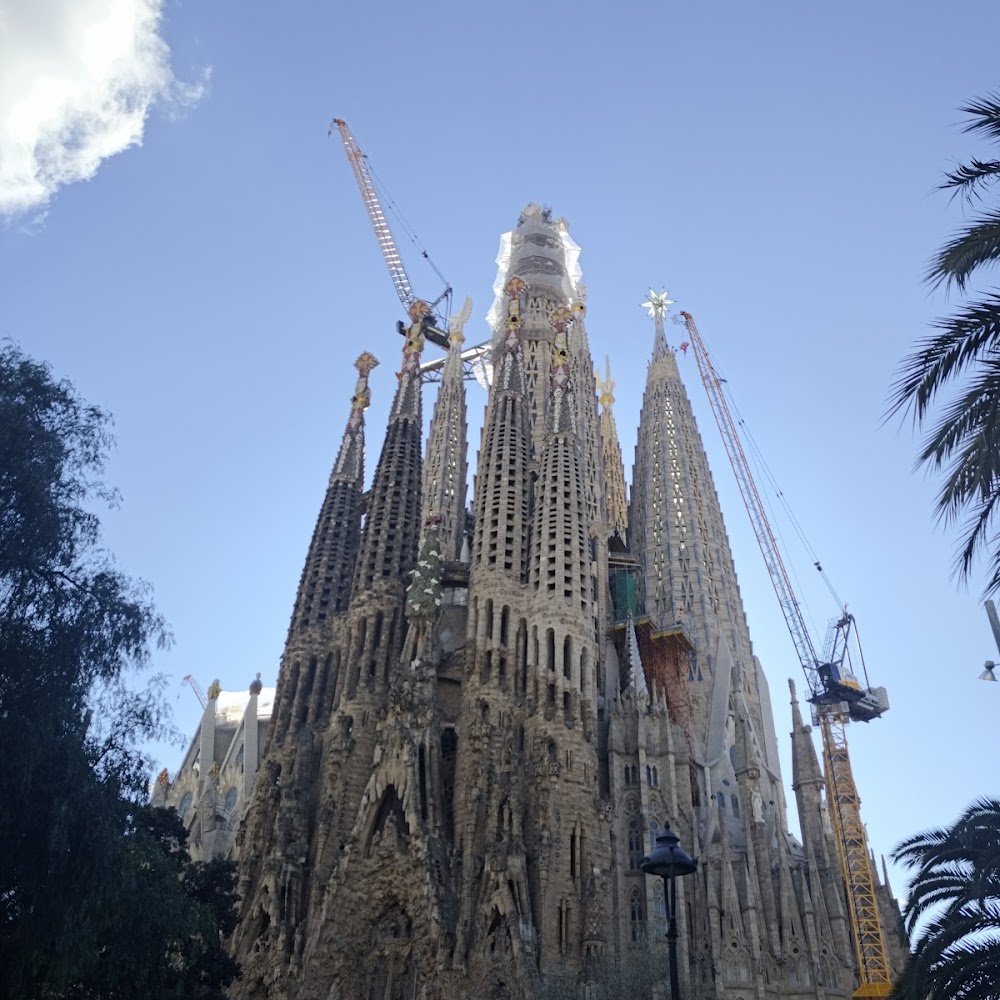
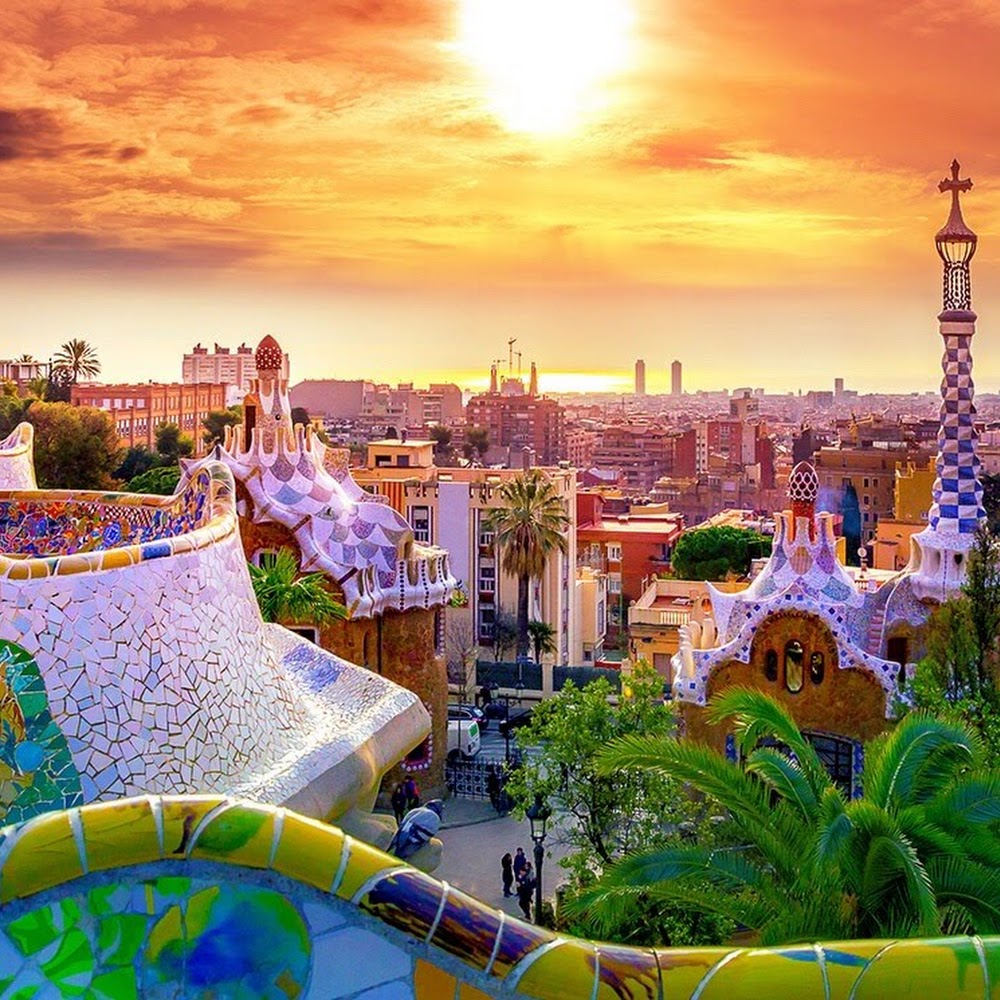
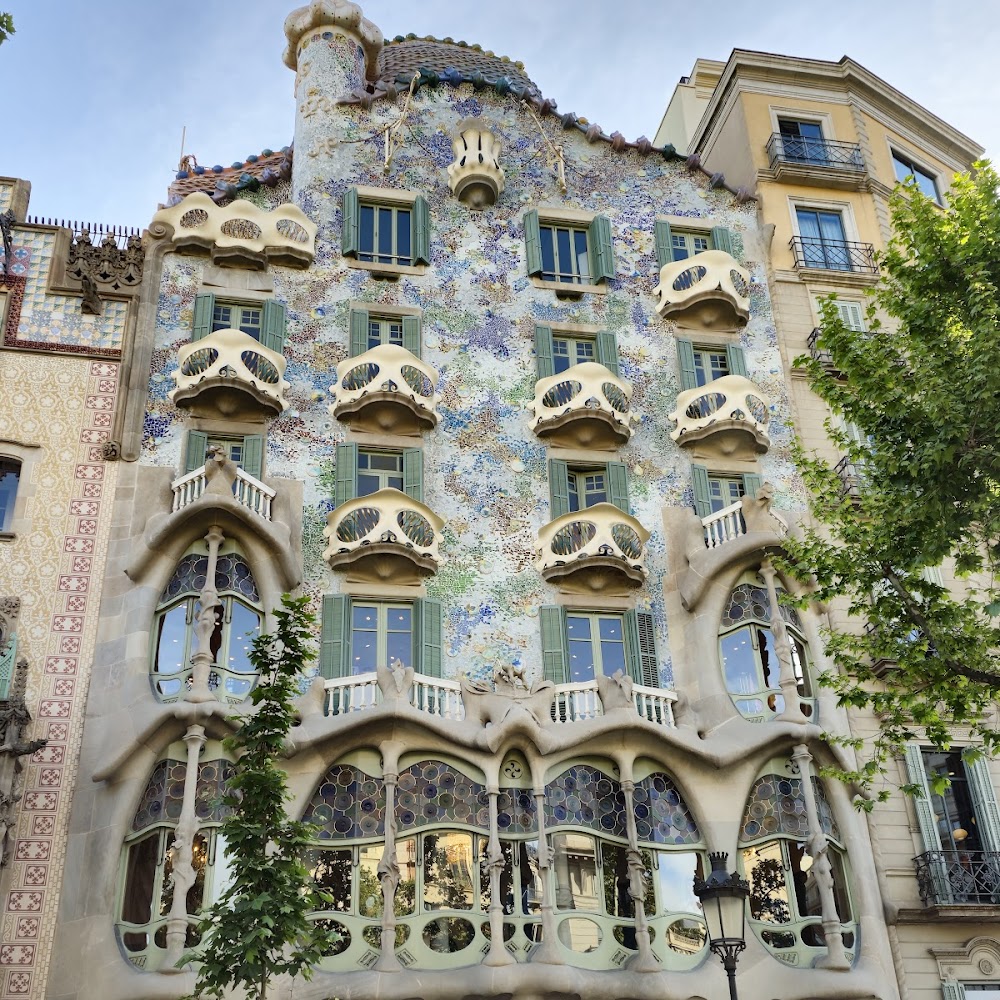
excellent walkabilityGrid-perfect streets create urban canyons where Gaudí's architectural fantasies burst from orderly blocks like flowers through concrete. The methodical layout makes every Modernist surprise feel more magical.
Known for: Gaudí's masterpieces including Sagrada Família and Casa Batlló
Local tip: Walk the interior courtyards of apartment blocks - many are open and showcase beautiful Modernist details
Transit: Sagrada Família (Metro lines 2, 5) or Passeig de Gràcia (lines 2, 3, 4)
Best time: morning
Gothic Quarter (Barrio Gótico)
good walkabilityMedieval stone walls whisper 2,000-year-old secrets as you navigate labyrinthine alleys where Roman foundations support Gothic cathedrals. Every turn reveals hidden squares where locals sip vermut like their ancestors did.
Known for: Medieval architecture, Cathedral, and Roman ruins
Local tip: Follow locals to Plaça Sant Felip Neri at sunset - it's Barcelona's most peaceful hidden square
Transit: Jaume I (Metro line 4) or Liceu (Metro line 3)
Best time: morning
Not stroller-friendly
El Born
excellent walkabilityFormer artisan workshops now house wine bars and galleries, creating an atmosphere where creativity flows as freely as the cava. The neighborhood feels like a Renaissance fair that never ended.
Known for: Picasso Museum, trendy bars, and boutique shopping
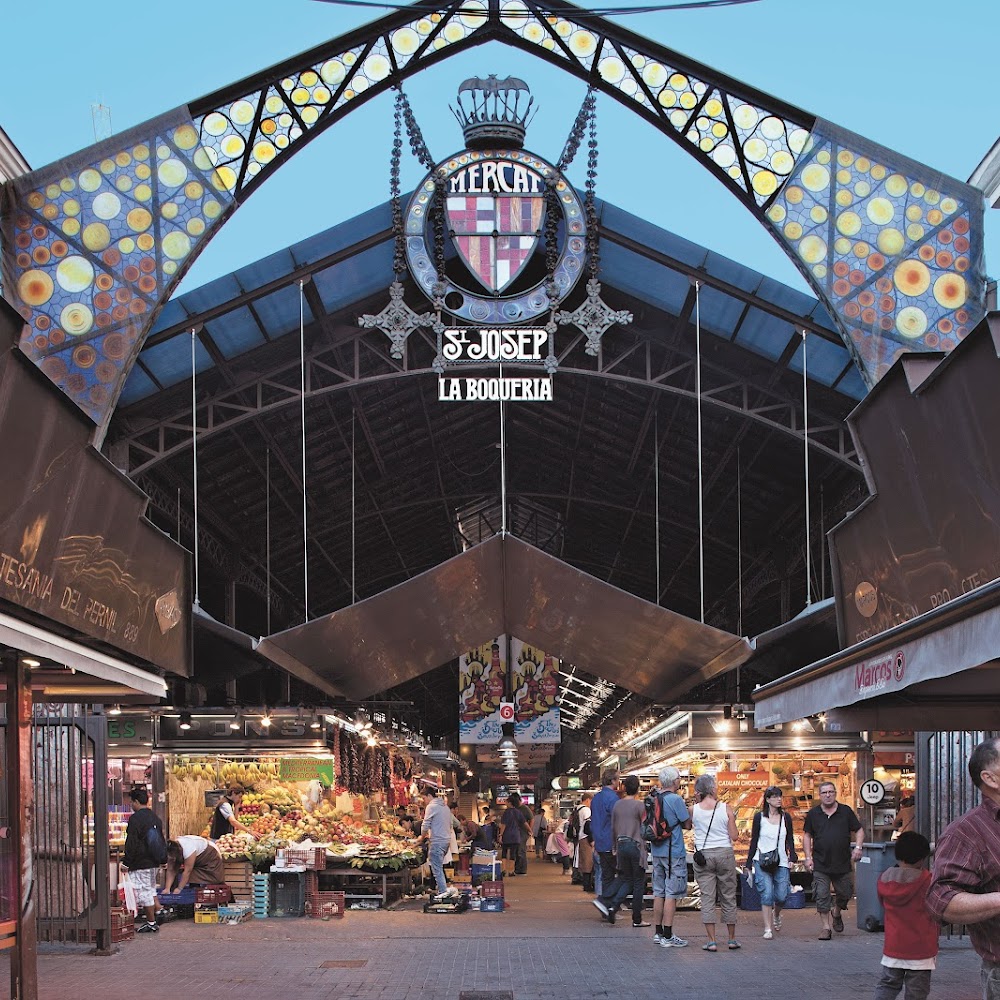
Local tip: Locals shop at Santa Caterina Market early morning for the best produce, then grab breakfast at the market café
Transit: Jaume I (Metro line 4) or Arc de Triomf (Metro line 1)
Best time: afternoon
Santa Cruz
good walkabilityOrange blossoms perfume narrow white-washed alleys where every doorway hides a flower-filled patio. The former Jewish quarter feels like wandering through an Andalusian fairy tale where time moves at siesta pace.
Known for: Alcázar, Cathedral, and traditional Andalusian architecture
Local tip: Follow the sound of water fountains to discover private patios that residents often leave partially open for passersby to glimpse
Transit: Puerta de Jerez (Metro line 1) or walking from Cathedral
Best time: morning
Not stroller-friendly
Parque María Luisa & Plaza de España
excellent walkabilityGrandiose pavilions and ceramic-tiled bridges create a fantasy Spain that feels more Spanish than Spain itself. Peacocks strut between palm trees while horse carriages clip-clop past like scenes from a romantic novel.
Known for: 1929 Expo buildings, Plaza de España's ceramic work, and romantic gardens
Local tip: Sevillanos bring their children here Sunday afternoons to feed ducks and rent boats - join them for an authentic family experience
Transit: Prado de San Sebastián (Bus hub) or 15-minute walk from Cathedral
Best time: afternoon
Ciutat Vella (Old Town)
excellent walkabilityMedieval towers peek over market stalls selling centuries-old recipes while university students debate philosophy in the same squares where merchants once traded silk. Ancient meets vibrant in every plaza.
Known for: Central Market, La Lonja, Cathedral, and traditional tapas bars
Local tip: Join locals for 'almuerzo' (mid-morning snack) at 11am in traditional bars - it's when you'll see the real Valencia
Transit: Xàtiva (Metro lines 3, 5) or Colón (lines 3, 5, 9)
Best time: morning
Malvarossa Beach
excellent walkabilityMediterranean breezes carry the scent of paella and sea salt while families build sandcastles and young Valencians play volleyball. It feels like a neighborhood beach that happens to be world-class.
Known for: Urban beach, paella restaurants, and beachfront promenade
Local tip: Locals eat paella for lunch at 2pm sharp - arrive earlier and you'll get tourist portions at tourist prices
Transit: Maritim-Serreria (Metro lines 5, 7) or Las Arenas (lines 5, 7)
Best time: afternoon
What to Eat inSpain
Madrid
Eating etiquette
- •Leave small plates and napkins on the floor in traditional bars - it's expected
- •Never order café con leche after 11am
- •Share tapas plates - ordering individual portions marks you as tourist
Breakfast
Madrileños grab coffee and a tostada at standing bars before work. Skip hotel breakfast for authentic café y tostada con tomate at any neighborhood bar for €2-3
Lunch
Menú del día (lunch menu) runs 1:30-4pm for €12-18 including 3 courses, drink, bread, and coffee. Look for places packed with office workers, not tourists
Dinner
Dinner never starts before 9:30pm, often 10:30pm. Book tables for 10pm. Madrileños often just do tapas crawls instead of formal dinners
Dishes you can't miss
Three-course chickpea stew served the traditional way since 1870
La Bola (Calle Bola 5) · €22-25
Broken eggs over potatoes that made this tavern world-famous
Casa Lucio (Cava Baja) · €14-16
Fried squid sandwich - Madrid's beloved hangover cure
La Campana (Plaza Mayor) · €4-5
Street food highlights
Barcelona
Eating etiquette
- •Cava, not sangria - sangria is for tourists
- •Pan con tomate (pa amb tomàquet) comes before every meal
- •Don't ask for paella at dinner - it's a lunch dish
Breakfast
Catalans prefer pastries and coffee at bakeries. Try coca de Sant Joan (sweet flatbread) or croissants at local pastisseries rather than hotel breakfast
Lunch
Lunch menus run €15-20 at good restaurants. Catalans eat late (2-4pm) so arrive by 1:30pm for best selection. Many close Sundays
Dinner
Dinner starts at 9pm earliest. Book ahead for popular places. Many Catalans prefer pintxos (small plates) crawls over sit-down dinners
Dishes you can't miss
Family-run since 1903, they make it with rabbit and beans like Valencia intended
Can Solé (Barceloneta) · €18-25
Spring onions with almond sauce, eaten with hands - pure Catalonia
Xampanyet (Born) · €12-15
Fisherman's stew from the coast, perfected by this legendary counter-service spot
Cal Pep (Born) · €20-24
Street food highlights
Seville
Eating etiquette
- •Free tapas still exists - one small plate with every drink ordered
- •Never rush - Andalusians treat meals as social events
- •Manzanilla sherry, not wine, is the local drink
Breakfast
Andalusian breakfast is coffee and tostada con aceite (olive oil toast). Stand at neighborhood bars with workers for authentic experience
Lunch
Lunch 2-4:30pm. Many restaurants close 4pm sharp. Comedores (worker's restaurants) offer best value menús del día €10-12
Dinner
Dinner rarely before 9:30pm in summer, 9pm in winter. Sevillanos often skip dinner entirely, preferring extended tapas sessions
Dishes you can't miss
Mixed fried fish at Seville's oldest bar (1670) where they still chalk tabs on the bar
El Rinconcillo (Calle Gerona) · €12-15
Cold tomato soup perfected in its birthplace, served in modern tapas format
Bar Eslava (Calle Eslava) · €6-8
Acorn-fed ham in the neighborhood where Jews first cured pork to prove conversion
Las Teresas (Santa Cruz) · €18-22
Street food highlights
Valencia
Eating etiquette
- •Paella is sacred - never at dinner, never with chorizo, and only on Thursdays and Sundays traditionally
- •Horchata must be drunk fresh - day-old horchata is insulting
- •Share paella plates but eat with individual spoons, never pass plates
Breakfast
Valencians drink horchata (tiger nut milk) with fartons (sweet breadsticks) for breakfast. Head to traditional horchaterías, not cafés
Lunch
Paella lunch is serious business. Authentic places cook it fresh (30-45 minute wait), serve 2-person minimum, and only at lunch
Dinner
Light dinners focusing on seafood and vegetables. Valencians prefer beach chiringuitos (beach bars) for dinner in summer
Dishes you can't miss
Hemingway's favorite spot, still family-run, using rice grown 20km away
La Pepica (Malvarossa beach) · €15-18 per person
Eel stew with garlic and paprika - Valencia's other signature rice dish
Casa Roberto (Russafa) · €14-16
Cocktail invented here in 1959 - cava, orange juice, vodka, and gin
Café Madrid (Plaza del Ayuntamiento) · €8-10
Street food highlights
Getting Between Cities
How to book: Buy at Renfe.com 4 months ahead for best prices, or at ticket machines in Atocha station. Show ID when boarding
Platform: Atocha station platform opens 30 minutes before departure. Security check required. Board from the middle cars to be closest to Barcelona exit
Luggage: Overhead racks fit standard suitcases. Large bags can be stored at car ends, but watch them
Pro tip: Right side for countryside views leaving Madrid
How to book: Book flights 3-4 weeks ahead. Trains: Renfe.com or station machines. Flight much more practical for this route
Platform: Barcelona airport T1 for major airlines, T2 for budget. Train requires change in Madrid with 1-hour minimum connection
Luggage: Budget airlines charge for checked bags. Train allows unlimited luggage
Pro tip: Flight: left side for Pyrenees views. Train: not worth the time vs flying
How to book: Renfe.com or Santa Justa station machines. Book 2 weeks ahead for better prices
Platform: Santa Justa station is modern and efficient. Platform announced 15 minutes before departure
Luggage: Same as Madrid-Barcelona: overhead storage plus car-end areas
Pro tip: Either side scenic - crosses through La Mancha plains and orange groves
Daily Walking Distances
Packing List
Cobblestone streets in old quarters will destroy new shoes and cause blisters
Required for cathedral visits and useful for evening air conditioning
Long museum days and constant map usage will drain batteries fast
Spanish sun is intense year-round, especially reflected off white Andalusian buildings
Sudden downpours common, especially in Barcelona and Valencia coastal areas
Spaniards dress up for dinner and nightlife - athletic wear marks you as tourist
Pickpockets target backpack zippers on Las Ramblas and in Metro
Public fountains everywhere and restaurant water costs €2-4
Many tapas bars and small restaurants still cash-only
Police spot-checks for tourists, originals can be pickpocketed
Rich Spanish food and late eating schedule can upset stomachs
English limited outside tourist areas, especially in Seville
Essential for bright Mediterranean light and outdoor museum visits
Museum touching and crowded Metro requires frequent cleaning
Air conditioning in museums and restaurants often overly aggressive
Skip These
Save your time and money — here's what to skip and what to do instead.
Overpriced tourist traps with mediocre food and inauthentic performances for €80+ per person
→ Instead:Watch free flamenco at Corral de la Morería bar (just drinks) or catch real performances at Café Central jazz club
Pickpocket central with overpriced souvenirs and constant crowds. Nothing you can't buy elsewhere for half the price
→ Instead:Shop at local markets like Sant Antoni or explore Gràcia neighborhood for unique boutiques
€50 for 30 minutes of tourist route with stressed horses in hot weather
→ Instead:Rent bikes for €10/day and cover twice the ground at your own pace with stops for photos
Expensive (€30+) and ethically questionable captive dolphin shows in Valencia
→ Instead:Explore the free exterior architecture and visit the Science Museum instead for better value
Tourist-trap paella with frozen ingredients for €25+ when Barcelona isn't even paella's birthplace
→ Instead:Wait for Valencia where authentic paella costs €15 and tastes like it should, or try Catalan fideuà instead
Frequently Asked Questions
Is 14 days enough for Spain?
Yes, 14 days allows you to experience Spain's major regions including Madrid's museums, Barcelona's Gaudí architecture, Andalusian culture in Seville, and Valencia's beaches. This itinerary covers four distinct cities without feeling rushed.
How much does 14 days in Spain cost?
Budget around $175 per day for mid-range travel, totaling approximately $2,450 for two weeks. This includes decent accommodation, restaurant meals, public transport, and major attractions. Budget travelers can reduce this to $120/day.
What is the best month to visit Spain?
April-June and September-October offer perfect weather and manageable crowds. Avoid July-August due to extreme heat (especially in southern Spain) and peak tourist crowds. Spring (April-May) is ideal.
Do I need a visa for Spain?
US, Canadian, UK, and EU citizens need no visa for stays under 90 days. Just a valid passport. Non-EU citizens get stamped on entry. Check your country's specific requirements before travel.
How do I get between Spanish cities?
Spain's AVE high-speed trains are excellent for long distances like Madrid-Barcelona (2.5 hours) and Madrid-Seville (2.5 hours). Book in advance for cheaper fares. Regional trains and buses connect smaller cities.
What Spanish dishes must I try?
Paella (in Valencia), jamón ibérico, gazpacho (Andalusia), pintxos (Basque country), tortilla española, and churros con chocolate. Each region has specialties - don't miss local variations.
Travel Tips forSpain
Spanish dining schedule
Lunch is 2-4pm, dinner 9-11pm. Restaurants may be closed between meals. Adapt to this schedule or you'll find yourself eating alone.
Book high-speed trains ahead
AVE trains between major cities offer significant savings when booked in advance. Prices can double for same-day tickets.
Free museum times
Most major museums have free evening hours (usually 2-4 hours before closing on specific days). Check schedules and plan accordingly.
Menu del día value
Lunch 'menu of the day' (typically €12-18) offers far better value than evening à la carte dining. Main meal should be lunch, lighter dinner.
Siesta timing
Many shops close 2-5pm for siesta, especially outside major cities. Plan museum visits or walks during these hours.
Pickpocket awareness
Watch for pickpockets on Las Ramblas (Barcelona), metro systems, and crowded tourist areas. Keep valuables secure and stay alert.
Essential Info
Euro (€) widely accepted via card. Carry some cash for small bars and markets. ATMs everywhere with good exchange rates.
Not mandatory but appreciated. Round up bills or 5-10% for good service. Tapas bars: leave small change. Hotels: €1-2 per bag.
Orange or Vodafone prepaid SIM, or Holafly eSIM for data-only
More Options inSpain
Places that didn't make the main itinerary but are worth knowing about.
More Activities
More Restaurants
Shopping
Bars & Nightlife
Cafes & Coffee
Explore Each City
Want to spend more time in a specific city? Check out our city-level deep-dive guides.
Related Itineraries
Ready to plan yourSpain trip?
Get this 14-day itinerary in your Yopki trip planner — customize, collaborate, and export to PDF.