

3-Day Seoul Itinerary: From Royal Palaces to K-Town Nights (2026)
Three days in Seoul means diving deep into neighborhoods that each tell a different story. From the traditional hanok houses of Bukchon to the neon-lit streets of Hongdae, you'll eat your way through street food markets, explore royal palaces, and discover why Seoul never sleeps.
Day-by-Day Itinerary
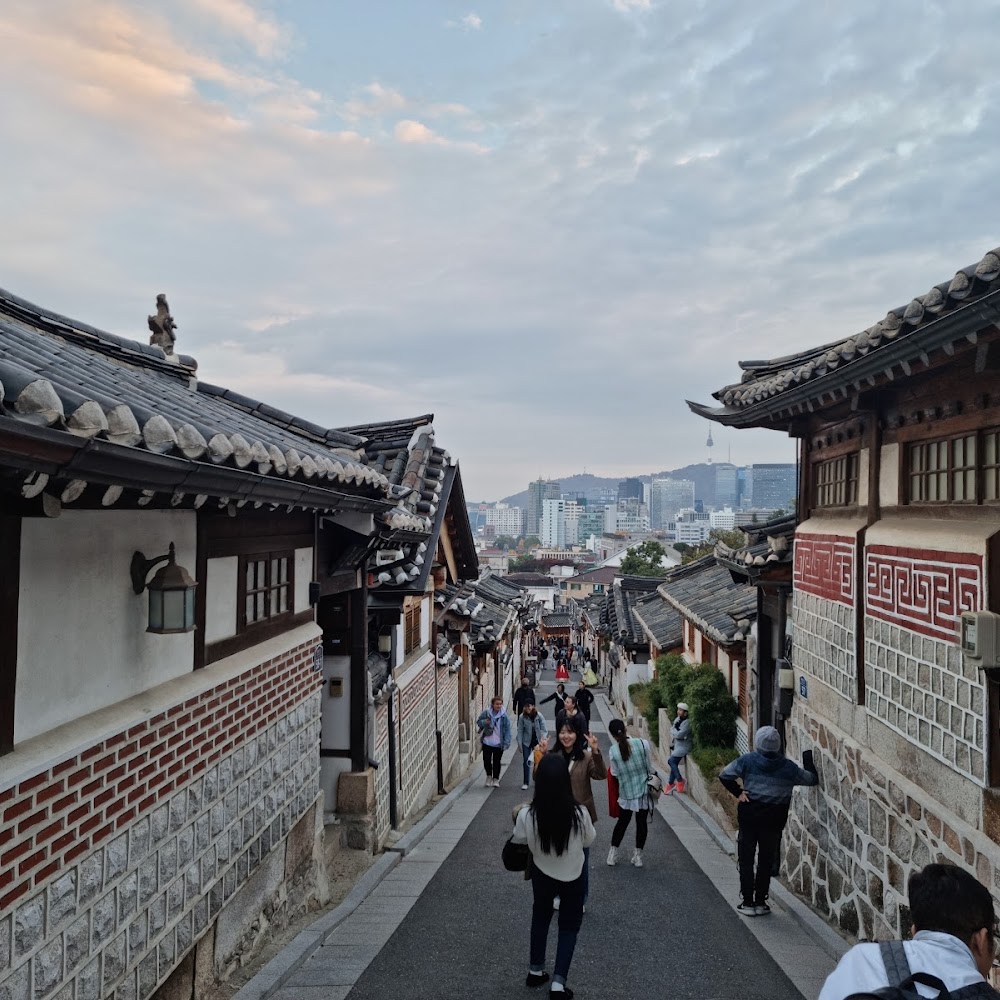
Start with Seoul's royal heart at Gyeongbokgung Palace, then wander the narrow alleys of Bukchon Hanok Village where traditional wooden houses survived the city's rapid modernization. End in Insadong's tea houses and art galleries, where locals still come to buy traditional crafts.
Pro tip: Download a T-money card app or buy the physical card at any subway station (₩2500 deposit). Traditional areas close early - plan afternoon activities for 4pm latest.
Route Map
Budget Breakdown
Estimated cost per person for 3 days. Includes accommodation, all meals, local transport, activities, and miscellaneous expenses. Does not include international flights or travel insurance.
| Category | Daily | Total |
|---|---|---|
| accommodation | $80 | $240 |
| food | $43 | $130 |
| transport | $12 | $36 |
| activities | $22 | $65 |
| misc | $15 | $45 |
| Total | $172 | $516 |
* Budget tier: mid-range. Prices in USD per person.
Money-saving tips:
- CU and GS25 convenience stores have excellent cheap meals (₩2000-4000) that locals actually eat
- Lunch sets at restaurants are 30-50% cheaper than dinner - eat your big meal at lunch
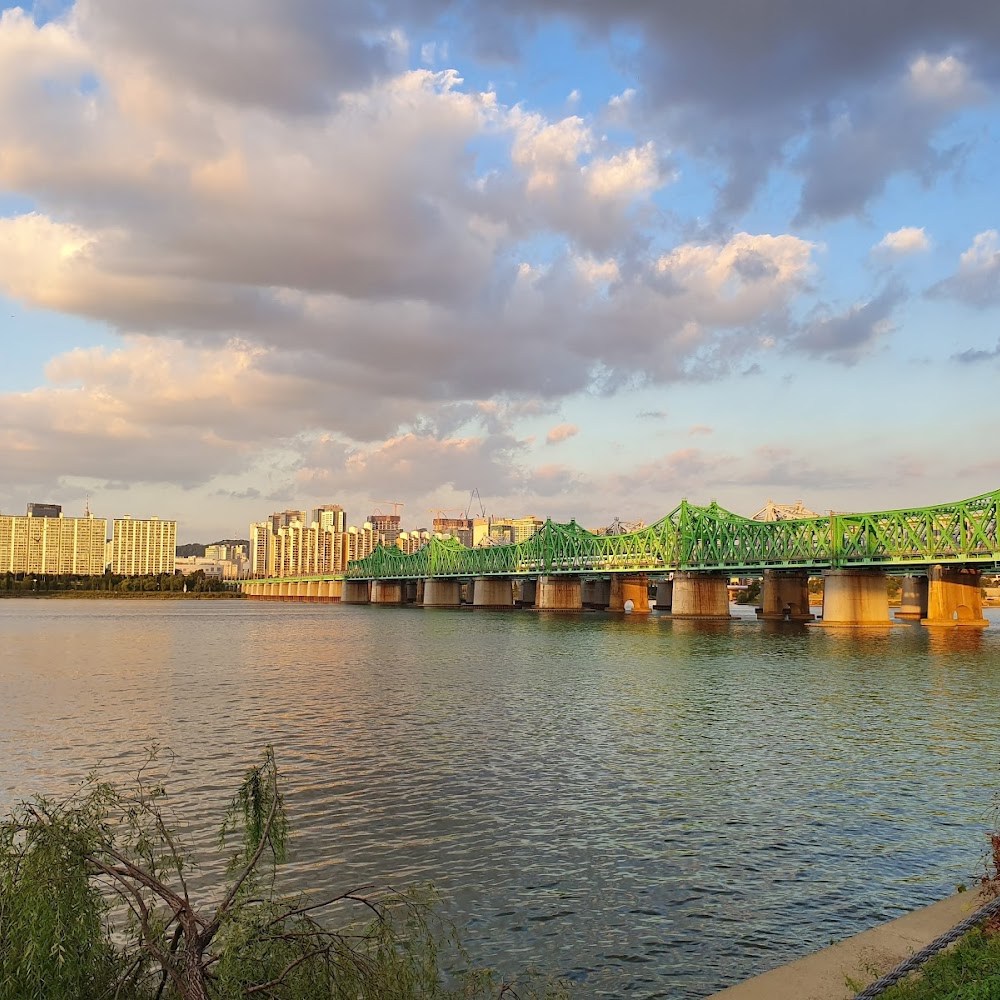
- Han River picnics with convenience store food are free entertainment that locals love
- T-money card gives small subway discounts and works on buses - load ₩20,000 for 3 days
- Many palaces offer combination tickets - Gyeongbokgung + 3 others for ₩10,000 vs ₩3,000 each
See detailed South Korea budget guide with calculator →
Daily costs, tipping, and trip calculator
When to Go
Perfect temperatures (15-25°C), cherry blossoms in spring, autumn colors, low humidity
Monsoon season with heavy rain and extreme humidity (30°C+ with 80% humidity)
Neighborhood Guide
Get oriented before you arrive — what each area feels like and how to get around.
Myeongdong
excellent walkabilityNeon signs reflecting off wet streets, crowds of young people carrying shopping bags, and the constant sizzle of street food vendors. This is tourist Seoul at its most intense but also most convenient.
Known for: Street food central, K-beauty shopping, and international chain stores
Local tip: Locals avoid the main drag but love the side street restaurants - look for places with no English signs and Korean businesspeople eating lunch
Transit: Myeongdong Station (Line 4), Euljiro 1-ga (Line 2)
Best time: evening
Not stroller-friendly
Hongdae
excellent walkabilityUniversity energy mixed with indie music spilling out of basement venues. Street performers draw crowds while groups of friends share fried chicken and beer at plastic tables on the sidewalk.
Known for: Nightlife, indie music scene, university culture, and Korean fried chicken
Local tip: The real action starts after 11pm - Korean students party until 5am then eat soup to cure hangovers
Transit: Hongik University Station (Line 2, 6, Airport Railroad)
Best time: evening
Bukchon Hanok Village
good walkabilitySteep stone paths winding between traditional wooden houses where you can hear the city humming below but feel transported to historical Korea. Elderly residents tend small gardens while tourists photograph everything.
Known for: Traditional Korean architecture (hanok houses) and cultural preservation
Local tip: Visit early morning (8-9am) to see residents going about daily life before tour groups arrive
Transit: Anguk Station (Line 3), 10-minute uphill walk
Best time: morning
Not stroller-friendly
Gangnam
good walkabilityGlass towers reflecting endless streams of luxury cars, immaculately dressed office workers, and underground shopping malls that seem to stretch forever. This is Korea's wealth and ambition on full display.
Known for: Luxury shopping, K-pop entertainment companies, and modern Korean lifestyle
Local tip: The underground COEX Mall connects to multiple subway stations - locals use it as a shortcut in bad weather
Transit: Gangnam Station (Line 2), multiple exits to different areas
Best time: anytime
Insadong
excellent walkabilityTraditional tea houses tucked between modern galleries, the smell of incense from Buddhist shops, and the sound of traditional Korean music. Feels like Seoul's cultural heart where old and new Korea negotiate their relationship.
Known for: Traditional crafts, art galleries, tea culture, and cultural preservation
Local tip: Many shops close on weekdays - weekends are actually better for browsing but busier for walking
Transit: Anguk Station (Line 3) or Jongno 3-ga Station (Lines 1, 3, 5)
Best time: afternoon
Itaewon
excellent walkabilityEnglish conversations mixing with Korean, international restaurants serving everything from Nigerian to Mexican food, and a relaxed acceptance of different lifestyles that feels unique in Seoul.
Known for: International community, diverse dining, LGBTQ+ friendly area, and vintage shopping
Local tip: The mosque and halal restaurants are authentic - Seoul's Muslim community centers here
Transit: Itaewon Station (Line 6)
Best time: anytime
What to Eat inSeoul
Eating etiquette
- •Pour drinks for others, never your own - even water
- •Wait for oldest person to start eating before you begin
- •Use chopsticks for food, spoon for rice and soup - don't mix utensils
- •It's polite to turn away from elders when drinking alcohol
- •Finish everything on your plate - leaving food suggests it wasn't good
Breakfast
Koreans traditionally eat rice, soup, and banchan (side dishes) for breakfast, but modern Seoul embraces coffee culture. Convenience stores serve excellent breakfast: kimbap (₩1,500), egg sandwiches (₩2,000), and surprisingly good coffee.
Lunch
Lunch sets (정식/jeongsik) offer the best value - same restaurants charge 50% more at dinner. Business districts serve excellent lunch from 11:30am-2pm. Don't miss Korean Chinese food (jajangmyeon black bean noodles) - it's comfort food here.
Dinner
Koreans eat dinner 6-8pm, earlier than Western countries. Korean BBQ requires 2+ people minimum. Book popular restaurants by 5pm or wait in line. Late-night culture includes fourth meals (ya-sik) around 10pm-midnight.
Dishes you can't miss
Marinated short ribs are Korea's premium BBQ - tender, sweet, and smoky
Maple Tree House or Wangbijib · $25-35
Mixed rice bowl represents Korean balance philosophy - multiple flavors in harmony
Gogung or any traditional restaurant · $8-12
Fermented kimchi stew is ultimate Korean comfort food, especially with hangover
Local restaurants in Hongdae · $6-8
Icy buckwheat noodles in cold broth - essential summer dish, surprisingly addictive
Eulji Myeonok (famous cold noodle house) · $10-15
Double-fried technique creates uniquely crispy texture, paired with beer (chimaek culture)
Kyochon or BHC · $15-20
Spicy rice cakes in gochujang sauce - Korea's favorite street food comfort dish
Gwangjang Market or Myeongdong street stalls · $3-5
Whole chicken stuffed with ginseng and rice - Koreans eat this on hottest summer days
Baeksuk or Tosokchon · $12-18
Black bean noodles adapted for Korean tastes - ultimate comfort food for delivery
Gonghwachun or neighborhood Chinese restaurants · $5-8
Street food highlights
Daily Walking Distances
Packing List
Lots of walking plus subway station stairs - Seoul averages 8,000+ steps daily
Heavy use of translation apps, subway maps, and food delivery apps drains batteries quickly
Seoul weather changes quickly and restaurants/subway are heavily air conditioned
Street food, traditional markets, and small restaurants often cash-only
For carrying purchases, water, and snacks while exploring neighborhoods
Best Korean translation app for menus and signs, works offline
Skip These
Save your time and money — here's what to skip and what to do instead.
Overhyped water show that's underwhelming and crowded. The rainbow lights last only a few minutes and you'll spend more time getting there than watching.
→ Instead:Han River Park for sunset picnic - much more authentic local experience with better city views and actual activities
Expensive (₩27,000) for views that aren't significantly better than N Seoul Tower, plus it's far from other attractions in an area with little else to do.
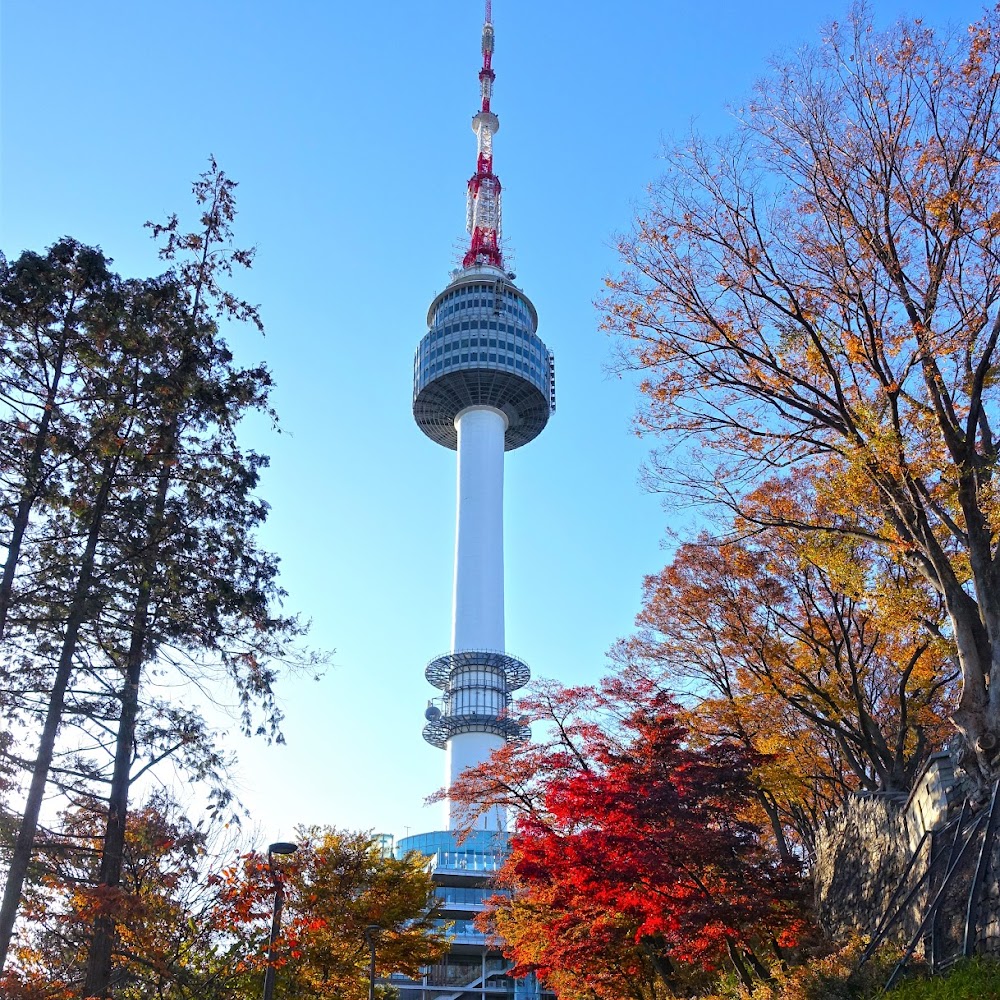
→ Instead:N Seoul Tower (₩16,000) in central location with hiking trails and nearby neighborhoods to explore after
Overpriced due to location, often prioritize presentation over taste, and lack the authentic atmosphere of neighborhood spots.
→ Instead:Hongdae or Itaewon for dinner - better value, more authentic, and lively atmosphere that matches Seoul's energy
Frequently Asked Questions
Is 3 days enough for Seoul?
Yes, 3 days covers Seoul's essential experiences - royal palaces, traditional neighborhoods, modern districts, and Korean food culture. You'll see Gyeongbokgung Palace, Bukchon Hanok Village, Gangnam, Hongdae, and experience Korean BBQ, street food, and Han River park life. Missing: day trips to DMZ, other palaces, shopping in Dongdaemun, Korean spa experiences, and deeper neighborhood exploration. Add 2 more days to include these.
Where should I stay in Seoul?
Myeongdong for first-timers (central, English signs, near shopping), Hongdae for nightlife and younger crowd, or Itaewon for international atmosphere. All have excellent subway connections. Avoid staying in Gangnam (expensive, far from historic sites) or Dongdaemun (great for shopping but limited evening dining).
How much does 3 days in Seoul cost?
Budget: $300-400 total (hostels, street food, subway only). Mid-range: $500-650 total (decent hotels, mix of restaurants, some attractions). Luxury: $800-1200 total (5-star hotels, high-end Korean BBQ, private tours). Food is surprisingly affordable - excellent meals for $8-15.
What should I not miss in Seoul?
Gyeongbokgung Palace with changing of guard ceremony, Bukchon Hanok Village traditional architecture, Korean BBQ dinner (galbi or samgyeopsal), Myeongdong street food, Han River park picnic like locals do, and Hongdae nightlife culture. These experiences capture traditional, modern, and authentic local Seoul.
What's the best time to visit Seoul?
April-May (cherry blossoms, perfect weather) and September-October (autumn colors, comfortable temperatures) are ideal. Avoid July-August monsoon season (heavy rain, oppressive humidity). Winter is cold but manageable, plus fewer crowds and good hotel deals. Spring and fall can be crowded but weather is perfect.
Travel Tips forSeoul
Master the T-money Card
Buy a T-money card (₩2500 deposit) at any subway station and load ₩20,000 for 3 days. Works on subway, buses, and some taxis. Seoul Metro has excellent English signage and real-time arrival info. Subway runs 5:30am-midnight with 2-3 minute frequencies during peak hours.
Korean BBQ Etiquette
Don't flip meat too often - let it cook properly. Use scissors provided to cut meat. Wrap grilled meat in lettuce leaves with ssamjang sauce and garlic. Pour drinks for others, never yourself. Older person starts eating first. Soju is traditional but beer is acceptable.
Convenience Store Culture
CU, GS25, and 7-Eleven are everywhere and legitimately good for meals. Try kimbap (₩1500), instant ramen with real egg added (₩2000), or coffee that's actually decent. Many have seating areas. Locals eat convenience store food regularly - it's not just tourist desperation.
Cash Still Matters
Many small restaurants, street food vendors, and traditional markets only accept cash. ATMs at 7-Eleven, CU, and banks accept foreign cards. Withdraw ₩100,000-150,000 for 3 days. Tipping is not expected anywhere - service charges are included in restaurant bills.
Korean Timing Culture
Restaurants open at 11:30am for lunch, close 3-5pm, reopen for dinner. Many attractions close Mondays. Koreans eat dinner 6-8pm (earlier than Europe). Convenience stores and some areas like Hongdae stay open 24/7. Download Papago app for real-time Korean translation.
Essential Info
Korean Won (₩) only. Cards widely accepted at major restaurants and shops, but bring cash for street food, traditional markets, and small restaurants. ATMs at convenience stores accept foreign cards.
No tipping expected anywhere - service charges included in bills at restaurants. Rounding up taxi fare is optional but not expected.
KT Olleh eSIM or physical SIM at Incheon Airport (₩30,000 for 5 days unlimited), or rent WiFi egg device
More Options inSeoul
Places that didn't make the main itinerary but are worth knowing about.
More Restaurants
Shopping
More Activities
Bars & Nightlife
Planning a full South Korea trip?
Our South Korea itineraries cover Seoul and more — with multi-city routes, transit guides, and full budget breakdowns.
Related Itineraries
Ready to plan yourSeoul trip?
Get this 3-day itinerary in your Yopki trip planner — customize, collaborate, and export to PDF.