


4-Day Lisbon Itinerary: Trams, Tiles & Timeless Views (2026)
Four days in Lisbon means golden light on azulejo tiles, the clatter of Tram 28, and pastel de nata still warm from the oven. This neighborhood-by-neighborhood guide takes you from Fado houses in Alfama to the monuments of Belém, with plenty of time to get lost in the city's seven hills.
Day-by-Day Itinerary
Start with Lisbon's grand downtown squares and Art Deco elevators, then climb to the elegant shopping district of Chiado. Perfect introduction to the city's mix of grandeur and everyday charm.
Pro tip: Wear comfortable walking shoes - Lisbon's hills are no joke. Download the Moovit app for real-time transit info.
Route Map
Budget Breakdown
Estimated cost per person for 4 days. Includes accommodation, all meals, local transport, activities, and miscellaneous expenses. Does not include international flights or travel insurance.
| Category | Daily | Total |
|---|---|---|
| accommodation | $80 | $320 |
| food | $62 | $249 |
| transport | $10 | $39 |
| activities | $24 | $94 |
| misc | $15 | $60 |
| Total | $191 | $762 |
* Budget tier: mid-range. Prices in USD per person.
Money-saving tips:
- Buy a Lisboa Card for museum discounts and public transport
- Eat at tascas and marisqueiras for authentic meals under €20
- Happy hour wine costs €3-5 at neighborhood bars
- Many viewpoints (miradouros) are completely free
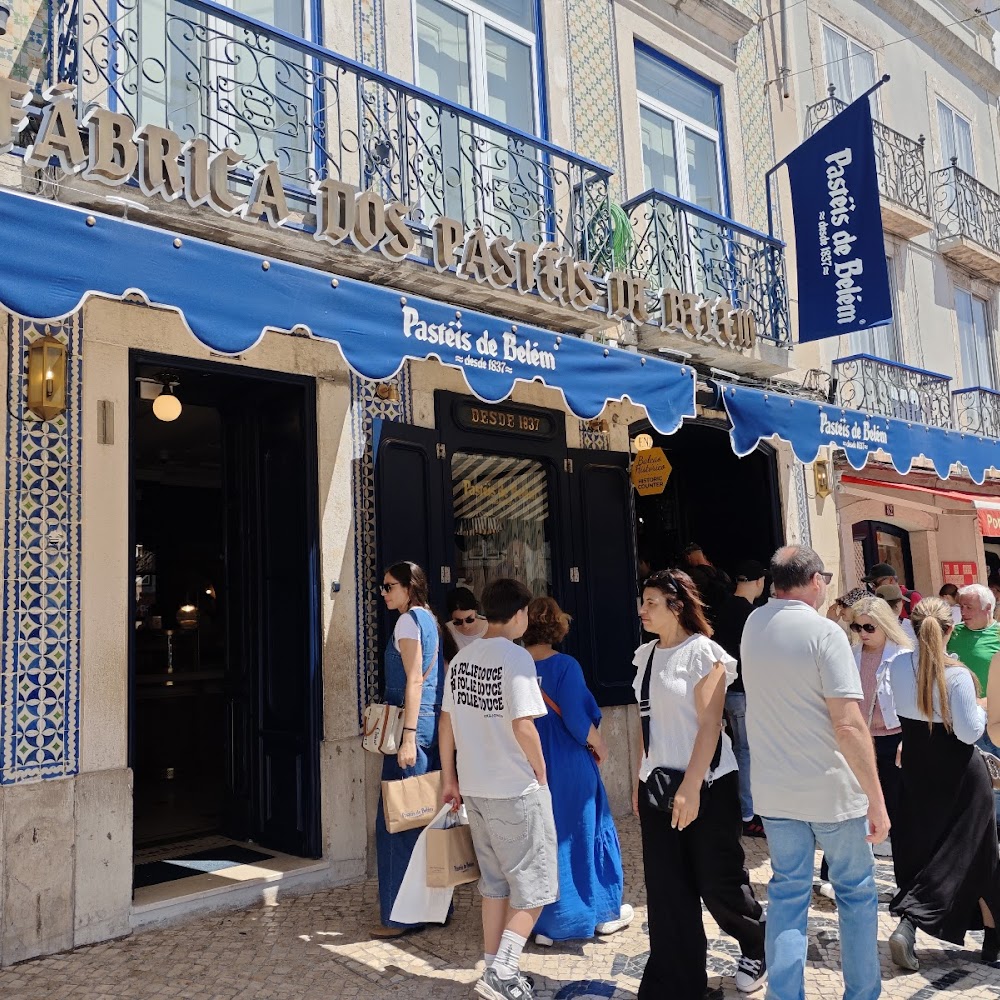
- Pastéis de nata cost €1.20 at the original Pastéis de Belém
See detailed Portugal budget guide with calculator →
Daily costs, tipping, and trip calculator
When to Go
Perfect weather for walking hills, fewer crowds, blooming jacaranda trees in May
Extreme heat (35°C+), overcrowded tourist sites, many locals on vacation in August
Neighborhood Guide
Get oriented before you arrive — what each area feels like and how to get around.
Alfama
moderate walkabilityMedieval maze of narrow cobblestone streets where laundry hangs between Moorish walls and fado music drifts from hidden tavernas. It feels like stepping back in time, with every corner revealing another stunning viewpoint.
Known for: Fado houses, São Jorge Castle, maze-like medieval streets, authentic tavernas
Local tip: Locals shop at the Tuesday/Saturday market at Largo do Chafariz de Dentro and eat lunch at tiny tascas that don't look like much from outside
Transit: Tram 28, walk from Baixa (steep uphill)
Best time: morning
Not stroller-friendly
Baixa
excellent walkabilityGrand 18th-century downtown rebuilt after the 1755 earthquake with wide pedestrian streets, elegant squares, and Art Deco shopfronts. Bustling with locals and tourists, it's Lisbon's beating commercial heart.
Known for: Rossio Square, Santa Justa Elevator, shopping streets, traditional cafes
Local tip: Locals use Baixa for quick shopping and transportation hub, but eat in surrounding neighborhoods for better value
Transit: Rossio train station, multiple metro stops
Best time: anytime
Belém
good walkabilityMonumental maritime district where Portugal's Age of Discoveries legacy lives in UNESCO World Heritage sites and the world's most famous pastéis de nata bakery. More spacious and formal than central Lisbon.
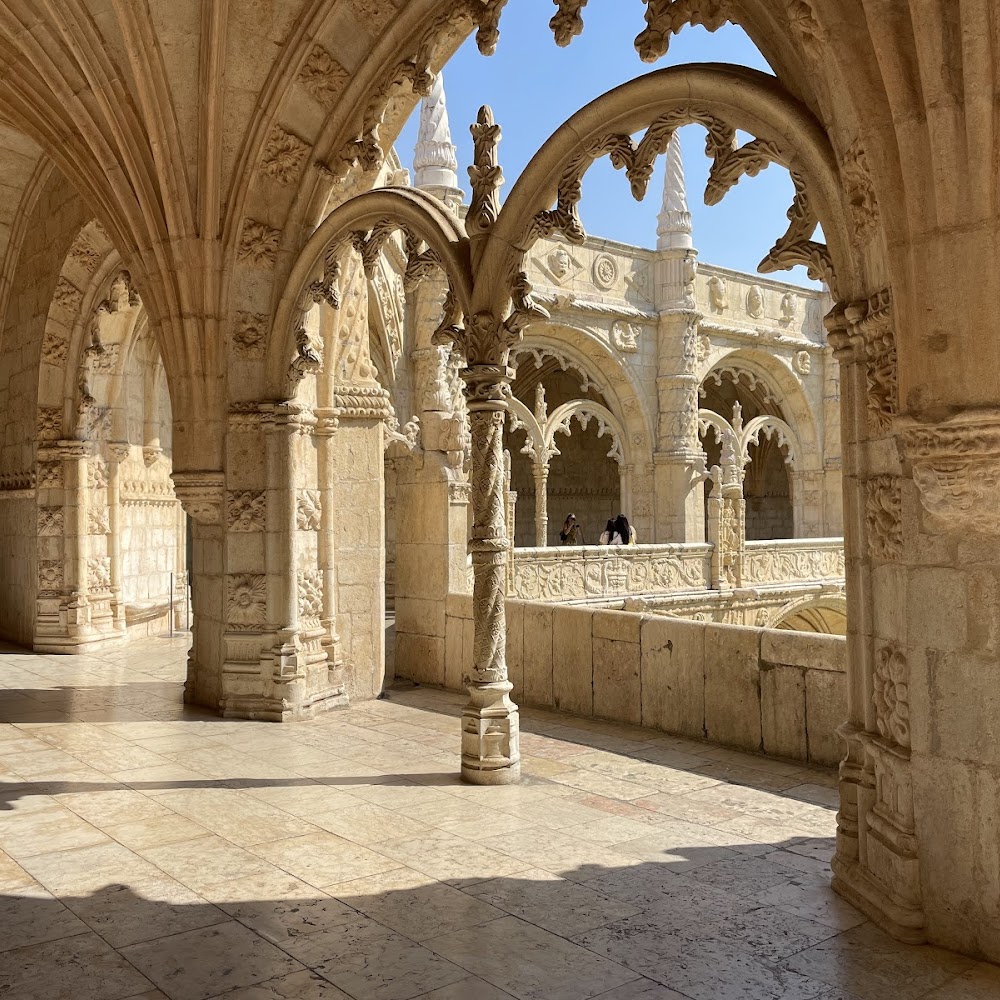
Known for: Jerónimos Monastery, Belém Tower, Pastéis de Belém, maritime museums
Local tip: Locals come on Sundays for family outings along the waterfront promenade and to eat pastéis de nata while they're still warm
Transit: Tram 15E from city center
Best time: morning
Bairro Alto
good walkabilityBohemian quarter that transforms from sleepy residential area by day to Lisbon's main nightlife district after dark. Narrow streets lined with bars, vintage shops, and street art.
Known for: Nightlife, bars, vintage shopping, bohemian atmosphere
Local tip: Locals pre-drink at home and hit Bairro Alto after 11pm. During day, it's quiet with interesting vintage and record shops
Transit: Elevador da Glória funicular, walking from Chiado
Best time: evening
Not stroller-friendly
Príncipe Real
excellent walkabilityUpscale residential area with tree-lined streets, concept stores, and trendy cafes. It feels more refined and international, popular with Lisbon's creative class and young professionals.
Known for: Designer boutiques, concept stores, trendy restaurants, beautiful garden
Local tip: Locals come for weekend brunch and to browse independent designers at Embaixada concept store
Transit: Walking from Bairro Alto or Avenidas Novas
Best time: afternoon
What to Eat inLisbon
Eating etiquette
- •Wait to be seated at restaurants, even casual ones
- •Bread and olives on the table aren't free - ask the price or say 'não obrigado'
- •Don't eat pastéis de nata with a fork - use your hands
- •It's normal to stand at the counter in traditional cafes
Breakfast
Portuguese breakfast is simple - coffee (bica or galão) with a pastry. Most locals grab coffee and a pastel de nata on their way to work, standing at the counter.
Lunch
Eat lunch between 12:30-2pm for best value. Many restaurants offer prato do dia (dish of the day) for €8-12. Look for places full of Portuguese workers.
Dinner
Dinner starts around 8pm, later on weekends. Book ahead for popular restaurants. Many traditional tascas don't take reservations - arrive early or be prepared to wait.
Dishes you can't miss
The world's best custard tarts, created by monks in 1837 with secret recipe
Pastéis de Belém (original) or Manteigaria · €1.20-1.50
Portugal's national dish - shredded cod with eggs and crispy potatoes
Taberna Real do Fado · €12-15
Summer tradition served with bread, peppers and wine - peak Portuguese experience
Any neighborhood tasca (June-August) · €8-12
Marinated pork sandwich - Portugal's ultimate comfort food and hangover cure
Taberna Ideal or any local bar · €3-4
Hearty kale soup with chouriço - perfect for cool evenings
Traditional restaurants citywide · €4-6
Decadent sandwich with steak, ham, sausage covered in beer sauce - from Porto but found in Lisbon
Northern Portuguese restaurants · €10-14
Traditional cherry liqueur served in chocolate cups - Lisbon's signature drink since 1840
A Ginjinha in Rossio · €1.50
Street food highlights
Daily Walking Distances
Packing List
Cobblestone streets and steep hills throughout the city - essential for safety
Atlantic breeze makes evenings cool even in summer, especially near the waterfront
You'll use GPS constantly for navigation in Alfama's maze-like streets
Keeps hands free for steep climbs and safer than shoulder bags on crowded trams
Lots of walking uphill in potentially hot weather - stay hydrated
Skip These
Save your time and money — here's what to skip and what to do instead.
Overpriced, inauthentic performances for tourists with mediocre food and €40+ minimum spend
→ Instead:Find authentic fado houses in Alfama like Sr. Fado or attend free performances at Fado Museum on certain evenings
Overpriced tourist trap with long lines - you'll pay double what locals pay for the same food
→ Instead:Visit neighborhood markets like Mercado de Campo de Ourique or eat at local tascas for authentic experience
Instagram-famous street that's just a painted road with overpriced tourist bars
→ Instead:Explore genuine nightlife in residential areas of Bairro Alto or authentic bars in Alfama
Waterfront area targets cruise ship passengers with inflated prices and mediocre food
→ Instead:Walk 10 minutes inland to Santos or Estrela for local restaurants with half the price and double the quality
Frequently Asked Questions
Is 4 days enough for Lisbon?
Yes, 4 days covers Lisbon's highlights well. You'll see major neighborhoods (Alfama, Baixa, Belém), try authentic food, and experience fado. You'll miss day trips to Sintra/Porto and some museums, but it's perfect for first-time visitors wanting the essential Lisbon experience without rushing.
Where should I stay in Lisbon?
Stay in Baixa (central, walkable to everything), Chiado (upscale, great restaurants), or Príncipe Real (trendy, boutique hotels). Avoid Cais do Sodré (too touristy) and Marquês de Pombal (business district, dead at night). Alfama is atmospheric but very hilly with narrow streets.
How much does 4 days in Lisbon cost?
Budget: $400-500 total (hostels, tascas, public transport). Mid-range: $650-800 (3-star hotels, mix of restaurants, some taxis). Luxury: $1200+ (5-star hotels, Michelin dining, private tours). Food is very affordable - excellent meals under $20.
What should I not miss in Lisbon?
Don't miss: Original pastéis de nata at Pastéis de Belém, getting lost in Alfama's medieval streets, authentic fado performance, Tram 28 ride, sunset from a miradouro, and grilled sardines with cheap wine. Skip the tourist fado restaurants in Bairro Alto - find authentic ones in Alfama.
What's the best time to visit Lisbon?
April-June and September-October offer perfect weather (20-26°C), fewer crowds, and reasonable prices. Avoid July-August (35°C+ heat, overcrowded). Winter is mild but rainy. May is magical with blooming jacaranda trees lining the streets.
Travel Tips forLisbon
Master the hills without exhaustion
Lisbon has seven hills and they're steep. Use the three funiculars (Glória, Bica, Lavra) to save energy, take the famous Tram 28 for sightseeing, and always carry water. Uber is cheap ($3-5 rides) for uphill climbs after dark.
Watch for pickpockets on Tram 28
Tram 28 is iconic but notorious for pickpockets targeting tourists. Keep bags zipped and in front, don't use phones near doors, and consider taking it early morning when less crowded. The 15E tram to Belém is safer and more comfortable.
Eat like locals for half the price
Avoid restaurants with English menus near major sights. Best meals are at neighborhood tascas where locals eat. Look for handwritten menus, check if workers eat there at lunch, and don't be afraid of places that look basic - often the best food.
Cash is still king in traditional places
Many traditional tascas, markets, and small shops only accept cash. ATMs are everywhere but some charge fees. Bring euros or use ATMs from major Portuguese banks (Millennium, CGD) to avoid extra charges.
Respect fado performance etiquette
During fado performances, complete silence is mandatory - no talking, phone use, or clapping mid-song. Wait for the singer to finish completely before applauding. It's deeply emotional music about loss and longing, treat it with reverence.
Essential Info
Euro (€) is used. Cards accepted at most restaurants and shops, but bring cash for traditional tascas, markets, and tips. ATMs widely available.
10% at restaurants for good service, round up taxi fares, €1-2 for tour guides, no tipping at cafes or bars unless exceptional service
Vodafone or MEO prepaid SIMs available at airport, or use eSIM from Airalo/Holafly for €15-25
Planning a full Portugal trip?
Our Portugal itineraries cover Lisbon and more — with multi-city routes, transit guides, and full budget breakdowns.
Related Itineraries
Ready to plan yourLisbon trip?
Get this 4-day itinerary in your Yopki trip planner — customize, collaborate, and export to PDF.