


10 Day Portugal Itinerary
Explore Portugal's soul from Lisbon's historic trams to Porto's riverside charm. This 10-day itinerary balances must-see sights with neighborhood wandering, incredible food, and enough downtime to actually enjoy the journey.
Day-by-Day Itinerary
Route Map
Budget Breakdown
Estimated cost per person for 10 days. Includes accommodation, all meals, local transport, activities, and miscellaneous expenses. Does not include international flights or travel insurance.
| Category | Daily | Total |
|---|---|---|
| accommodation | $76 | $760 |
| food | $48 | $480 |
| transport | $17 | $170 |
| activities | $24 | $240 |
| misc | $15 | $150 |
| Total | $180 | $1800 |
* Budget tier: mid-range. Prices in USD per person.
Money-saving tips:
- Lunch menus offer better value than dinner at upscale restaurants
- Many museums are free on Sunday mornings - plan accordingly
- Tram day passes (€6) pay for themselves after 3+ rides
- Portuguese wine is excellent and cheap - €3-5/glass at restaurants
- Book accommodations outside peak summer to save 30-40%
When to Go
Perfect weather, manageable crowds, and everything open
Peak summer heat, crowds, and higher prices
Neighborhood Guide
Get oriented before you arrive — what each area feels like and how to get around.
Baixa
excellent walkabilityGrid-like streets buzz with trams clanking over cobblestones while suited locals weave between bewildered tourists. The energy is commercial but elegant, like a European shopping district that survived an earthquake and came back stronger.
Known for: Pombaline architecture and being Lisbon's downtown commercial heart
Local tip: Locals use Baixa as a transit hub - they grab quick coffee at the small corner pastelarias, not the touristy cafés
Transit: Rossio Metro (Green/Blue lines) and multiple tram stops
Best time: morning
Alfama
moderate walkabilityNarrow medieval alleys wind uphill past laundry lines and old ladies in doorways who've lived here for 60 years. It feels like a village that got swallowed by a city but refused to change its ways.
Known for: Fado music and being Lisbon's oldest neighborhood
Local tip: Follow the smell of grilled sardines to find the best tasca (tavern) - locals eat where they can smell the fish cooking
Transit: Tram 28 stops throughout, or walk up from Baixa
Best time: afternoon
Not stroller-friendly
Belém
good walkabilityWide boulevards and manicured gardens give this area a formal, presidential feel. The Tagus River stretches endlessly, making everything feel grand and historically significant.
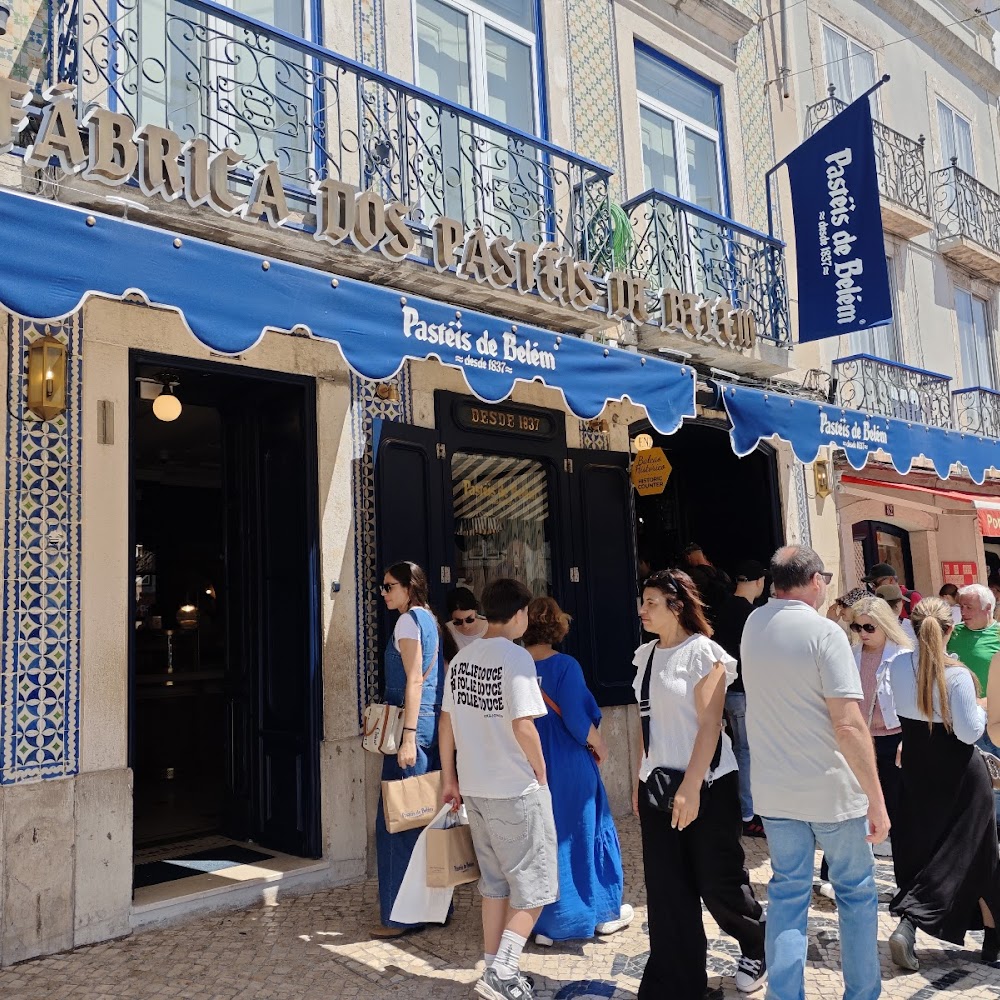
Known for: Jerónimos Monastery and pastéis de nata birthplace
Local tip: Locals skip the famous Pastéis de Belém line and go to Padaria do Bairro on Rua de Belém for equally good pastéis
Transit: Tram 15E from Praça da Figueira, or train to Belém station
Best time: morning
Bairro Alto
good walkabilityBy day it's sleepy and residential with old-timers playing cards in tiny bars. By night it transforms into a raucous outdoor party where everyone spills onto the narrow streets with plastic cups.
Known for: Nightlife and traditional Portuguese bars
Local tip: Locals pre-drink at the small bars before heading to clubs in Cais do Sodré around 1am
Transit: Elevador da Bica or walk up from Chiado Metro
Best time: evening
Not stroller-friendly
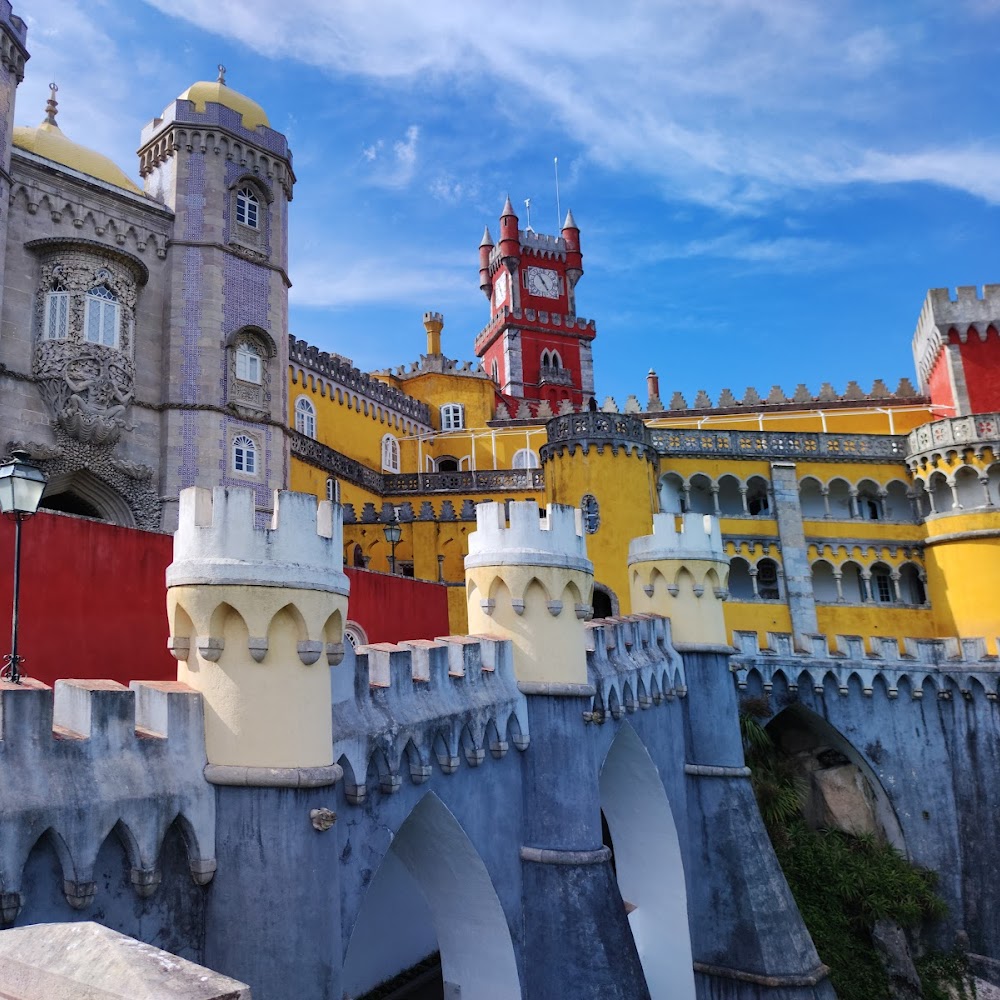
Sintra Vila
moderate walkabilityFairy-tale mist clings to colorful palaces perched on forested hills. The air is cooler and cleaner, making you feel like you've stumbled into a romantic European fantasy.
Known for: Romantic palaces and UNESCO World Heritage sites
Local tip: Take bus 434 early morning to skip crowds at Pena Palace, locals avoid weekends entirely
Transit: Sintra train station, then local buses to palaces
Best time: morning
Not stroller-friendly
Ribeira
good walkabilityColorful medieval buildings lean into each other like old friends sharing secrets, while the Douro River reflects their facades. It's postcard-perfect but lived-in, with real families hanging laundry from ancient windows.
Known for: UNESCO World Heritage waterfront and iconic azulejo tiles
Local tip: Locals avoid the riverfront restaurants - they eat at hidden tascas on the streets behind, like Taberna do Real Fado
Transit: São Bento Metro station, 10-minute walk downhill
Best time: afternoon
Not stroller-friendly
Cedofeita
excellent walkabilityFormer industrial streets now pulse with creative energy as young designers, artists, and digital nomads occupy converted warehouses. It feels like Brooklyn but with better coffee and cheaper rent.
Known for: Contemporary design shops and artisan coffee roasters
Local tip: Locals browse the independent designers on Rua Miguel Bombarda then grab petiscos at Maus Hábitos
Transit: 24 de Agosto Metro station or multiple bus lines
Best time: afternoon
What to Eat inPortugal
Lisbon
Eating etiquette
- •Round up to the nearest euro for tips, 5-10% max
- •Don't expect free bread - couvert (appetizers) cost €2-5
- •Say 'obrigado/a' when the server brings food
Breakfast
Locals stand at pastelaria counters with galão (coffee with milk) and torrada (toast) for €3 total - sitting adds 30% to the price
Lunch
Look for 'prato do dia' (dish of the day) at traditional restaurants for €6-9, served 12pm-2pm only
Dinner
Dinner starts at 7:30pm earliest, peak is 8:30-9:30pm. Book ahead for weekends, or arrive right at opening
Dishes you can't miss
Crispy custard tarts invented by monks, best warm with cinnamon
Pastéis de Belém (original) or local pastelaria · €1.20-1.50
Thin pork cutlet in crusty bread - ultimate Portuguese comfort food
Any tasca or Carris coffee shops · €2-3
Lisbon's summer soul food, charcoal-grilled with peppers and bread
Taberna Ideal or during Santos Populares festivals · €8-12
Hearty kale soup that's Portugal's national comfort dish
Tasca do Chico · €3-4
Street food highlights
Porto
Eating etiquette
- •Tipping 5-10% is sufficient
- •Share petiscos (small plates) - it's expected
- •Don't refuse the couvert if you're hungry - it's usually good quality
Breakfast
Locals grab pastel de nata and coffee at neighborhood cafés for under €3, or imperial (small beer) and tostas for weekend brunch
Lunch
Francesinha for lunch is a local tradition - heavy but authentic. Or find 'dose' (half portion) options at traditional restaurants
Dinner
Dinner later than Lisbon, 8-9pm start. Many traditional restaurants close Sundays. Book trendy places in advance
Dishes you can't miss
Porto's iconic sandwich - wet sandwich with melted cheese and secret sauce
Santiago do Café or Lado B Café · €8-12
Codfish casserole invented in Porto with potatoes and olives
Taberna do Real Fado · €12-15
Tripe stew that earned Porto residents the nickname 'tripeiros'
Oficina · €10-13
Port wine was born here, paired with Serra da Estrela cheese
Vila Nova de Gaia cellars · €15-25 tasting
Street food highlights
Getting Between Cities
How to book: Use existing Lisboa Card or buy at Rossio station machines - select 'Sintra' destination
Platform: Trains depart from Rossio station platform, Sintra is the end of the line
Luggage: Leave big bags at hotel - no storage in Sintra and lots of walking/stairs
Pro tip: Sit on right side for countryside views after Queluz
How to book: Book online at cp.pt or at Santa Apolónia/Oriente station - book 24-48 hours ahead
Platform: Departs from Santa Apolónia or Oriente stations, arrives at Porto Campanhã
Luggage: Large bags go in overhead racks or space at car ends - no size restrictions
Pro tip: Right side for river views approaching Porto, Alfa Pendular more comfortable but Intercidades adequate
Daily Walking Distances
Packing List
Lisbon's cobblestones and steep hills, Porto's wet stones can be slippery
Both cities get sudden Atlantic showers year-round
Coastal weather changes quickly, Sintra is always 5°C cooler
Heavy use for tram tickets, restaurant reservations, and Google Translate
You'll use Lisbon public transport constantly
Strong Atlantic sun reflects off white buildings and river
For carrying water, layers, and purchases during long walking days
Many public fountains, saves money on €2 bottles
Many tascas and markets still cash-only, tipping culture
Evening coastal winds, also useful for covering shoulders in churches
After touching tram handles and exploring markets
Older locals in Alfama and traditional restaurants speak limited English
Skip These
Save your time and money — here's what to skip and what to do instead.
Expensive ferry ride for a mediocre view that's much better from the free Miradouro da Senhora do Monte in Lisbon
→ Instead:Take the Santa Justa Elevator or visit Miradouro da Senhora do Monte for better city views without the tourist trap pricing
Overpriced tourist food hall with long lines - real Portuguese food is at neighborhood tascas for half the price
→ Instead:Eat at Tasca do Chico in Bairro Alto or any neighborhood tasca for authentic food and local atmosphere
€5 entrance fee to see a crowded bookstore where you can't properly browse due to tourist photos
→ Instead:Visit Matéria Prima for contemporary Portuguese design or browse the free Bolhão Market for authentic local culture
€40+ for routes you can do yourself on Tram 28 for €3, plus drivers often give inaccurate information
→ Instead:Take Tram 28 for the same scenic route through historic neighborhoods at your own pace
€50+ for mediocre food and commercialized fado performance for tour groups
→ Instead:Go to Tasca do Chico or Sr. Fado for authentic fado with locals, where singers perform for love not money
Frequently Asked Questions
Is 10 days enough for Portugal?
Yes, 10 days is perfect for exploring Lisbon and Porto thoroughly, with a day trip to Sintra. This allows time to experience both cities' neighborhoods, food scenes, and major attractions without rushing. You could add the Douro Valley or Óbidos, but this itinerary covers Portugal's essential highlights.
How much does 10 days in Portugal cost?
Budget travelers can manage on $80-100/day, mid-range visitors should plan $150-200/day, and luxury travelers $300+/day. Portugal offers excellent value - wine is cheap, food portions are generous, and many attractions cost under $15. Accommodation and dining are significantly cheaper than other Western European destinations.
What is the best month to visit Portugal?
May, June, September, and October offer the best weather and fewer crowds. April is also excellent but can be rainy. Avoid July-August if you dislike heat and crowds, though coastal areas stay cooler. Winter (Dec-Feb) is mild but wettest, perfect for budget travelers who don't mind occasional rain.
Do I need a visa for Portugal?
US, UK, Canadian, and Australian citizens can visit visa-free for up to 90 days in a 180-day period. EU citizens can stay indefinitely. Ensure your passport is valid for at least 6 months. Portugal is part of the Schengen zone, so entry here counts toward your 90-day Schengen limit.
Travel Tips forPortugal
Tram 28 Strategy
Board Tram 28 at early morning stops like Martim Moniz to avoid pickpocket-heavy tourist areas. It's scenic but not practical transport - use metro for efficiency.
Restaurant Wine Hack
Portuguese wine is exceptional and cheap. House wine at restaurants is often better than expensive bottles elsewhere. Ask for 'vinho da casa' and never pay more than €5/glass.
Fado Etiquette
During fado performances, silence is essential - no talking, photos, or clapping until the song ends. This isn't tourist entertainment; it's deeply emotional Portuguese tradition.
Lunch Menu Secret
Many upscale restaurants offer lunch menus at half the dinner price. Book your splurge meal for lunch and eat casually for dinner to save 40-50%.
Portugal vs Spain Time
Portugal is 1 hour behind Spain despite similar longitude. This means later sunsets and Portuguese dining times align more with Northern Europe than Spain.
Essential Info
Portugal uses the Euro. Cards accepted everywhere, but carry cash for small cafés and markets. ATMs are plentiful and usually offer better exchange rates than exchange bureaus.
Tipping is not mandatory but appreciated. Round up café bills, leave 5-10% at restaurants if service was good. Taxi drivers don't expect tips unless they help with luggage.
Airalo eSIM for Europe or local MEO/Vodafone SIM at airport
More Options inPortugal
Places that didn't make the main itinerary but are worth knowing about.
More Activities
More Restaurants
Shopping
Bars & Nightlife
Cafes & Coffee
Explore Each City
Want to spend more time in a specific city? Check out our city-level deep-dive guides.
Related Itineraries
Ready to plan yourPortugal trip?
Get this 10-day itinerary in your Yopki trip planner — customize, collaborate, and export to PDF.