
3-Day Osaka Itinerary: Japan's Kitchen & Street Food Capital (2026)
Osaka isn't just Japan's kitchen—it's where locals perfect the art of kuidaore (eating until you drop). This guide takes you through the neon-lit streets of Dotonbori, hidden kushikatsu joints in Shinsekai, and morning markets where chefs source the day's best ingredients.
Day-by-Day Itinerary
Start with Osaka's most famous district where mechanical crabs wave from building facades and takoyaki vendors compete for the best batter. This is sensory overload in the best way—flashing signs, sizzling grills, and crowds of locals hunting for the perfect late-night snack.
Pro tip: Start early at Kuromon Market when vendors are setting up and locals are shopping. The real magic of Dotonbori happens after dark when the neon signs reflect in the canal.
Route Map
Budget Breakdown
Estimated cost per person for 3 days. Includes accommodation, all meals, local transport, activities, and miscellaneous expenses. Does not include international flights or travel insurance.
| Category | Daily | Total |
|---|---|---|
| accommodation | $80 | $240 |
| food | $38 | $113 |
| transport | $9 | $28 |
| activities | $13 | $40 |
| misc | $15 | $45 |
| Total | $155 | $466 |
* Budget tier: mid-range. Prices in USD per person.
Money-saving tips:
- Buy Osaka Metro day passes (¥800) instead of individual tickets
- Eat at department store food floors (depachika) for high quality at reasonable prices
- Many temples and shrines are free—only major attractions charge entry
- Convenience store breakfast is cheap (¥300-500) and surprisingly good
- Look for lunch sets at restaurants—same food as dinner for half the price
See detailed Japan budget guide with calculator →
Daily costs, tipping, and trip calculator
When to Go
Cherry blossom season (March-April) and comfortable spring weather perfect for walking
Extremely hot and humid summers with temperatures reaching 35°C and high humidity
Neighborhood Guide
Get oriented before you arrive — what each area feels like and how to get around.
Dotonbori
excellent walkabilityWalking through Dotonbori feels like being inside a neon-soaked video game where every building competes for attention with mechanical crabs, giant pufferfish, and LED screens. The energy is infectious as crowds flow between street food stalls and the canal reflects a kaleidoscope of lights.
Known for: Iconic neon signs, street food, and the birthplace of modern Japanese entertainment districts
Local tip: Locals eat takoyaki standing up at the stall counters rather than taking it to-go—it tastes better hot and the vendors appreciate the interaction
Transit: Namba Station (all lines)
Best time: evening
Not stroller-friendly
Namba
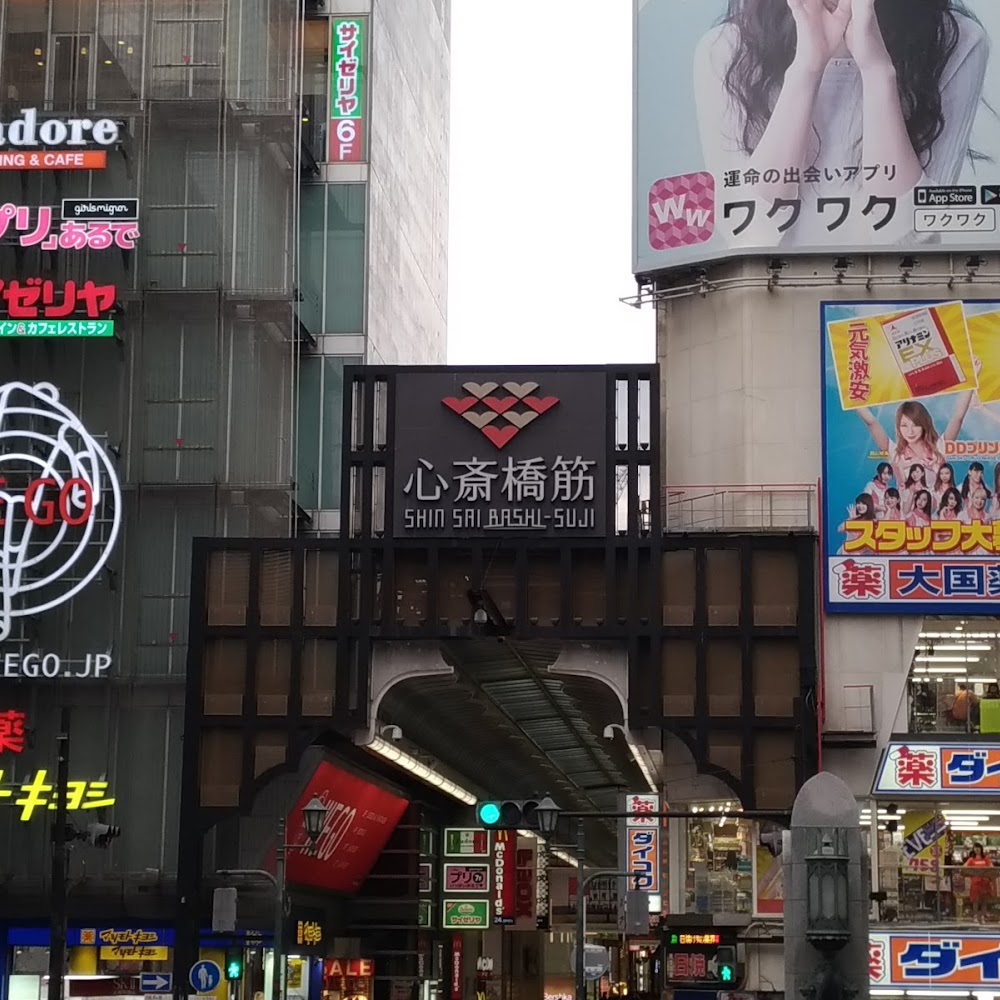
excellent walkabilityNamba buzzes with controlled chaos as salary workers, tourists, and teenagers navigate endless covered shopping arcades. The sound of pachinko parlors mixes with street musicians while the smell of grilled meat and coffee drifts from countless stalls.
Known for: Shopping arcades, business district energy, and the gateway to Osaka's entertainment areas
Local tip: Use the underground passages to avoid crowds and weather—they connect most major buildings and have their own shops and restaurants
Transit: Namba Station (central hub)
Best time: anytime
Shinsekai
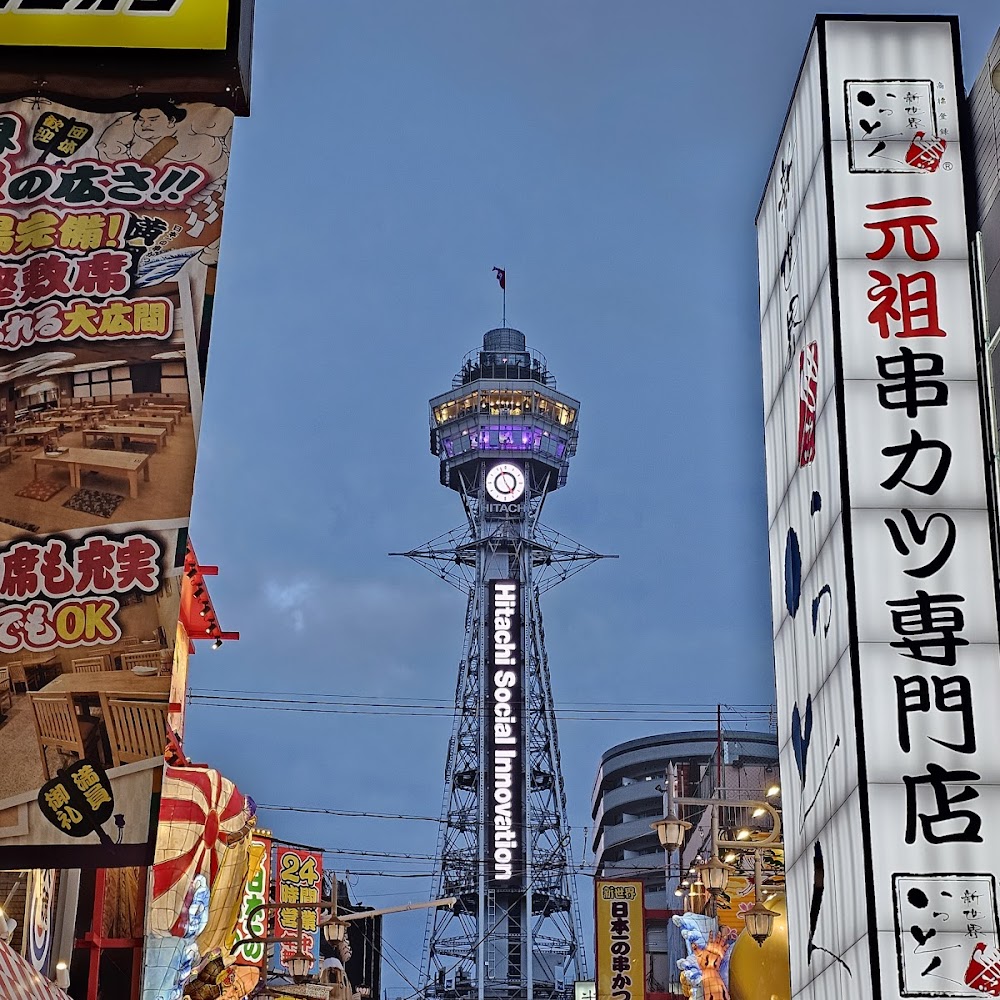
good walkabilityStepping into Shinsekai feels like time travel to 1950s Japan with retro signs, pachinko parlors, and the towering Tsutenkaku. The neighborhood has a working-class grittiness that's increasingly rare in modern Japan, where elderly locals play shogi in parks.
Known for: Kushikatsu restaurants, retro atmosphere, and old-school Japanese entertainment
Local tip: The kushikatsu joints here are touristy but authentic—locals still come for the atmosphere and cheap beer
Transit: Dobutsuen-mae Station
Best time: afternoon
Not stroller-friendly
Umeda
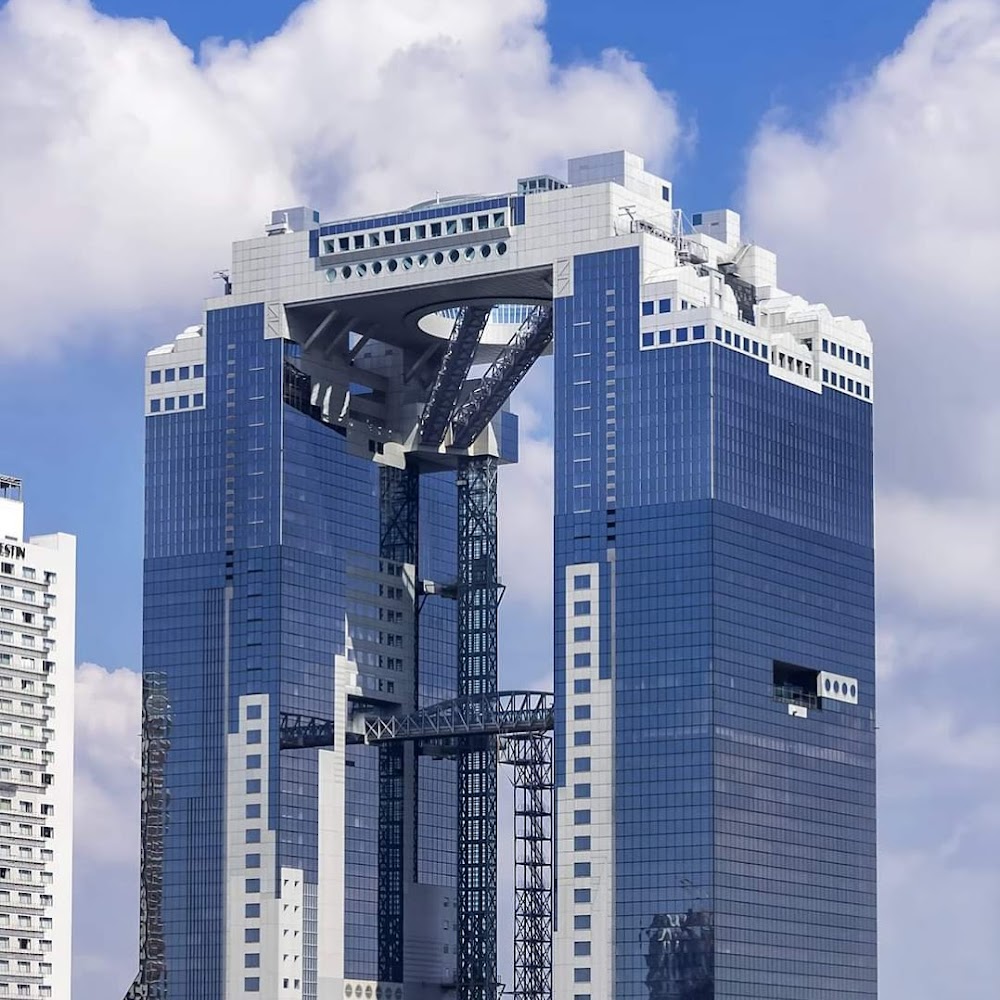
excellent walkabilityUmeda embodies modern Japan with glass skyscrapers, underground shopping labyrinths, and efficiently dressed professionals hurrying between meetings. The underground maze can swallow you whole, but surface-level offers breathing room and impressive architecture.
Known for: Business district, modern architecture, and massive underground shopping network
Local tip: The department store basement food courts (depachika) offer restaurant-quality meals at convenience prices
Transit: Umeda/Osaka Station (major hub)
Best time: morning
What to Eat inOsaka
Eating etiquette
- •Slurp noodles loudly—it's considered polite and cools the food
- •Don't stick chopsticks upright in rice (funeral ritual)
- •Say 'itadakimasu' before eating and 'gochisosama' after
- •At kushikatsu stalls, never double-dip in the communal sauce
Breakfast
Most locals grab convenience store coffee and pastries or eat at hotel buffets. Traditional breakfast (fish, rice, miso soup) is rare outside ryokans.
Lunch
Look for 'lunch sets' or 'teishoku' at restaurants—same food as dinner for half the price. Department store food courts offer high quality at reasonable prices.
Dinner
Dinner starts early (6-7pm) at family places, later (8-9pm) at izakayas. Popular restaurants don't take reservations—arrive early or expect to wait.
Dishes you can't miss
Osaka invented these octopus balls—crispy outside, molten inside, with umami-rich sauce and dancing bonito flakes
Juhachiban (Dotonbori) or street stalls · $3-5 for 6-8 pieces
Osaka-style has ingredients mixed in the batter, unlike Hiroshima-style layers. Try modanyaki with yakisoba noodles
Mizuno (70-year-old family restaurant) · $8-12 per pancake
Battered and fried skewers invented in Osaka. The no double-dipping rule keeps the communal sauce clean
Daruma Honten (original location) · $1-3 per skewer
Osaka's signature udon with sweet simmered tofu—comfort food that locals eat when hungover
Usagi to Kame (famous local chain) · $4-6
Osaka's famous pork buns with secret recipe sauce. Locals line up at the airport to take them as omiyage
551 Horai (Osaka institution) · $2-3 per bun
Squid pressed flat and grilled, unique to Osaka. Often eaten while walking between bars
Street stalls in Dotonbori · $3-4
Street food highlights
Daily Walking Distances
Packing List
Essential for navigation and translation apps in this tech-heavy city
Many local restaurants and street stalls are cash-only
Expect 6-10km of walking daily on concrete and cobblestones
Sudden rain showers common, especially May-June rainy season
Most public restrooms don't provide towels or hand dryers
Skip These
Save your time and money — here's what to skip and what to do instead.
Requires a full day and doesn't showcase authentic Osaka culture—just expensive theme park crowds
→ Instead:Spend the day exploring traditional neighborhoods like Sumiyoshi and eating your way through local markets
Overpriced aquarium that's far from city center and not particularly special compared to other world-class aquariums
→ Instead:Visit Kuromon Market and Sumiyoshi Shrine for more authentic cultural experiences
Overpriced tourist trinkets with inflated prices—you're paying for the location
→ Instead:Buy omiyage at department store basement food courts or Don Quijote for better prices and quality
Frequently Asked Questions
Is 3 days enough for Osaka?
Yes, 3 days covers Osaka's highlights well since it's a compact city focused on food and urban culture. You'll experience the main neighborhoods (Dotonbori, Namba, Umeda), try the famous street foods, and see key sights like Osaka Castle. You'd miss day trips to Nara or Kyoto, and wouldn't have time for Universal Studios, but you'll get a solid taste of Japan's kitchen.
Where should I stay in Osaka?
Namba and Dotonbori offer the best location for first-timers—walking distance to street food, shopping, and nightlife. Umeda is better for business travelers with newer hotels and easy airport access. Avoid staying in Tennoji or outer areas unless on a tight budget, as you'll spend more time commuting to attractions.
How much does 3 days in Osaka cost?
Budget: $100-120/day (hostels, convenience store meals, free attractions). Mid-range: $150-180/day (business hotels, restaurant meals, paid attractions). Splurge: $250-300/day (luxury hotels, kaiseki dinners, shopping). Transportation is cheap at $10-15/day with metro passes.
What should I not miss in Osaka?
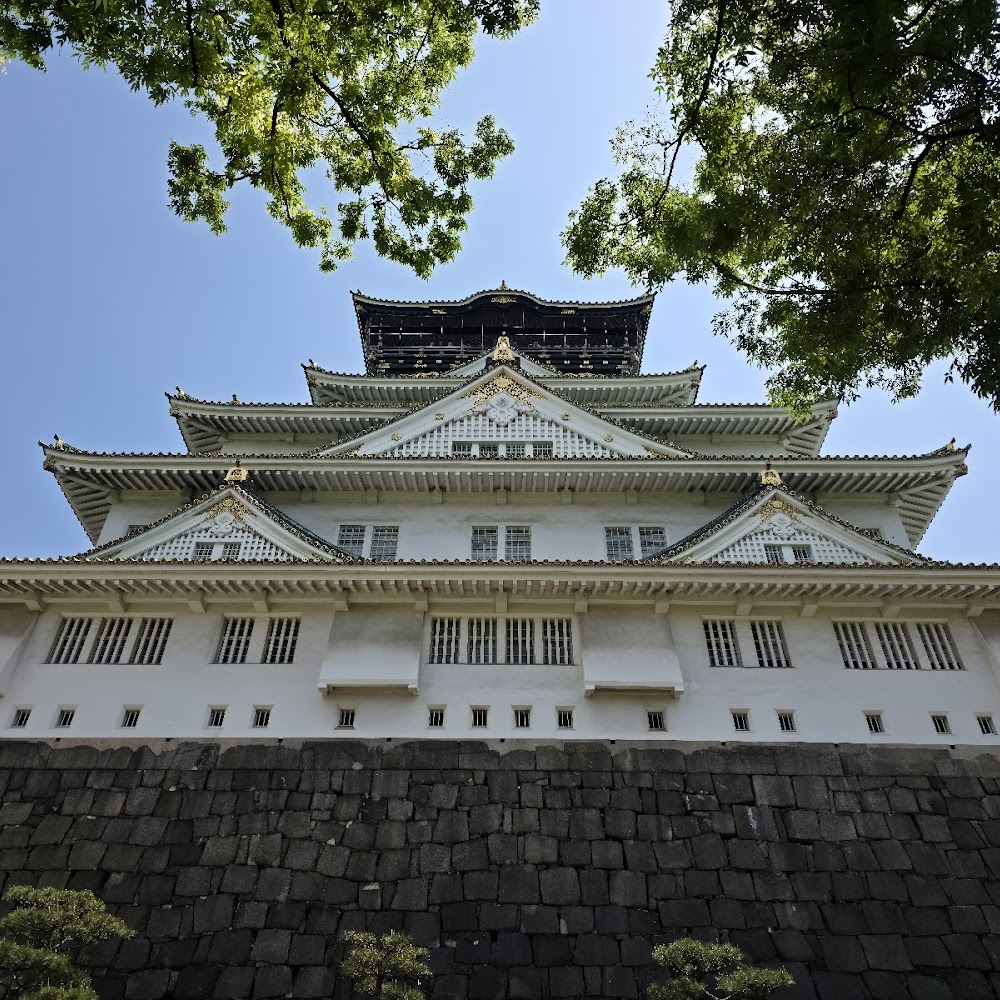
Dotonbori street food crawl (takoyaki, okonomiyaki), Kuromon Market for breakfast, Osaka Castle for history, and at least one traditional kushikatsu meal in Shinsekai. The neon-lit canal photos at night and experiencing a local kissaten coffee shop are quintessentially Osaka.
What's the best time to visit Osaka?
March-May offers cherry blossoms and perfect weather for walking. October-November has comfortable temperatures and fall colors. Avoid July-August due to extreme heat and humidity. Winter is mild but can be rainy, though it's the best time for budget travelers with fewer crowds.
Travel Tips forOsaka
Master the Art of Kuidaore
Osaka's food philosophy is 'kuidaore' (eating until you drop). Don't fill up at one place—order small portions and move between stalls. The holy trinity is takoyaki, okonomiyaki, and kushikatsu. Try them all in one evening for the full experience.
Bow Before Entering Temples
At Shinto shrines, bow before entering the torii gate, wash hands and mouth at the purification fountain, and bow twice, clap twice, bow once when praying. At Buddhist temples, simply bow respectfully before the main hall.
Rush Hour Strategy
Osaka Metro gets packed 7-9am and 5-7pm. Travel before 7am or after 9:30am when possible. If caught in rush hour, let several trains pass and board the less crowded cars at the ends. IC cards (ICOCA) work on all transit.
Cash is Still King
Many local restaurants and street food stalls are cash-only. Withdraw money from 7-Eleven ATMs which accept foreign cards. Department stores and chains accept cards, but always carry at least ¥5,000 cash for food and small purchases.
Download Offline Maps
Google Translate's camera feature works great for menus. Download offline maps for Osaka Metro—the underground shopping areas can be confusing without GPS. Many shop signs are in English, but restaurant menus often aren't.
Essential Info
Japan is still largely cash-based. Use 7-Eleven or post office ATMs for foreign cards. IC cards (ICOCA) work for transit and many shops.
No tipping expected anywhere in Japan. Service charges are included. Attempting to tip can cause confusion or offense.
Mobal or SIM2Fly eSIM for data. Airport rental WiFi routers are expensive but reliable. Most hotels have free WiFi.
More Options inOsaka
Places that didn't make the main itinerary but are worth knowing about.
More Restaurants
Bars & Nightlife
Shopping
More Activities
Planning a full Japan trip?
Our Japan itineraries cover Osaka and more — with multi-city routes, transit guides, and full budget breakdowns.
Related Itineraries
Ready to plan yourOsaka trip?
Get this 3-day itinerary in your Yopki trip planner — customize, collaborate, and export to PDF.