
14-Day Japan Itinerary: Complete First-Timer's Guide
Experience Japan's incredible contrast — from Tokyo's neon-lit streets and ancient temples to Kyoto's bamboo forests and Osaka's legendary food culture. This two-week journey covers all the essentials while leaving room to discover your own favorites.
Day-by-Day Itinerary
Route Map
Budget Breakdown
Estimated cost per person for 14 days. Includes accommodation, all meals, local transport, activities, and miscellaneous expenses. Does not include international flights or travel insurance.
| Category | Daily | Total |
|---|---|---|
| accommodation | $95 | $1330 |
| food | $55 | $770 |
| transport | $25 | $350 |
| activities | $25 | $350 |
| misc | $15 | $210 |
| Total | $215 | $3010 |
* Budget tier: mid-range. Prices in USD per person.
Money-saving tips:
- Get a 14-day JR Pass for unlimited train travel including Shinkansen
- Convenience store meals (konbini) are excellent quality and very affordable
- Lunch sets at restaurants are often 50% cheaper than dinner
- Many temples and shrines are free to visit, only charge for special buildings
- Stay in business hotels near stations for convenience and value
When to Go
Cherry blossom season (March-May) and autumn colors (October-November) offer perfect weather and stunning natural beauty
Summer is extremely hot and humid with heavy rainfall during rainy season
Neighborhood Guide
Get oriented before you arrive — what each area feels like and how to get around.
Shibuya
excellent walkabilityThe energy hits you like a wave the moment you emerge from the station. Neon signs pulse overhead while thousands of people cross the famous intersection in perfect choreography, creating an intoxicating urban symphony.
Known for: The world's busiest pedestrian crossing and youth fashion culture
Local tip: Skip the overpriced Sky observation deck and head to the free observation area on the 14th floor of Shibuya City View for the same crossing view
Transit: Shibuya Station - JR Yamanote Line, Tokyo Metro, multiple subway lines
Best time: evening
Not stroller-friendly
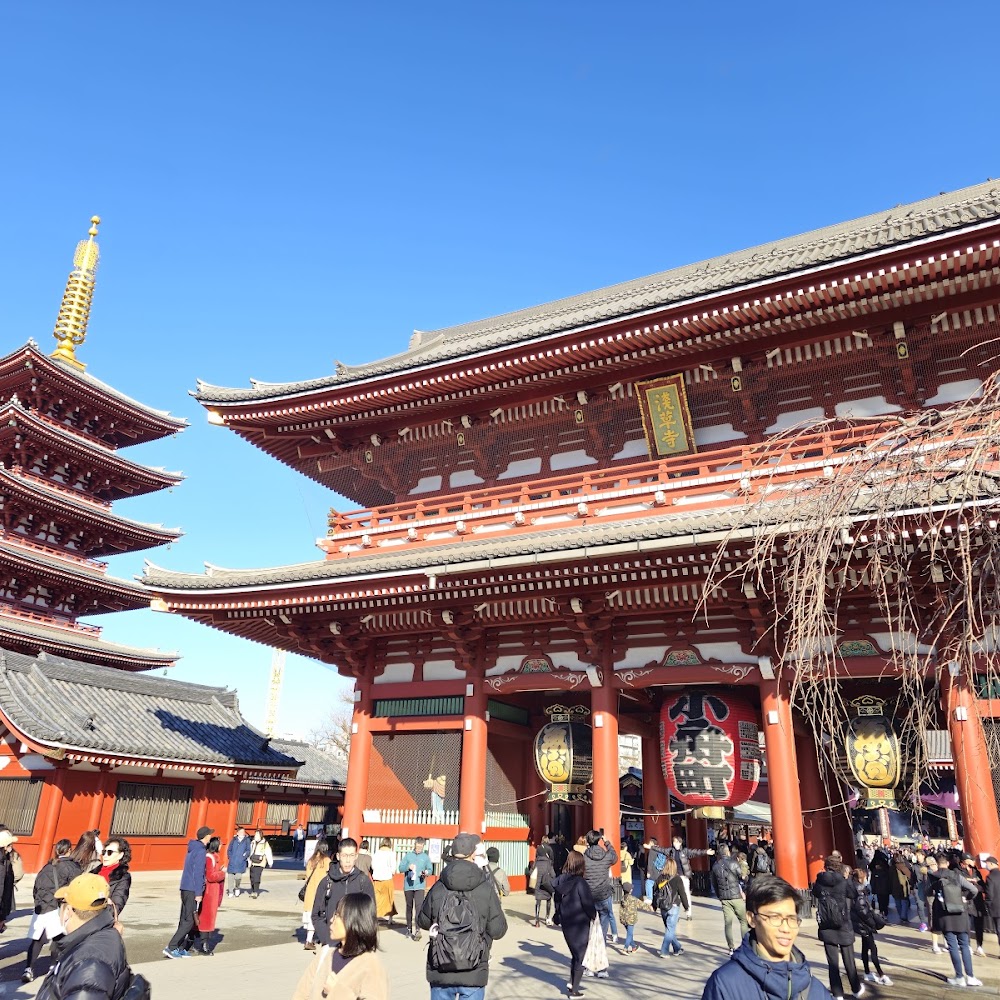
Asakusa
excellent walkabilityTime slows down here among narrow alleys filled with the scent of incense and traditional sweets. Elderly craftsmen work behind wooden storefronts while tourists in rented kimono add splashes of color to the ancient streets.
Known for: Sensoji Temple and traditional Edo-period atmosphere
Local tip: Visit Sensoji at 6am before the crowds - the temple opens early and it's magical in the morning mist
Transit: Asakusa Station - Tokyo Metro Ginza Line, Toei Asakusa Line
Best time: morning
Tsukiji Outer Market
excellent walkabilityControlled chaos reigns as tiny delivery trucks weave between breakfast seekers and knife vendors. Steam rises from countless food stalls while the aroma of fresh tuna and brewing tea creates an intoxicating morning atmosphere.
Known for: Fresh seafood and traditional Japanese breakfast culture
Local tip: Locals eat standing at counter stalls - don't look for tables, embrace the authentic experience
Transit: Tsukiji Station - Tokyo Metro Hibiya Line
Best time: morning
Not stroller-friendly
Akihabara
good walkabilityBright LED displays flash from every storefront while electronic beeps and J-pop melodies create a digital wonderland soundtrack. Salarymen browse vintage computer parts next to cosplaying teens, creating Tokyo's most eclectic human mix.
Known for: Electronics, anime culture, and retro gaming
Local tip: The best deals are on floors 3-5 of multi-story electronics buildings - tourists stick to ground floor
Transit: Akihabara Station - JR Yamanote Line, JR Keihin-Tohoku Line
Best time: afternoon
Not stroller-friendly
Gion
excellent walkabilityWooden machiya houses lean into narrow stone-paved streets where the soft sound of geta sandals echoes off ancient walls. The possibility of glimpsing a geisha creates an electric anticipation in the golden evening light.
Known for: Geisha districts and traditional tea houses
Local tip: Real geiko (Kyoto's term for geisha) appear around 5:30pm heading to appointments - be respectful and don't chase with cameras
Transit: Gion-Shijo Station - Keihan Main Line
Best time: evening
Not stroller-friendly
Arashiyama
good walkabilityTowering bamboo creates a natural cathedral where filtered sunlight dances through green walls that sway and whisper in the breeze. The air feels cooler and cleaner, offering a zen-like escape from urban intensity.
Known for: Bamboo Grove and mountain scenery
Local tip: Continue past the main bamboo path to Okochi Sanso Villa for the best mountain views without crowds
Transit: Arashiyama Station - JR San-in Line or Keifuku Electric Railroad
Best time: morning
Not stroller-friendly
Dotonbori
excellent walkabilityNeon signs reflect off the dark canal water while the sounds of sizzling takoyaki and enthusiastic vendors create Osaka's most theatrical dining experience. The energy is infectious and slightly overwhelming in the best possible way.
Known for: Street food and flashy neon entertainment district
Local tip: Locals eat at the small stalls under the bridges rather than the touristy main drag restaurants
Transit: Namba Station - Osaka Metro Midosuji Line, Nankai Line
Best time: evening
Not stroller-friendly
Kuromon Ichiba Market
excellent walkabilityVendors enthusiastically hawk their wares while customers sample everything from wagyu skewers to fresh uni. The atmosphere is boisterous and friendly, embodying Osaka's food-obsessed culture in a covered market setting.
Known for: Fresh seafood and Osaka street food specialties
Local tip: Shop like locals do - buy ingredients in the morning, street food after 2pm when prices drop
Transit: Nipponbashi Station - Osaka Metro Sakaisuji Line
Best time: morning
What to Eat inJapan
Tokyo
Eating etiquette
- •Never tip - it's considered insulting
- •Slurp ramen loudly to show appreciation
- •Say 'itadakimasu' before eating and 'gochisousama' after
- •Don't stick chopsticks upright in rice
- •Finish everything on your plate
Breakfast
Most locals grab onigiri and coffee from convenience stores. Traditional breakfast (grilled fish, rice, miso soup) is mainly weekend luxury or hotel offering.
Lunch
Look for 'teishoku' (set meals) before 2pm - same restaurants charge 40% more at dinner. Department store basement food courts offer premium quality at reasonable prices.
Dinner
Dinner starts early (6-7pm). Many top places don't take reservations - arrive when they open. Izakayas are for drinking with small plates, not full meals.
Dishes you can't miss
Legendary tuna directly from former inner market suppliers - this is the real deal tourists miss at Toyosu
Daiwa Sushi at Tsukiji Outer Market · $25-35
Tokyo's unique savory pancake that locals love but tourists never try - it's like liquid okonomiyaki
Daruma in Tsukishima · $12-18
Authentic salary worker experience in tiny alleys - order omakase and drink beer
Omoide Yokocho (Memory Lane) · $15-25
Street food highlights
Kyoto
Eating etiquette
- •More formal than Tokyo - wait to be seated even at casual places
- •Kaiseki dining has specific order - don't rush
- •Green tea is complimentary at most restaurants
- •Remove shoes at traditional restaurants
- •Speak softly - Kyoto dining is refined
Breakfast
Traditional breakfast at ryokan is elaborate ritual. Otherwise, locals eat simple: rice, pickles, tea. Many cafes open late (9-10am).
Lunch
Temple area restaurants offer 'shojin ryori' (Buddhist vegetarian) lunch sets. Avoid restaurants right next to major temples - walk 2 blocks for better value.
Dinner
Reservations essential for traditional dining. Many places close between lunch and dinner (3-5pm). Gion district dining is expensive but authentic.
Dishes you can't miss
Kyoto perfected this art form - seasonal ingredients presented like edible art
Kikunoi or more affordable Ganko Sushi · $150-300
Buddhist temple-style vegetarian cuisine that's surprisingly satisfying and Instagram-worthy
Arashiyama Yoshimura · $35-50
Lighter, more delicate than Tokyo ramen with local white miso base
Ippudo Nishiki-koji · $8-12
Street food highlights
Osaka
Eating etiquette
- •More casual than Kyoto - loudness is acceptable
- •Try before you buy at street stalls
- •Sharing dishes is common - order for the table
- •Locals eat standing at street stalls
- •Haggling acceptable at markets
Breakfast
Osaka invented the convenience store breakfast culture. Locals grab prepared foods on the go. Traditional breakfast is rare except at hotels.
Lunch
Follow the office worker crowds for authentic, cheap lunch spots. Basement food halls in department stores offer premium quality at lunch prices.
Dinner
Osaka lives for dinner - streets come alive after 6pm. No reservations needed at most places. Eating and drinking on the street is totally acceptable.
Dishes you can't miss
Osaka invented these octopus balls - this stall has been perfecting them for 70 years
Juhachiban in Dotonbori · $4-6
Osaka-style is different from Hiroshima - ingredients mixed in, not layered
Mizuno in Dotonbori · $8-12
Skip expensive restaurants - market stalls serve small portions of real Kobe beef for tasting
Kuromon Ichiba Market stalls · $15-25
Street food highlights
Getting Between Cities
How to book: Go to JR ticket counter with passport, or use ticket machines with English option. Reserve seats in advance for guaranteed seating.
Platform: Platform 14-19 at Tokyo Station. Board cars 1-3 for non-reserved seats. Kyoto Station is a major stop - hard to miss.
Luggage: Large suitcases go in overhead racks or behind last row seats. Send luggage ahead via takkyubin service to avoid hassle.
Pro tip: Right side (E seats) for Mt. Fuji views on clear days, about 45 minutes into journey
How to book: Buy at ticket machines - insert money, select destination on map, collect ticket and change. IC cards (Icoca/Suica) work too.
Platform: From Kyoto Station take JR Tokaido Line to Osaka Station, or from Gion area take Keihan Line to Namba/Dotonbori
Luggage: Rush hour trains are packed - avoid 7-9am and 5-7pm with luggage. Use luggage storage at stations if needed.
Pro tip: No reserved seats on local trains - board quickly during rush hour
Daily Walking Distances
Packing List
Essential for navigation and translation apps - most places don't have reliable public WiFi
Japan is still largely cash-based - many restaurants and shops don't accept cards
Pays for itself with one round trip Tokyo-Kyoto plus local JR train usage
Lots of walking plus frequent shoe removal at temples, restaurants, and accommodations
Heavy use of maps, translation, and camera apps drains batteries quickly
Public restrooms rarely have hand towels - locals always carry their own
Public restrooms often lack toilet paper - convenience stores sell small packs
Expected hygiene standard, especially before eating - available everywhere but bring your own
Weather changes quickly and you'll be walking a lot - convenience stores sell cheap ones
Camera translation for menus and signs when WiFi is spotty
For wet umbrellas, temple stamp books, and separating shoes in bags
Required for temple visits - many tourists get turned away
Constant shoe removal gets annoying with lace-up shoes
Many street foods and convenience store meals come with disposable chopsticks but your own are more comfortable
Skip These
Save your time and money — here's what to skip and what to do instead.
Overpriced at $20 for views you can get free from nearby buildings - pure tourist trap
→ Instead:Go to the free observation area on 14th floor of Shibuya City View or the rooftop of Mag's Park for the same crossing view
Sterile, controlled experience with limited access and no food sampling - nothing like the old Tsukiji experience promised
→ Instead:Visit Tsukiji Outer Market at 6am for authentic fish market breakfast culture and actual food vendors
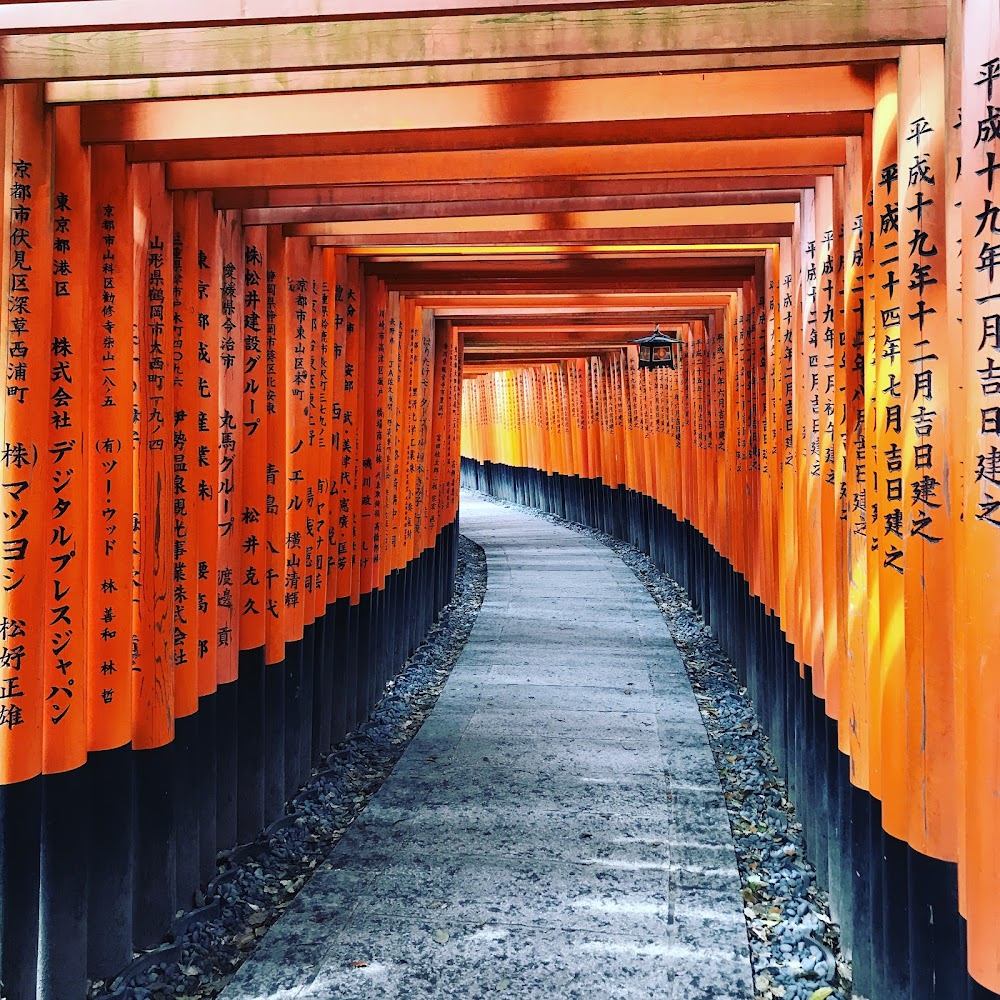
The famous torii gates end after 30 minutes - the remaining 90-minute hike is just regular mountain trail with no special views
→ Instead:Turn back at the first major viewpoint and spend saved time at Kiyomizu-dera temple for better city views
Impossibly crowded with tour groups, expensive entry, and you can only view from designated spots behind barriers
→ Instead:Visit Ginkaku-ji (Silver Pavilion) instead - better gardens, fewer crowds, and you can actually walk around the building
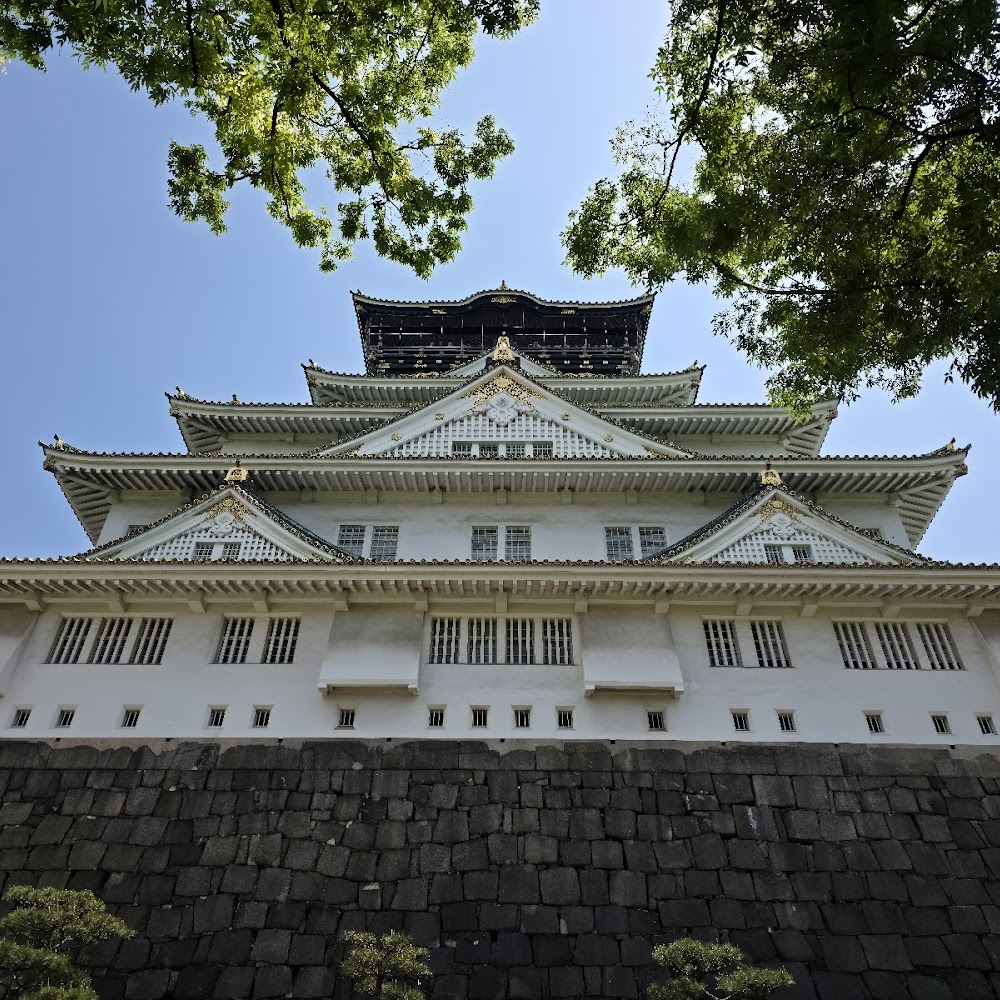
Concrete reconstruction from the 1960s with elevator and museum displays - completely inauthentic historical experience
→ Instead:Admire the exterior (which is beautiful) and spend your time at Osaka Castle Park or visit Himeji Castle for real historical architecture
Frequently Asked Questions
Is 14 days enough for Japan?
Yes, 14 days is perfect for first-time visitors to see the highlights. You'll cover Tokyo's modern energy, Kyoto's temples, and Osaka's food scene with enough time to appreciate each city's unique character without rushing.
How much does 14 days in Japan cost?
$3,000-3,500 per person for mid-range travel including flights. Budget breakdown: accommodation $95/day, food $55/day, transport $25/day with JR Pass, activities $25/day. Luxury travelers can expect $5,000+ while budget backpackers can manage on $2,000-2,500.
What is the best time to visit Japan?
Spring (March-May) for cherry blossoms and fall (October-November) for autumn colors offer the best weather and scenery. Avoid July-August due to extreme heat and humidity. Winter is cold but less crowded with fewer tourists.
Do I need a visa to visit Japan?
US, UK, EU, Canada, and Australia citizens get 90-day visa-free entry for tourism. Your passport must be valid for the entire stay. No advance visa required for short-term visits.
Is the JR Pass worth it for 14 days?
Absolutely yes. A 14-day JR Pass costs $438 and covers Tokyo-Kyoto-Osaka Shinkansen routes plus all local JR trains. Just the Shinkansen tickets alone would cost over $400, making the pass excellent value for this itinerary.
How much Japanese do I need to know?
English is limited outside major tourist areas, but you can manage with translation apps and basic phrases. Learn 'sumimasen' (excuse me), 'arigato gozaimasu' (thank you), and 'eigo wakarimasu ka?' (do you understand English?). Most signs have English in cities.
Travel Tips forJapan
Get a JR Pass Before You Go
Purchase the JR Pass outside Japan for significant savings. It covers all JR trains including Shinkansen between cities. Activate it upon arrival and use for 14 consecutive days of unlimited travel.
Cash is Still King
Many restaurants and small shops only accept cash. Withdraw yen from 7-Eleven ATMs using international cards. Carry more cash than you normally would — $100-150 per day in yen is reasonable.
Bow Slightly When Greeting
A small bow shows respect and is appreciated by locals. Remove shoes when entering homes, temples, and some restaurants. Don't tip — it's not customary and can be offensive.
Slurp Your Noodles Loudly
Slurping ramen and soba is not only acceptable but shows appreciation. Don't stick chopsticks upright in rice (funeral practice). Say 'itadakimasu' before eating and 'gochisousama' after.
Download Essential Apps
Google Translate (with camera feature), Google Maps works offline, Hyperdia for train schedules, and TabiEats for restaurant bookings. Free WiFi is available at stations and convenience stores.
Japan is Extremely Safe
It's safe to walk alone at night and locals often leave belongings unattended. However, natural disasters can occur — download the Safety Tips app for earthquake and typhoon alerts in English.
Essential Info
Cash preferred at small restaurants and shops. Credit cards accepted at hotels and department stores. Withdraw yen from 7-Eleven ATMs with international cards.
No tipping required anywhere in Japan. It's actually considered rude and unnecessary. Excellent service is standard and included in the price.
Pocket WiFi rental or eSIM from companies like Sakura Mobile, B-Mobile, or international providers like Airalo
More Options inJapan
Places that didn't make the main itinerary but are worth knowing about.
More Restaurants
More Activities
Shopping
Cafes & Coffee
Bars & Nightlife
Explore Each City
Want to spend more time in a specific city? Check out our city-level deep-dive guides.
Related Itineraries
Ready to plan yourJapan trip?
Get this 14-day itinerary in your Yopki trip planner — customize, collaborate, and export to PDF.