


2-Day Rome Itinerary: Ancient Wonders & Modern Flavors (2026)
Two days in Rome means choosing between ancient glory and papal grandeur—this guide helps you experience both without the tourist trap exhaustion. From sunrise at the Colosseum to sunset aperitivo in Trastevere, here's how to fall in love with the Eternal City in 48 hours.
Day-by-Day Itinerary
Start with gladiators and emperors at sunrise, then lose yourself in the winding streets where Bernini's fountains compete with gelato shops for your attention. This is Rome's greatest hits played at the perfect tempo—no rushing, no tourist trap lunches, just the city revealing itself one cobblestone at a time.
Pro tip: Beat the crowds by starting early and ending late—Rome's monuments are gorgeous at sunrise and sunset when tour groups are gone.
Route Map
Budget Breakdown
Estimated cost per person for 2 days. Includes accommodation, all meals, local transport, activities, and miscellaneous expenses. Does not include international flights or travel insurance.
| Category | Daily | Total |
|---|---|---|
| accommodation | $80 | $160 |
| food | $46 | $92 |
| transport | $4 | $8 |
| activities | $34 | $68 |
| misc | $15 | $30 |
| Total | $179 | $358 |
* Budget tier: mid-range. Prices in USD per person.
Money-saving tips:
- Many churches with world-class art are free - San Luigi dei Francesi has Caravaggio masterpieces
- Aperitivo hour (6-8pm) includes free snacks with drinks - can replace dinner
- Vatican Museums are free on last Sunday morning of each month but expect massive crowds
- Lunch menus are 30% cheaper than dinner at the same restaurants
- Municipal water fountains (nasoni) throughout the city provide free drinking water
See detailed Italy budget guide with calculator →
Daily costs, tipping, and trip calculator
When to Go
Perfect weather (18-25°C), fewer crowds, outdoor dining season begins
Extreme heat (30-35°C), August closures, overwhelming crowds
Neighborhood Guide
Get oriented before you arrive — what each area feels like and how to get around.
Centro Storico
excellent walkabilityEvery corner holds 2,000 years of history layered like an archaeological dig you can walk through. Ancient Roman columns support medieval houses topped with Renaissance facades, while modern Romans sip espresso at sidewalk cafes built into the ground floors of palazzos.
Known for: Pantheon, Piazza Navona, Trevi Fountain, and Rome's most scenic walking
Local tip: Romans avoid the tourist restaurant strip around Pantheon - walk 2 blocks in any direction for half the price and double the authenticity
Transit: Barberini, Spagna metro stations
Best time: early morning
Not stroller-friendly
Trastevere
excellent walkabilityNarrow cobblestone streets wind between ivy-covered buildings where laundry hangs from wrought-iron balconies and street art covers medieval walls. This feels like a village within the city where everyone knows everyone and dinner stretches late into warm evenings.
Known for: Authentic restaurants, nightlife, artisan shops, and village atmosphere
Local tip: Via dei Cappuccini and Via della Lungaretta have the best vintage shopping and fewest tourists during daytime
Transit: Tram 8 from Largo Argentina
Best time: evening
Not stroller-friendly
Vatican Area
good walkabilityThe world's smallest country casts a long shadow over tree-lined boulevards where priests in flowing robes share sidewalks with pilgrims carrying rosaries and art lovers clutching guidebooks. The scale of everything - from St. Peter's dome to the endless museum galleries - is designed to make humans feel small.
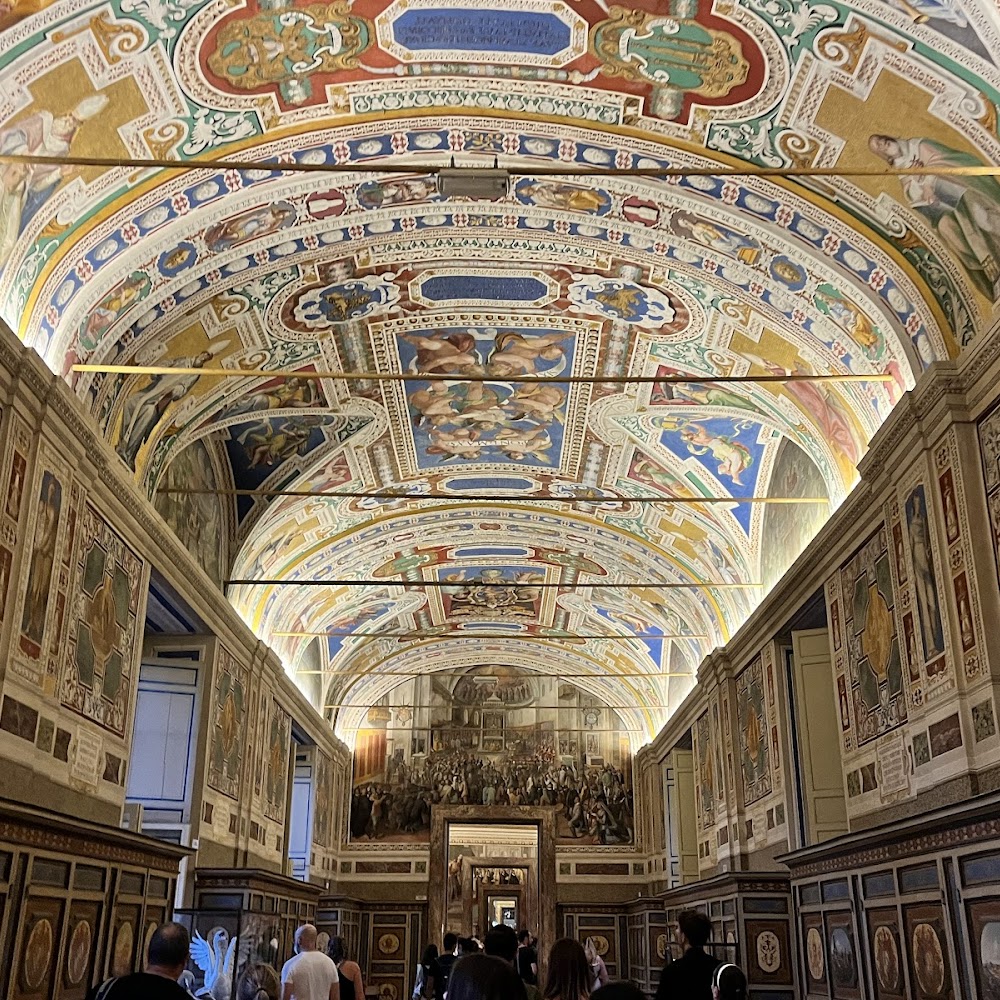
Known for: Vatican Museums, St. Peter's Basilica, and papal audiences
Local tip: Borgo Pio side street has family restaurants serving Vatican employees - better food and prices than the main tourist drags
Transit: Ottaviano metro station
Best time: early morning
Colosseum & Roman Forum
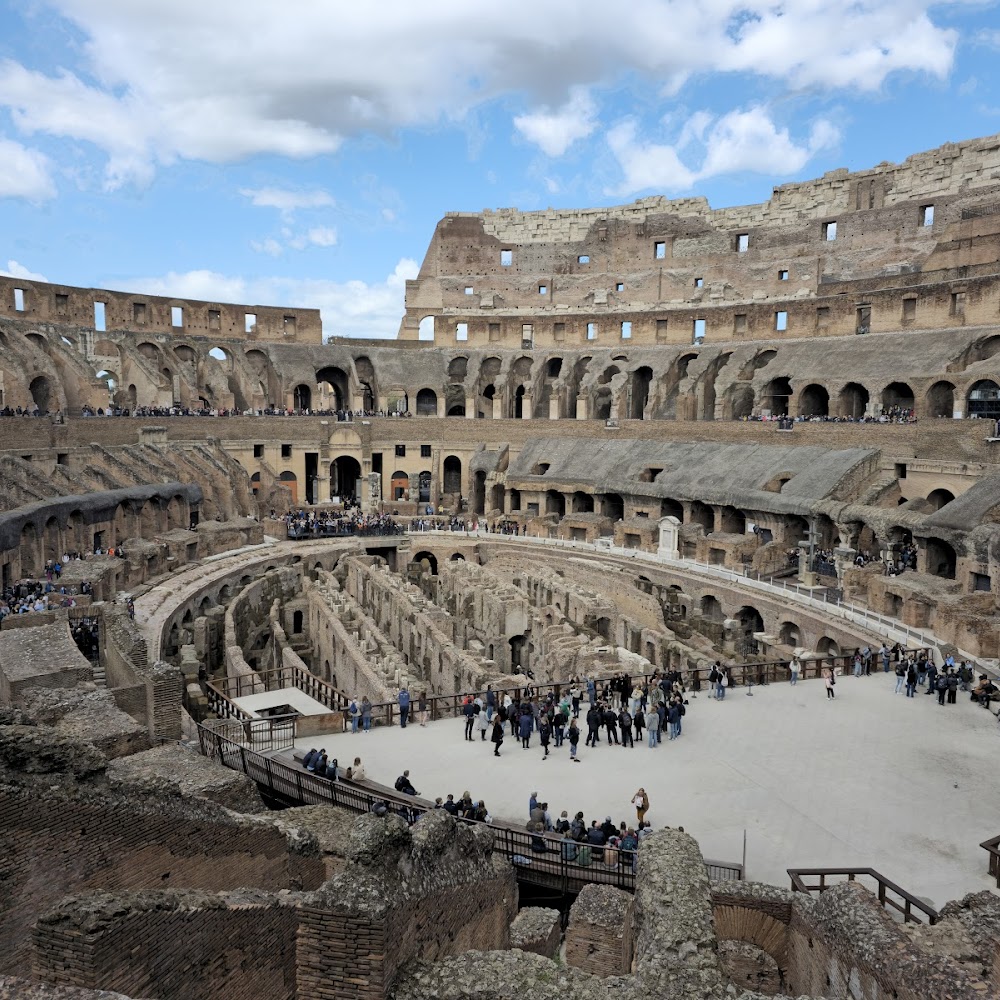
good walkabilityStanding where gladiators fought and emperors ruled, you're surrounded by the world's most complete ancient Roman cityscape. Pine trees frame marble ruins while the rumble of modern traffic reminds you that this isn't a museum - it's a living city built on top of its own history.
Known for: Colosseum, Roman Forum, Palatine Hill archaeological sites
Local tip: Enter from the less crowded Palatine Hill entrance to avoid main Colosseum lines, then work your way down through Forum
Transit: Colosseo metro station
Best time: early morning
Not stroller-friendly
What to Eat inRome
Eating etiquette
- •Never cappuccino after 11am
- •Pasta is a first course, not main dish
- •Don't ask for parmesan on seafood pasta
- •Split the bill evenly, itemized bills are rude
Breakfast
Quick standing coffee and cornetto (sweet croissant) at the bar counter, never sitting down
Lunch
Many restaurants offer fixed-price lunch menus (menu fisso) 30% cheaper than dinner
Dinner
Dinner starts 8pm earliest, 9pm is normal. Aperitivo 6-8pm with free snacks often replaces dinner
Dishes you can't miss
Rome invented it - eggs, pecorino, guanciale, black pepper, nothing else
Da Enzo al 29 or Checchino dal 1887 · $15-20
Just pasta, pecorino cheese and pepper - sounds simple but takes years to master
Armando al Pantheon or Il Sorpasso · $12-16
Veal with prosciutto and sage that literally 'jumps in your mouth'
Checchino dal 1887 · $18-22
Fried rice balls with molten mozzarella - Rome's best street snack
Street food stands in Trastevere · $2-3
Sweet bun stuffed with whipped cream - traditional Roman breakfast
Pasticceria Regoli · $4-5
Jewish quarter specialty, fried until crispy like flowers
Il Sorpasso or Armando · $8-12
Street food highlights
Daily Walking Distances
Packing List
Ancient cobblestones are murder on feet and ankles
Required for church entry - covers shoulders and knees
Heavy camera and navigation use drains batteries quickly
Free refills at hundreds of nasoni fountains throughout city
Many authentic trattorias and markets are still cash-only
Skip These
Save your time and money — here's what to skip and what to do instead.
Just stairs surrounded by luxury shops and crowds - you can't even sit on them anymore due to fines
→ Instead:Pincio Terrace above Villa Borghese for better city views without crowds
International chain in a city with 2,000 years of incredible local restaurants
→ Instead:Any family trattoria in Trastevere for authentic Roman cuisine
Tourist traps with mediocre food at triple the price
→ Instead:Walk 3 blocks away from any major site for authentic local places
Frequently Asked Questions
Is 2 days enough for Rome?
Two days covers the essential highlights - Colosseum, Vatican, Pantheon, and major piazzas - but you'll barely scratch the surface. You'll miss Capitoline Museums, Borghese Gallery, day trips to Ostia Antica, and the dozens of incredible churches. Perfect for a first taste that guarantees you'll return.
Where should I stay in Rome?
Centro Storico puts you walking distance from everything but costs more. Monti offers boutique hotels and great restaurants 10 minutes from Colosseum. Trastevere has charm but requires more transit. Avoid Termini station area for safety and noise. Book near a metro stop if outside the historic center.
How much does 2 days in Rome cost?
Budget: €80/day (hostels, street food, free churches). Mid-range: €180/day (B&Bs, trattorie, skip-the-line tours). Luxury: €400+/day (hotels, Michelin dining, private guides). Vatican and Colosseum tickets alone cost €50, factor that into planning.
What should I not miss in Rome?
Colosseum underground tour, Vatican Museums with Sistine Chapel, Pantheon (architectural marvel), Trevi Fountain at sunset, and authentic carbonara in Trastevere. These five experiences capture ancient Rome, papal Rome, and modern Roman life in perfect balance.
What's the best time to visit Rome?
April-May and October offer perfect weather (18-25°C) and manageable crowds. Avoid July-August's brutal heat and August closures. March and November are good alternatives with occasional rain. January-February are cool but many outdoor restaurants close.
Travel Tips forRome
Walk Everything in Centro
Historic Rome is incredibly compact - Pantheon to Colosseum is just 2km. Metro only needed for Vatican and far suburbs. Most tourist sites are 10-15 minute walks from each other.
Roman Dining Timing
Lunch 1-2pm, dinner after 8pm. Most restaurants close 3-6pm. Never order cappuccino after 11am. Cover charge (coperto) is normal. Sunday many restaurants close.
Church Dress Codes
Shoulders and knees must be covered in all churches. Carry a scarf/light jacket. Security will turn you away from St. Peter's and major churches otherwise.
Cash vs Cards
Many small trattorias and markets are cash-only. ATMs everywhere but notify your bank. Tipping 10% at restaurants, round up for coffee/taxis.
Pickpocket Hotspots
Tourist areas like Colosseum, Vatican, Termini station, and crowded buses. Keep bags zipped and in front. Common scams: friendship bracelets, petition signers, dropped rings.
Essential Info
Cards widely accepted except small cafes/trattorias. Many ATMs, notify bank of travel. Euros only.
10% at restaurants if service good, round up for coffee/drinks, €1-2 for taxi rides
TIM Tourist or Vodafone Passport for Italy, eSIM from Airalo works well
More Options inRome
Places that didn't make the main itinerary but are worth knowing about.
More Restaurants
More Activities
Shopping
Planning a full Italy trip?
Our Italy itineraries cover Rome and more — with multi-city routes, transit guides, and full budget breakdowns.
Related Itineraries
Ready to plan yourRome trip?
Get this 2-day itinerary in your Yopki trip planner — customize, collaborate, and export to PDF.