
3-Day Dublin Itinerary: Literary Pubs, Guinness, and Georgian Squares (2026)
Dublin packs centuries of literature, music, and craic into a walkable city center. This 3-day guide takes you from Viking history in Temple Bar to Georgian elegance around St. Stephen's Green, with proper pints and traditional Irish breakfasts fueling your adventures.
Day-by-Day Itinerary
Start with Dublin's most iconic sites around the River Liffey. Walk from Trinity College's ancient Book of Kells through cobblestone Temple Bar, then end with your first proper Guinness where it all began. This is Dublin in its most concentrated form.
Pro tip: Temple Bar is touristy but genuinely historic—just avoid the most obvious tourist pubs. The cobblestones are beautiful but wear comfortable shoes.
Route Map
Budget Breakdown
Estimated cost per person for 3 days. Includes accommodation, all meals, local transport, activities, and miscellaneous expenses. Does not include international flights or travel insurance.
| Category | Daily | Total |
|---|---|---|
| accommodation | $80 | $240 |
| food | $86 | $258 |
| transport | $4 | $13 |
| activities | $28 | $84 |
| misc | $15 | $45 |
| Total | $213 | $640 |
* Budget tier: mid-range. Prices in USD per person.
Money-saving tips:
- Many museums are free including National Gallery and Natural History Museum
- Pub lunches are great value—try Irish stew or fish & chips for €12-16
- Buy a 3-day Leap Card for €35 to cover all Dublin transport
- Afternoon tea at hotels is cheaper than dinner but still elegant
- Temple Bar pubs are overpriced—drink in The Liberties or Smithfield instead
See detailed Ireland budget guide with calculator →
Daily costs, tipping, and trip calculator
When to Go
Mild weather, long daylight, fewer crowds, and festivals like Bloomsday in June
Cold, wet, and very short daylight hours with many attractions having reduced hours
Neighborhood Guide
Get oriented before you arrive — what each area feels like and how to get around.
Temple Bar
excellent walkabilityCobblestone streets filled with tourists and buskers, pubs spilling onto sidewalks, and the constant sound of traditional Irish music mixing with international accents. It's touristy but genuinely historic.
Known for: Traditional pubs, cultural venues, weekend food markets, and Dublin's most concentrated nightlife
Local tip: Visit Saturday morning for the food market when it's less crowded and more authentic than weekend evenings
Transit: Tara Street DART station 5 minutes walk
Best time: morning
Not stroller-friendly
St. Stephen's Green & Georgian Quarter
excellent walkabilityElegant Georgian squares with perfectly maintained parks, upscale shopping, and the kind of architecture that makes you understand why Dublin is called a beautiful city. Very refined and walkable.
Known for: Georgian architecture, Grafton Street shopping, high-end hotels, and peaceful park spaces
Local tip: The Georgian doors aren't just pretty—each fanlight window design was unique to help illiterate postal workers identify houses
Transit: Grafton Street is pedestrian-only, St. Stephen's Green LUAS station
Best time: anytime
Smithfield
good walkabilityA mix of historic cobblestones and modern apartment blocks, where traditional horse trading happens alongside craft distilleries. It feels like Dublin's most successful urban renewal project.
Known for: Jameson Distillery, weekend markets, modern dining, and traditional horse trading
Local tip: First Sunday of each month still hosts traditional horse trading in the square—a fascinating glimpse of old Dublin traditions
Transit: Smithfield LUAS station
Best time: afternoon
The Liberties
good walkabilityDublin's authentic working-class heart with antique shops, traditional pubs that haven't changed in decades, and locals who've lived here for generations. Feels genuinely residential and lived-in.
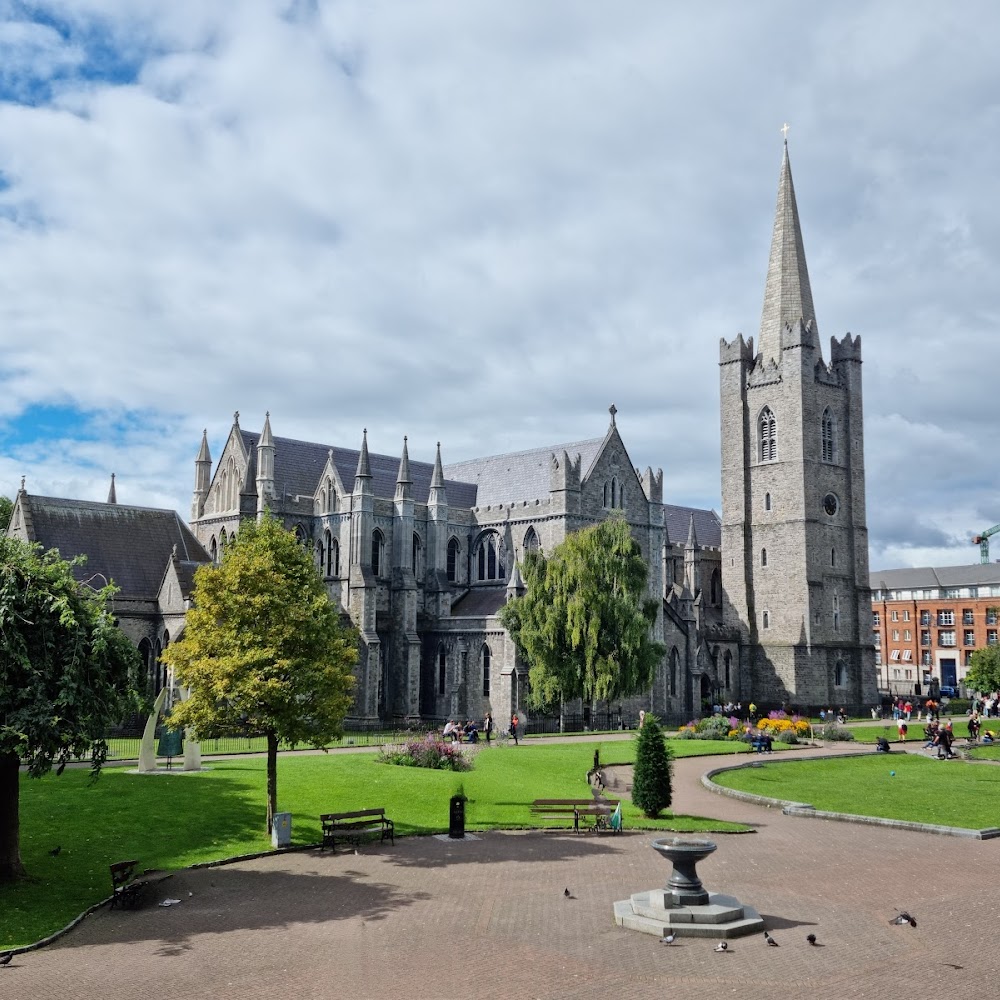
Known for: Antique shops on Francis Street, traditional pubs, St. Patrick's Cathedral, and authentic Dublin culture
Local tip: Francis Street antique shops often have better prices than city center, and dealers are happy to chat about the pieces' history
Transit: Bus routes along Thomas Street, walk from city center
Best time: afternoon
What to Eat inDublin
Eating etiquette
- •Pub table service means you order at the bar—don't wait for a server
- •Full Irish breakfast is meant to be shared—order extra soda bread
- •It's perfectly normal to nurse one pint for an hour in a traditional pub
Breakfast
Traditional full Irish breakfast with black pudding, white pudding, and soda bread. Most hotels serve until 10:30am. Coffee culture has improved dramatically—independent cafés now rival any European city.
Lunch
Pub lunches 12pm-3pm offer the best value—Irish stew, fish & chips, or boxty for €12-16. Many pubs stop serving food 3-6pm, so don't wait too late.
Dinner
Dinner 6-8pm in traditional places, 7-9pm in modern restaurants. Book ahead for anywhere with fewer than 30 seats. Pubs often have live music starting 9pm.
Dishes you can't miss
Tender lamb with potatoes, carrots, and herb dumplings—comfort food perfected over centuries
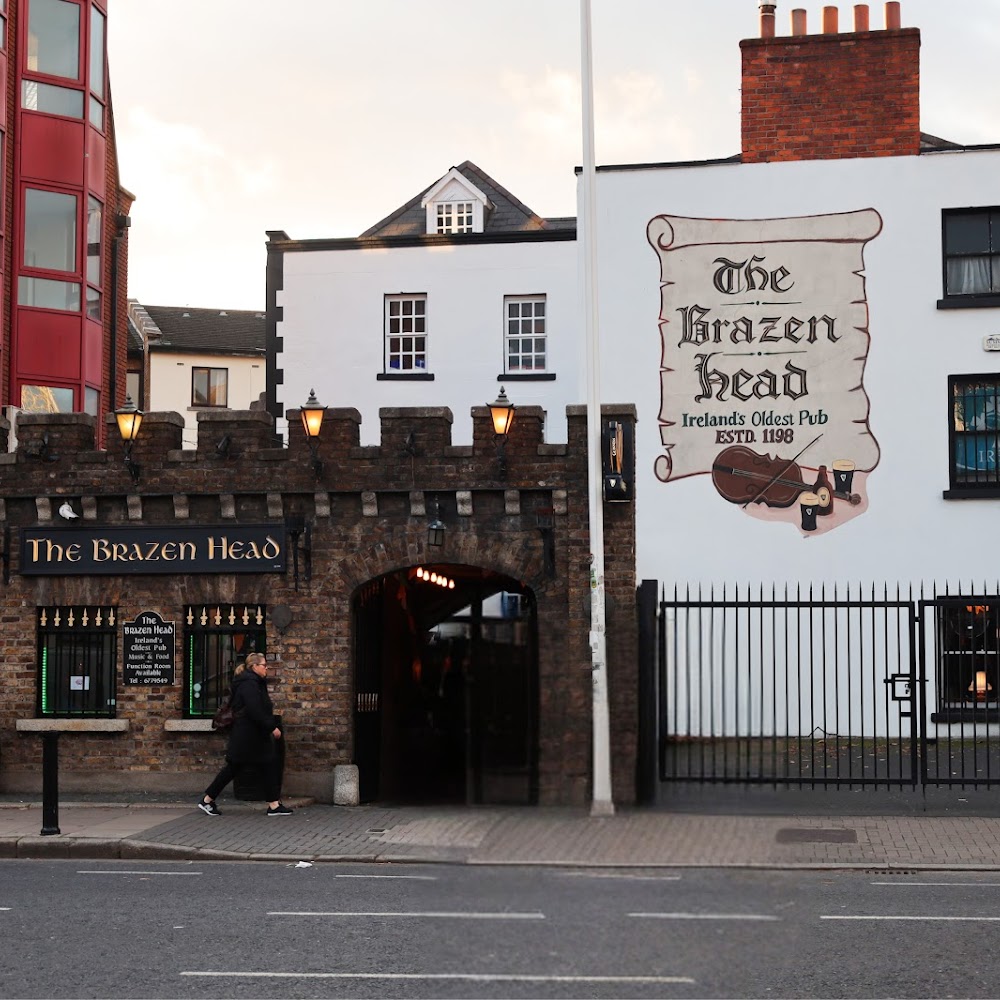
The Brazen Head or any traditional pub · €14-16
Fresh cod in light batter with proper thick-cut chips and mushy peas
Kehoe's Pub or Beshoff Bros · €12-15
Sweet, delicate prawns from Dublin Bay—completely different from imported prawns
Chapter One or The Winding Stair · €24-28
Traditional potato pancake that's crispy outside, fluffy inside—uniquely Irish
Any traditional pub · €10-14
Blood sausage (black) and pork sausage (white) with herbs—essential Irish breakfast experience
Any full Irish breakfast · €8-12
Mashed potatoes with kale or cabbage, butter, and scallions—Irish comfort food at its finest
Traditional pubs · €6-8
Street food highlights
Daily Walking Distances
Packing List
Dublin averages 150 rainy days per year—light showers are frequent even in summer
Cobblestone streets in Temple Bar and Georgian quarters can be slippery when wet
Even summer evenings can be cool (15°C/59°F) and pub gardens require warmth
Light rain showers come and go quickly—better than heavy rain gear
Skip These
Save your time and money — here's what to skip and what to do instead.
Expensive (€22) and far from city center. Most visitors only have 3 days and should focus on unique Dublin experiences.
→ Instead:Spend the time exploring The Liberties and authentic Dublin neighborhoods
Historically important but requires half-day and advance booking. Better for longer stays.
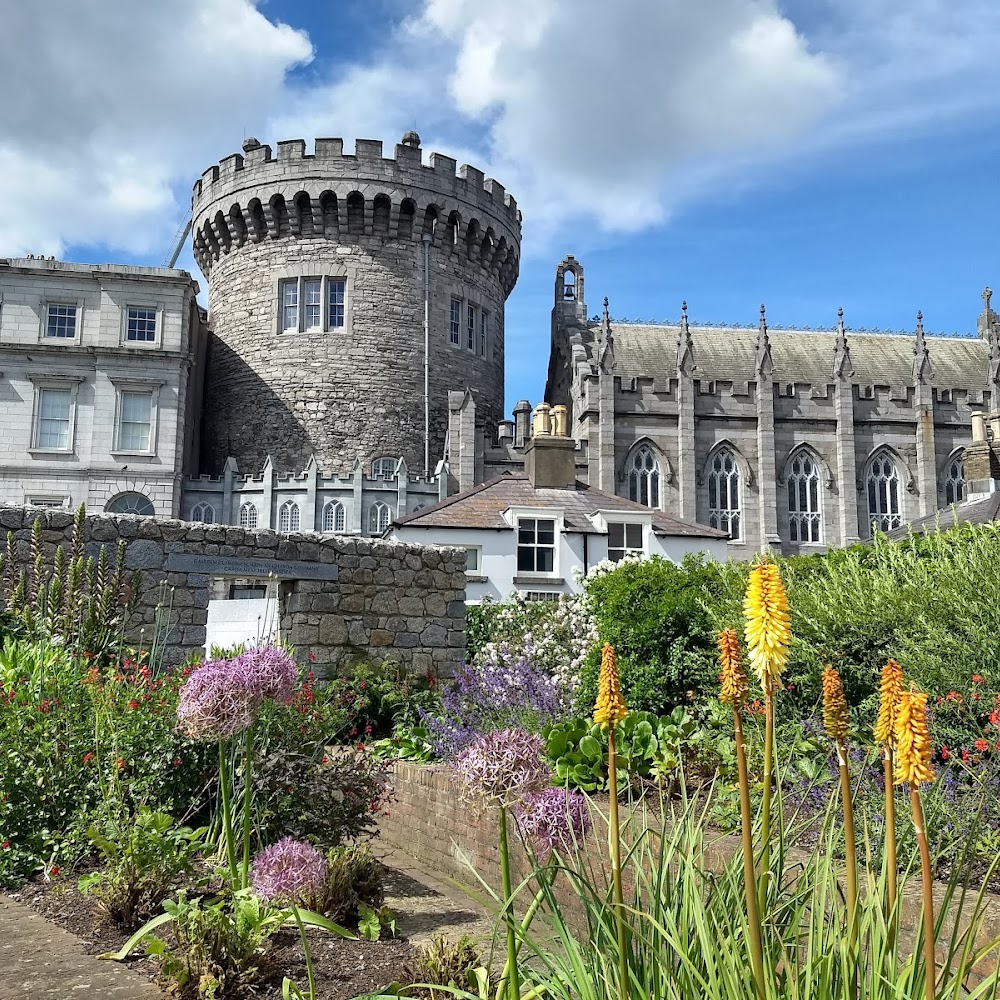
→ Instead:Visit free Chester Beatty Library at Dublin Castle for equally fascinating history
Tourist trap pricing (€25+ for basic meals) and mediocre food aimed at day-trippers.
→ Instead:Eat in traditional pubs in The Liberties or Smithfield for authentic food at half the price
Dublin city center is completely walkable and public transport is excellent and cheaper.
→ Instead:Get a 3-day Leap Card and use DART, Luas, and your own feet
Frequently Asked Questions
Is 3 days enough for Dublin?
Yes, 3 days covers Dublin's main attractions well since the city center is very walkable. You'll see Trinity College, major museums, Georgian architecture, and experience traditional pub culture. You'll miss day trips to Howth or Kilmainham Gaol, but the core Dublin experience is absolutely doable in 3 days.
Where should I stay in Dublin?
Stay around Grafton Street, St. Stephen's Green, or Temple Bar for walking access to everything. Trinity City Hotel and The Fitzwilliam are excellent mid-range choices. Avoid staying far from the Liffey—Dublin's compact center means you want to be walking distance from Trinity College and the main museums.
How much does 3 days in Dublin cost?
Budget €150-180/day (hostels, pub meals), mid-range €200-250/day (nice hotels, mix of casual and upscale dining), luxury €350+/day (5-star hotels, fine dining). Many major attractions like the National Gallery are free, keeping costs reasonable.
What should I not miss in Dublin?
Trinity College's Book of Kells and Long Room, a proper Guinness at the Storehouse, Georgian architecture around Merrion Square, and traditional Irish music in an authentic pub like Kehoe's. The blend of literary history, brewing heritage, and Georgian elegance is uniquely Dublin.
What's the best time to visit Dublin?
May-June and September offer the best weather with fewer crowds. July-August are warmest but busiest. Winter (Dec-Feb) is cold and wet with short daylight hours, but cozy for pub culture. Spring (March-April) can be unpredictable but has great hotel deals.
Travel Tips forDublin
Get a Leap Card immediately
Buy at the airport or any convenience shop for €5 plus credit. Works on buses, DART trains, and Luas trams. Much cheaper than individual tickets and you'll look like a local.
Guinness really does taste different
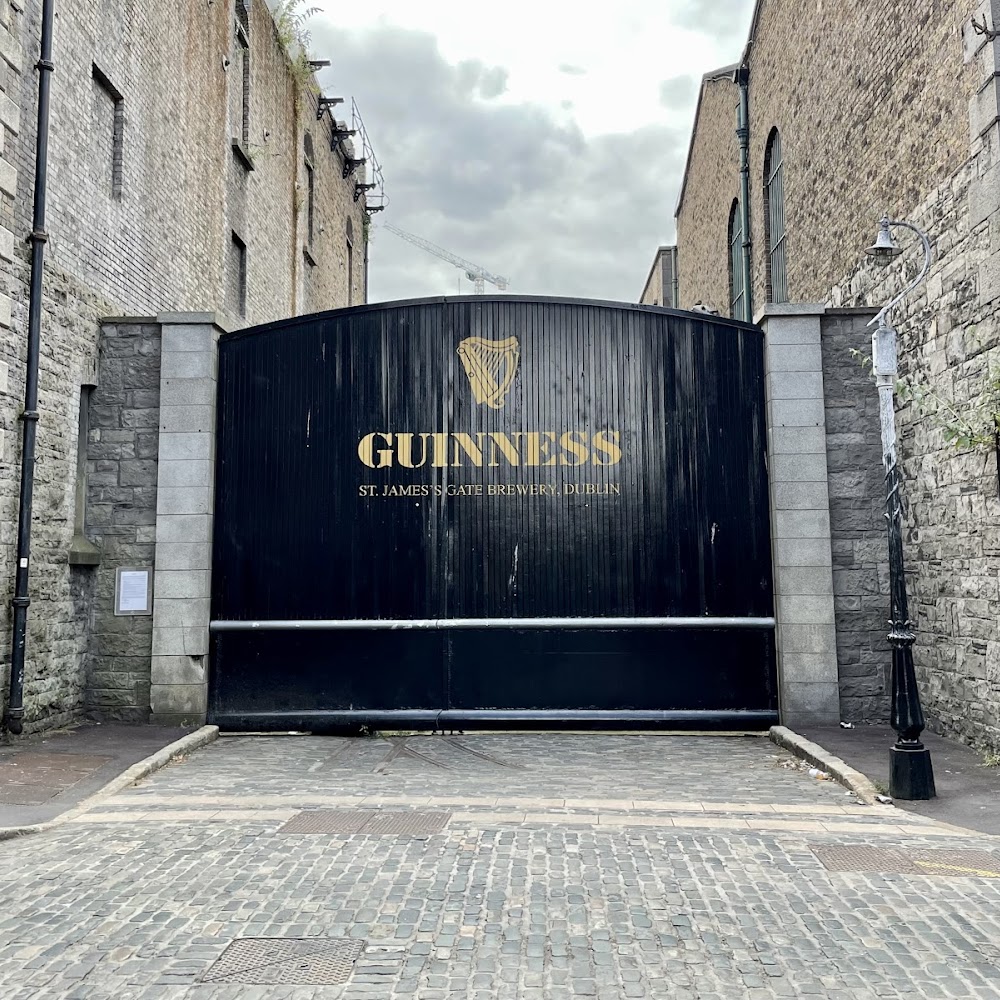
The Guinness at the Storehouse and in Dublin pubs tastes noticeably creamier and fresher than export versions. It's not marketing—the reduced travel time makes a real difference.
Pub lunches are excellent value
Traditional pubs serve proper Irish stew, fish & chips, and boxty for €12-16. Much better value than tourist restaurants and often better food than hotel dining.
Temple Bar is overpriced but worth seeing
Have one drink in Temple Bar for the atmosphere, then head to The Liberties or Smithfield for locals' prices. You'll save €3-4 per pint and get better craic.
Book restaurant dinners ahead
Dublin's best restaurants fill up, especially Chapter One and The Winding Stair. Lunch bookings are usually easier and often better value with set menus.
Traditional music sessions are spontaneous
Real trad sessions aren't scheduled like shows. Check pub Facebook pages or just listen for fiddle music around 9-10pm. O'Donoghue's and Kehoe's are reliable bets.
Essential Info
Euro (€) widely accepted on cards. ATMs everywhere with €200-300 daily limits. Small pubs and markets prefer cash. No need to exchange money before arrival.
10-15% at restaurants if service charge not included. Round up taxi fares. €1-2 per drink for bartenders. No tipping needed for pub table service.
Three Ireland or Vodafone Ireland eSIM for €20-30 with good data. Free WiFi in most cafés and all tourist attractions.
Planning a full Ireland trip?
Our Ireland itineraries cover Dublin and more — with multi-city routes, transit guides, and full budget breakdowns.
Related Itineraries
Ready to plan yourDublin trip?
Get this 3-day itinerary in your Yopki trip planner — customize, collaborate, and export to PDF.