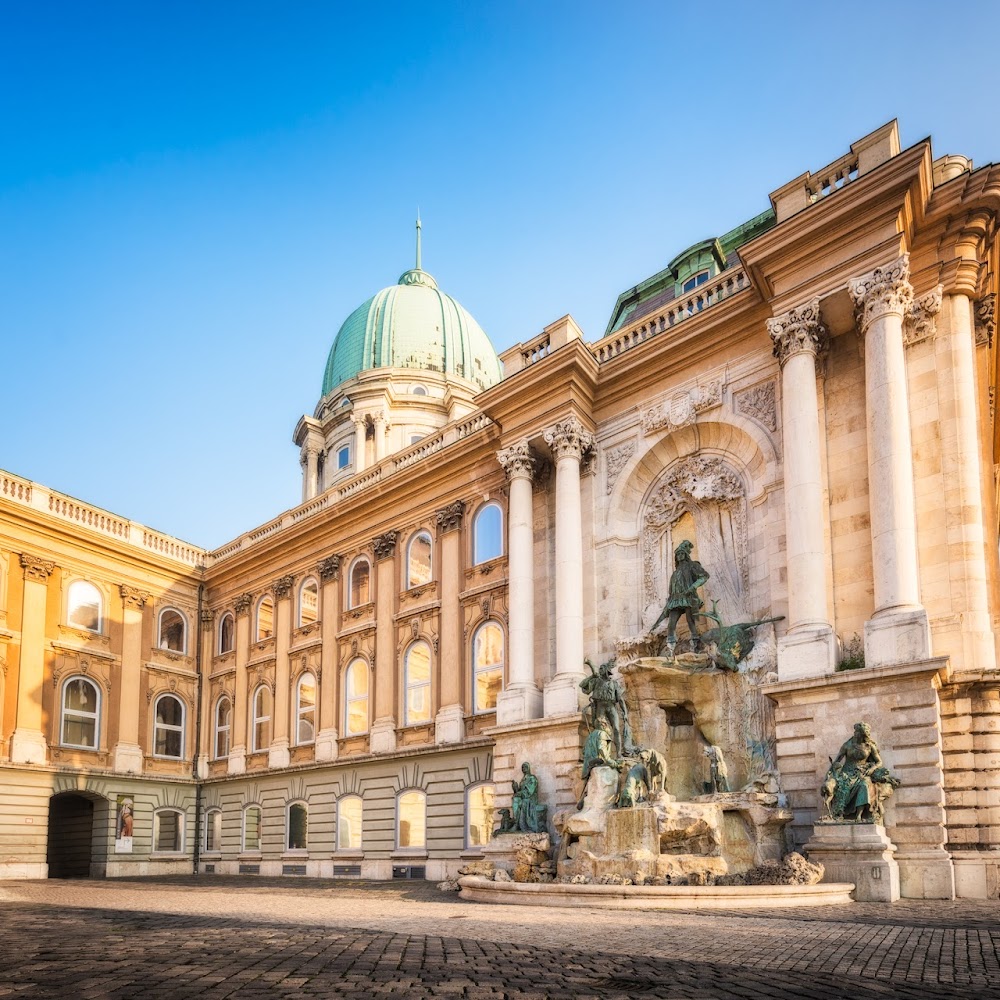
3-Day Budapest Itinerary: Thermal Baths, Ruin Bars & Danube Views (2026)
Budapest rewards slow exploration — from soaking in century-old thermal baths to bar-hopping through converted ruins. This guide organizes your three days by neighborhood, ensuring you experience both the grand imperial architecture and the city's legendary nightlife without backtracking across the Danube.
Day-by-Day Itinerary
Start high on Castle Hill exploring medieval streets and Habsburg palaces, then descend to soak away travel fatigue in Art Nouveau thermal pools. This pairing gives you Budapest's two most essential experiences: imperial grandeur and the thermal bath culture that defines daily life here.
Pro tip: Buy a Budapest Card for unlimited public transport plus discounts at major attractions. The thermal baths are busiest 2-5pm, so late afternoon offers a more relaxed experience.
Route Map
Budget Breakdown
Estimated cost per person for 3 days. Includes accommodation, all meals, local transport, activities, and miscellaneous expenses. Does not include international flights or travel insurance.
| Category | Daily | Total |
|---|---|---|
| accommodation | $80 | $240 |
| food | $78 | $234 |
| transport | $2 | $6 |
| activities | $41 | $123 |
| misc | $15 | $45 |
| Total | $216 | $648 |
* Budget tier: mid-range. Prices in USD per person.
Money-saving tips:
- Buy the Budapest Card (72-hour version for ~$40) for unlimited public transport plus discounts at major attractions
- Eat lunch at Great Market Hall upstairs - traditional Hungarian food at local prices
- Many churches are free to enter, you only pay for tower/dome access
- Happy hour at ruin bars typically 4-7pm with cheaper drinks
- Thermal baths are cheapest after 6pm with evening tickets
See detailed Hungary budget guide with calculator →
Daily costs, tipping, and trip calculator
When to Go
Perfect weather for walking and outdoor thermal baths, long daylight hours, spring festivals
Cold weather limits outdoor thermal bath enjoyment, shorter daylight hours, some attractions have reduced hours
Neighborhood Guide
Get oriented before you arrive — what each area feels like and how to get around.
Buda Castle District
excellent walkabilityWalking these cobblestone streets feels like stepping into a Habsburg-era fairy tale, with medieval buildings housing royal treasures and every corner revealing another postcard view of the Danube below.
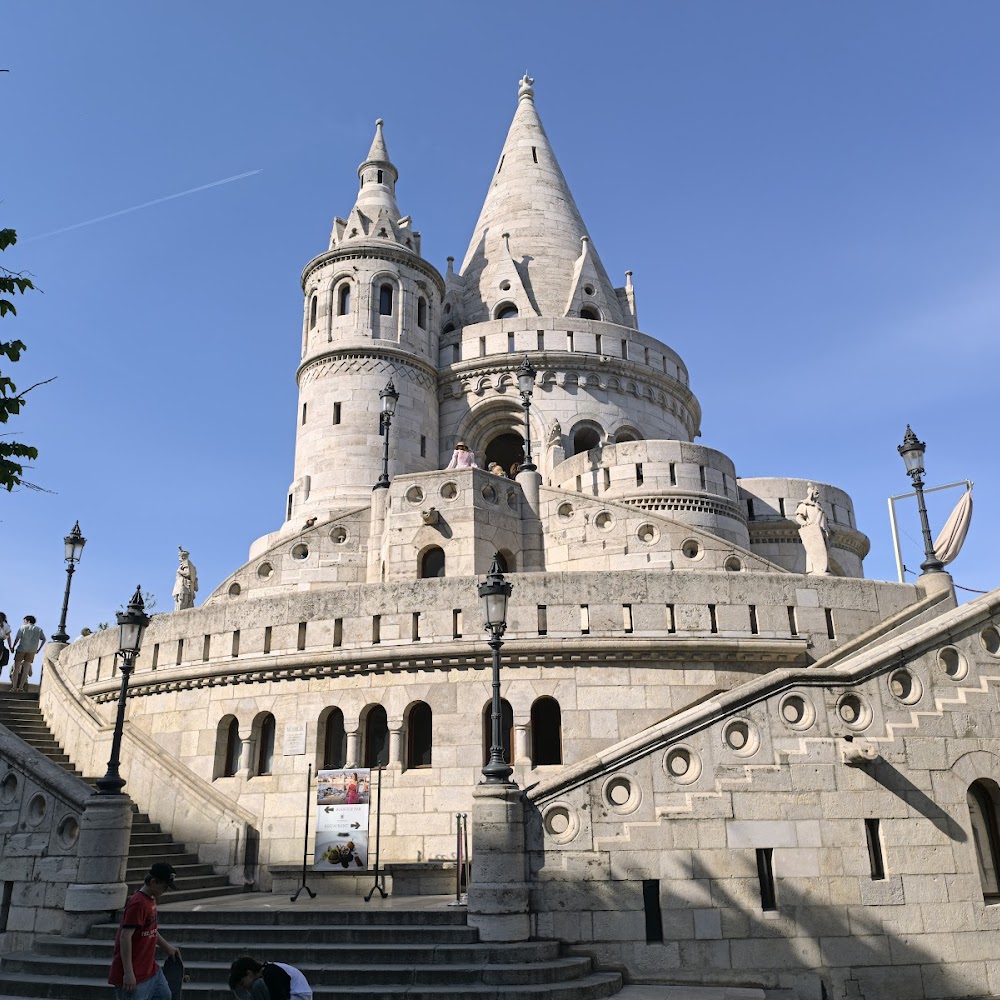
Known for: Royal Palace, Fisherman's Bastion, historic wine cellars, panoramic city views
Local tip: Take the Castle Hill Funicular up but walk down through the medieval streets to discover hidden courtyards and the best viewpoints away from tour groups.
Transit: Bus 16, Castle Hill Funicular, or 15-minute walk from Chain Bridge
Best time: morning
Not stroller-friendly
Pest City Center
excellent walkabilityGrand boulevards lined with Neo-Gothic and Art Nouveau masterpieces create an outdoor museum of imperial architecture, where every building seems to compete for most ornate façade.
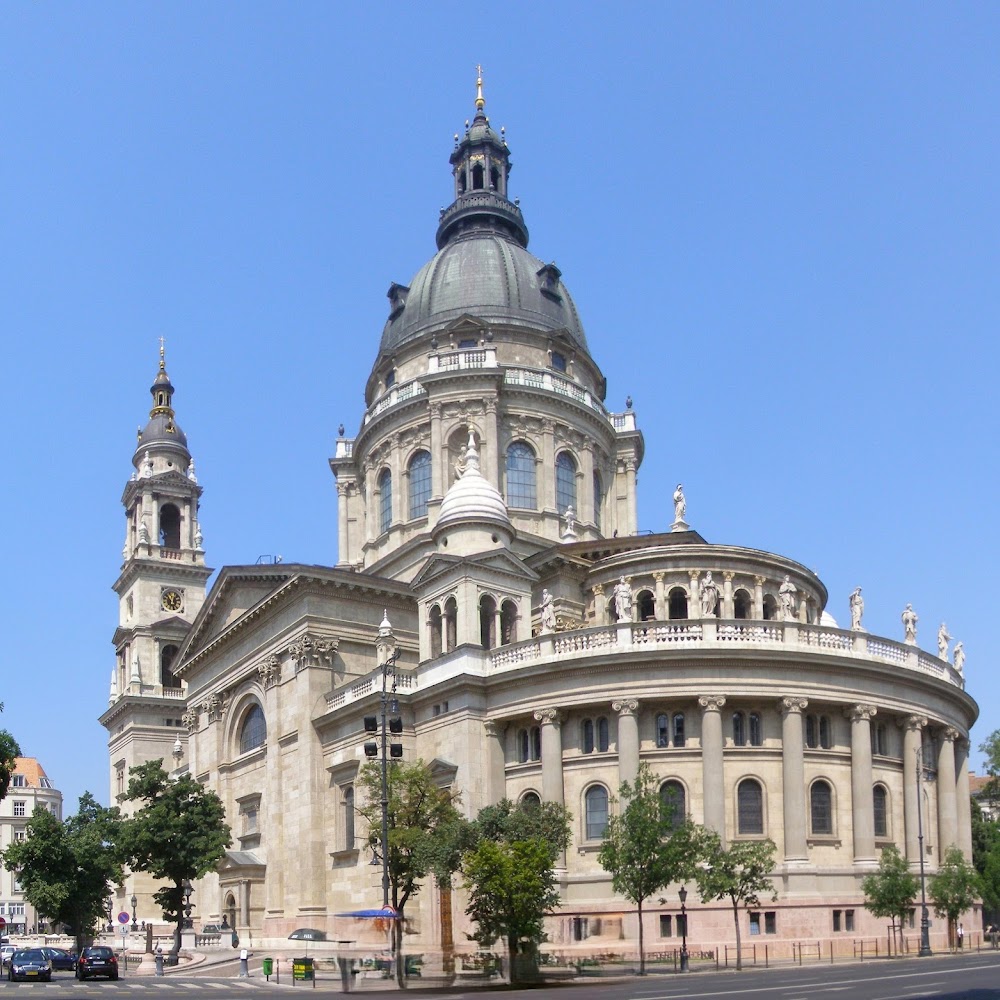
Known for: Parliament building, St. Stephen's Basilica, Danube promenade, high-end shopping
Local tip: Walk the Danube promenade at sunset when the Parliament building's golden stone glows - locals call this the 'golden hour' view that makes postcards seem dull.
Transit: Metro M2 and M3 intersection at Deák Ferenc tér
Best time: anytime
Jewish Quarter (District VII)
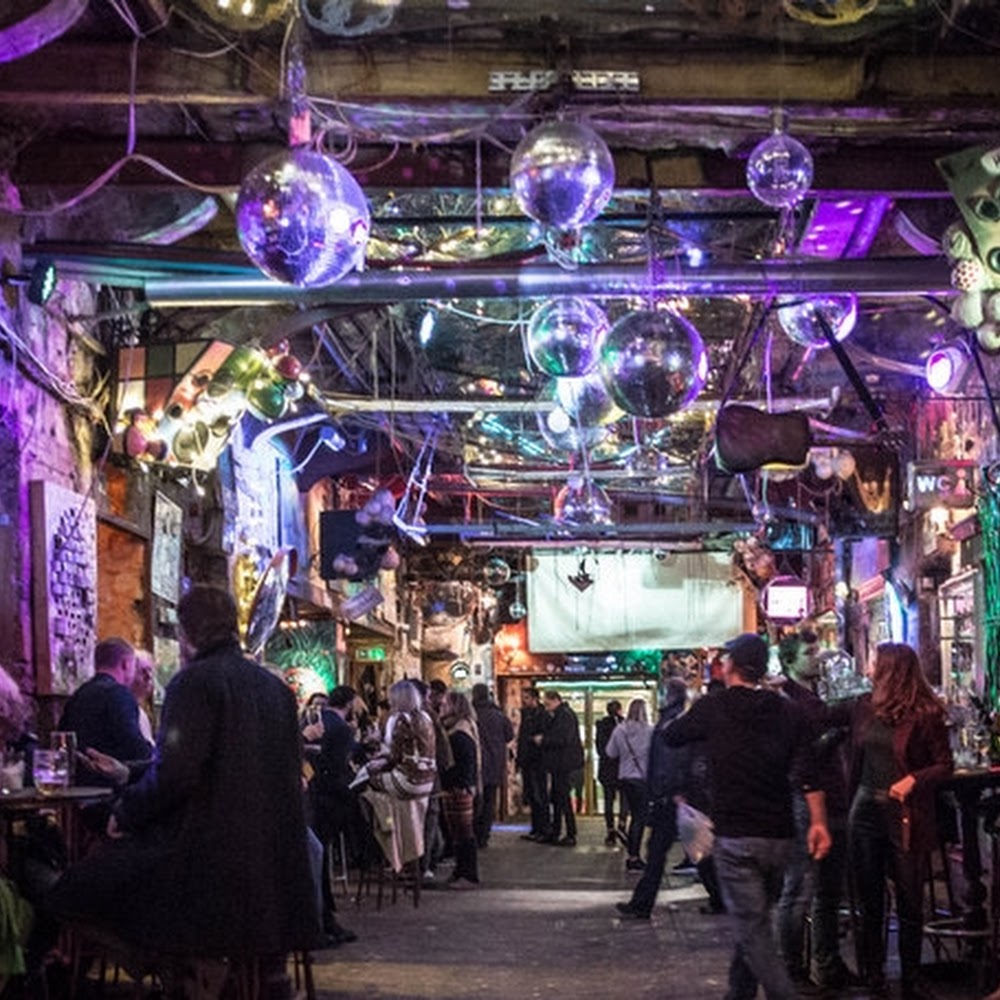
excellent walkabilityCrumbling 19th-century buildings have been transformed into artistic wonderlands where bathtubs hang from ceilings and vintage cars serve as bar seating - organized chaos with incredible character.
Known for: Ruin bars, vintage shopping, street art, Dohány Street Synagogue, nightlife
Local tip: Explore during daylight first to appreciate the street art and vintage shops, then return after 9pm when the ruin bars really come alive with live music and packed crowds.
Transit: Metro M2 Astoria or M1/M2/M3 Deák Ferenc tér
Best time: evening
Not stroller-friendly
Gellért Hill
moderate walkabilityThis forested hill rising from the Danube offers both natural escape and the city's most dramatic viewpoints, with thermal springs bubbling up at its base in Art Nouveau splendor.
Known for: Panoramic city views, Liberty Statue, Gellért Thermal Baths, hiking paths
Local tip: Hike up for sunrise or sunset when the light is magical, but avoid midday in summer - the exposed hilltop gets brutally hot with no shade.
Transit: Tram 47, 49 to Szent Gellért tér, then 20-minute uphill walk
Best time: early morning or late afternoon
Not stroller-friendly
What to Eat inBudapest
Eating etiquette
- •Wait to be seated at restaurants
- •Keep hands visible on the table
- •Round up the bill or add 10% tip
- •Don't clink glasses with beer (historical superstition)
Breakfast
Hungarians eat light breakfasts - coffee and pastry at a café or bakery. Hotel breakfasts are generous but not traditional. Try lángos at Great Market Hall for authentic morning food.
Lunch
Lunch specials (napi menü) at traditional restaurants offer 2-3 courses for $8-12. Many restaurants close 3-5pm, so eat by 2:30pm. Food courts in shopping malls are reliable backup options.
Dinner
Dinner starts 7-8pm. Reservations recommended for popular spots. Traditional restaurants serve huge portions - one soup plus main is often plenty. Wine is cheaper than beer at most places.
Dishes you can't miss
The real version is a soup with beef, vegetables, and paprika - not the thick stew many expect
Frici Papa or Drum Café · $6-8
Fried bread topped with sour cream and cheese - Hungary's favorite street food and hangover cure
Great Market Hall upstairs · $3-5
Hungarian version is thinner and crispier than Austrian, often made with pork instead of veal
Szimpla Kert or traditional restaurants · $8-12
Sweet spiral pastry cooked over coals - originally Transylvanian but adopted as Budapest street food
Váci Street vendors · $4-6
The thick, creamy paprika stew most people think is goulash - served with dumplings (nokedli)
Pest-Buda Bistro · $12-15
Try Tokaj dessert wine or red blends from Villány - Hungary's wine regions produce world-class bottles
Any restaurant · $4-8/glass
Street food highlights
Daily Walking Distances
Packing List
Essential for thermal baths - rental fees add up quickly
Thermal bath towel rental is €3 each time
Ruin bars are cash-only, exchange offices give better rates than ATMs
Lots of cobblestones and hills, especially on Buda side
Evenings can be cool even in summer, thermal baths to street transition
Long days of sightseeing and photography drain phones quickly
Skip These
Save your time and money — here's what to skip and what to do instead.
Important history but extremely heavy and depressing - not ideal for a short, enjoyable city break
→ Instead:Hungarian National Gallery in Buda Castle for culture without the emotional weight
The gardens and outdoor activities that make it special are dormant or closed in cold months
→ Instead:Spend that time soaking longer in thermal baths or exploring covered Great Market Hall
Overpriced tourist traps with mediocre food and aggressive servers who hassle pedestrians
→ Instead:Walk two blocks away from Váci Street for authentic restaurants at local prices
Frequently Asked Questions
Is 3 days enough for Budapest?
Yes, 3 days covers the main highlights well. You'll see both sides of the Danube, experience thermal baths, explore ruin bars, and tour Parliament. You'll miss day trips to the Danube Bend or extensive museum visits, but you'll get a solid taste of Budapest's imperial architecture, thermal culture, and nightlife.
Where should I stay in Budapest?
District V (Belváros) puts you walking distance from Parliament and major sights. District VI around Andrássy Avenue offers elegant streets with good Metro access. District VII (Jewish Quarter) is perfect for ruin bar nightlife. Avoid District VIII south of the ring road - it's less safe at night.
How much does 3 days in Budapest cost?
Budget travelers: $40-60/day. Mid-range: $80-120/day including nice hotels and restaurants. Luxury: $150-250/day with Michelin dining and premium thermal baths. Food and drinks are very affordable compared to Western Europe - a good dinner costs $15-25.
What should I not miss in Budapest?
The thermal baths (Széchenyi or Gellért), a ruin bar crawl starting at Szimpla Kert, Parliament building tour, walking across Chain Bridge at sunset, and the panoramic views from Fisherman's Bastion. These five experiences capture Budapest's unique character.
What's the best time to visit Budapest?
April through June offers perfect weather for outdoor thermal baths and sightseeing. September-October is also excellent with fewer crowds. Avoid July-August (hot and crowded) and December-February (cold limits thermal bath enjoyment). Christmas markets in December are magical but bundle up.
Travel Tips forBudapest
Budapest Card Worth It
The 72-hour Budapest Card ($40) includes unlimited public transport plus discounts at major attractions like Parliament and thermal baths. It pays for itself if you visit 3+ paid attractions.
Cash for Ruin Bars
Most ruin bars only accept cash. ATMs are everywhere, but your bank likely charges fees. Bring some euros to exchange at local exchange offices for better rates than hotel exchanges.
Thermal Bath Etiquette
Bring flip-flops and a towel or rent them there. Shower before entering pools. Don't splash or be loud - locals treat baths as relaxation spaces. The outdoor pools at Széchenyi are perfect for first-timers.
Hungarian Goulash Reality
Real Hungarian goulash is a soup, not a stew. If you want the thick stew most people imagine, order 'pörkölt' or 'paprikás' instead. Try lángos (fried bread) at Great Market Hall for authentic street food.
District VIII Caution
The area around Keleti train station (District VIII) can be sketchy at night, especially for solo travelers. Stick to Districts V, VI, and VII after dark. Pickpocketing happens on crowded Metro line 1.
Ruin Bar Peak Hours
Ruin bars don't really come alive until 9pm, but arrive earlier (6-7pm) for dinner and to explore the unique décor before crowds arrive. Sunday farmers markets at Szimpla happen 9am-2pm.
Essential Info
Hungary uses Hungarian Forint (HUF). Cards accepted everywhere major, but bring cash for ruin bars and market stalls. ATMs charge ~$3-5 per transaction.
Round up restaurant bills or add 10% for good service. Tip thermal bath attendants 200-500 HUF. No tipping needed for drinks at ruin bars.
Orange or Telekom prepaid SIM cards available at airport and city center. eSIM options: Airalo or Holafly work well for data.
Planning a full Hungary trip?
Our Hungary itineraries cover Budapest and more — with multi-city routes, transit guides, and full budget breakdowns.
Related Itineraries
Ready to plan yourBudapest trip?
Get this 3-day itinerary in your Yopki trip planner — customize, collaborate, and export to PDF.