


10 Day Egypt Itinerary
From the Great Pyramid of Giza to the temples of Luxor and a tranquil Nile cruise to Aswan, this 10-day Egypt journey balances ancient wonders with practical logistics. Designed for groups who want to experience Egypt's highlights without the chaos.
Day-by-Day Itinerary
Route Map
Budget Breakdown
Estimated cost per person for 10 days. Includes accommodation, all meals, local transport, activities, and miscellaneous expenses. Does not include international flights or travel insurance.
| Category | Daily | Total |
|---|---|---|
| accommodation | $85 | $850 |
| food | $22 | $220 |
| transport | $35 | $350 |
| activities | $28 | $280 |
| misc | $15 | $150 |
| Total | $185 | $1850 |
* Budget tier: mid-range. Prices in USD per person.
Money-saving tips:
- Eat local street food and simple restaurants - authentic and 1/3 the price of tourist places
- Book domestic flights in advance - can save 30-40% vs last minute
- Negotiate taxi fares upfront - meters rarely used, agree on price before getting in
- Buy water in bulk from shops, not hotel minibars - 10x cheaper
- Photography tickets cost extra at most temples - decide if worth it before entering
When to Go
Comfortable temperatures (20-30°C), minimal rainfall, perfect for temple exploration
Extreme heat (35-45°C), especially unbearable in Luxor and Aswan temple complexes
Neighborhood Guide
Get oriented before you arrive — what each area feels like and how to get around.
Giza Plateau
moderate walkabilityThe desert wind carries whispers of ancient secrets as you walk among monuments that have stood for millennia. The air shimmers with heat and history, while persistent vendors create a constant soundtrack of commerce against the backdrop of eternal stone.
Known for: The Great Pyramid, Sphinx, and the only surviving Wonder of the Ancient World
Local tip: Enter through the south gate early morning to avoid tour bus crowds and get the classic pyramid alignment photo without people
Transit: Giza Metro Station (Line 2), then taxi or bus to plateau entrance
Best time: early morning
Not stroller-friendly
Downtown Cairo (Wust al-Balad)
good walkabilityCrumbling Belle Époque buildings lean over narrow streets where the scent of shisha mingles with car exhaust. Every corner reveals a hidden café or bookshop, and the energy is intoxicating—chaotic but somehow perfectly orchestrated.
Known for: Egyptian Museum, Tahrir Square, and Ottoman-era architecture
Local tip: Visit Café Riche where Naguib Mahfouz wrote—it's unchanged since the 1950s and locals still play backgammon there
Transit: Sadat Metro Station (Lines 1 & 2) at Tahrir Square
Best time: afternoon
Not stroller-friendly
Old Cairo (Misr al-Qadima)
excellent walkabilityStone walls echo with centuries of prayers in different languages as incense drifts from ancient churches. The narrow alleys feel like walking through a living museum where Christian and Islamic heritage intertwine.
Known for: Coptic Christian sites, Hanging Church, and Ben Ezra Synagogue
Local tip: Visit during Sunday morning Coptic service at the Hanging Church to hear ancient hymns in the original setting
Transit: Mar Girgis Metro Station (Line 1)
Best time: morning
Not stroller-friendly
Citadel Area (Al-Qal'a)
moderate walkabilityMedieval fortress walls rise dramatically above the city while the call to prayer from Mohammed Ali Mosque resonates across stone courtyards. The elevated position makes you feel like you're surveying an empire.
Known for: Saladin's Citadel, Mohammed Ali Mosque, and panoramic Cairo views
Local tip: Stay for sunset when the entire city turns golden and you can see the pyramids on clear days
Transit: Closest metro is Sayyida Zeinab (Line 1), then taxi uphill
Best time: late afternoon
Not stroller-friendly
West Bank (Valley of Kings)
poor walkabilitySilence broken only by footsteps on ancient stone as you descend into royal tombs carved deep into golden cliffs. The desert landscape feels otherworldly, as if time stopped when the last pharaoh was buried.
Known for: Valley of Kings, Hatshepsut Temple, and Deir el-Medina
Local tip: Buy the special ticket for Ramesses VI tomb—it's uncrowded and has the most spectacular ceiling paintings
Transit: Ferry from Luxor East Bank, then taxi or bicycle rental at landing
Best time: early morning
Not stroller-friendly
Luxor East Bank
good walkabilityTemple columns tower overhead like a stone forest while the Nile breeze carries the scent of jasmine from nearby gardens. Tourist energy mingles with everyday Egyptian life as donkey carts share roads with tour buses.
Known for: Karnak Temple Complex and Luxor Temple
Local tip: Enter Karnak through the back entrance near the Sacred Lake to avoid crowds and see the most photogenic approach
Transit: Walking distance from Luxor train station and most hotels
Best time: late afternoon
Not stroller-friendly
Aswan Corniche
excellent walkabilityPalm trees sway along the waterfront as feluccas drift by with billowing white sails. The pace is noticeably slower here, and the Nubian influence gives everything a distinctly African feel that's different from the rest of Egypt.
Known for: Nile views, felucca rides, and spice markets
Local tip: Negotiate felucca rides at the boat landing behind the Old Cataract Hotel—captains there are more experienced and honest
Transit: Walking distance from Aswan train station
Best time: evening
What to Eat inEgypt
Cairo
Eating etiquette
- •Bread is sacred—never throw it away
- •Accept tea offers from shopkeepers—it's genuine hospitality
- •Eat with your right hand only
- •Don't refuse food offers three times—it's considered rude
Breakfast
Locals eat ful medames (fava beans) and baladi bread from street carts. Head to any local ahwa (coffeehouse) for strong tea and simple breakfast around 7-9am.
Lunch
Find restaurants busy with locals during 2-4pm—they know where the food is freshest. Avoid touristy areas near the pyramids where quality drops and prices triple.
Dinner
Egyptians eat late (8-10pm) and meals are communal. Book restaurants after 8pm for the best atmosphere and freshest food preparation.
Dishes you can't miss
The national dish perfected at its most famous location since 1950
Abou Tarek Restaurant, Downtown Cairo · $2-3
Traditional green soup served in historic literary setting
Naguib Mahfouz Cafe, Khan el-Khalili · $8-10
Festive lamb and rice dish that most tourists never try
Local family restaurants in Old Cairo · $5-7
Street food highlights
Luxor
Eating etiquette
- •Dress modestly when dining—Luxor is more conservative than Cairo
- •Tip 10-15% at sit-down restaurants
- •Always check if water is included in the price
Breakfast
Hotels serve international breakfast, but locals eat at simple cafes along the Corniche serving ful, eggs, and strong coffee around sunrise.
Lunch
Many restaurants close during afternoon heat. Stock up on snacks from local markets or eat at your cruise boat.
Dinner
Tourist restaurants open early, but local places don't serve until after sunset. Nile view restaurants charge premium but offer authentic atmosphere.
Dishes you can't miss
Fresh from the Nile in historic colonial setting
1886 Restaurant, Old Winter Palace · $15-20
Upper Egyptian specialty rarely found elsewhere
Local restaurants near Luxor Temple · $8-12
Street food highlights
Aswan
Eating etiquette
- •Nubian hospitality means larger portions—don't be offended if you can't finish
- •Remove shoes when entering traditional Nubian homes
- •Spicy food is more common here than northern Egypt
Breakfast
Traditional Nubian breakfast includes dates, cheese, and strong coffee. Local cafes serve this alongside Egyptian standards.
Lunch
Many locals eat during midday break from heat. Find air-conditioned restaurants or eat by the Nile for breeze.
Dinner
Sunset dining by the Nile is magical. Book felucca dinner trips or riverside restaurants for best experience.
Dishes you can't miss
Unique Nubian spicing methods passed down generations
Riverside restaurants near Old Cataract · $10-15
Traditional porridge dish you won't find anywhere else in Egypt
Local Nubian villages · $5-8
Street food highlights
Getting Between Cities
How to book: Book online at EgyptAir website or at Cairo airport domestic terminal. Bring passport for domestic flights.
Platform: Terminal 1 for domestic flights. Arrive 2 hours early for security. Gate announcements only in Arabic sometimes.
Luggage: 20kg included, but scales are strict. Pack souvenirs in carry-on to avoid overweight fees.
Pro tip: Right side windows show the Nile and desert landscape clearly
How to book: Book through hotel concierge or at Luxor dock directly. Includes all meals and guided tours.
Platform: Board at Luxor East Bank dock. Arrive 1 hour early for room assignment and safety briefing.
Luggage: Rooms are small—pack light. Laundry service available but expensive.
Pro tip: Book Nile-view cabin on upper deck for best sunrise/sunset views
How to book: Book through hotel or local tour operators. Must travel in police-escorted convoy.
Platform: Convoy leaves at 4am sharp from Aswan hotels. Second convoy at 8am but returns late.
Luggage: Bring only small bag. Water and snacks essential for long journey.
Pro tip: Right side of bus for desert sunrise views on return journey
Daily Walking Distances
Packing List
Desert sun reflects off sand and ancient stones, causing severe burns even in winter
Temple visits involve hours in direct sunlight with no shade
Ancient sites have uneven stones and sand gets everywhere
Required for mosque visits and respectful in conservative areas
Many tomb interiors are poorly lit and phone cameras need light for photos
Constant hydration needed in desert climate, plastic bottles expensive at sites
Most vendors, tips, and site entrance fees require Egyptian pounds in small denominations
Limited facilities at ancient sites and dust gets on everything
Protects from sun, sand, and needed for mosque visits
Long days at sites drain phone batteries and outlets scarce on cruise boats
Inevitable stomach adjustment to local food and water
Excessive sweating in heat requires more than just water replacement
Protects electronics and documents from sand and boat humidity
Large bags not allowed in many tombs and temples
Nile cruise boats and evening Aswan activities have mosquitoes
Skip These
Save your time and money — here's what to skip and what to do instead.
Overpriced souvenirs made in China sold as 'authentic Egyptian' with aggressive sales tactics
→ Instead:Shop at Tentmakers' Bazaar for real handmade crafts or local markets in Luxor/Aswan for authentic items at fair prices
Cheesy 1970s production with poor sound quality and historical inaccuracies, overpriced at $15-25
→ Instead:Visit pyramids at sunset for free dramatic lighting and better photos without crowds
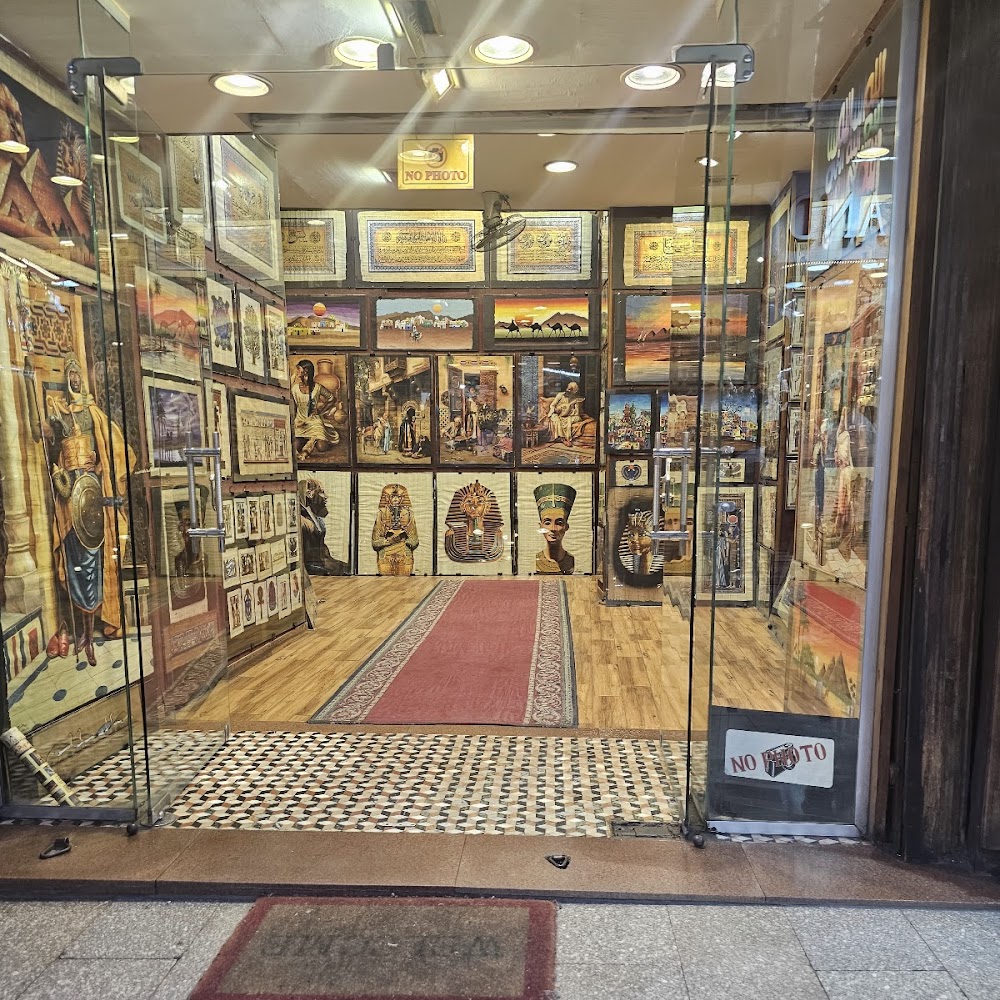
High-pressure sales environment selling mass-produced papyrus at 10x market price disguised as 'educational experience'
→ Instead:Buy papyrus from local artists in Luxor or Aswan markets for authentic pieces at reasonable prices
Tourist trap with aggressive handlers, overpriced ($30-50 for 30 minutes), and poor animal treatment
→ Instead:Take camel rides in desert outside Cairo where animals are better treated and prices are negotiable ($10-15)
Poor quality food, watered-down drinks, and touristy belly dancing shows for $40-80 per person
→ Instead:Take felucca sunset sail in Aswan for authentic Nile experience or dine at riverside restaurant for better food and atmosphere
Frequently Asked Questions
Is 10 days enough for Egypt?
Yes, 10 days covers Egypt's highlights well - Cairo's pyramids and museums, Luxor's temples, a Nile cruise, and Abu Simbel. You'll see the main ancient sites without rushing. Add more time for Red Sea diving or western desert oases.
How much does 10 days in Egypt cost?
Budget travelers can do Egypt for $800-1200 total, mid-range travelers $1500-2500, and luxury travelers $3000+. The biggest costs are domestic flights ($200), Nile cruise ($300-800), and Abu Simbel tour ($80-120).
What is the best month to visit Egypt?
October through March offers perfect weather (20-30°C) for temple exploration. January-February are peak season with crowds but ideal temperatures. Avoid June-August when temperatures hit 40-45°C.
Do I need a visa for Egypt?
Most visitors need a visa. US, UK, EU citizens can get e-visa online ($25) or visa-on-arrival ($25). Process takes 5 minutes at airport. Passport must be valid 6+ months. Some nationalities get free visa.
Is Egypt safe for tourists?
Yes, Egypt's tourist areas are heavily secured with police and military presence. Stick to organized tours for desert areas. Petty theft and tourist scams are the main concerns, not serious crime. Solo female travelers should dress conservatively.
What should I wear in Egypt?
Dress conservatively - cover shoulders and knees, especially at religious sites. Bring lightweight long pants and long sleeves for temple visits. Comfortable walking shoes essential for ancient sites with uneven surfaces.
Travel Tips forEgypt
Cash is King
Bring US dollars to exchange for Egyptian pounds. Many places don't accept cards. ATMs are common in cities but scarce in remote areas. Always keep small bills for tips and vendors.
Tipping Culture
Tip everyone - hotel staff (10-20 EGP), restaurant servers (10-15%), drivers (20-30 EGP), temple guards who show you around (20-50 EGP). It's expected and helps supplement low wages.
Negotiate Everything
Agree on taxi fares before getting in - meters rarely used. Official government taxis are white with checkered pattern. Uber works in Cairo but limited elsewhere.
Temple Photography
Photography tickets cost extra (50-300 EGP) at most temples and tombs. Guards will stop you if you don't have the photo ticket. Some sites prohibit flash photography to preserve ancient paint.
Street Food Strategy
Stick to busy food stalls with high turnover. Avoid raw vegetables and tap water. Bottled water everywhere costs 5-10 EGP. Egyptian tea and coffee are safe and delicious.
Heat Management
Start temple visits early (7-8am) before heat peaks. Bring hat, sunscreen, and lots of water. Many sites have minimal shade. Take breaks in air-conditioned cafes or shops.
Essential Info
Egyptian Pound (EGP). Bring USD to exchange. Cards accepted in hotels/restaurants but cash needed for temples, taxis, tips. ATMs widely available in cities.
Tip everyone: hotel staff 10-20 EGP, restaurant 10-15%, taxi drivers 10-20 EGP, temple guards 20-50 EGP, tour guides 100-200 EGP per day.
Orange or Vodafone Egypt SIM cards available at airport. Airalo eSIM works well for data-only needs.
More Options inEgypt
Places that didn't make the main itinerary but are worth knowing about.
More Restaurants
More Activities
Cafes & Coffee
Shopping
Bars & Nightlife
Explore Each City
Want to spend more time in a specific city? Check out our city-level deep-dive guides.
Related Itineraries
Ready to plan yourEgypt trip?
Get this 10-day itinerary in your Yopki trip planner — customize, collaborate, and export to PDF.