



10 Day Colombia Itinerary
Experience Colombia's incredible diversity from the high-altitude capital of Bogotá to the innovative city of Medellín and the Caribbean coast of Cartagena. This itinerary balances must-see sights with authentic local experiences.
Day-by-Day Itinerary
Route Map
Budget Breakdown
Estimated cost per person for 10 days. Includes accommodation, all meals, local transport, activities, and miscellaneous expenses. Does not include international flights or travel insurance.
| Category | Daily | Total |
|---|---|---|
| accommodation | $75 | $750 |
| food | $45 | $450 |
| transport | $18 | $180 |
| activities | $22 | $220 |
| misc | $15 | $150 |
| Total | $175 | $1750 |
* Budget tier: mid-range. Prices in USD per person.
Money-saving tips:
- Eat at local restaurants and street food for huge savings
- Use public transport (metro/TransMilenio) instead of taxis when possible
- Many museums in Bogotá are free or very cheap
- Buy domestic flights 2-3 weeks ahead for better prices
- Negotiate with taxi drivers - many don't use meters
When to Go
Dry season with less rain, especially good for Cartagena and coastal areas
Peak rainy season with heavy afternoon downpours and higher humidity
Neighborhood Guide
Get oriented before you arrive — what each area feels like and how to get around.
La Candelaria
good walkabilityColonial cobblestones echo with every footstep while vibrant street art creates an Instagram-worthy backdrop against weathered walls. The smell of fresh coffee mingles with exhaust fumes, and you'll feel like you're walking through layers of Colombian history.
Known for: Historic colonial architecture, street art, museums, and government buildings
Local tip: Locals come here for cheap almuerzo ejecutivo (executive lunch) at family-run restaurants between 12-2pm for under $4
Transit: Las Aguas TransMilenio station on Line C
Best time: morning
Not stroller-friendly
Zona Rosa
excellent walkabilityPolished sidewalks buzz with well-dressed locals heading to rooftop bars and trendy restaurants. The energy is cosmopolitan and upscale, with glass towers reflecting the Andean sky and the constant hum of nightlife preparation.
Known for: Upscale dining, nightlife, shopping, and business district
Local tip: Join the 'onces' tradition - afternoon coffee and pastries around 4-5pm at local cafés instead of tourist restaurants
Transit: Zona Rosa TransMilenio station on Line K
Best time: afternoon
El Poblado
excellent walkabilityTree-lined streets pulse with entrepreneurial energy, where digital nomads work from sleek cafés while salsa music drifts from nearby bars. The atmosphere feels progressive and international, yet distinctly paisa in its warmth.
Known for: Upscale nightlife, international restaurants, hotels, and expat community
Local tip: Skip the touristy Parque Lleras and head to Via Primavera where locals actually party - better prices and authentic atmosphere
Transit: Poblado Metro station on Line A
Best time: evening
Ciudad Vieja (Old City)
good walkabilityBougainvillea cascades over colonial balconies while horse-drawn carriages clatter past centuries-old churches. The air is thick with Caribbean humidity, history, and the distant sound of champeta music echoing through narrow stone streets.
Known for: UNESCO World Heritage colonial architecture, restaurants, and romantic ambiance
Local tip: Locals shop at Portal de los Dulces for traditional sweets and avoid the tourist restaurants on Plaza Santo Domingo
Transit: Walking distance from main bus terminal, no metro system
Best time: morning
Not stroller-friendly
Getsemaní
excellent walkabilityGraffitied walls tell stories of gentrification while locals play dominoes in plaza corners and craft beer flows from converted colonial houses. It feels like authentic Caribbean culture meeting hipster transformation.
Known for: Street art, local bars, affordable restaurants, and emerging arts scene
Local tip: Join locals for evening drinks at Plaza de la Trinidad around 7pm - bring your own beer from nearby tiendas
Transit: 15-minute walk from Old City, accessible by local bus
Best time: evening
What to Eat inColombia
Bogotá
Eating etiquette
- •Always accept the complimentary agua de panela or chicha
- •Don't ask for spicy food - Bogotanos don't do heat
- •Say 'buen provecho' when passing people eating
Breakfast
Locals eat changua (milk soup with eggs) or tamales on weekends. Grab coffee and almojábana (cheese bread) from street vendors for authentic morning fuel.
Lunch
Find 'corrientazo' or 'almuerzo ejecutivo' between 12-2pm for $3-5 complete meals with soup, main, rice, beans, and juice at neighborhood restaurants.
Dinner
Dinner is light and early (6-8pm). Book trendy restaurants 2-3 days ahead. Try ajiaco on Thursdays when many restaurants make their weekly batch.
Dishes you can't miss
300-year-old recipe with three types of potatoes and guascas herb
La Puerta Falsa (oldest restaurant in Bogotá) · $8-12
Weekend tradition wrapped in banana leaves with chicken and pork
Mercado de Paloquemao Saturday mornings · $3-4
Street food highlights
Medellín
Eating etiquette
- •Bandeja paisa is meant to be shared despite what menus say
- •Coffee is taken black with panela (raw sugar)
- •Never refuse offered food - it's considered very rude
Breakfast
Start with calentao (reheated rice and beans) and arepa con quesito. Hit panadería for buñuelos and coffee around 10am for 'algo' (little something).
Lunch
Look for 'bandeja paisa pequeña' (small version) for $6-8 instead of the massive $12-15 full size. Best deals in Envigado and Sabaneta suburbs.
Dinner
Paisas eat dinner around 7pm. Make reservations for El Poblado restaurants. Try local joints in Laureles for authentic experience without tourist markup.
Dishes you can't miss
The ultimate paisa feast with 12 components including chicharrón and morcilla
Mondongo's (local chain with authentic preparation) · $12-15
Saturday tradition soup with plantain, yuca, and three meats
Fonda La Catira in Laureles · $8-10
Street food highlights
Cartagena
Eating etiquette
- •Fish is eaten with hands, not utensils
- •Always drink coconut water from street vendors - it's safe and expected
- •Share ceviche - it's meant for multiple people
Breakfast
Start with arepa de huevo from street carts and café con leche. Locals eat sancocho de sábado (Saturday soup) as weekend breakfast tradition.
Lunch
Avoid Old City restaurants during lunch - triple the price. Head to Pie de la Popa or Bazurto Market for authentic Caribbean lunches under $5.
Dinner
Dinner starts after 8pm due to heat. Old City restaurants need reservations. Street food comes alive after sunset in Getsemaní.
Dishes you can't miss
Coconut milk seafood stew that defines Cartagena cuisine
La Mulata in Getsemaní · $15-18
Sweet and savory beef in panela sauce, colonial-era recipe
Restaurante 1621 · $16-20
Street food highlights
Getting Between Cities
How to book: Book online 3-4 weeks ahead for best prices. Check-in opens 24 hours before. Print boarding pass or use mobile app.
Platform: El Dorado Airport Terminal 1, arrive 90 minutes early. Gate assignments change frequently - check screens.
Luggage: 23kg checked bag included. Carry-on strict at 10kg. No liquids over 100ml.
Pro tip: Right side windows for Magdalena River views and Cordillera mountains
How to book: José María Córdova Airport is 45 minutes from city. Book airport shuttle or take colectivo van for $8.
Platform: Small airport, arrive 75 minutes early. Limited food options after security.
Luggage: VivaColombia charges for everything extra. Avianca includes checked bag.
Pro tip: Left side for Caribbean coast approach views
Daily Walking Distances
Packing List
Bogotá gets sudden afternoon showers year-round, and it's cold at 2,600m elevation
Bogotá is 60°F, Medellín 75°F, Cartagena 85°F - dramatic differences
Colonial cobblestones in all three cities, plus Monserrate hike and Guatapé rock climb
Cartagena has mosquitos year-round, especially at sunset near walls
Equatorial sun is intense, especially in Cartagena and at Bogotá's altitude
For day trips to Zipaquirá, Guatapé, and walking around walled city
Many places don't accept cards, street food vendors need exact change
Long days exploring, taking photos, using maps and translation apps
English is limited outside tourist areas, especially in Cartagena
Restaurants and buses blast AC, dramatic contrast to outside heat
High altitude dehydration in Bogotá, heat in Cartagena, save money
Bogotá at 8,660 feet affects many visitors for first 24-48 hours
Street food adventures and different water can cause stomach issues
Skip These
Save your time and money — here's what to skip and what to do instead.
Overpriced replicas that you can buy for 1/3 price at Mercado de las Pulgas flea market
→ Instead:Visit the museum but buy souvenirs at La Candelaria street vendors for authentic crafts
$25-30 for rushed tours with 20+ people, and many guides aren't from the community
→ Instead:Take public metro to San Javier, hire local guide directly for $10-15 and get authentic stories
$40-60 for 30 minutes of tourist traps and horses look mistreated in the heat
→ Instead:Walk the walls at sunset for free and better photos, then explore neighborhoods on foot
$80-120 for overcrowded boats, polluted water, and tourist trap restaurants
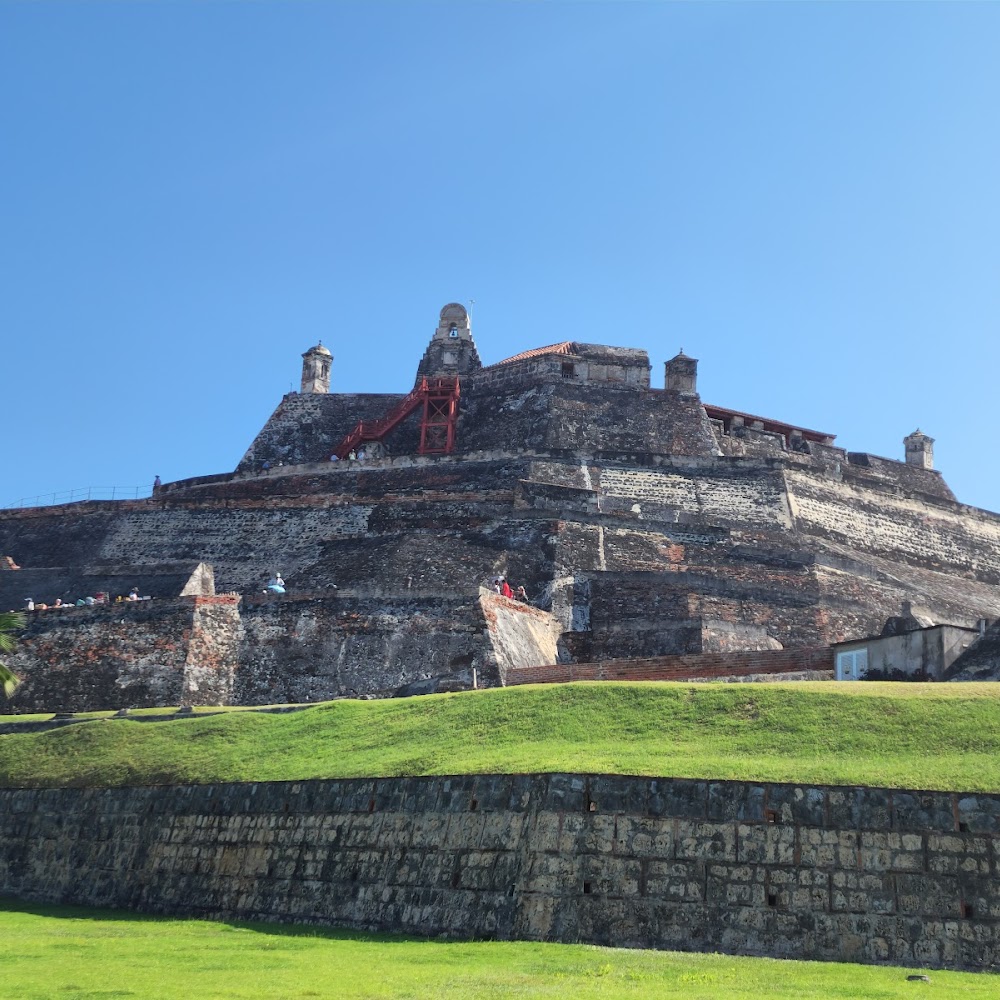
→ Instead:Stay in Cartagena and explore Getsemaní, visit Castillo San Felipe, or take cooking class
$12-15 cocktails for mediocre drinks and pretentious atmosphere
→ Instead:Hit local cervecerías in Chapinero for craft beer at $3-4, better atmosphere with locals
Frequently Asked Questions
Is 10 days enough for Colombia?
Yes, 10 days allows you to experience Colombia's highlights including Bogotá's culture, Medellín's transformation, and Cartagena's colonial charm. This itinerary covers three distinct regions and climates, giving you a well-rounded introduction to the country's diversity.
How much does 10 days in Colombia cost?
A mid-range 10-day Colombia trip costs approximately $1,750 per person including accommodation ($75/night), meals ($45/day), domestic flights, activities, and local transport. Budget travelers can do it for $1,200 while luxury trips can reach $3,000+.
What is the best month to visit Colombia?
December through March is the best time to visit Colombia, offering the driest weather with minimal rainfall, especially important for coastal Cartagena. Avoid May, June, September and October which are the wettest months with heavy afternoon downpours.
Do I need a visa for Colombia?
US, UK, EU, Canadian, and Australian citizens can enter Colombia visa-free for up to 90 days for tourism. You need a passport valid for at least 6 months and proof of onward travel. No vaccinations are required but yellow fever is recommended for some regions.
Is Colombia safe for tourists?
Colombia has transformed dramatically and is generally safe for tourists who take normal precautions. Stick to main tourist areas in Bogotá (Zona Rosa, La Candelaria during day), stay in El Poblado in Medellín, and remain within the Old City walls in Cartagena. Avoid displaying expensive items and don't walk alone at night.
What vaccinations do I need for Colombia?
No vaccinations are required for entry, but yellow fever is recommended if visiting jungle areas. Routine vaccines (MMR, DPT, flu, COVID-19) should be up to date. Hepatitis A and typhoid are recommended for all travelers. Malaria prophylaxis is only needed for specific jungle regions not covered in this itinerary.
Travel Tips forColombia
Cash is King
Many small restaurants and shops only accept cash. ATMs are widely available but notify your bank before travel. US dollars are useful for tips and emergencies but you'll get better rates paying in pesos.
Metro Systems are Excellent
Bogotá's TransMilenio and Medellín's Metro are safe, efficient, and cheap. Buy a rechargeable card at any station. In Cartagena, walking is best within the Old City walls.
Altitude Adjustment
Bogotá is at 2,640m elevation. Take it easy your first day, drink lots of water, avoid alcohol, and don't plan strenuous activities until you're acclimatized.
Tourist Police are Helpful
All three cities have dedicated tourist police who speak English and patrol main tourist areas. They're incredibly helpful for directions and safety concerns.
Try Regional Specialties
Each region has distinct cuisine: ajiaco soup in Bogotá, bandeja paisa in Medellín, and fresh seafood in Cartagena. Street food is generally safe from busy vendors.
Download Offline Maps
Internet can be spotty in some areas. Download offline maps and key addresses. WhatsApp works well for communication. Many hotels offer free WiFi but mobile data is affordable.
Essential Info
Colombian peso (COP). Credit cards accepted at hotels and upscale restaurants. Carry cash for markets, street food, and small vendors. ATMs widely available.
10% at restaurants if service charge not included. Round up taxi fares. Tip tour guides $5-10 per day. Hotel staff $1-2 per service.
Claro or Movistar offer good coverage. Buy SIM cards at airports or phone stores. eSIM options available through Airalo or local providers.
More Options inColombia
Places that didn't make the main itinerary but are worth knowing about.
More Activities
More Restaurants
Cafes & Coffee
Bars & Nightlife
Shopping
Explore Each City
Want to spend more time in a specific city? Check out our city-level deep-dive guides.
Related Itineraries
Ready to plan yourColombia trip?
Get this 10-day itinerary in your Yopki trip planner — customize, collaborate, and export to PDF.