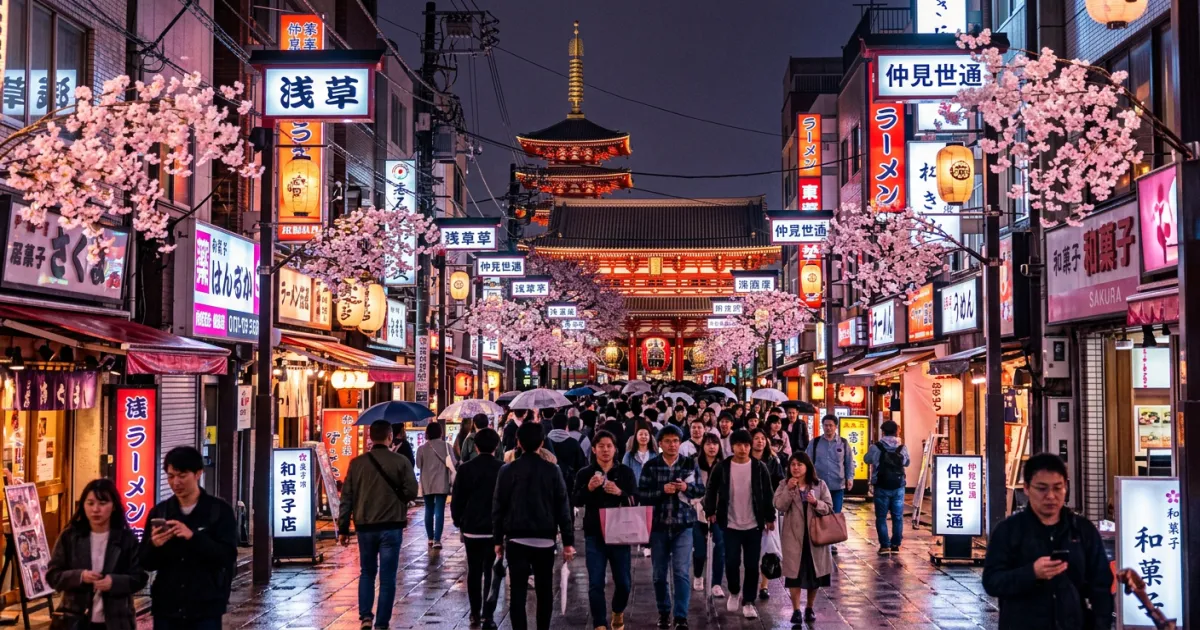
Tokyo is a city of extremes and contrasts. Ancient temples sit between neon-lit skyscrapers. Quiet neighborhood shrines are a block from the world’s busiest pedestrian crossing. Michelin-starred meals exist alongside $5 ramen that is just as memorable. With 14 million people and a transit system that runs with Swiss precision, Tokyo can seem overwhelming, but it is remarkably easy to navigate once you understand its neighborhood structure. This guide covers everything you need to plan your trip. For a broader approach, see our step-by-step trip planning guide.
Key Planning Facts
- Location: Eastern coast of Honshu, Japan’s main island
- Currency: Japanese Yen (JPY). Approximately 150 JPY per 1 USD
- Language: Japanese (English signage in transit; limited English in smaller shops and restaurants)
- Visa for U.S. citizens: Not required for stays up to 90 days for tourism. Valid passport required
- Best months to visit: March to May (cherry blossoms) and October to November (fall foliage)
- Average daily budget: $80 to $250 per person depending on travel style
- Time zone: Japan Standard Time (JST, UTC+9, no daylight saving)
- Airports: Narita International (NRT, 60 to 90 minutes from city center) and Haneda International (HND, 30 to 45 minutes, closer and more convenient)
- Transit tip: Get a Suica or PASMO IC card at the airport. It works on all trains, subways, buses, and many vending machines and convenience stores
Best Time to Visit Tokyo
Cherry Blossom Season (Late March to Mid-April)
The most magical time to visit. Sakura (cherry blossoms) bloom across Tokyo’s parks and temple grounds, transforming the city into shades of pink and white. Ueno Park, Shinjuku Gyoen, and the Meguro River are the best viewing spots. Peak bloom lasts about 1 to 2 weeks (typically late March to early April). This is also the most crowded and expensive period. Book hotels and flights 3 to 4 months ahead.
Fall (October to November)
Comfortable temperatures (15 to 22 degrees Celsius, or 59 to 72 degrees Fahrenheit), clear skies, and fall foliage from late November through early December. Fewer international tourists than cherry blossom season. The gardens of Rikugien and Meiji Jingu Gaien are spectacular in autumn color.
Summer (June to August)
Hot and humid (30 to 35 degrees Celsius). June is the rainy season (tsuyu). July and August bring summer festivals, fireworks, and vibrant energy. Indoor attractions (museums, department stores, arcades) are air-conditioned. Beer gardens open on rooftops across the city.
Winter (December to February)
Cool and dry (2 to 10 degrees Celsius). The city is decorated with winter illuminations from November through February. New Year (Oshogatsu) is the most important holiday in Japan; some businesses close December 31 to January 3, but temples are busy with traditional celebrations. Clear winter days offer the best views of Mount Fuji from Tokyo.
How Long to Spend in Tokyo
4 to 5 days is ideal for a first visit, covering the major neighborhoods, key attractions, a day trip, and enough time to get lost in the food scene. 3 days is possible if you are efficient, but you will feel rushed. A week lets you explore deeper, add multiple day trips (Hakone, Kamakura, Nikko, or a Mount Fuji excursion), and experience the city at a more relaxed pace.
Budget and Costs
Tokyo offers exceptional value for a major world capital, particularly for food. You can eat world-class meals for surprisingly little.
Daily Budget Ranges
- Budget: $65 to $100 per person per day. Hostels or capsule hotels (JPY 3,000 to 6,000 per night), convenience store meals, subway, free temples and shrines
- Mid-range: $130 to $230 per person per day. Business hotels or mid-range hotels (JPY 10,000 to 20,000 per night), restaurant meals, transit pass, paid attractions
- Luxury: $350 and up per person per day. Luxury hotels (JPY 30,000 and up per night), omakase sushi, private tours, premium experiences
Key Costs
- Suica/PASMO IC card: Rechargeable transit card. Works on all trains, subways, buses, and many shops. Load money at any station. Typical daily transit spending: JPY 800 to 1,500 ($5 to $10)
- Metro day pass: JPY 800 to 1,000 ($5 to $7). Worth it if you make 4+ rides in a day
- Airport to city: Narita Express (N’EX) to Tokyo Station: JPY 3,250 ($22, 60 minutes). Haneda to city center by monorail or Keikyu Line: JPY 300 to 500 ($2 to $3.50)
- Meals: Convenience store (konbini) meal: JPY 500 to 800 ($3 to $5). Ramen: JPY 900 to 1,300 ($6 to $9). Sushi (conveyor belt): JPY 1,000 to 2,000 ($7 to $13). Izakaya dinner: JPY 2,500 to 4,000 ($17 to $27). High-end omakase sushi: JPY 15,000 to 40,000 ($100 to $270)
- Attractions: TeamLab exhibits: JPY 3,800 ($25). Senso-ji Temple: free. Meiji Shrine: free. Tokyo Skytree observation: JPY 2,100 to 3,100 ($14 to $21). Most temples and shrines are free
Use our free travel budget template to plan your Tokyo expenses.
Getting There and Getting Around
Flying In
Haneda Airport (HND) is closer to central Tokyo (30 to 45 minutes) and is the preferred airport if available. Narita Airport (NRT) is farther (60 to 90 minutes) but handles more international flights. Both airports connect to the city by train. Direct flights from many U.S. cities (Los Angeles, San Francisco, New York, Chicago, Dallas, Seattle, Honolulu).
Tokyo’s Train System
Tokyo’s rail network is the most efficient urban transit system in the world. JR (Japan Railways), Tokyo Metro, and Toei Subway lines crisscross the city. Trains run from about 5 AM to midnight. The system is clean, punctual (delays of more than a minute make the news), and well-signed in English. Get a Suica or PASMO card at the airport for seamless travel across all lines.
Walking
Tokyo’s neighborhoods are compact and walkable. Once you arrive at a station, most attractions are within a 10 to 15 minute walk. Walking between stations in the same area is often faster than transferring lines.
JR Pass
The Japan Rail Pass is only worth it if you are traveling beyond Tokyo (to Kyoto, Osaka, Hiroshima, etc.). A 7-day pass costs about JPY 50,000 ($330). For Tokyo-only trips, individual tickets or a Suica card are more economical.
Tokyo’s Neighborhoods
Shinjuku
The busiest station in the world (3.5 million people pass through daily). Department stores, electronics, the Tokyo Metropolitan Government Building (free observation deck), Kabukicho entertainment district, and Golden Gai (a cluster of 200+ tiny bars). Shinjuku Gyoen garden is one of the best cherry blossom spots.
Shibuya
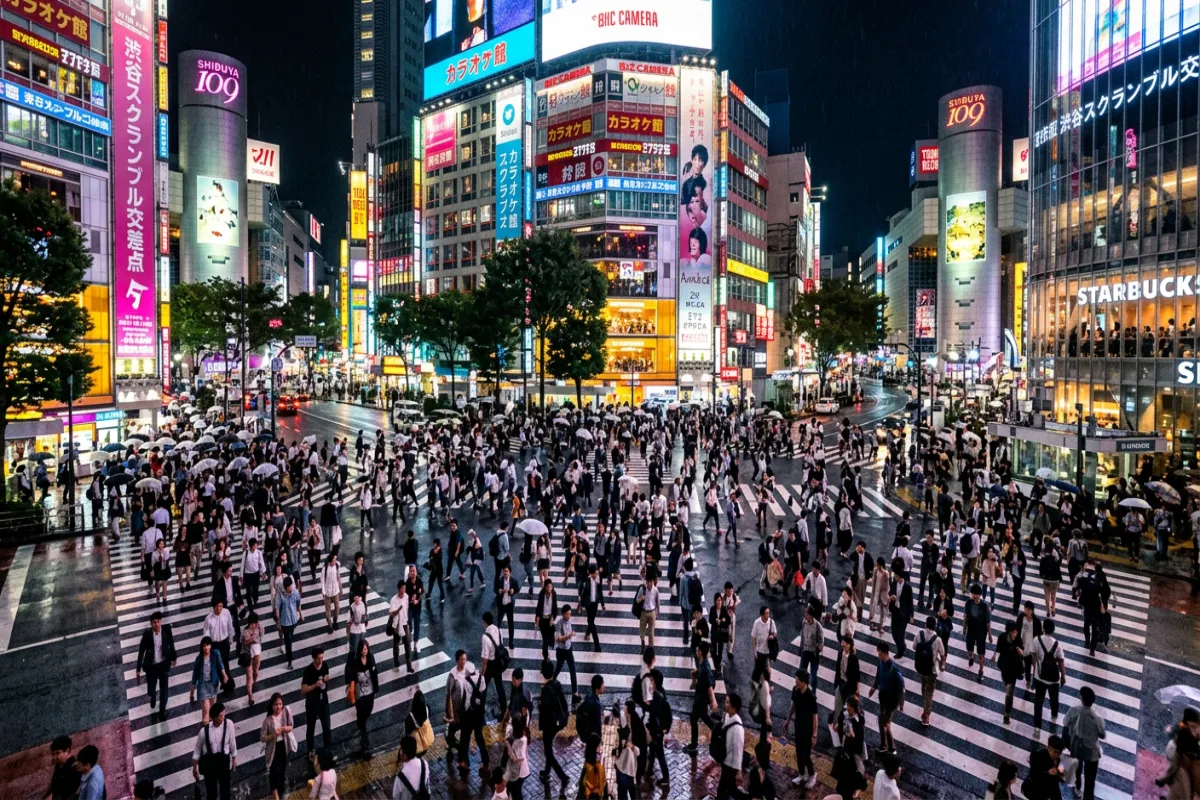
Home to the famous Shibuya Crossing (the busiest pedestrian intersection in the world). Youth culture, fashion, and the Hachiko statue. The Shibuya Sky observation deck offers 360-degree views. Shibuya has been undergoing major redevelopment with new mixed-use complexes.
Asakusa
Tokyo’s traditional heart. Senso-ji Temple (oldest temple in Tokyo, founded 628 AD), Nakamise shopping street, and views of the Tokyo Skytree. The Sumida River waterfront area has been revitalized with new restaurants and parks.
Akihabara
Electric Town. Electronics, anime, manga, video game arcades, maid cafes, and otaku (fan) culture. Even if anime is not your thing, the sensory overload of Akihabara is a quintessentially Tokyo experience.
Harajuku and Omotesando
Harajuku: Takeshita Street (youth fashion, crepes, colorful shops), Meiji Shrine (a serene forest in the middle of the city), and street style culture. Omotesando: Tokyo’s answer to the Champs-Elysees, with designer boutiques and architectural landmarks.
Ginza
Tokyo’s upscale shopping district. Department stores (Mitsukoshi, since 1673), galleries, high-end restaurants, and Kabuki-za Theatre (traditional Japanese theater).
Roppongi
Nightlife and art. Roppongi Hills and Tokyo Midtown complexes house museums (Mori Art Museum), observation decks, restaurants, and shops. The nightlife scene is international and can run until morning.
Must-See Attractions and Experiences
Senso-ji Temple (Asakusa)
Tokyo’s oldest and most visited temple. Walk through the iconic Kaminarimon (Thunder Gate), browse Nakamise shopping street for traditional snacks and souvenirs, and explore the temple grounds. Free. Visit early morning (before 8 AM) to avoid crowds.
Meiji Shrine (Harajuku)
A Shinto shrine surrounded by 170 acres of forest in the heart of Tokyo. The approach through a towering torii gate and tree-lined path is peaceful and beautiful. Free. If you visit on a weekend, you may see a traditional Japanese wedding procession.
Shibuya Crossing
The world’s busiest pedestrian intersection. Up to 3,000 people cross at each light change. Best viewed from the Starbucks on the second floor of the Tsutaya building at the intersection, or from the Shibuya Sky observation deck (300 meters above).
Tsukiji Outer Market
The inner wholesale fish market moved to Toyosu, but the outer market at Tsukiji remains a food paradise. Fresh sushi, tamagoyaki (egg omelets), grilled seafood, and Japanese kitchen goods. Best in the morning.
TeamLab Exhibits
Immersive digital art installations. TeamLab Borderless (relocated to Azabudai Hills) and TeamLab Planets (Toyosu) offer rooms of light, water, and interactive art. Book tickets in advance as they sell out.
Day Trips from Tokyo
- Hakone: Hot springs, Mount Fuji views, Lake Ashi boat cruises, the Open Air Museum. About 90 minutes from Shinjuku by Romancecar train
- Kamakura: The Great Buddha (Daibutsu), coastal temples, and excellent hiking trails. About 1 hour from Tokyo Station by JR
- Nikko: UNESCO World Heritage shrines and temples in a mountain forest setting. Toshogu Shrine is the most ornate in Japan. About 2 hours from Asakusa by Tobu Railway
- Mount Fuji: Visible from Tokyo on clear days. Climbing season is July to early September. Fifth Station is accessible by bus year-round for views without the full climb. Lake Kawaguchiko at the base offers iconic Fuji reflections
Food and Dining
Tokyo has more Michelin stars than any city in the world, but some of the best meals cost less than $10.
- Ramen: Rich broth, handmade noodles, and toppings. Every neighborhood has its own style. Expect to pay JPY 900 to 1,300 ($6 to $9). Many shops use vending machine ticket systems for ordering
- Sushi: From conveyor belt (kaiten-zushi, JPY 100 to 300 per plate) to high-end omakase (JPY 15,000 to 40,000). Tsukiji Outer Market has excellent sushi for breakfast
- Izakaya: Japanese pubs serving small plates and drinks. Order multiple dishes to share. JPY 2,500 to 4,000 for a filling dinner with drinks. The best way to experience casual Tokyo dining
- Convenience stores (konbini): 7-Eleven, Lawson, and FamilyMart sell surprisingly good meals: onigiri (rice balls, JPY 120 to 180), bento boxes, sandwiches, fresh pastries. Open 24 hours. A legitimate meal option, not a compromise
- Tempura: Lightly battered, deep-fried seafood and vegetables. Tempura sets at casual restaurants cost JPY 1,000 to 2,000
- Tonkatsu: Deep-fried pork cutlet with shredded cabbage and tonkatsu sauce. A comfort food classic. JPY 1,200 to 2,000
- Depachika: Department store basement food halls. Immaculate displays of sushi, bento, wagashi (Japanese sweets), pastries, and prepared foods. Free samples are common. A Tokyo institution
Tipping: Do not tip in Japan. It is not customary and can be considered rude. Service is already included and is consistently excellent.
Safety and Practical Tips
- Safety: Tokyo is one of the safest major cities in the world. Violent crime against tourists is virtually nonexistent. Lost wallets are routinely returned with cash intact. You can walk anywhere at any time of night
- Cash: Japan is still heavily cash-based despite modernization. Many smaller restaurants, temples, and shops do not accept credit cards. Carry JPY 10,000 to 20,000 ($65 to $130) in cash. ATMs at 7-Eleven stores and post offices accept international cards
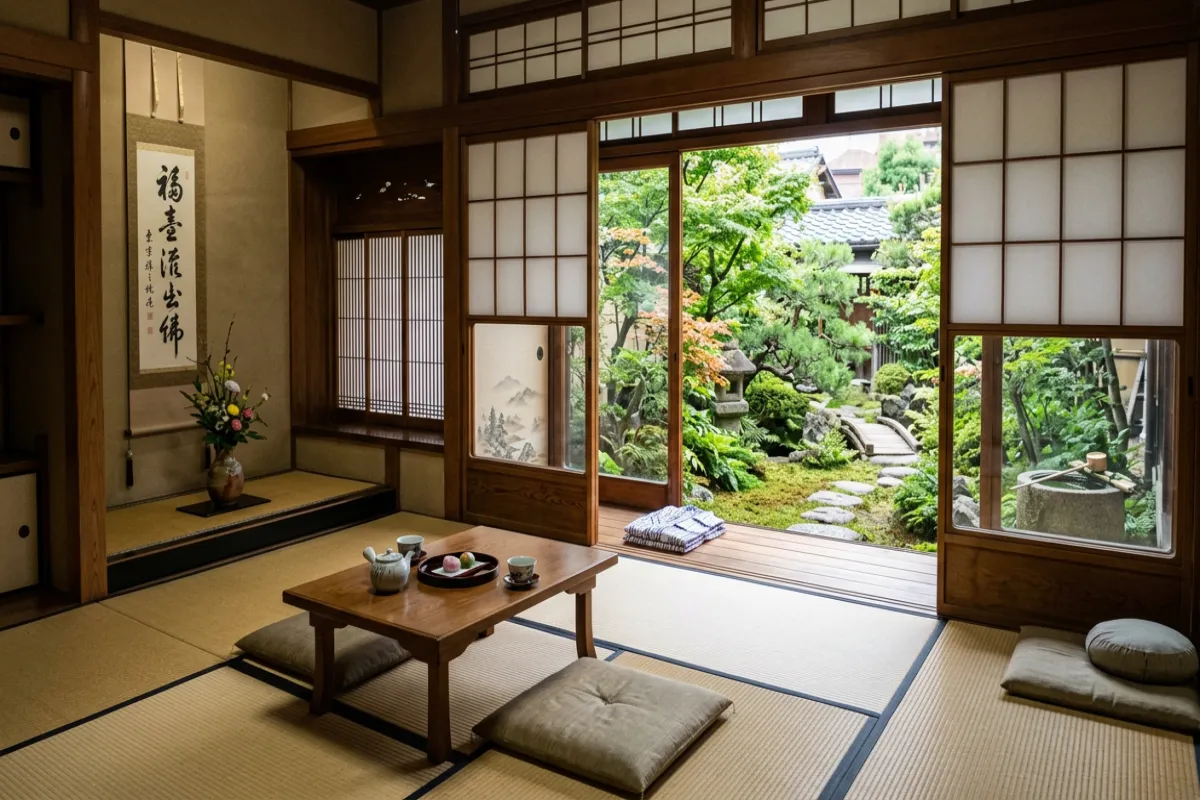
- Shoes off: Remove shoes when entering temples, traditional restaurants (tatami rooms), ryokan, and some shops. Wear socks without holes
- Quiet on trains: Talking loudly, phone calls, and eating on local trains are considered impolite. Commuter trains in rush hour are extremely crowded; avoid the 7:30 to 9 AM window if possible
- Trash: Public trash cans are rare. Carry a small bag for your waste. Convenience stores and train stations have bins
- Toilets: Japanese toilets are famously high-tech with heated seats, bidets, and sound machines. Public restrooms are clean and free, including at train stations
- Wi-Fi and connectivity: Free Wi-Fi is available at stations and convenience stores. Renting a pocket Wi-Fi device at the airport is the most reliable option for constant connectivity
- Electrical outlets: Type A plugs (two flat prongs, same as U.S.). Voltage is 100V (most U.S. devices work fine)
- Emergency number: 110 (police), 119 (fire/ambulance)
Sample 5-Day Tokyo Itinerary
Day 1: Asakusa and East Tokyo
Morning: Senso-ji Temple (arrive before 8 AM for photos without crowds). Browse Nakamise Street. Walk along the Sumida River to Tokyo Skytree (observation deck optional). Afternoon: Akihabara for electronics, arcades, and otaku culture. Evening: dinner at an izakaya near Ueno or Asakusa.
Day 2: Harajuku, Shibuya, and Shinjuku
Morning: Meiji Shrine (peaceful morning walk through the forest). Takeshita Street in Harajuku (youth fashion, crepes). Walk Omotesando for architecture. Afternoon: Shibuya Crossing experience, Shibuya Sky observation deck. Evening: dinner in Shinjuku, then explore Golden Gai (tiny bar alley) or Kabukicho.
Day 3: Tsukiji, Ginza, and Roppongi
Morning: Tsukiji Outer Market (sushi breakfast, tamagoyaki, street food). Walk to Ginza for upscale shopping and the Kabuki-za Theatre exterior. Afternoon: TeamLab Borderless or a museum. Evening: Roppongi Hills (Mori Art Museum and observation deck) and dinner.
Day 4: Day Trip
Full day in Hakone (hot springs, Lake Ashi cruise, Mount Fuji views, Open Air Museum) or Kamakura (Great Buddha, temples, coastal hiking). Return to Tokyo for evening.
Day 5: Your Choice and Departure
Morning: revisit a favorite neighborhood, visit Toyosu Fish Market (tuna auction viewing, if available), or explore a neighborhood you missed (Shimokitazawa for vintage shops, Yanaka for old-town Tokyo). Afternoon: last-minute shopping in Shinjuku or Ginza depachika. Head to airport.
Ready-Made Tokyo Itineraries
We have built day-by-day itineraries with activities, travel times, budgets, and local tips:
Or build a custom itinerary with our free AI trip planner.
More Planning Resources
Frequently Asked Questions
What is the best time to visit Tokyo?
Late March to mid-April for cherry blossoms (most magical, but busiest and most expensive). October to November for comfortable weather and fall foliage. Book cherry blossom season 3 to 4 months ahead.
How many days do I need in Tokyo?
4 to 5 days for a first visit covering major neighborhoods and a day trip. 3 days is possible but rushed. A week allows deeper exploration and multiple day trips.
How expensive is Tokyo?
More affordable than most people expect. Budget travelers can manage on $65 to $100 per day. Mid-range: $130 to $230. Food is the best value: incredible meals from $6 to $15. Convenience store meals are a legitimate and good option at $3 to $5.
Do I need cash in Tokyo?
Yes. Japan is still heavily cash-based. Many restaurants, temples, and small shops do not accept cards. Carry JPY 10,000 to 20,000. Use 7-Eleven ATMs for international card withdrawals.
Do I need a JR Pass?
Not for a Tokyo-only trip. The JR Pass is only valuable if traveling to other cities (Kyoto, Osaka, Hiroshima). For Tokyo, a Suica or PASMO IC card is all you need.
Is Tokyo safe?
Extremely safe. One of the safest major cities in the world. Lost items are routinely returned. You can walk anywhere at any time. The only real concern is crowded trains during rush hour.
Should I tip in Tokyo?
No. Tipping is not customary in Japan and can be considered rude. Service is included and consistently excellent everywhere.
When do cherry blossoms bloom?
Typically late March to mid-April in Tokyo. Peak bloom lasts about 1 to 2 weeks. The exact dates vary each year. Check the Japan Meteorological Agency forecast closer to your trip. Ueno Park, Shinjuku Gyoen, and Meguro River are the best viewing spots.
How do I get from the airport to the city?
Haneda (HND): monorail or Keikyu Line to central Tokyo in 30 to 45 minutes (JPY 300 to 500). Narita (NRT): Narita Express (N’EX) to Tokyo Station in 60 minutes (JPY 3,250) or Skyliner to Ueno in 41 minutes (JPY 2,520). Buy a Suica card at the airport.
What should I pack?
Comfortable walking shoes (you will walk 10+ miles per day). Layers for spring and fall. Light, breathable clothing for summer. A compact umbrella (rain is common). Socks without holes (you remove shoes frequently). A small day bag. Leave room in your luggage for shopping.