| Texas Quick Facts | |
|---|---|
| State | Texas, USA |
| Currency | US Dollar (USD) |
| Language | English, Spanish widely spoken |
| Time Zone | Central Time (CT, most of state) / Mountain Time (far west) |
| Daily Budget | $80 to $350+ per person |
| Best Time | March to May, September to November |
| Getting There | DFW, IAH, AUS, SAT, HOU (major airports statewide) |
Texas is the second-largest state in the US (after Alaska) and could easily be its own country. The distances are vast: it takes 12 hours to drive from El Paso to Houston. But that size means extraordinary variety. Austin has live music and tech culture. San Antonio has the River Walk and the Alamo. The Hill Country has wineries and wildflowers. Big Bend National Park has remote desert wilderness. And the BBQ, Tex-Mex, and breakfast tacos are reason enough to visit.
For a broader framework for organizing any trip, our how to plan a trip guide covers the fundamentals.
Best Time to Visit Texas
March through May brings wildflower season (bluebonnets peak in April), comfortable weather (70s to 80s F), and festivals like SXSW (Austin, March). September through November has warm but not oppressive weather and fall festivals. Summer (June through August) is brutally hot statewide (95 to 105 F). Winter is mild in the south (50s to 60s F) and variable in the north.
Getting to Texas
Texas has multiple major airports: Dallas-Fort Worth (DFW), Houston George Bush (IAH) and Hobby (HOU), Austin-Bergstrom (AUS), and San Antonio (SAT). DFW and IAH are major hubs with global connectivity. A rental car is essential for exploring between cities and into the Hill Country or Big Bend.
Top Things to Do in Texas
- Austin Live Music: The Live Music Capital of the World. Sixth Street and Rainey Street have dozens of venues with free live music nightly. The Continental Club and Antone’s are legendary. South Congress (SoCo) has boutiques, food trucks, and the ‘I Love You So Much’ mural.
- Texas BBQ: Central Texas BBQ is a religion. Franklin Barbecue (Austin), Snow’s BBQ (Lexington), and Kreuz Market (Lockhart) are pilgrimage sites. Brisket is king. Expect to wait in line; it is part of the experience.
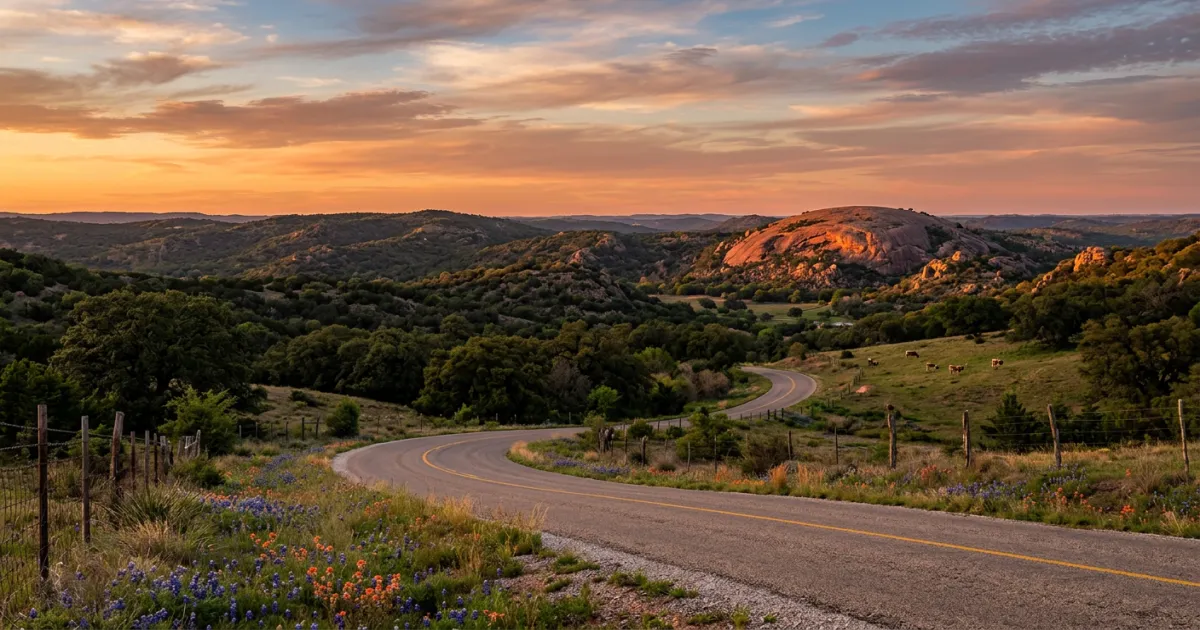
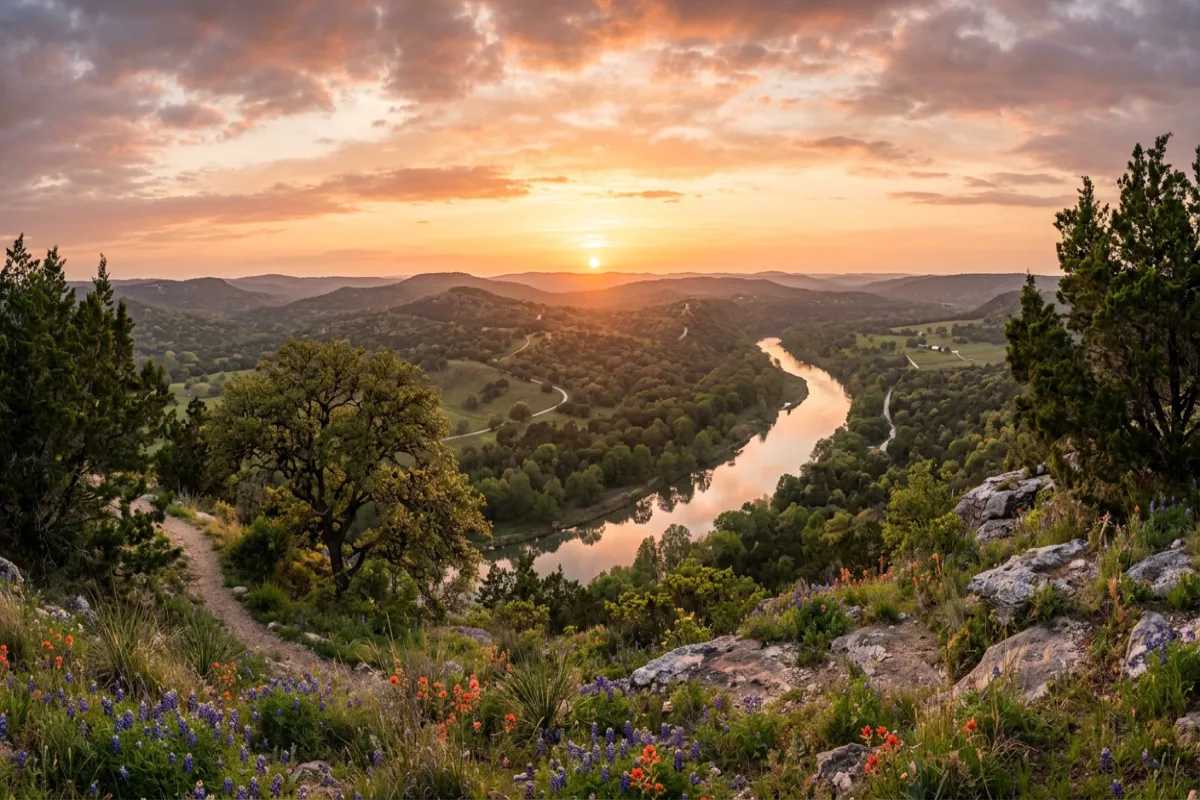
- Hill Country: The rolling hills west of Austin and San Antonio with wineries (over 50 along US-290), swimming holes (Hamilton Pool, Jacob’s Well), and charming German-heritage towns (Fredericksburg, New Braunfels).
- Big Bend National Park: Remote desert park in far west Texas on the Rio Grande. The Chisos Mountains, Santa Elena Canyon, and hot springs are highlights. Allow 2 to 3 days and bring supplies; the nearest town is hours away.
- San Antonio River Walk and Alamo: See our dedicated San Antonio guide. The River Walk, the Alamo, and the missions are the top attractions in the state’s second-largest city.
- Space Center Houston: The official visitor center of NASA’s Johnson Space Center. See real spacecraft, mission control, and astronaut training facilities. About $30 per adult. 30 minutes south of downtown Houston.
Where to Stay
Austin has hotels from $100 to $350 in the downtown/SoCo area. San Antonio is more affordable ($80 to $250 on the River Walk). Fredericksburg (Hill Country) has B&Bs and guesthouses ($100 to $300). Big Bend has the Chisos Mountains Lodge inside the park ($120 to $200, book months ahead) and camping ($14). Houston and Dallas have the widest hotel range ($80 to $400).
Sample 4-Day Texas Itinerary
- Day 1-2: Austin: Live music on Sixth Street or Rainey Street. BBQ pilgrimage (Franklin or La Barbecue). South Congress for shopping and food trucks. Barton Springs Pool for a swim. Day 2: brewery tour or day trip to a Hill Country winery.
- Day 3: Hill Country: Drive from Austin through the Hill Country. Wine tasting along US-290. Swim at Hamilton Pool (reservation required) or Garner State Park. Overnight in Fredericksburg.
- Day 4: San Antonio: Drive to San Antonio (1.5 hours). River Walk, the Alamo, and the missions. Tex-Mex dinner. See our San Antonio guide for the full breakdown.
Budget Estimate
Texas is affordable by US standards, especially outside of Austin. Budget travelers can manage on $80 to $130 per day with budget hotels, BBQ and taco meals ($8 to $18), and free live music. Mid-range travelers should plan for $150 to $280 covering comfortable hotels, restaurant meals, wine tastings ($10 to $15 per winery), and car rental. Breakfast tacos ($2 to $4 each) should be a daily ritual. BBQ plates run $15 to $25 per person.
Planning Tools
Ready to start building your Texas trip? Our free AI trip planner can generate a custom itinerary based on your dates, budget, and interests.
Frequently Asked Questions
How big is Texas really?
Very. El Paso to Houston is 746 miles (12 hours driving). Dallas to Big Bend is 450 miles (6.5 hours). Plan your route carefully and don’t underestimate driving distances. Domestic flights between Texas cities are often quicker and sometimes cheaper than driving.
What is the best Texas BBQ?
Central Texas brisket is the gold standard. Franklin Barbecue in Austin is the most famous (expect a 2 to 4 hour wait). Snow’s BBQ in Lexington is often called the best in Texas (Saturday mornings only). Lockhart (45 minutes south of Austin) is considered the BBQ capital with Kreuz Market, Black’s, and Smitty’s all on one stretch.
Austin or San Antonio?
Different vibes. Austin is younger, tech-forward, with a live music and food truck culture. San Antonio is more historic, more affordable, and more family-oriented with the River Walk and missions. They are 1.5 hours apart and easily combined.