| St. Louis Quick Facts | |
|---|---|
| State | Missouri, USA |
| Currency | US Dollar (USD) |
| Language | English |
| Time Zone | Central Time (CT) |
| Daily Budget | $70 to $250+ per person |
| Best Time | April to June, September to October |
| Getting There | St. Louis Lambert International Airport (STL) |
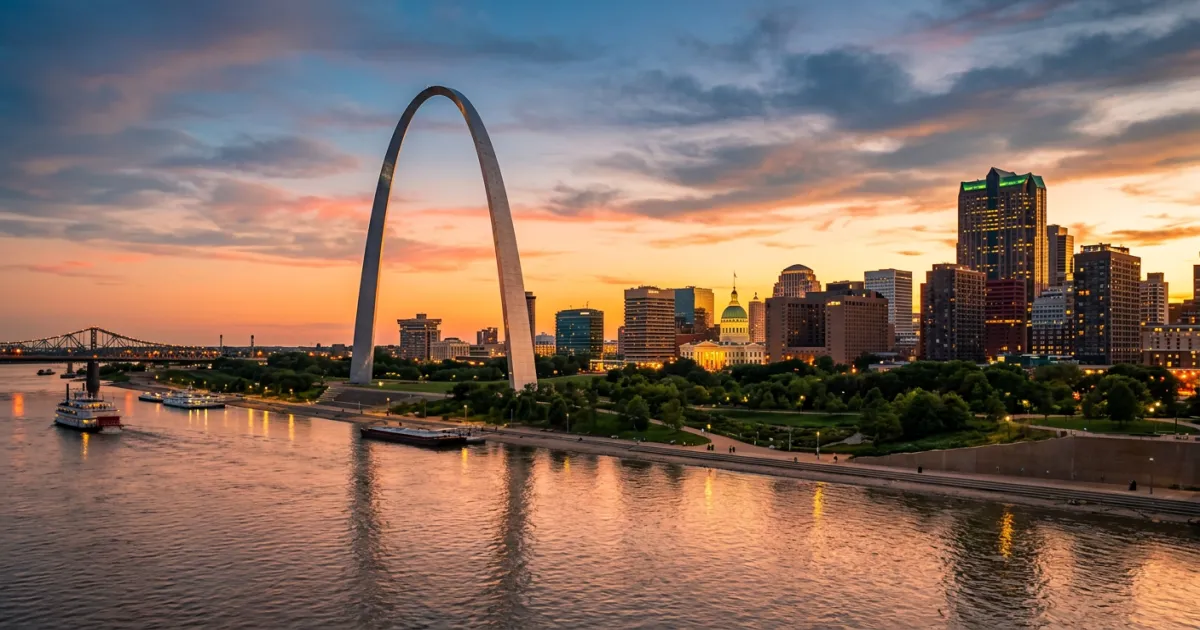
St. Louis sits where the Missouri and Mississippi Rivers meet, and the Gateway Arch on the waterfront symbolizes its historical role as the gateway to the American West. The city punches well above its weight in free attractions: the St. Louis Zoo, Art Museum, Science Center, and History Museum are all free. Forest Park, which hosted the 1904 World’s Fair, is one of the best urban parks in the country. The food scene features St. Louis-style BBQ, toasted ravioli (a local invention), and a growing craft beer culture anchored by the historic Anheuser-Busch brewery.
For a broader framework for organizing any trip, our how to plan a trip guide covers the fundamentals.
Best Time to Visit St. Louis
April through June and September through October are ideal with comfortable temperatures (60s to 80s F). Spring brings blooming gardens in Forest Park. Fall has pleasant weather and Cardinals baseball through October. Summer (July to August) is hot and humid (90s F). Winter is cold (30s F) but the indoor attractions stay open.
Getting to St. Louis
St. Louis Lambert International Airport (STL) has direct flights from many US cities. The MetroLink light rail connects the airport to downtown in about 25 minutes ($2.50). St. Louis is centrally located by car: 4.5 hours from Chicago, 4 hours from Nashville, and 3.5 hours from Kansas City. A car is helpful but not essential if you stay downtown near the MetroLink.
Top Things to Do in St. Louis
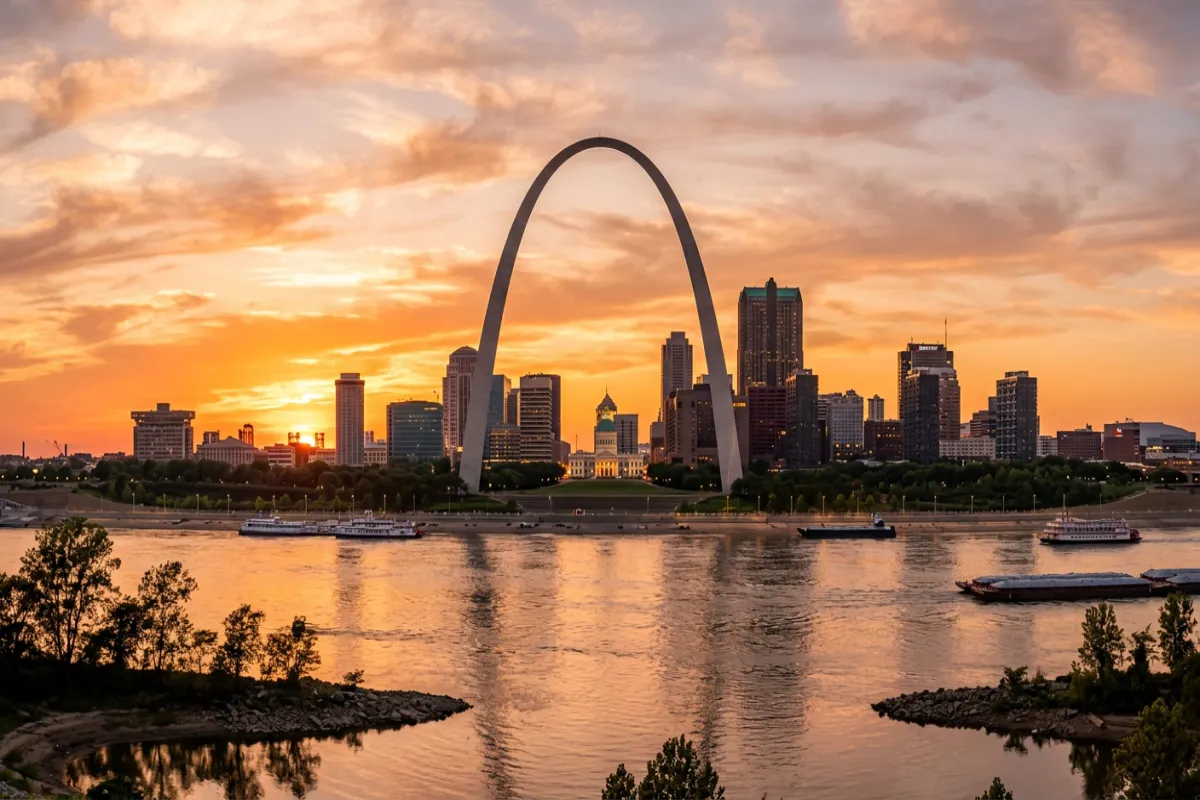
- Gateway Arch and Museum: The 630-foot stainless steel arch is the tallest monument in the US. Take the tram to the top for views in both directions ($16 per adult). The museum at the base covers westward expansion. The grounds are free.
- Forest Park: A 1,300-acre park that is larger than Central Park. Home to the free Zoo, Art Museum, Science Center, and History Museum. Paddle boating, walking trails, and the Jewel Box greenhouse.
- St. Louis Zoo: One of the best zoos in the country and completely free. Highlights include the River’s Edge, Penguin and Puffin Coast, and the Sea Lion Show.
- Anheuser-Busch Brewery Tour: Free tours of the historic Budweiser brewery, including the famous Clydesdale stables. Complimentary beer samples at the end. The Biergarten is a pleasant spot for lunch.
- The Hill (Italian Neighborhood): St. Louis’s Italian-American neighborhood known for toasted ravioli, pasta, and Italian delis. Charlie Gitto’s and Mama’s on the Hill are local institutions.
- City Museum: A massive, wildly creative playground built from reclaimed industrial materials. Not just for kids: adults love the 10-story slide, rooftop Ferris wheel, and cave system. $18 per adult.
Where to Stay
Downtown near the Arch has the most hotels ($100 to $250 per night) and is walkable to the Arch and Old Courthouse. Central West End is an upscale neighborhood near Forest Park with boutique hotels and restaurants ($100 to $200). The Loop (Delmar) is a funky strip with live music venues and restaurants. Budget chain hotels are available in surrounding suburbs ($60 to $100).
Sample 2-Day St. Louis Itinerary
- Day 1 – Arch and Downtown: Morning at the Gateway Arch: museum and tram ride to the top. Walk the riverfront. Afternoon at City Museum. Evening in The Hill neighborhood for toasted ravioli and Italian food.
- Day 2 – Forest Park: Morning at the St. Louis Zoo (free). Afternoon at the Art Museum or Science Center (both free). Late afternoon Anheuser-Busch brewery tour (free). Evening in the Central West End for dinner.
Budget Estimate
St. Louis is one of the most affordable major US cities for visitors, largely because so many top attractions are free. Budget travelers can manage on $70 to $110 per day with a budget hotel, free attractions, and casual dining ($8 to $15). Mid-range travelers should plan for $130 to $200 covering a comfortable hotel, the Arch tram ($16), restaurant meals, and a brewery tour (free). The number of free world-class attractions makes St. Louis exceptional value.
Planning Tools
Ready to start building your St. Louis trip? Our free AI trip planner can generate a custom itinerary based on your dates, budget, and interests.
Frequently Asked Questions
Is St. Louis safe for tourists?
Downtown, Forest Park, The Hill, the Central West End, and other tourist areas are generally safe during the day. Some neighborhoods have high crime rates, but these are not areas tourists typically visit. Use rideshare at night, stay aware of your surroundings, and stick to well-traveled areas.
How many days do you need?
Two days covers the major attractions (Arch, Forest Park, a neighborhood or two). Three days lets you add the City Museum, a Cardinals game, and deeper food exploration. St. Louis is also a good overnight stop on a cross-country road trip.
Why are so many attractions free?
Most of St. Louis’s major cultural institutions are supported by a dedicated tax district (the Metropolitan Zoological Park and Museum District) approved by voters. This funds the Zoo, Art Museum, Science Center, History Museum, and Botanical Garden, keeping them free for everyone.