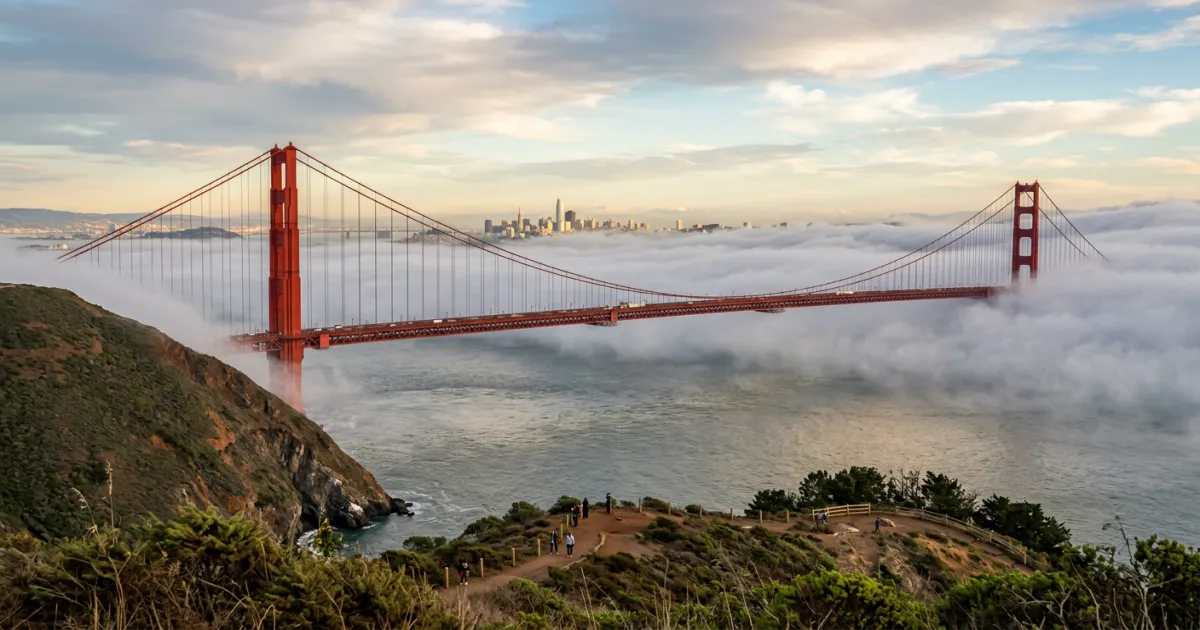
San Francisco packs extraordinary diversity into just 47 square miles. The Golden Gate Bridge, cable cars, Alcatraz, and fog-draped hills are the postcard images, but the real magic is in the neighborhoods: dim sum in Chinatown, burritos in the Mission, Italian cafes in North Beach, and Victorian houses painted in every color. The weather is famously unpredictable (bring layers, always), but the city rewards those who explore. This guide covers everything you need to plan your trip. For a broader approach, see our step-by-step trip planning guide.
Key Planning Facts
- Location: Northern California, on a peninsula between the Pacific Ocean and San Francisco Bay
- Currency: US Dollar (USD)
- Language: English (many other languages spoken across the city’s diverse neighborhoods)
- Best months to visit: September to November (warmest, clearest skies, least fog)
- Average daily budget: $130 to $300 per person depending on travel style
- Time zone: Pacific Time (PT)
- Airport: San Francisco International (SFO). Also Oakland (OAK, often cheaper fares)
- City size: 47 square miles (compact and walkable by neighborhood, but hilly)
- Weather warning: Temperatures can differ 15 to 20 degrees Fahrenheit between neighborhoods at the same time. Always carry layers
Best Time to Visit San Francisco
Fall (September to November)
The best time to visit. September and October are the warmest months in San Francisco (65 to 75 degrees Fahrenheit), with the clearest skies and least fog. The Golden Gate Bridge is most photogenic when the fog clears. Moderate crowds and reasonable hotel prices outside of convention weeks.
Spring (April to May)
Pleasant temperatures (55 to 65 degrees Fahrenheit) with occasional rain. Fewer tourists than summer. Cherry blossoms in Golden Gate Park in March and April. Fog is less common in spring than summer.
Summer (June to August)
Contrary to expectations, summer is not the warmest season. San Francisco’s famous fog (nicknamed “Karl”) rolls in from the Pacific, keeping coastal neighborhoods cool (55 to 65 degrees Fahrenheit). Inland areas and the Mission District are warmer. This is peak tourism season with higher prices. As locals say: “The coldest winter I ever spent was a summer in San Francisco.”
Winter (December to February)
Cool (45 to 55 degrees Fahrenheit) with rain. The quietest tourism period and the best hotel deals. Holiday decorations, the Nutcracker ballet, and fewer crowds at major attractions. The city is beautiful in the rain.
How Long to Spend in San Francisco
3 to 4 days covers the major sights: Golden Gate Bridge, Alcatraz, Fisherman’s Wharf, cable car ride, Chinatown, and 2 to 3 neighborhoods. 5 to 7 days lets you explore deeper: day trips to Muir Woods, Napa Valley, or Point Reyes, plus time for the Mission, the Haight, and Golden Gate Park. San Francisco is compact enough that you can see a lot in a short trip.
Budget and Costs
San Francisco is one of the most expensive cities in the U.S. Hotels are the biggest expense. Food ranges from world-class cheap (Mission burritos) to world-class expensive.
Daily Budget Ranges
- Budget: $110 to $170 per person per day. Hostels ($40 to $70 per person per night), Mission burritos and dim sum, Muni transit, free parks and museums
- Mid-range: $240 to $350 per person per day. Hotels ($180 to $300 per night), restaurant meals, cable car rides, Alcatraz tickets
- Luxury: $450 and up per person per day. Boutique or luxury hotels ($350 to $600 per night), fine dining, private tours, wine country excursions
Key Costs
- Alcatraz Island: $48 per adult (day tour). Book at alcatrazcruises.com weeks or months in advance. Tickets sell out, especially in summer. The night tour ($53) is even more atmospheric
- Cable car: $9 per ride. Muni Visitor Passport: $14 (1 day), $28 (3 days), $44 (7 days) for unlimited cable car, bus, and streetcar rides
- Muni bus/streetcar: $3 per ride with Clipper card. All covered by the Visitor Passport
- BART (airport train): SFO to downtown: about $10 (30 minutes)
- Meals: Mission burrito: $12 to $16. Dim sum: $15 to $25 per person. Fisherman’s Wharf clam chowder in a bread bowl: $12 to $18. Fine dining: $80 to $150
- Free attractions: Golden Gate Bridge walk, Golden Gate Park, Cable Car Museum, Fort Point, Crissy Field, street art in the Mission, Lands End trail
Use our free travel budget template to plan your SF expenses.
Getting There and Getting Around
Flying In
SFO is the main airport, connected to downtown by BART (30 minutes, about $10). Oakland Airport (OAK) often has cheaper fares and connects via BART as well. San Jose Airport (SJC) is another option, about 1 hour south.
Getting Around
San Francisco is compact but hilly. The Muni system (buses, streetcars, cable cars) covers the city well. Get a Clipper card for easy payment across Muni, BART, and ferry systems. Cable cars are both transit and a tourist attraction (Powell-Hyde and Powell-Mason lines are the most scenic). Rideshare works well. Walking is the best way to explore individual neighborhoods, but be prepared for steep hills. Renting a car is not recommended for city exploration (parking is expensive and scarce).
Day Trip Transport
Rent a car for Muir Woods, Napa Valley, or Point Reyes. The Golden Gate Ferry to Sausalito is a scenic alternative (30 minutes from the Ferry Building). Ferries also run to Angel Island and Tiburon.
San Francisco’s Neighborhoods
Chinatown
The oldest Chinatown in North America and one of the most densely populated neighborhoods in the U.S. Walk through the Dragon Gate on Grant Avenue. Dim sum restaurants, tea shops, herbal apothecaries, and temple architecture. Best explored on foot in the morning.
North Beach
San Francisco’s Little Italy and the center of the Beat Generation literary movement. Italian cafes, bakeries, City Lights Bookstore (founded by poet Lawrence Ferlinghetti), and Washington Square Park. Climb Coit Tower on Telegraph Hill for panoramic views.
The Mission
The sunniest and warmest neighborhood (micro-climate protects it from fog). World-famous burritos, vibrant street murals (Balmy Alley and Clarion Alley), and a mix of longstanding Latino culture and newer restaurants and bars. This is where locals eat.
Haight-Ashbury
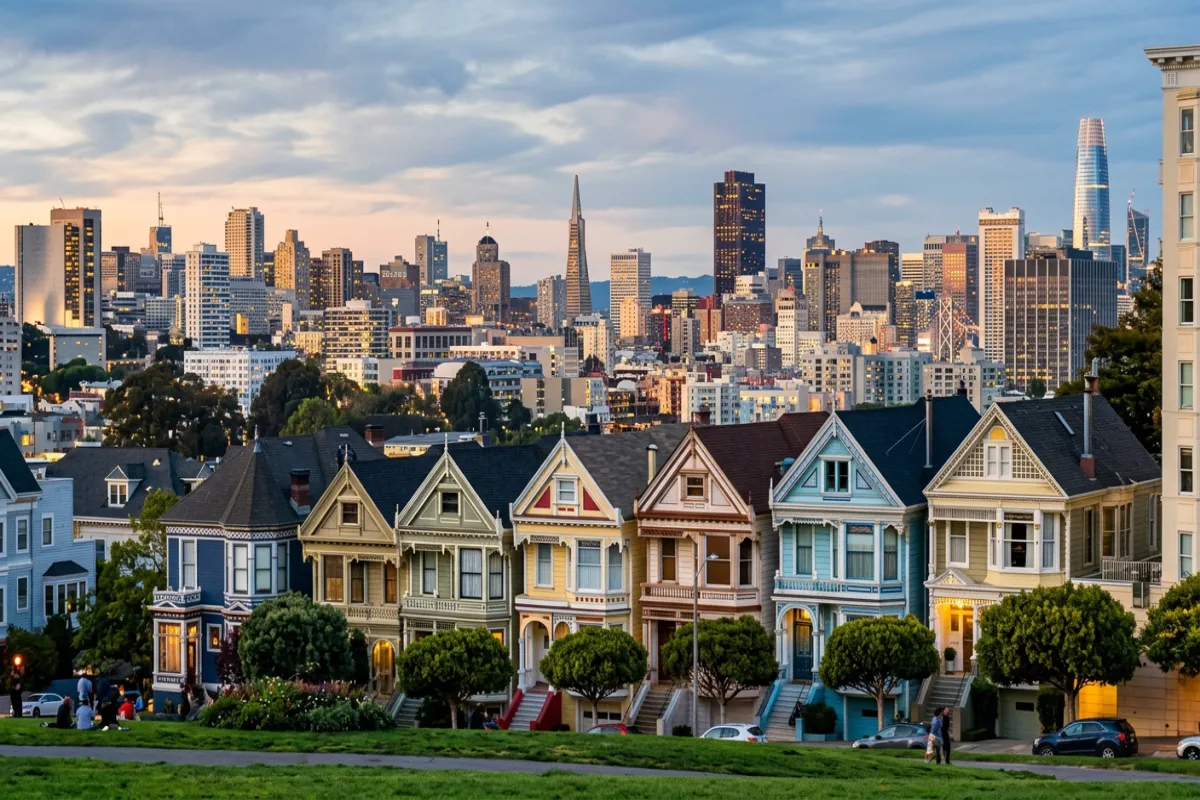
The birthplace of the 1960s counterculture and Summer of Love. Today: vintage clothing stores, record shops, and colorful Victorian homes. Adjacent to the eastern end of Golden Gate Park.
The Castro
One of the first and most prominent LGBTQ+ neighborhoods in the world. The rainbow crosswalks, historic Castro Theatre, and a lively bar and restaurant scene.
SoMa (South of Market)
Museums (SFMOMA, Yerba Buena Center for the Arts), tech company offices, and Oracle Park (home of the San Francisco Giants). The area around the Embarcadero and Ferry Building is excellent for a waterfront walk.
Marina and Presidio
The Marina has trendy restaurants and boutiques along Chestnut Street. The Presidio is a former military base turned national park with trails, a golf course, Lucasfilm headquarters, and Crissy Field (beach with Golden Gate Bridge views).
Must-See Attractions and Experiences
Golden Gate Bridge
Walk or bike across the 1.7-mile span. The pedestrian walkway is open daily. Best views from Battery Spencer (north side), Crissy Field (south side, beach level), and Fort Point (directly underneath). Fog often obscures the bridge in summer mornings; it usually clears by afternoon.
Alcatraz Island
The infamous federal penitentiary in the middle of San Francisco Bay. The audio tour (included with the ferry ticket) is narrated by former guards and inmates and is one of the best museum experiences in the country. Book weeks ahead at alcatrazcruises.com. Ferries depart from Pier 33.
Cable Cars
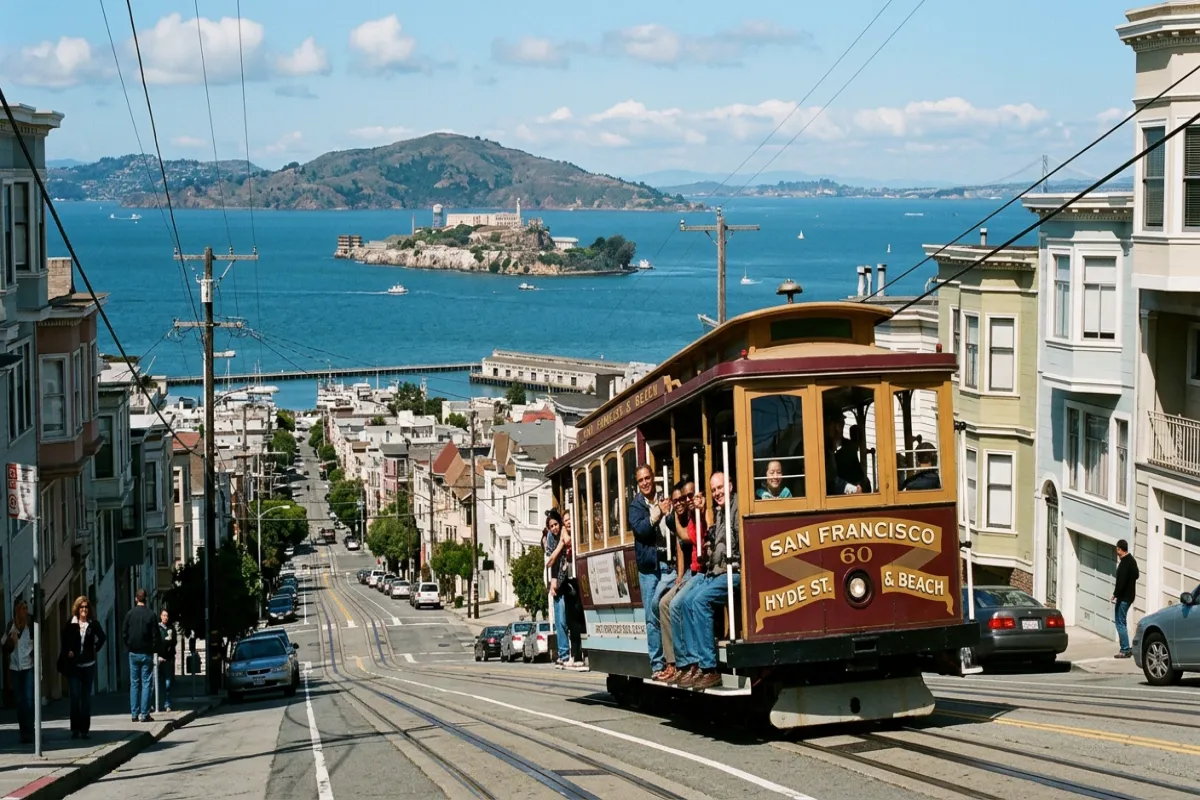
San Francisco’s iconic cable car system has been running since 1873. The Powell-Hyde line ends at Ghirardelli Square with views of Alcatraz and the bay. The Powell-Mason line connects to Fisherman’s Wharf. Lines can be long at the Powell Street turnaround; board at an intermediate stop to skip the wait.
Golden Gate Park
Over 1,000 acres stretching from the Haight to the ocean. Contains the California Academy of Sciences (aquarium, planetarium, rainforest, $40), the de Young Museum (art), the Japanese Tea Garden (the oldest in the U.S.), and the San Francisco Botanical Garden. Rent bikes and ride through the park to Ocean Beach.
Fisherman’s Wharf and Pier 39
Touristy but worth a visit: sea lions at Pier 39, Ghirardelli chocolate, clam chowder in a sourdough bread bowl, and bay views. The Musee Mecanique (antique arcade machines, free entry) is a hidden gem.
Ferry Building Marketplace
A historic ferry terminal converted into a gourmet food market. Local artisan food vendors, a farmers market (Tuesdays, Thursdays, and Saturdays), and waterfront dining. One of the best food destinations in the city.
Lands End Trail
A coastal trail with views of the Golden Gate Bridge, Marin Headlands, and the ruins of Sutro Baths. About 3.4 miles round trip. Free. One of the best short hikes in any U.S. city.
Food and Dining
San Francisco’s food scene is one of the best in the country, blending California farm-to-table cuisine with global influences.
- Mission burritos: A San Francisco invention. Massive, foil-wrapped burritos with rice, beans, meat, salsa, and cheese. $12 to $16 for a burrito that is a full meal
- Dim sum: Chinatown and the Richmond District have excellent dim sum. Cart-service restaurants are the traditional experience. $15 to $25 per person
- Sourdough bread: San Francisco’s sourdough is famous for a reason (the local bacteria create a unique tang). Clam chowder in a sourdough bread bowl at Fisherman’s Wharf is the tourist classic
- Seafood: Dungeness crab (season: November to June), oysters, and cioppino (a tomato-based seafood stew invented in San Francisco)
- Coffee: San Francisco takes coffee seriously. The city has some of the best independent roasters and cafes in the country
- Farm-to-table: The farm-to-table movement has deep roots here. The Ferry Building Marketplace is the epicenter
- Craft beer and cocktails: Anchor Brewing (America’s first craft brewery) is based here. The cocktail scene, especially in the Mission and SoMa, is inventive and excellent
Tipping: 18 to 20 percent at sit-down restaurants. San Francisco restaurants sometimes add a “SF Mandate” surcharge (3 to 5 percent) for employee health care; it is not a tip.
Safety and Practical Tips
- Layers: Always bring a jacket, even in summer. Temperature swings of 15 to 20 degrees between neighborhoods are normal. The Mission can be warm and sunny while the Sunset is cold and foggy at the same time
- Vehicle break-ins: San Francisco has a high rate of car break-ins. Never leave anything visible in your car, even if it looks worthless. Use the trunk before arriving at your destination, not at the parking spot (thieves watch for this). Trailheads and tourist parking lots are hotspots
- Hills: San Francisco is very hilly. Wear comfortable shoes. Cable cars and buses handle the steepest hills if walking is too much
- Homelessness: The Tenderloin and parts of SoMa and the Civic Center have visible homelessness and can feel uncomfortable, particularly after dark. These areas are between Union Square and City Hall. Walk with purpose and awareness
- Fog: “Karl the Fog” is a San Francisco institution. Fog is heaviest in summer, especially in the mornings. It usually burns off by afternoon. Golden Gate Bridge fog photos are iconic
- Book Alcatraz early: Tickets sell out 2 to 4 weeks ahead in summer, sometimes more. Book as soon as you confirm your travel dates
- Parking: Expensive and scarce. Street parking requires careful sign reading. Garage parking runs $30 to $60 per day downtown. Use transit, rideshare, or walking instead
Sample 4-Day San Francisco Itinerary
Day 1: Golden Gate and Waterfront
Morning: walk or bike across the Golden Gate Bridge (start from the south side). Continue to Sausalito for lunch (or take the ferry back). Afternoon: Crissy Field and the Presidio. Walk along the waterfront to Fisherman’s Wharf. Evening: clam chowder at the Wharf, sea lions at Pier 39.
Day 2: Alcatraz and North Beach
Morning: Alcatraz Island (book the earliest ferry). Allow 2.5 to 3 hours on the island. Afternoon: walk from the ferry to North Beach. Explore City Lights Bookstore, get Italian pastries, climb Coit Tower for views. Evening: dinner in North Beach or the Mission.
Day 3: Neighborhoods
Morning: Chinatown (dim sum breakfast, walk through the Dragon Gate). Walk through Union Square to the cable car turnaround. Ride the Powell-Hyde cable car. Afternoon: Haight-Ashbury (vintage shops, Victorian houses), then Golden Gate Park (Japanese Tea Garden, de Young Museum, or California Academy of Sciences). Evening: Mission District for burritos, street art (Balmy Alley), and cocktails.
Day 4: Coastal Hike and Departure
Morning: Lands End Trail (Golden Gate Bridge views, Sutro Baths ruins). Walk through the Sea Cliff neighborhood. Brunch at the Ferry Building Marketplace. Afternoon: last-minute shopping or revisit a favorite neighborhood. BART to SFO for departure.
Ready-Made San Francisco Itineraries
We have built day-by-day itineraries with activities, travel times, budgets, and local tips:
Or build a custom itinerary with our free AI trip planner.
More Planning Resources
Frequently Asked Questions
What is the best time to visit San Francisco?
September to November. These are the warmest, clearest months with the least fog. Summer (June to August) is surprisingly cool and foggy. The famous quote “the coldest winter I ever spent was a summer in San Francisco” is accurate.
How many days do I need?
3 to 4 days for the highlights (Golden Gate, Alcatraz, cable cars, 2 to 3 neighborhoods). 5 to 7 days to add day trips (Muir Woods, wine country) and explore more neighborhoods.
How expensive is San Francisco?
One of the most expensive U.S. cities. Budget $110 to $170 per day. Mid-range $240 to $350. Hotels are the biggest cost. Many top attractions are free (Golden Gate Bridge, parks, street art, Lands End). Mission burritos and dim sum are affordable.
Do I need a car?
No for the city itself. Muni, cable cars, BART, and rideshare cover everything. Rent a car only for day trips to Muir Woods, wine country, or Point Reyes. Parking in SF is expensive and car break-ins are common.
How cold does it get in summer?
Daytime temperatures of 55 to 65 degrees Fahrenheit are common in fog-affected areas (Sunset, Richmond, Ocean Beach). The Mission stays warmer (65 to 75). Always carry a jacket.
How far in advance should I book Alcatraz?
Book 2 to 4 weeks ahead for summer, 1 to 2 weeks for other seasons. Tickets sell out, especially for weekend and night tours.
Are the cable cars worth riding?
Yes. They are both a transit system and a historic attraction (running since 1873). The Powell-Hyde line has the best views. Board at an intermediate stop to avoid long lines at the turnaround.
What are the best free things to do?
Walk the Golden Gate Bridge, explore Golden Gate Park, hike Lands End, see murals in the Mission (Balmy Alley, Clarion Alley), visit the Cable Car Museum, walk the Embarcadero waterfront, and watch sea lions at Pier 39.
Is San Francisco safe?
Tourist areas are generally safe. The Tenderloin and parts of SoMa/Civic Center can feel uncomfortable, especially at night. Vehicle break-ins are common citywide: never leave anything visible in your car. Standard big-city awareness applies.
What should I pack?
Layers (mandatory). A warm jacket even in summer. Comfortable walking shoes (hills are steep). Sunscreen for clear days. A crossbody bag for security. Leave valuables hidden if driving.