| Reykjavik Quick Facts | |
|---|---|
| Country | Iceland |
| Currency | Icelandic Krona (ISK). Cards accepted everywhere |
| Language | Icelandic. English very widely spoken |
| Time Zone | GMT (UTC+0, no DST) |
| Visa (US) | Not required for stays under 90 days (Schengen Area) |
| Daily Budget | $100 to $400+ per person |
| Best Time | Jun-Aug (midnight sun), Sep-Mar (Northern Lights) |
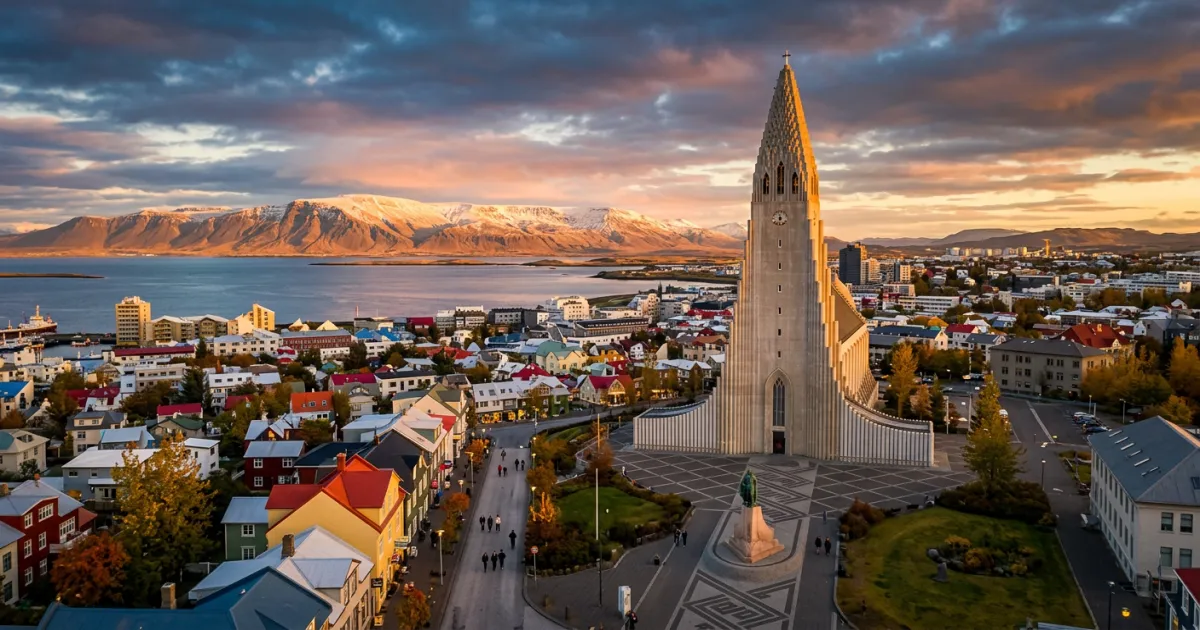
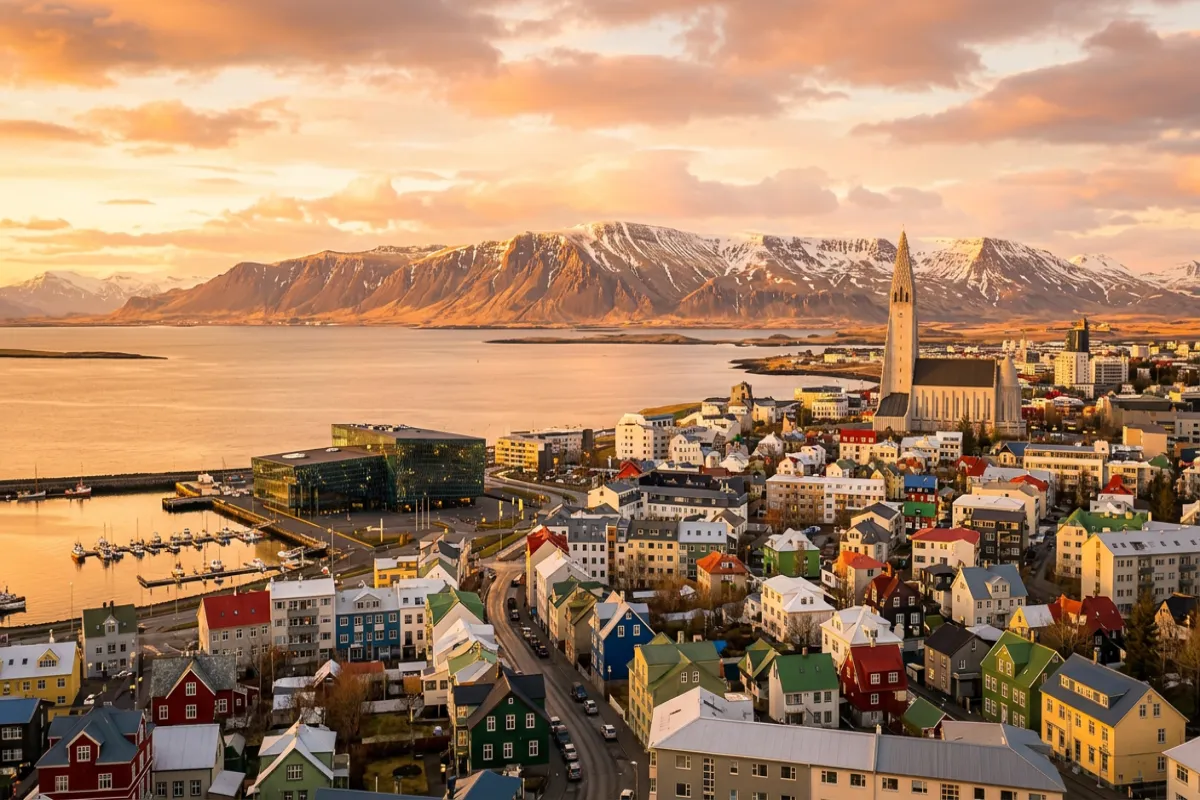
Reykjavik is the world’s northernmost capital and the base for exploring Iceland’s extraordinary landscapes. The city itself is compact, colorful, and walkable, with a vibrant food scene, excellent museums, and the iconic Hallgrimskirkja church. But Reykjavik’s real power is as a launchpad: the Golden Circle, Blue Lagoon, and the south coast are all easy day trips. In winter, Northern Lights tours depart from the city. In summer, the midnight sun turns the sky into a perpetual golden hour.
For a broader framework for organizing any trip, our how to plan a trip guide covers the fundamentals.
Best Time to Visit Reykjavik
June through August for midnight sun, hiking, and the best weather (50 to 60 F). September through March for Northern Lights (peak darkness November through February). Winter is cold (25 to 40 F) with very short days but aurora viewing. Shoulder months (May, September) offer fewer crowds and reasonable weather. Iceland’s weather is unpredictable year-round; dress in layers.
Getting to Reykjavik
Keflavik International Airport (KEF) is about 45 minutes from Reykjavik. Direct flights from Boston, New York, Washington DC, Denver, Minneapolis, Seattle, and others on Icelandair and PLAY (budget). The Flybus shuttle runs to Reykjavik ($25 one way). Within Reykjavik, walking covers the city center. A rental car is essential for exploring beyond the city.
Top Things to Do in Reykjavik
- Golden Circle Day Trip: Iceland’s most popular route: Thingvellir (tectonic plate rift), Geysir (erupting hot spring), and Gullfoss (massive waterfall). Drivable in a day from Reykjavik. Self-drive or guided tours ($60 to $100).
- Blue Lagoon or Sky Lagoon: The Blue Lagoon’s milky-blue geothermal water is Iceland’s most famous attraction ($60 to $100+, book weeks ahead). Sky Lagoon, closer to Reykjavik, offers a similar experience with ocean views ($50 to $80).
- Hallgrimskirkja Church: The iconic concrete church shaped like basalt columns. Climb the tower for panoramic views of Reykjavik ($12). The church organ concerts are worth catching.
- Northern Lights Tours (Winter): Guided bus or boat tours depart Reykjavik on clear winter nights chasing the aurora borealis ($50 to $80). Success depends on solar activity and weather. Most tours offer a free rebooking if no lights are seen.
- Whale Watching: Minke whales, humpback whales, dolphins, and puffins (summer) are regularly spotted on 3-hour tours from the Reykjavik harbor ($80 to $100).
- Reykjavik Food Scene: New Nordic cuisine, lamb, seafood, and hot dogs (the famous Baejarins Beztu Pylsur hot dog stand). Hlemmur Matholl food hall is a good intro to Icelandic food.
Where to Stay
Reykjavik 101 (downtown/city center) is the best area, walkable to everything. Hotels range from $120 to $350 per night. Guesthouses and Airbnbs from $80 to $200. Hostels (KEX Hostel, Loft Hostel) from $40 to $60 per bed. Everything in Iceland is expensive; there is no truly budget tier for accommodation. Book ahead for summer.
Sample 3-Day Reykjavik Itinerary
- Day 1 – Reykjavik City: Explore downtown: Hallgrimskirkja, Harpa Concert Hall, the Sun Voyager sculpture, and the National Museum. Afternoon at Laugardalslaug (public geothermal pool, $8). Evening dinner and bar hopping on Laugavegur Street.
- Day 2 – Golden Circle: Full-day Golden Circle drive or tour. Thingvellir National Park (walk between tectonic plates), Geysir geothermal area (watch Strokkur erupt every 5 minutes), and Gullfoss waterfall. Return to Reykjavik.
- Day 3 – Blue Lagoon or South Coast: Morning at the Blue Lagoon or Sky Lagoon (book ahead). Or drive the south coast to Seljalandsfoss and Skogafoss waterfalls and Reynisfjara black sand beach (long day trip).
Budget Estimate
Iceland is expensive. Budget travelers can manage on $100 to $150 per day with hostels, grocery store meals (a hot dog and soup strategy), and self-driving the Golden Circle (saves tour costs). Mid-range travelers should plan for $200 to $350 covering a guesthouse, restaurant meals ($25 to $50 per meal), Blue Lagoon ($60 to $100), and a Golden Circle tour or car rental ($60 to $80 per day). Alcohol is very expensive ($10 to $15 per beer in bars). Buy duty-free at Keflavik Airport on arrival.
Planning Tools
Ready to start building your Reykjavik trip? Our free AI trip planner can generate a custom itinerary based on your dates, budget, and interests.
Frequently Asked Questions
Is Iceland really that expensive?
Yes. Food, accommodation, and alcohol are significantly more expensive than continental Europe. A sit-down meal costs $25 to $50 per person. The key to managing costs: cook some meals (grocery stores are reasonable), buy alcohol duty-free at the airport, and camp or stay in hostels. The natural attractions (waterfalls, geysers, landscapes) are mostly free.
Can I see the Northern Lights from Reykjavik?
It is possible on very clear, dark nights, but light pollution reduces your chances. Northern Lights tours drive 30 to 60 minutes outside the city to darker locations. The best months are September through March. Solar activity varies; check aurora forecasts.
Do I need a car in Reykjavik?
Not for the city itself, which is walkable. But a rental car opens up the Golden Circle, south coast, and Snaefellsnes Peninsula as self-drive adventures, often cheaper than guided tours and more flexible. In winter, a 4×4 is recommended for icy roads.