| Patagonia Quick Facts | |
|---|---|
| Region | Southern Argentina and Chile |
| Currency | Argentine Peso (ARS) / Chilean Peso (CLP) |
| Language | Spanish. English at tourist lodges and agencies |
| Time Zone | ART (UTC-3) Argentina / CLT (UTC-3) Chile |
| Visa (US) | Not required for either country (90 days) |
| Daily Budget | $80 to $350+ per person |
| Best Time | November to March (Southern Hemisphere summer) |
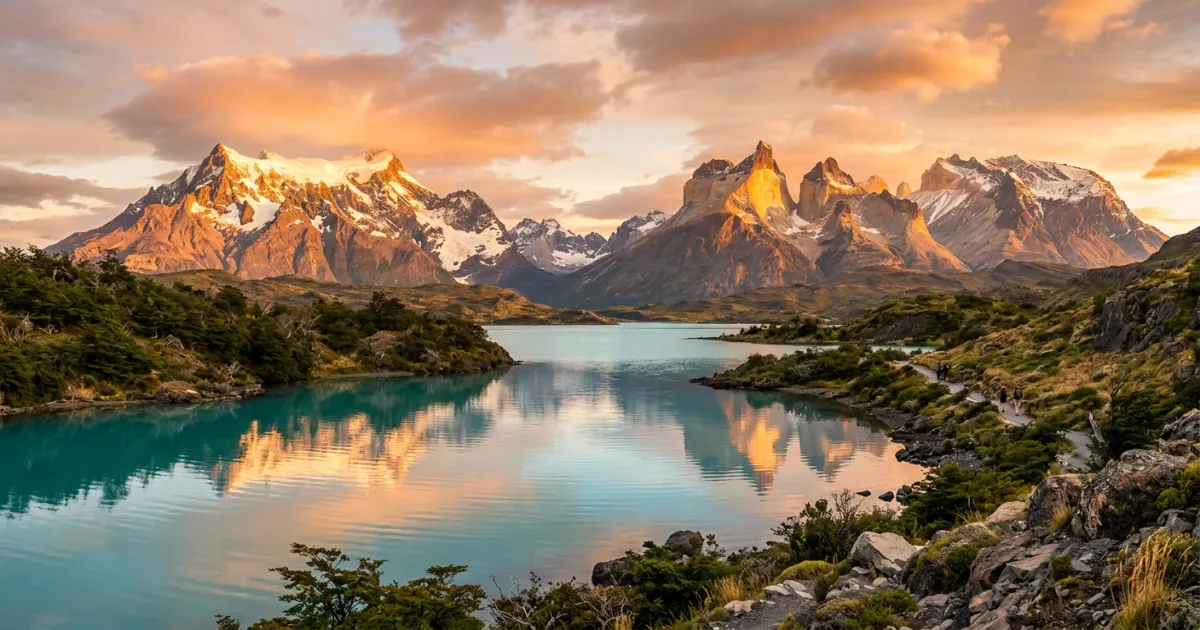
Patagonia is one of the last great wild places on Earth. This vast region spanning southern Argentina and Chile offers landscapes that feel prehistoric: massive glaciers calving into turquoise lakes, granite spires rising thousands of feet above windswept steppes, and wildlife from guanacos to condors to penguins. Torres del Paine in Chile and Los Glaciares National Park in Argentina are the two main draws, connected by roads and border crossings that make a combined trip possible. Patagonia is remote, expensive to reach, and weather-beaten, but for travelers who make the journey, it delivers experiences that are impossible to find anywhere else.
For a broader framework for organizing any trip, our how to plan a trip guide covers the fundamentals.
Best Time to Visit Patagonia
November through March is Patagonia’s summer and the only practical window for most travelers. December through February brings the longest days (up to 17 hours of daylight), warmest temperatures (50 to 65 F), and the best trail conditions. Patagonian wind is legendary and ever-present, strongest from November through January. March offers slightly calmer winds and fall colors. Winter (June through August) brings snow, closed trails, and limited services, though some hardy travelers visit for skiing near Ushuaia. Book accommodations and permits well in advance for December through February.
Getting to Patagonia
Most visitors enter Patagonia through El Calafate (FTE) in Argentina (for Perito Moreno Glacier) or Punta Arenas (PUQ) in Chile (for Torres del Paine). Both have flights from Buenos Aires (3 to 3.5 hours) and Santiago, Chile (3.5 hours). From El Calafate, Torres del Paine is about 5 to 6 hours by bus with a border crossing. El Chalten (Fitz Roy area) is 3 hours north of El Calafate by bus. Renting a car gives flexibility but gravel roads and strong winds require careful driving.
Top Things to Do in Patagonia
- Torres del Paine W Trek (Chile): The iconic multi-day hike through Torres del Paine National Park. The W Trek takes 4 to 5 days and passes the base of the Torres towers, the Grey Glacier, and the French Valley. Refugios (mountain shelters) and campsites along the route must be booked months in advance.
- Perito Moreno Glacier (Argentina): One of the few advancing glaciers in the world. Walkways at Los Glaciares National Park let you stand face-to-face with a 200-foot-high ice wall. Watch and listen as house-sized chunks of ice calve into the lake. Boat trips and ice trekking on the glacier are also available.
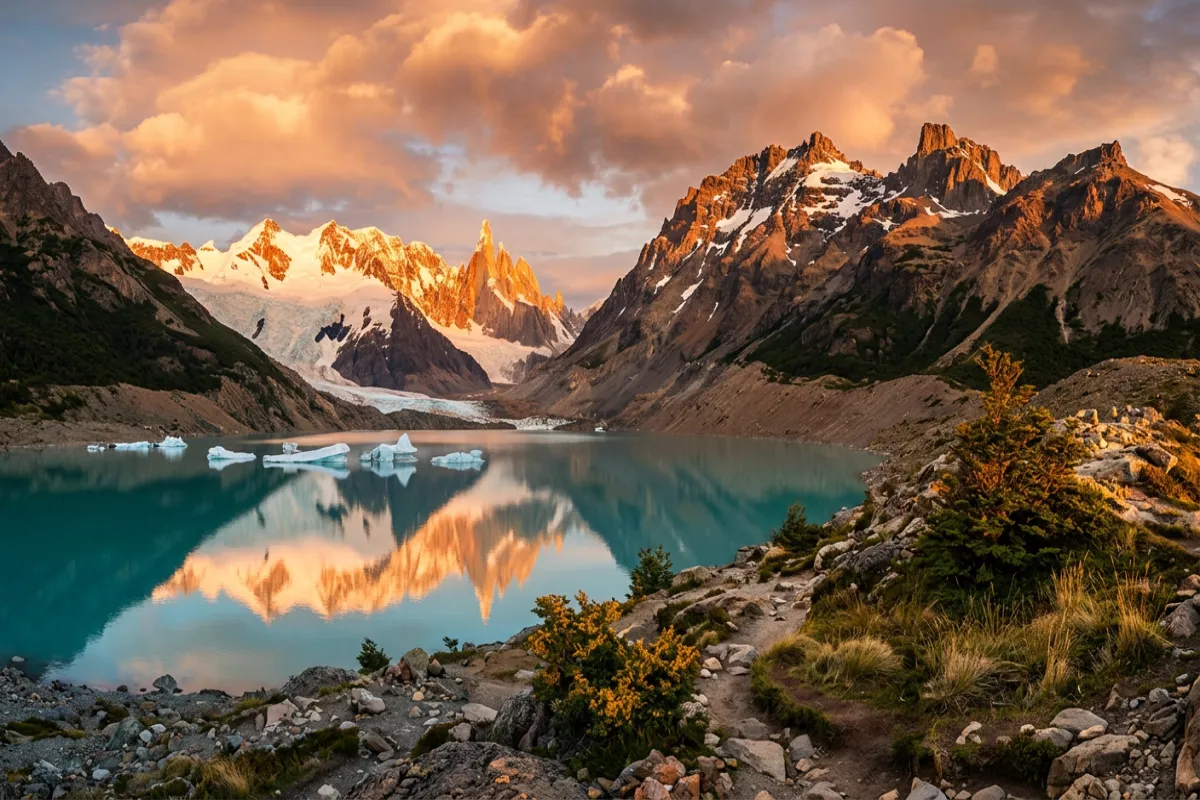
- Mount Fitz Roy (El Chalten, Argentina): The jagged granite peak that inspired the Patagonia clothing brand logo. The hike to Laguna de los Tres at the base of Fitz Roy (21 km round trip) is one of the best day hikes in South America. El Chalten is Argentina’s trekking capital.
- Grey Glacier Kayaking: Paddle among icebergs on Grey Lake at the foot of Grey Glacier in Torres del Paine. A surreal experience available through guided tours ($120 to $180 per person).
- Penguin Colonies: Isla Magdalena near Punta Arenas has a Magellanic penguin colony accessible by boat (September through March). Over 100,000 penguins during peak season.
- Estancia (Ranch) Visits: Working sheep ranches across Patagonia offer day visits, horseback riding, and asado (Argentine barbecue). A chance to experience gaucho culture. Several estancias near El Calafate offer full-day experiences.
Where to Stay
In El Calafate, hotels range from hostels ($20 to $40) to comfortable mid-range hotels ($80 to $200). In El Chalten, lodging is more basic and limited: hostels, guesthouses, and a few hotels ($40 to $150). In Torres del Paine, options include refugios on the trek ($80 to $150 per person with meals), campsites ($15 to $30), and luxury lodges outside the park ($300 to $800+). In Puerto Natales (gateway town to Torres del Paine), budget to mid-range hotels cost $40 to $120. Book well ahead for December through February.
Sample 7-Day Patagonia Itinerary
- Day 1-2: El Calafate and Perito Moreno: Fly into El Calafate. Day 1: explore the town and the shore of Lago Argentino. Day 2: full day at Perito Moreno Glacier. Walk the viewing platforms, take a boat trip for close-up views, or do an ice trek on the glacier.
- Day 3-4: El Chalten and Fitz Roy: Bus to El Chalten (3 hours). Day 3: hike to Laguna de los Tres for Fitz Roy views (start early, 8 to 10 hours). Day 4: shorter hike to Laguna Capri or Chorillo del Salto waterfall. Return to El Calafate.
- Day 5-7: Torres del Paine (Chile): Bus from El Calafate to Puerto Natales (5 hours, border crossing). Enter Torres del Paine. Options: 2 to 3 day highlights (Base Torres hike, Grey Glacier viewpoint, French Valley) or begin the W Trek. The base Torres hike alone is a full-day highlight.
Budget Estimate
Patagonia is one of the more expensive destinations in South America due to its remoteness. Budget travelers can manage on $80 to $120 per day with hostel dorms, cooking their own meals, and sticking to free trails (park entry is $35 to $50). Mid-range travelers should plan for $150 to $250 covering comfortable hotels, restaurant meals, glacier tours ($50 to $100), and bus transfers. Luxury travelers will spend $350+ for lodges, guided treks, and private excursions. Internal flights within Patagonia are expensive ($150 to $300 one way). Multi-day treks require advance booking of refugios or campsites.
Planning Tools
Ready to start building your Patagonia trip? Our free AI trip planner can generate a custom itinerary based on your dates, budget, and interests.
Frequently Asked Questions
How far in advance should I book Patagonia?
For peak season (December through February), book accommodations and Torres del Paine refugios/campsites 3 to 6 months in advance. Popular refugios on the W Trek sell out very early. Flights to El Calafate and Punta Arenas also get expensive closer to travel dates. Shoulder months (November, March) are easier to book last-minute.
Can I visit both Argentina and Chile Patagonia in one trip?
Yes, and most travelers do. El Calafate (Perito Moreno Glacier) and El Chalten (Fitz Roy) are in Argentina. Torres del Paine is in Chile. Bus connections link El Calafate to Puerto Natales with a straightforward border crossing. Allow 7 to 10 days for a combined trip.
How windy is Patagonia really?
Very. Sustained winds of 30 to 50 mph are common, especially from November through January. Gusts can reach 70+ mph. Wind affects hiking, ferry schedules, and general comfort. Bring a wind-proof jacket, secure your tent, and accept that wind is part of the experience. March and April tend to be calmer.