| Nova Scotia Quick Facts | |
|---|---|
| Province | Nova Scotia, Canada |
| Currency | Canadian Dollar (CAD). 1 USD = roughly 1.37 CAD |
| Language | English. French in some areas |
| Time Zone | Atlantic Time (AST, UTC-4) |
| Visa (US) | Not required for stays under 6 months (passport needed) |
| Daily Budget | $80 to $300+ per person (CAD) |
| Best Time | June to October |
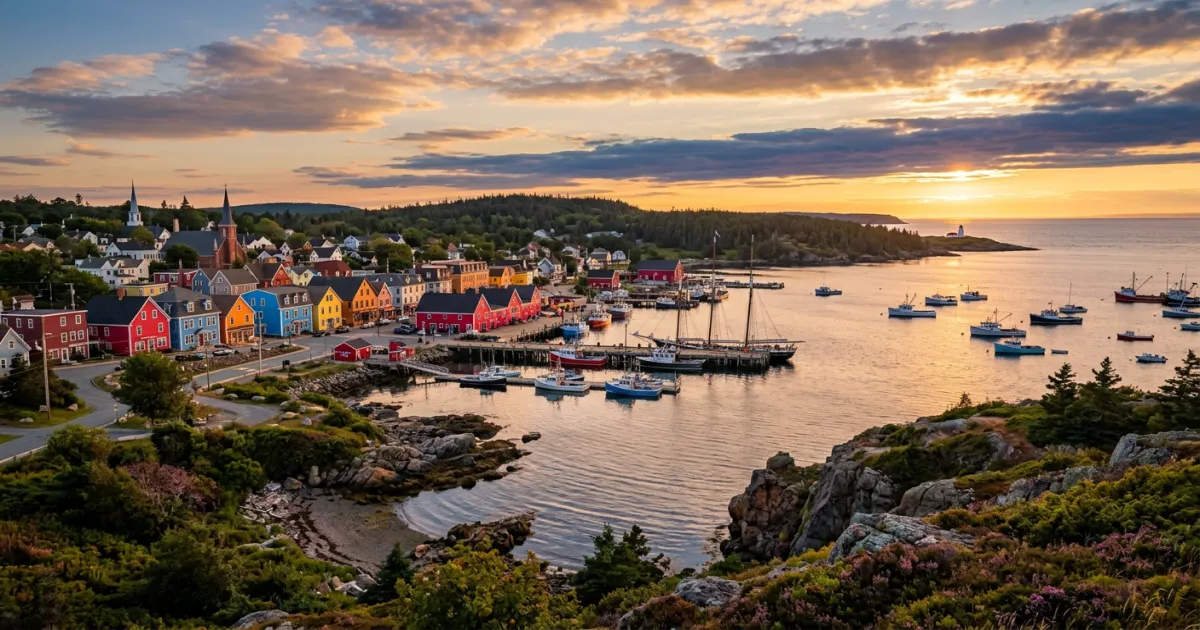
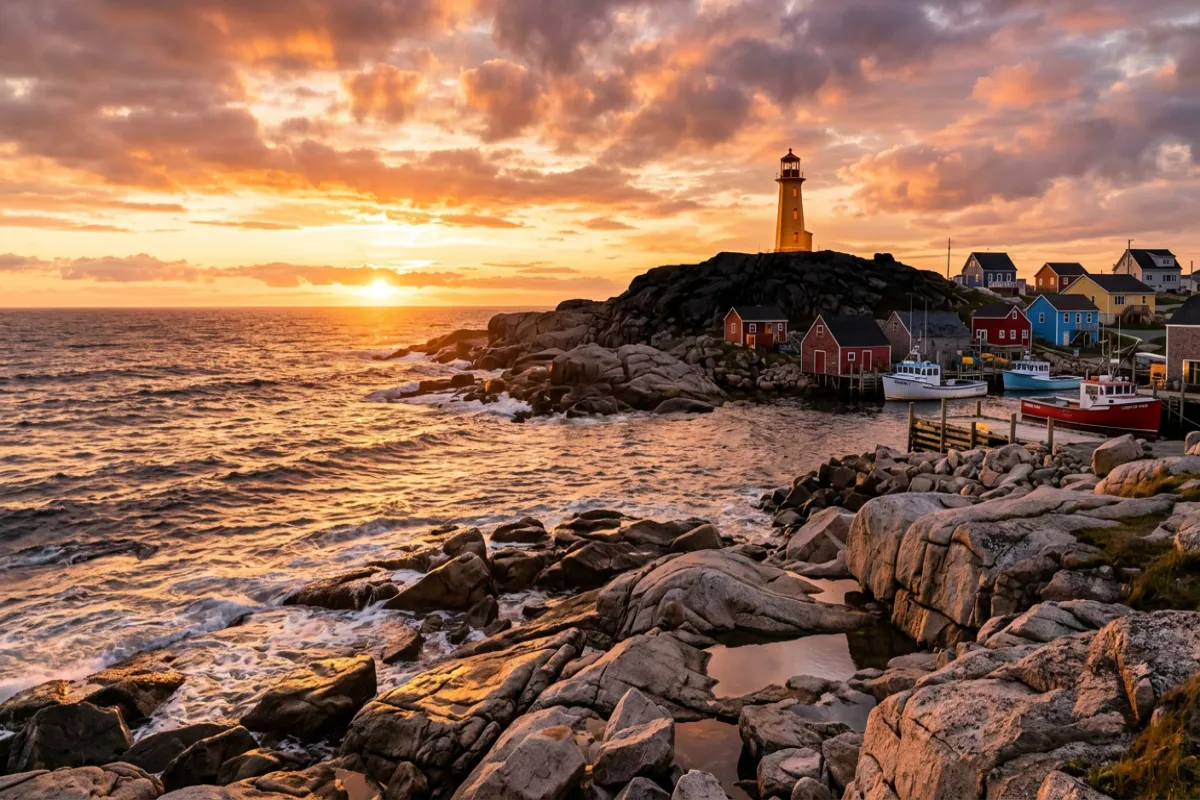
Nova Scotia is a maritime province on Canada’s Atlantic coast that delivers rugged coastal scenery, fresh lobster, Celtic and Acadian culture, and some of the friendliest people in North America. The Cabot Trail on Cape Breton Island is one of the most spectacular drives on the continent. Halifax, the capital, has a lively waterfront, craft beer scene, and deep naval history. Peggy’s Cove, with its iconic lighthouse perched on granite boulders, is one of the most photographed spots in Canada. The province is compact enough to road-trip in a week.
For a broader framework for organizing any trip, our how to plan a trip guide covers the fundamentals.
Best Time to Visit Nova Scotia
June through October is the visitor season. July and August are warmest (70 to 80 F) with the most activities and events, including the Halifax Jazz Festival and the Royal Nova Scotia International Tattoo. September and October bring spectacular fall foliage, especially along the Cabot Trail. Lobster season peaks May through June and November through December. Winter is cold and snowy with limited tourism services outside Halifax.
Getting to Nova Scotia
Halifax Stanfield International Airport (YHZ) has direct flights from Boston, New York, Newark, and other US cities (2 to 3 hours). The CAT ferry runs seasonally from Portland, Maine to Yarmouth, Nova Scotia (about 5.5 hours). From New Brunswick, it is about 3 hours by car to Halifax. A rental car is essential for exploring beyond Halifax.
Top Things to Do in Nova Scotia
- Cabot Trail: A 185-mile loop around Cape Breton Island through highlands, coastal cliffs, and fishing villages. One of the top drives in the world. Allow 2 to 3 days with stops for hiking (Skyline Trail is the highlight).
- Peggy’s Cove: The most iconic lighthouse in Canada, perched on massive granite boulders on the Atlantic coast. About 45 minutes from Halifax. Arrive early morning or at sunset to avoid tour bus crowds.
- Halifax Waterfront: The boardwalk, Maritime Museum of the Atlantic (Titanic and Halifax Explosion exhibits), Alexander Keith’s Brewery, and excellent seafood restaurants.
- Lobster: Nova Scotia is lobster country. Eat it boiled at a wharf-side shack, in a roll, or at a lobster supper. Halls Harbour and several south shore communities are known for lobster experiences.
- Lunenburg: A UNESCO World Heritage fishing town with colorful waterfront buildings, the Fisheries Museum of the Atlantic, and the home port of the Bluenose II schooner.
- Bay of Fundy: Home to the highest tides in the world (up to 53 feet). Walk the ocean floor at Burntcoat Head at low tide, or kayak among sea stacks at high tide. The Nova Scotia side is less touristed than New Brunswick’s Hopewell Rocks.
Where to Stay
In Halifax, the waterfront area and downtown have hotels from $100 to $250 CAD per night. Along the south shore (Lunenburg, Mahone Bay), B&Bs and inns cost $80 to $180 CAD. On Cape Breton, Baddeck is the main base for the Cabot Trail with lodges and motels ($80 to $200 CAD). Campgrounds and cabins throughout the province offer budget options ($30 to $80 CAD).
Sample 5-Day Nova Scotia Itinerary
- Day 1-2: Halifax and South Shore: Explore the Halifax waterfront, Citadel Hill, and the brewery scene. Day 2: drive the south shore to Peggy’s Cove, Mahone Bay, and Lunenburg. Lobster dinner on the waterfront.
- Day 3-4: Cape Breton and Cabot Trail: Drive to Cape Breton (3.5 hours from Halifax). Two days on the Cabot Trail with stops at the Skyline Trail, Pleasant Bay, and Meat Cove. Stay in Baddeck.
- Day 5: Bay of Fundy: Drive to the Bay of Fundy coast. Walk the ocean floor at low tide at Burntcoat Head. Visit a tidal bore or kayak among the sea stacks.
Budget Estimate
Budget travelers can manage on $80 to $120 CAD per day with hostels, picnic meals, and free outdoor activities. Mid-range travelers should plan for $150 to $250 CAD covering B&Bs, restaurant meals ($15 to $30 CAD), and fuel for the road trip. Lobster dinners at wharf-side shacks run $20 to $35 CAD. Gas is more expensive than in the US. The CAD/USD exchange rate gives Americans roughly 25 to 30% extra purchasing power.
Planning Tools
Ready to start building your Nova Scotia trip? Our free AI trip planner can generate a custom itinerary based on your dates, budget, and interests.
Frequently Asked Questions
How many days do you need in Nova Scotia?
Five to seven days covers Halifax, the south shore, the Cabot Trail, and the Bay of Fundy. A week is ideal for a road trip loop. Three days works if you focus on Halifax and the immediate south shore.
Is the Cabot Trail worth the drive?
Absolutely. It is consistently ranked among the top scenic drives in the world. The combination of highland mountains meeting the Atlantic coast, with hiking trails and fishing villages along the way, is spectacular. Allow 2 to 3 days to do it justice.
When is lobster cheapest?
The main fishing season is late November through May on the south shore, and May through June on the north shore. During peak season, lobster is most abundant and prices are lowest. However, lobster is available year-round in Nova Scotia restaurants.