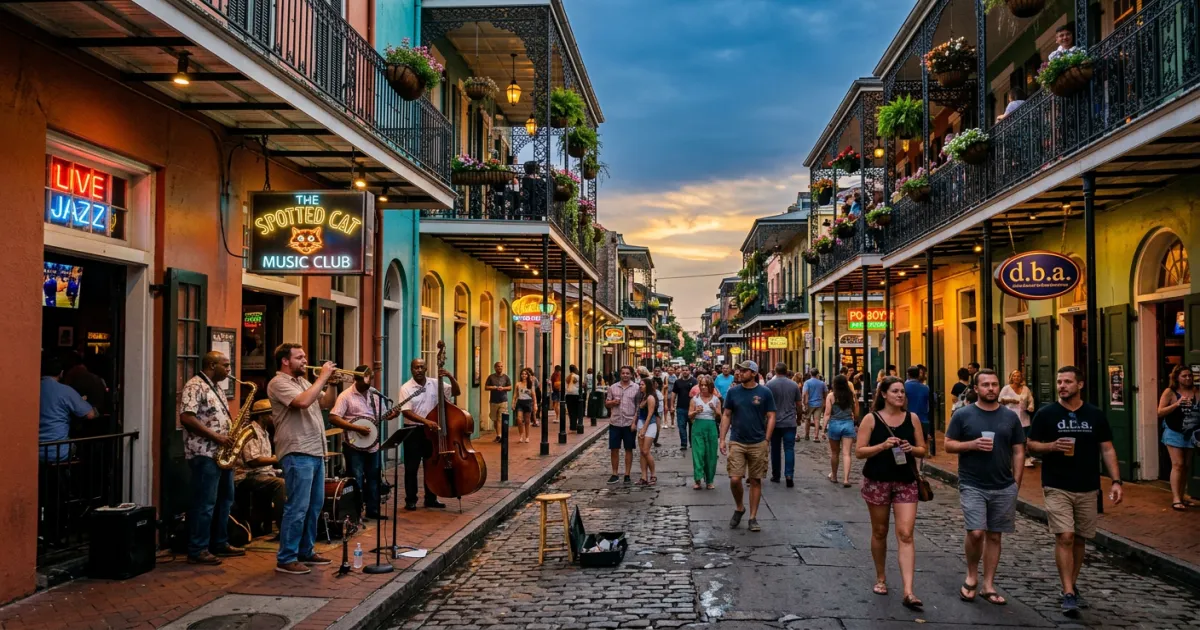
New Orleans is unlike any other city in the United States. The music, food, architecture, and cultural traditions create an experience you will not find anywhere else. Whether you are planning around Mardi Gras, Jazz Fest, or a quieter fall visit, this guide covers everything you need to organize your trip. For a broader approach to trip planning, start with our step-by-step guide to planning a trip.
Key Planning Facts
- Location: Southern Louisiana, on the Mississippi River
- Currency: US Dollar (USD)
- Language: English (French Creole and Spanish also spoken)
- Best months to visit: October to November and February to May
- Average daily budget: $100 to $250 per person depending on travel style
- Time zone: Central Time (CT, UTC-6; CDT UTC-5 in summer)
- Airport: Louis Armstrong New Orleans International Airport (MSY)
- Nickname: The Big Easy, NOLA, The Crescent City
Best Time to Visit New Orleans
Fall (October to November)
Fall is the best time to visit for most travelers. Temperatures cool to a comfortable 60 to 80 degrees Fahrenheit, humidity drops significantly, and hotel prices are lower than festival season. October and November bring food festivals, Halloween celebrations, and the start of the NFL season if you want to catch a Saints game at the Superdome.
Mardi Gras Season (January to February)
Mardi Gras is the defining New Orleans experience. The 2026 season runs from January 6 (King’s Day) through Fat Tuesday on February 17, 2026, with parades intensifying in the final two weeks. Expect large crowds, hotel prices that double or triple, and an electric atmosphere. Book accommodation at least 3 to 6 months in advance. Smaller neighborhood Krewe parades in mid-January offer a more local, less crowded experience.
Spring Festival Season (March to May)
Spring brings the city’s biggest music and food events. French Quarter Festival runs April 16 to 19, 2026, and is free. Jazz Fest runs April 23 to May 3, 2026, across two weekends at the Fair Grounds Race Course. Essence Festival runs July 3 to 5, 2026. Temperatures climb into the 80s, but the festival energy is worth it.
Summer (June to August)
Summer is hot and humid, with temperatures reaching 90 to 95 degrees Fahrenheit and daily afternoon thunderstorms. This is the slowest tourism period, which means the lowest hotel prices and shortest lines. If you can handle the heat, summer offers the best deals and a chance to experience the city like a local.
Winter (December to Early January)
December is pleasant, with mild temperatures in the 50s and 60s and holiday celebrations throughout the city. New Year’s Eve in New Orleans is a major event with fireworks on the Mississippi River.
How Long to Spend in New Orleans
A 3 to 5 day trip is ideal for a first visit. Three days covers the French Quarter, Garden District, and a taste of the food and music scene. Five days lets you explore neighborhoods like the Marigny and Bywater, take a swamp tour, visit plantations outside the city, and fully immerse yourself in the culture.
For Mardi Gras or Jazz Fest, plan for at least 4 to 5 days to experience multiple parades or festival days without rushing.
Budget and Costs
New Orleans is moderately priced for a major U.S. tourist destination. Food is excellent at every budget level, and many of the best experiences (live music on Frenchmen Street, walking the French Quarter, City Park) are free.
Daily Budget Ranges
- Budget: $80 to $150 per person per day. Hostels or budget hotels ($50 to $100 per night), po’boys and street food for meals, free live music
- Mid-range: $175 to $300 per person per day. Boutique hotels ($150 to $250 per night), sit-down restaurants, paid tours and attractions
- Luxury: $350 and up per person per day. Historic hotels in the French Quarter ($300 to $500 per night), fine dining, private tours
Key Costs
- Meals: Beignets and coffee: $9 to $12. Po’boy sandwich: $14 to $17. Casual dinner: $18 to $30. Fine dining: $60 to $120 per person
- Streetcar: $1.25 per ride. Jazzy Pass day pass: $3 for unlimited streetcar and bus rides. 31-day pass: $55
- Attractions: National WWII Museum: $32 to $44. Swamp tour: $30 to $70. Plantation tour: $25 to $40. Walking tours: $20 to $30
- Jazz Fest tickets: Single day: $85 to $95 advance, $100 to $110 at the gate
Use our free travel budget template to plan your New Orleans expenses.
Getting There and Getting Around
Flying In
Louis Armstrong New Orleans International Airport (MSY) is about 15 miles west of the French Quarter. A taxi or rideshare to the French Quarter costs $36 (flat rate for taxis) or $20 to $30 for rideshare. The Airport Express bus (E-2 line) runs to the Central Business District for $2.
Getting Around the City
New Orleans is one of the most walkable cities in the U.S. The French Quarter, Marigny, and CBD are easily covered on foot. The historic streetcar system is both transportation and an attraction. The St. Charles line runs from Canal Street through the Garden District and Uptown, passing under a canopy of oak trees. The Canal Street and Riverfront lines serve other routes.
Rideshare apps work well throughout the city. Taxis are also readily available in the French Quarter and CBD. Renting a car is not recommended for exploring the main tourist areas due to limited and expensive parking.
Where to Stay
French Quarter
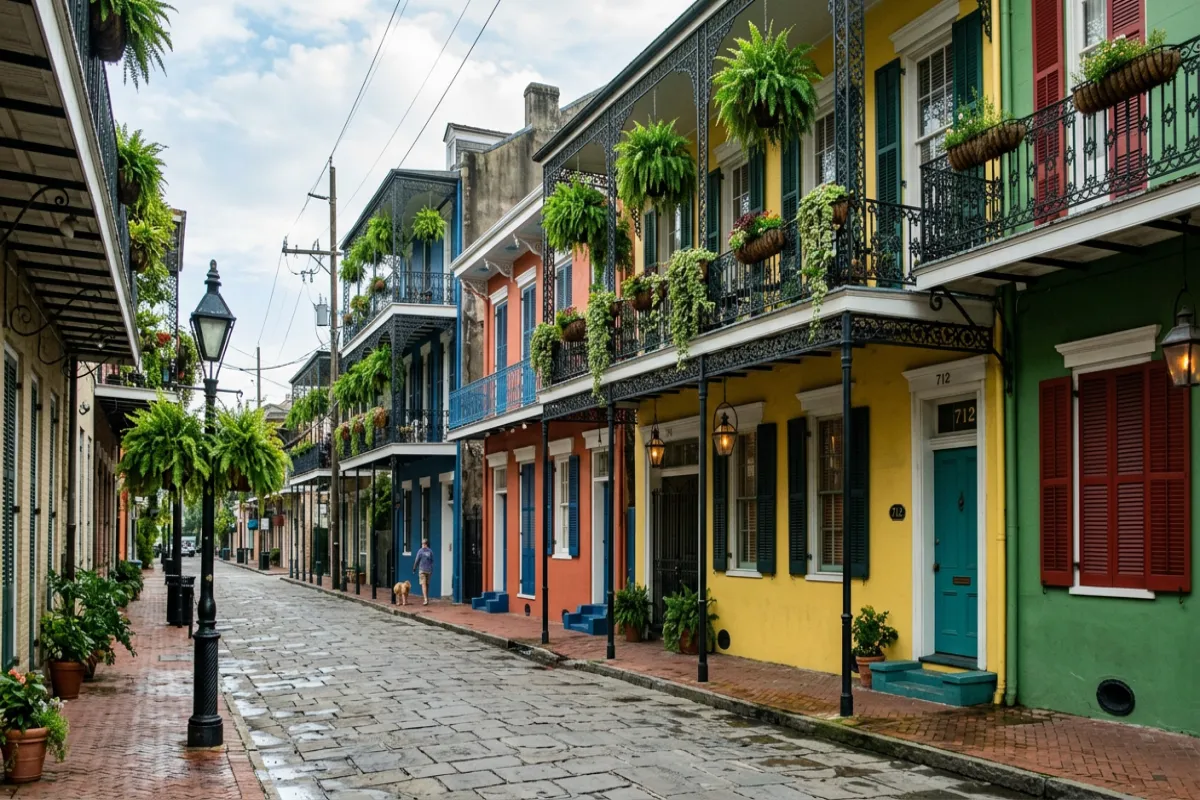
The heart of the city and the most popular area for visitors. Hotels range from budget to luxury. You are walking distance to nearly everything, but Bourbon Street can be loud at night. Stay closer to the quieter end near Esplanade Avenue if you prefer less noise.
Garden District and Uptown
Beautiful historic homes, quieter streets, and excellent restaurants. Connected to the French Quarter by the St. Charles streetcar (about 20 minutes). A great choice for families or travelers who want a more residential feel. Hotels and guesthouses here cost about 20 to 30 percent less than the French Quarter.
Marigny and Bywater
These neighborhoods are the center of the live music scene. Frenchmen Street in the Marigny is where locals go for jazz, blues, and soul music. The Bywater has a bohemian feel with street art, independent coffee shops, and a growing food scene. Boutique hotels and vacation rentals are the main accommodation options.
Central Business District (CBD) and Warehouse District
The area around the Superdome and Convention Center has larger chain hotels, often at competitive rates. Walking distance to the French Quarter. The Warehouse District has excellent restaurants and galleries.
Must-See Attractions and Experiences
French Quarter
Walk Jackson Square to see street performers, artists, and St. Louis Cathedral (the oldest continuously active Roman Catholic cathedral in the United States). Explore the French Market, which stretches six blocks along the river. Stroll Royal Street for antique shops and galleries. Bourbon Street is famous for its nightlife and neon signs, but the French Quarter has far more to offer beyond Bourbon.
Live Music on Frenchmen Street
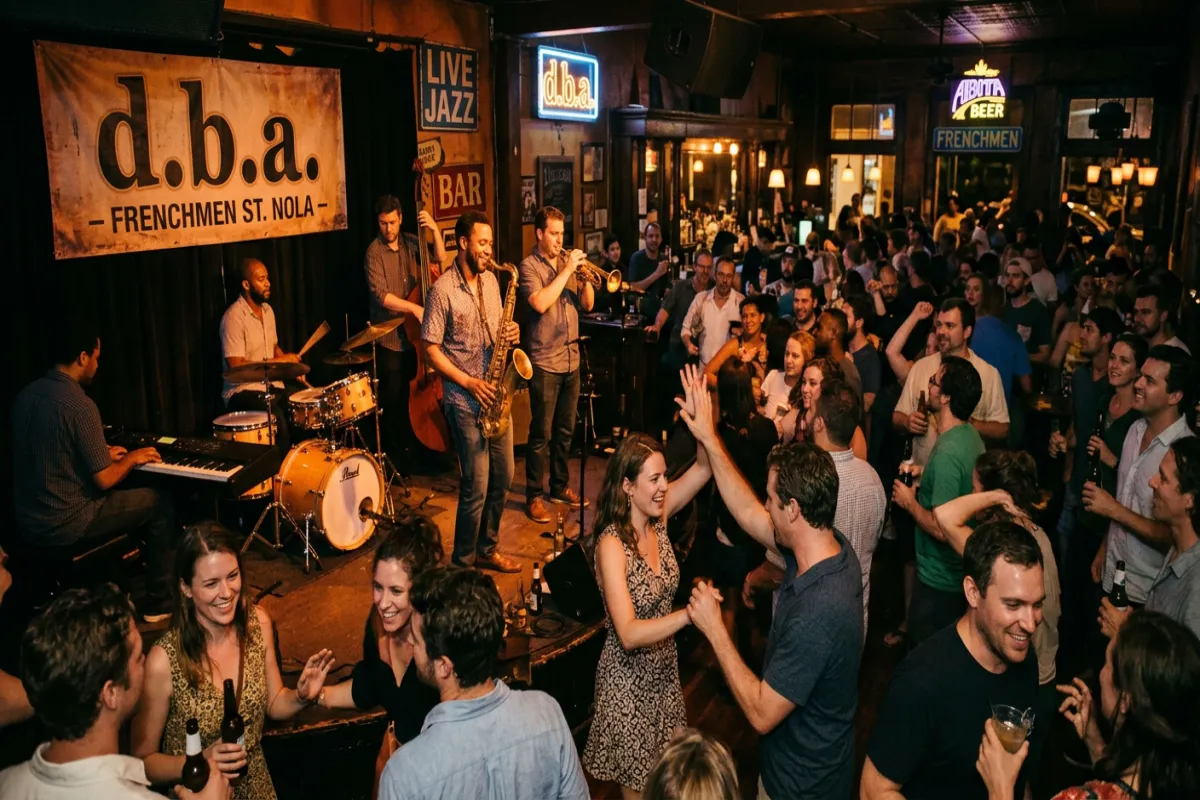
Frenchmen Street in the Marigny neighborhood is the real music scene of New Orleans. Walk the three-block stretch and hear jazz, blues, brass bands, funk, and soul pouring out of clubs every night. Most venues have no cover charge. The Spotted Cat Music Club is a local favorite.
Garden District Walking Tour
The Garden District is one of the most beautiful residential neighborhoods in the country. Walk along Magazine Street and St. Charles Avenue past grand antebellum homes, wrought-iron fences, and centuries-old live oak trees. Lafayette Cemetery No. 1 is one of the city’s most atmospheric aboveground cemeteries.
National WWII Museum
Ranked among the top museums in the world. Founded by historian Stephen Ambrose, it tells the story of the American experience in World War II through immersive exhibits, personal stories, and artifacts. Plan at least 3 to 4 hours. The museum has expanded significantly and includes multiple pavilions, a cinema experience, and a stage canteen.
City Park
At 1,300 acres, City Park is larger than Central Park in New York. It contains the New Orleans Museum of Art and its outdoor Sculpture Garden, the Botanical Garden, Storyland playground, and Carousel Gardens Amusement Park. The park’s ancient live oak trees, some over 800 years old, are spectacular.
Swamp and Bayou Tours
Take a half-day swamp tour to see alligators, turtles, herons, and cypress trees draped in Spanish moss. Tours depart from various locations 30 to 60 minutes outside the city. Airboat and kayak options are available.
St. Charles Streetcar Ride
The St. Charles streetcar line has been running since 1835, making it one of the oldest continuously operating streetcar lines in the world. Ride the full route from Canal Street through the Garden District and Uptown for $1.25. It is both transportation and a sightseeing experience.
Cemetery Tours
New Orleans cemeteries are called “Cities of the Dead” because of their aboveground tombs, built above the water table. St. Louis Cemetery No. 1 (the oldest, dating to 1789) requires a licensed tour guide to enter. Lafayette Cemetery No. 1 in the Garden District is free and open to walk through on your own.
Food and Dining
New Orleans is one of the great food cities of the world. Creole and Cajun cuisines form the foundation, blending French, Spanish, African, and Caribbean influences.
- Beignets: Deep-fried dough covered in powdered sugar, served with chicory coffee. Available 24 hours at the famous stand on Decatur Street
- Po’boys: Overstuffed sandwiches on French bread. Roast beef and shrimp are the most popular fillings
- Gumbo: A thick stew of okra, protein (shrimp, sausage, chicken, or crab), and rice. Every restaurant has its own recipe
- Jambalaya: A rice-based dish with sausage, chicken, shrimp, and Creole seasoning
- Crawfish: Available during crawfish season (January through June). Boiled crawfish is a communal meal best experienced at a crawfish boil
- Muffuletta: A large round sandwich with Italian meats, cheese, and olive salad on sesame bread
- Red beans and rice: A Monday tradition, slow-cooked red beans with andouille sausage over rice
Tipping: 18 to 20 percent at sit-down restaurants is standard in New Orleans. Some restaurants add an automatic gratuity for larger parties.
Safety and Practical Tips
- Safety: The French Quarter, Garden District, CBD, and Marigny are generally safe for tourists. Stay aware of your surroundings, especially late at night. Avoid walking alone in unfamiliar areas after dark. Petty theft and pickpocketing occur in crowded areas
- Weather: New Orleans is subtropical. Pack light, breathable clothing and expect rain at any time. A small umbrella or rain jacket is essential year-round. Sunscreen is important even in winter
- Hydration: The heat and humidity, combined with walking and drinking, can lead to dehydration quickly. Carry water with you
- Mardi Gras tips: Wear comfortable shoes you do not mind getting dirty. Bring a small bag (backpacks are restricted in some areas). Arrive early to claim a parade viewing spot. Family-friendly parades roll during the day
- Drinking laws: Open containers of alcohol are legal on the streets (in plastic cups, not glass). The legal drinking age is 21
- Music etiquette: If you enjoy live music at a venue, tip the musicians. Most Frenchmen Street clubs have a tip jar or bucket near the stage
- Parking: Street parking in the French Quarter is scarce and metered. Use parking garages ($20 to $40 per day) or rideshare instead of driving
Sample 4-Day New Orleans Itinerary
Day 1: French Quarter
Start with beignets and chicory coffee at a cafe on Decatur Street. Walk Jackson Square, explore St. Louis Cathedral, and browse the French Market. Walk Royal Street for galleries and antiques. Afternoon: take a guided walking tour of the French Quarter (history, architecture, or food tour). Evening: dinner at a classic Creole restaurant, then explore Bourbon Street or head to Frenchmen Street for live music.
Day 2: Garden District and Uptown
Take the St. Charles streetcar from Canal Street through the Garden District. Walk Magazine Street for boutique shopping. Visit Lafayette Cemetery No. 1. Explore the Uptown neighborhood and Audubon Park. Afternoon: return to the CBD and visit the National WWII Museum (plan 3 to 4 hours). Evening: dinner in the Warehouse District.
Day 3: Beyond the Quarter
Morning: explore City Park, including the Sculpture Garden and Botanical Garden. Afternoon: choose between a swamp tour (half day, departs from the city) or a plantation tour along the Great River Road. Evening: dinner in the Marigny or Bywater, followed by a full evening of live music on Frenchmen Street.
Day 4: Local Flavor and Departure
Morning: visit the Tremé neighborhood, the oldest African American neighborhood in the United States. Stop at the Backstreet Cultural Museum or the New Orleans African American Museum. Brunch is a New Orleans tradition, so end your trip with a long, leisurely brunch. Afternoon: last-minute shopping for hot sauce, pralines, or coffee beans on Magazine Street or at the French Market before heading to the airport.
Ready-Made New Orleans Itineraries
We have built day-by-day itineraries with activities, travel times, budgets, and local tips. Clone any into your trip planner to customize:
Or build a custom itinerary with our free AI trip planner.
Planning Your Trip
For more trip planning resources:
Frequently Asked Questions
When is Mardi Gras 2026?
Fat Tuesday (Mardi Gras Day) falls on February 17, 2026. Parades begin weeks earlier, starting January 6, with the biggest parades in the final 10 days before Fat Tuesday. The celebration ends at midnight on Fat Tuesday.
What is the best time to visit New Orleans?
October and November offer the best combination of pleasant weather, lower prices, and manageable crowds. February through May is ideal if you want to experience Mardi Gras, French Quarter Festival, or Jazz Fest, but expect higher prices and bigger crowds.
Is New Orleans safe for tourists?
The main tourist areas (French Quarter, Garden District, CBD, Marigny) are generally safe with regular police presence. Use standard big-city precautions: stay aware of your surroundings, avoid walking alone in unfamiliar areas late at night, and keep valuables secure.
How expensive is New Orleans?
New Orleans is mid-range for a major U.S. city. Budget travelers can manage on $80 to $150 per day, mid-range travelers should plan $175 to $300 per day. Food is a great value at every price point, and many of the best experiences (live music, walking the Quarter, City Park) are free.
Do I need a car in New Orleans?
No. The main tourist areas are walkable, and the streetcar system connects the French Quarter to the Garden District and Uptown for $1.25 per ride. Rideshare and taxis are readily available. A car is only useful for day trips outside the city (swamp tours, plantations).
What should I eat in New Orleans?
Start with beignets and chicory coffee, then try gumbo, po’boys (roast beef or shrimp), jambalaya, and a muffuletta sandwich. During crawfish season (January through June), a crawfish boil is a must. Red beans and rice on a Monday is a local tradition.
How do I get from the airport to the French Quarter?
Louis Armstrong International Airport (MSY) is about 15 miles from the French Quarter. Taxis have a flat rate of $36 to the Quarter. Rideshare costs $20 to $30. The Airport Express bus (E-2 line) runs to the CBD for $2.
What should I pack for New Orleans?
Light, breathable clothing regardless of season. Comfortable walking shoes are essential. Pack a rain jacket or small umbrella (rain is common year-round). Sunscreen and a hat for daytime. For Mardi Gras, wear layers and shoes you do not mind getting dirty.
Is Bourbon Street worth visiting?
Bourbon Street is worth a walk-through to see, especially at night when the neon signs light up and music pours from every door. But it is primarily a tourist nightlife strip. For a more authentic music and food experience, head to Frenchmen Street in the Marigny neighborhood, which is where locals go.
How far in advance should I book for Mardi Gras?
Book accommodation 3 to 6 months in advance for Mardi Gras. Hotel prices double or triple during the final week, and popular properties sell out months ahead. Consider staying in the Garden District or Mid-City for lower rates and a short streetcar ride to the action.