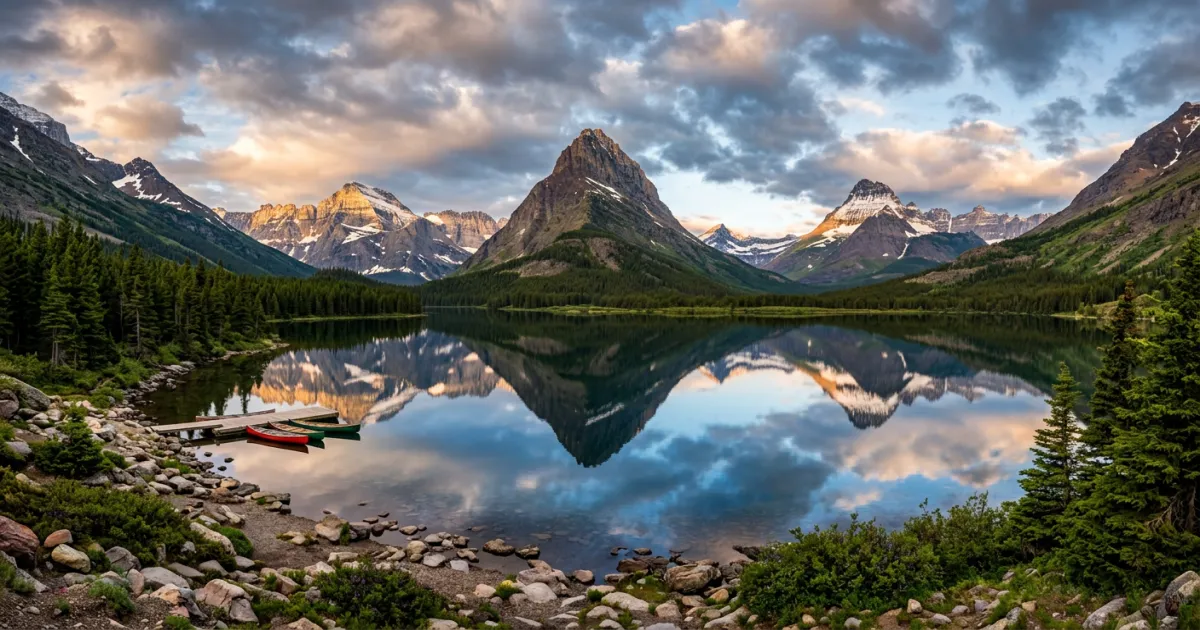
Montana is Big Sky Country, and the name is not an exaggeration. Glacier National Park’s alpine lakes and mountain passes, Yellowstone’s geysers and wildlife, wide-open prairies, and some of the best fly fishing in North America make Montana one of the most scenic states in the U.S. This guide covers everything you need to plan your trip. For a broader approach, see our step-by-step trip planning guide.
Key Planning Facts
- Location: Northwestern United States, bordering Canada
- Currency: US Dollar (USD)
- Language: English
- Best months to visit: July to September (full access to both national parks)
- Average daily budget: $120 to $280 per person depending on travel style
- Time zone: Mountain Time (MT)
- Major airports: Bozeman (BZN), Missoula (MSO), Kalispell/Glacier Park (FCA), Billings (BIL)
- State size: Fourth-largest U.S. state (147,040 square miles). Driving across east to west takes 8+ hours
- National parks: Glacier National Park and the Montana portion of Yellowstone National Park
Best Time to Visit Montana
Summer (July to August)
Peak season and the best time for full access to both Glacier and Yellowstone. Going-to-the-Sun Road in Glacier typically opens fully between mid-June and early July (snowpack dependent) and stays open until mid to late October. Daytime temperatures average 75 to 85 degrees Fahrenheit with cool nights (40s to 50s). This is the busiest period. Book accommodation and vehicle reservations months in advance.
September
The best-kept secret in Montana. Crowds drop significantly after Labor Day. Weather stays pleasant (60 to 75 degrees Fahrenheit). Larch trees in Glacier turn brilliant gold between September 20 and October 10. Most trails and roads remain open. Wildlife is active as animals prepare for winter.
Ski Season (December to March)
Big Sky Resort (one of the largest ski areas in North America), Whitefish Mountain Resort (near Glacier), and Bridger Bowl (near Bozeman) offer excellent skiing. Cold temperatures (0 to 30 degrees Fahrenheit). Most of Going-to-the-Sun Road and many Glacier trails close for winter.
Spring (April to June)
Transitional season. Lower elevations are accessible, but high-altitude roads and trails in Glacier are still snow-covered through May or June. Wildlife viewing is excellent (bear and bison activity). Wildflowers bloom in June. Fewer visitors and lower prices.
How Long to Spend in Montana
Plan for 7 to 10 days to visit both Glacier and Yellowstone at a comfortable pace. The drive between the two parks is about 5 to 6 hours. 3 to 4 days is enough for just one park. Add 1 to 2 days for Bozeman, Missoula, or the Flathead Lake area. A two-week trip lets you combine both parks with scenic detours and small-town stops.
Budget and Costs
Daily Budget Ranges
- Budget: $100 to $160 per person per day. Camping ($25 to $40 per night), cooler meals, free hiking, public lands
- Mid-range: $180 to $280 per person per day. Hotels or lodges ($140 to $250 per night), restaurant dining, guided activities
- Luxury: $350 and up per person per day. Dude ranches, luxury lodges ($300 to $600 per night), private guided tours, fly-fishing guides
Key Costs
- Glacier National Park: $35 per vehicle (7-day pass). Going-to-the-Sun Road timed vehicle entry reservation required (free, but must be booked on recreation.gov). Campgrounds: $25 to $35 per night
- Yellowstone National Park: $35 per vehicle (7-day pass). Campgrounds: $25 to $40 per night. Old Faithful Inn and other park lodges: $150 to $350 per night (book 6 to 12 months ahead)
- America the Beautiful pass: $80 annual pass covers both parks plus all other federal recreation sites
- Rental car: $55 to $100 per day. Essential for Montana travel
- Fly fishing guide: $400 to $600 per day for a guided trip on blue-ribbon rivers
- Meals: Casual restaurant: $15 to $30. Brewpub: $12 to $25. In-park dining: $15 to $35
Use our free travel budget template to plan your Montana expenses.
Getting There and Getting Around
Flying In
Bozeman Yellowstone International Airport (BZN) is the busiest in Montana and the closest to Yellowstone’s north entrance (90 minutes). Glacier Park International Airport (FCA) near Kalispell is closest to Glacier (30 minutes to the park). Missoula International Airport (MSO) serves western Montana. Direct flights from many major U.S. cities during summer.
Driving
A car is essential. Montana is vast, and there is no practical public transit between destinations. Key drives:
- Going-to-the-Sun Road (Glacier): 50 miles across the Continental Divide. One of the most scenic drives in North America. Narrow, winding, and spectacular. Timed vehicle reservations required (book on recreation.gov)
- Beartooth Highway: 68 miles from Red Lodge to Yellowstone’s northeast entrance. Reaches nearly 11,000 feet. Open late May to mid-October. Dramatic switchbacks and alpine scenery
- Glacier to Yellowstone: About 350 miles via I-90 and US-89. 5 to 6 hours of driving. Stop in Helena (state capital) or Great Falls
Where to Stay
Glacier National Park Area
West Glacier and Columbia Falls: Gateway towns on the park’s west side. Hotels, cabins, and vacation rentals. Closest access to Lake McDonald. East Glacier and St. Mary: Access to the east side, Many Glacier, and the start of Going-to-the-Sun Road from the east. More remote with fewer services. Whitefish: A charming ski/resort town 25 miles from Glacier with restaurants, breweries, and year-round activities.
Yellowstone Area (Montana Side)
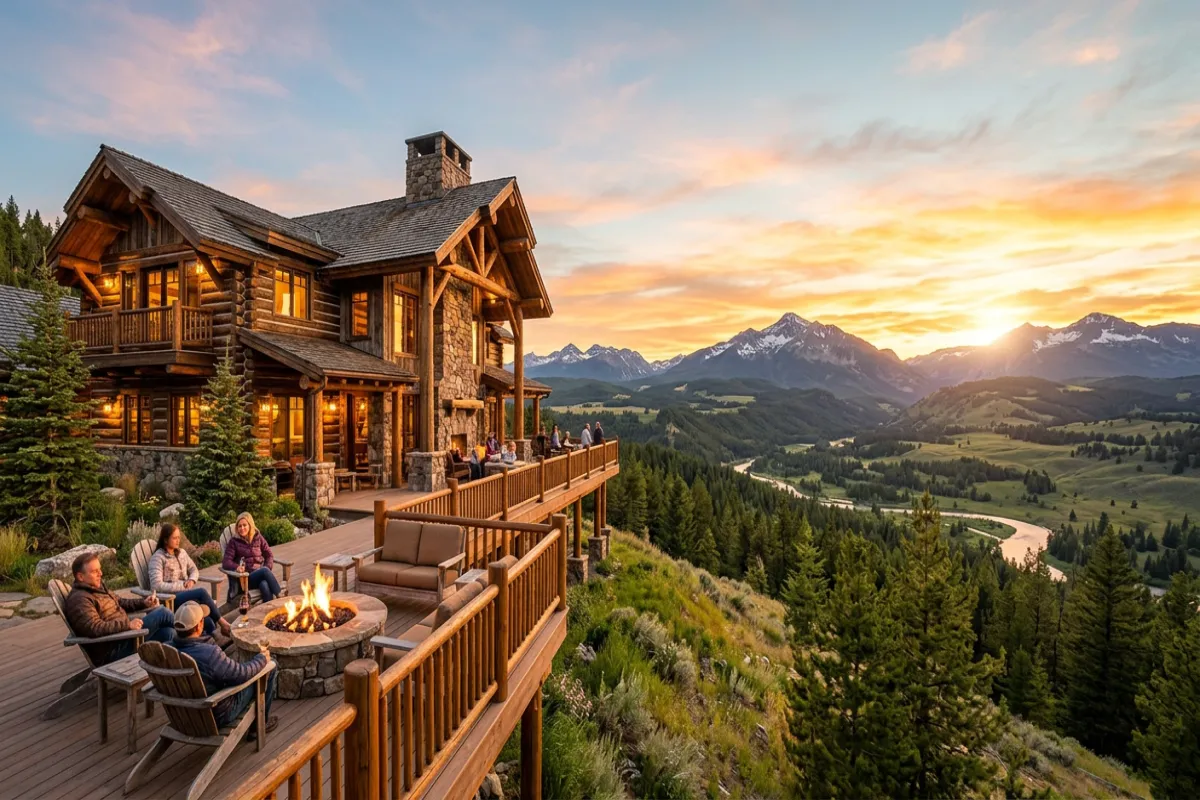
West Yellowstone: The most popular gateway town on the Montana side. Hotels, restaurants, IMAX theater, and the closest town to Old Faithful. Gardiner: At the park’s original north entrance. Year-round access. More authentic Montana feel than West Yellowstone. Bozeman: 90 minutes from the park. A lively college town (Montana State University) with excellent restaurants, breweries, and outdoor gear shops.
Camping
Both parks have campgrounds. Glacier: Apgar, Fish Creek, Many Glacier, St. Mary. Yellowstone: Madison, Bridge Bay, Canyon. Most require advance reservations through recreation.gov. Some first-come, first-served sites remain.
Must-See Attractions and Experiences
Glacier National Park
- Going-to-the-Sun Road: A 50-mile engineering marvel crossing the Continental Divide at Logan Pass (6,646 feet). Stop at pullouts for views of glacial valleys, waterfalls, and mountain goats. The Highline Trail from Logan Pass is the park’s most famous hike
- Highline Trail: 11.8 miles one way from Logan Pass to the Granite Park Chalet along the Continental Divide. Exposed alpine terrain with panoramic views. One of the best day hikes in the U.S.
- Many Glacier: The “Switzerland of North America.” Glacial lakes, waterfalls, and bear sightings. Hike to Grinnell Glacier (11 miles round trip, 1,600 feet elevation gain) for one of the most rewarding hikes in the park
- Lake McDonald: The largest lake in the park. Famous for colorful pebbles in clear water. Drive or bike along the lakeshore road
- Hidden Lake Overlook: A 2.7-mile round-trip hike from Logan Pass to views of Hidden Lake and the surrounding peaks. Mountain goats are commonly seen
Yellowstone National Park (Montana sections)
- Mammoth Hot Springs: Terraced travertine formations near the north entrance (Gardiner). Elk often graze on the lawns of the historic Mammoth Hotel
- Lamar Valley: The “Serengeti of North America.” Best wildlife viewing in the park. Bison herds, wolves (bring binoculars or a spotting scope), grizzly bears, and pronghorn. Best at dawn and dusk
- Grand Canyon of the Yellowstone: A dramatically colored canyon with Upper and Lower Falls. Artist Point and Inspiration Point offer the best viewpoints
- Boiling River: A natural hot spring near Mammoth where hot spring water mixes with the Gardner River. Free. Check current status as closures are common
Beyond the Parks
- Fly fishing: Montana is one of the premier fly-fishing destinations in the world. The Madison, Gallatin, Yellowstone, and Blackfoot rivers are legendary. Guided trips run $400 to $600 per day
- Flathead Lake: The largest natural freshwater lake west of the Mississippi. Cherry orchards line the shores (cherry season: July). Boat tours, kayaking, and waterfront camping
- Bozeman: Downtown galleries, craft breweries, the Museum of the Rockies (world-class dinosaur collection), and access to three ski areas
Food and Dining
- Huckleberries: Montana’s signature wild berry. Huckleberry pie, ice cream, jam, and chocolate are available across the state. Peak season: late July through August
- Bison: Bison burgers and steaks are common on Montana menus. Leaner than beef, locally raised
- Craft beer: Montana has a strong brewery culture. Bozeman, Missoula, and Whitefish all have multiple craft breweries
- Trout: Fresh trout (rainbow, brown, cutthroat) is a Montana specialty. Available at restaurants statewide
- Ranch dining: Guest ranches and dude ranches serve hearty, family-style meals. A unique Montana experience
Tipping: 18 to 20 percent at sit-down restaurants. Tip fishing and rafting guides 15 to 20 percent.
Safety and Practical Tips
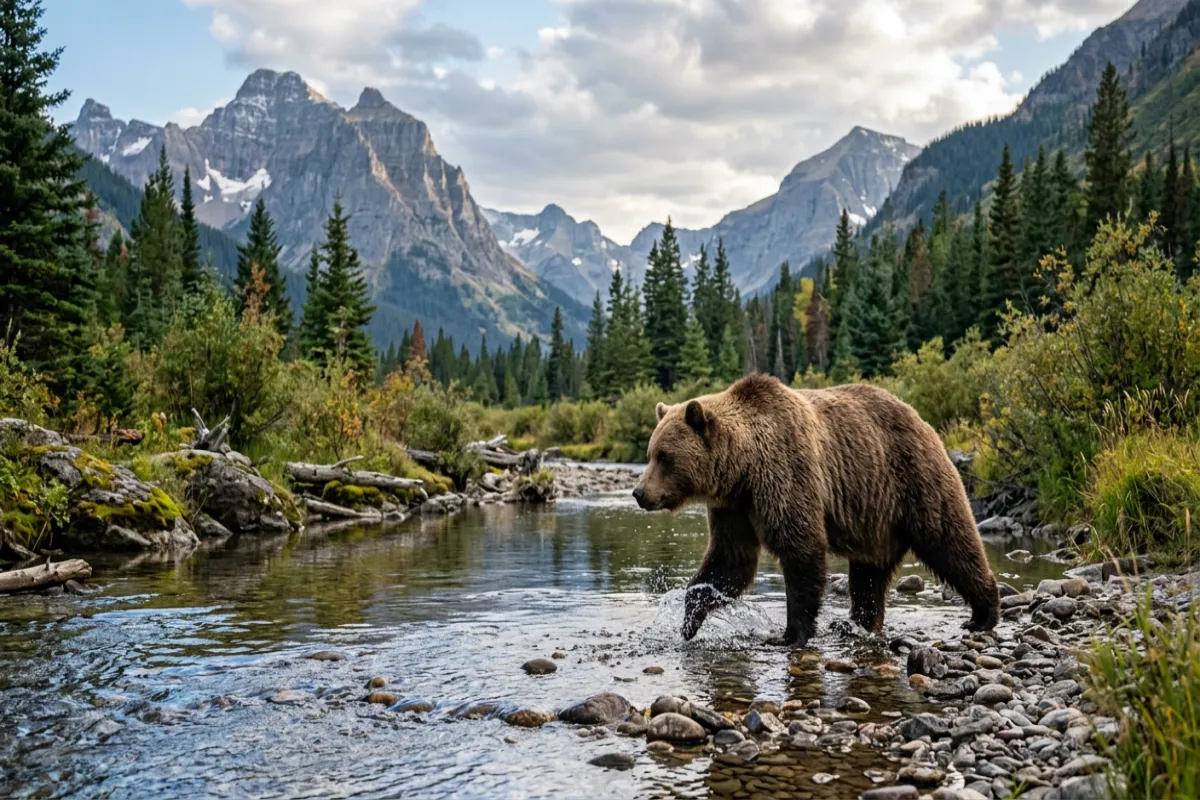
- Bears: Grizzly and black bears are present throughout Montana. Carry bear spray on all hikes (purchase in gateway towns for $30 to $50). Make noise on the trail. Store food properly at campsites (bear boxes provided)
- Going-to-the-Sun Road reservations: Timed vehicle entry reservations are required from late May through mid-September. Book on recreation.gov when they become available. Without a reservation, you can enter before 6 AM or after 3 PM (check current rules)
- Altitude: Many trails and passes exceed 6,000 to 8,000 feet. Drink water, pace yourself, and watch for altitude sickness symptoms
- Weather changes: Mountain weather shifts rapidly. Pack layers, rain gear, and warm clothing even in July. Snow is possible at high elevations in any month
- Wildlife distances: Stay 100 yards from bears and wolves, 25 yards from all other wildlife (bison, elk, moose). Bison injure more visitors than any other animal in Yellowstone
- Cell service: Limited to nonexistent in both national parks and rural areas. Download offline maps
- Gas: Fill up in towns. Gas stations are sparse in rural Montana, and distances between them can be 50 to 100 miles
Sample 10-Day Montana Itinerary
Days 1 to 4: Glacier National Park
Fly into Glacier Park International (FCA). Day 1: explore Whitefish, gear up, settle in. Day 2: drive Going-to-the-Sun Road. Hike Hidden Lake Overlook from Logan Pass. Stop at viewpoints across the Continental Divide. Day 3: Many Glacier area. Hike Grinnell Glacier or Iceberg Lake. Watch for bears. Day 4: Lake McDonald, Trail of the Cedars (easy boardwalk through old-growth cedar forest), Avalanche Lake hike (5.9 miles round trip).
Day 5: Drive to Yellowstone
Drive from Glacier to the Yellowstone area (5 to 6 hours). Stop in Helena or Great Falls for lunch. Arrive in Bozeman or West Yellowstone for the night. Explore downtown Bozeman if time allows.
Days 6 to 9: Yellowstone National Park
Day 6: Enter via north entrance (Gardiner). Mammoth Hot Springs, Lamar Valley for wildlife at dusk. Day 7: Grand Canyon of the Yellowstone, Hayden Valley wildlife viewing. Day 8: Upper Geyser Basin: Old Faithful, Grand Prismatic Spring, Biscuit Basin. Afternoon: hike Fairy Falls trail. Day 9: Morning wildlife drive in Lamar Valley. Afternoon: Beartooth Highway scenic drive (if coming from northeast entrance). Return to Bozeman.
Day 10: Departure
Explore Bozeman: Museum of the Rockies, Main Street shopping, brewery visit. Fly out of BZN.
Planning Your Montana Trip
Start building your custom itinerary with our free AI trip planner.
For more trip planning resources:
- Plan a Trip to Yellowstone
- Plan a Trip to Glacier National Park
- National Park Road Trip Planner
- Free Road Trip Itinerary Template
Frequently Asked Questions
What is the best time to visit Montana?
July to August for full access to both Glacier and Yellowstone (Going-to-the-Sun Road fully open, all trails accessible). September after Labor Day is the best-kept secret: fewer crowds, golden larch trees, and pleasant weather. December to March for skiing.
Do I need reservations for Going-to-the-Sun Road?
Yes. Timed vehicle entry reservations are required from late May through mid-September. Book on recreation.gov. Without a reservation, you can enter before 6 AM or after 3 PM (verify current rules for the year).
How far is Glacier from Yellowstone?
About 350 miles (5 to 6 hours of driving). Most travelers visit both parks in one trip with 3 to 4 days at each. The drive between them goes through scenic Montana countryside.
Do I need bear spray?
Absolutely. Grizzly and black bears are present throughout both parks and the surrounding wilderness. Carry bear spray on every hike and know how to use it. Purchase at gateway towns ($30 to $50). Do not fly with bear spray.
How expensive is Montana?
Moderate. Budget travelers can manage on $100 to $160 per day with camping and self-catering. Mid-range: $180 to $280 per day. Park lodges and guided fishing trips are the biggest expenses. National park entry is $35 per vehicle (or $80 annual pass).
Do I need a rental car?
Yes. Montana has no practical public transit between destinations. Distances are vast. A car is essential for both national parks and getting between them.
When does Going-to-the-Sun Road open?
Typically between mid-June and early July, depending on snowpack. It stays open until mid to late October. The exact dates vary each year. Check nps.gov/glac for current road status.
Can I see wolves in Montana?
Yes. Lamar Valley in Yellowstone is the best place in the Lower 48 to see wolves in the wild. Dawn and dusk are the best viewing times. Bring binoculars or a spotting scope. Wolf sightings are not guaranteed but are common for patient observers.
What is a dude ranch?
A guest ranch where visitors experience ranching life: horseback riding, cattle drives, fly fishing, and outdoor activities. Stays include meals and activities. Prices range from $200 to $500 per person per night (all-inclusive). A unique Montana experience.
What should I pack?
Layers for all conditions (mountain weather changes rapidly). Rain jacket, warm fleece or down jacket, hiking boots, bear spray, sunscreen, hat, and sunglasses. Pack for 30-degree temperature swings within a single day.