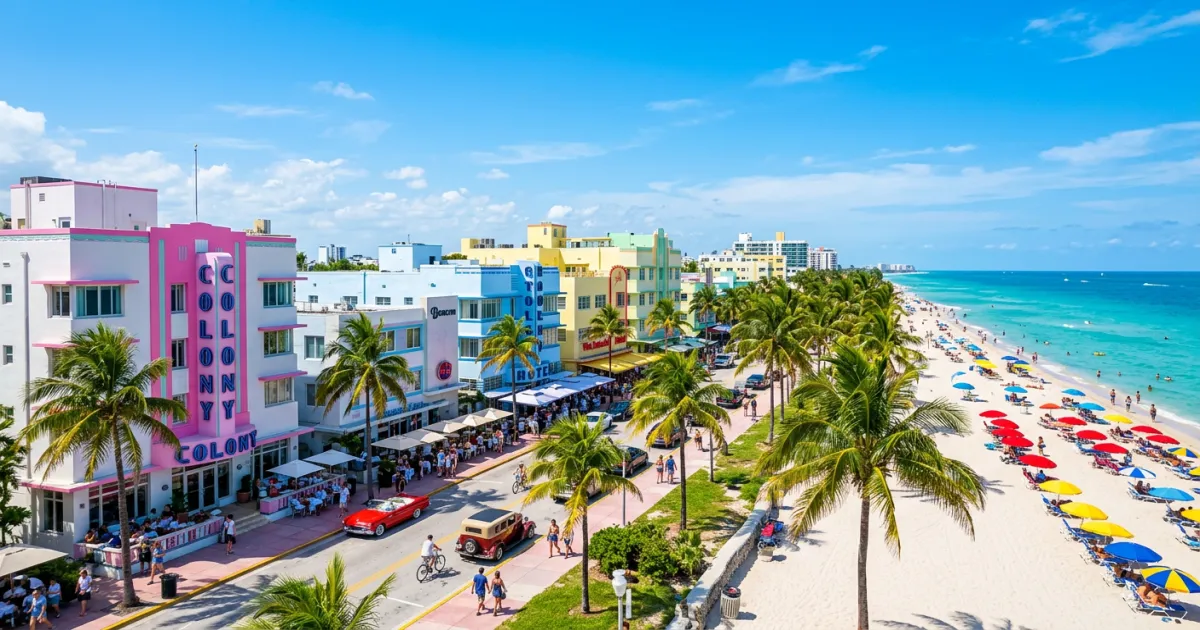
Miami is where Latin America meets the United States. The Art Deco architecture of South Beach, the Cuban coffee and dominoes of Little Havana, the street art of Wynwood, and the turquoise water along the coast create a city unlike any other in the country. Add a world-class nightlife scene, exceptional Cuban and Latin American food, and year-round warm weather, and you have one of the most vibrant destinations in the Americas. This guide covers everything you need to plan your trip. For a broader approach, see our step-by-step trip planning guide.
Key Planning Facts
- Location: Southeastern Florida, on the Atlantic coast
- Currency: US Dollar (USD)
- Language: English and Spanish (Miami is bilingual; over 70% of residents speak Spanish)
- Best months to visit: November to April (dry season, mild temperatures)
- Average daily budget: $120 to $300 per person depending on travel style
- Time zone: Eastern Time (ET)
- Airport: Miami International (MIA). Also Fort Lauderdale-Hollywood (FLL), 30 minutes north, often with cheaper fares
- Hurricane season: June 1 to November 30, peak August to October
Best Time to Visit Miami
Dry Season (November to April)
Peak season and the best overall time. Temperatures of 72 to 85 degrees Fahrenheit, low humidity, and minimal rain. December through March is the busiest and most expensive period, with hotel prices 30 to 50 percent higher than summer. Art Basel in December draws international crowds. February and March bring spring break crowds.
Shoulder Months (May and November)
Excellent value. Good weather, 15 to 25 percent lower hotel prices than peak season, and fewer crowds. May gets warm but rain has not fully started. November is when the dry season begins but hotels have not hit peak pricing yet.
Summer and Hurricane Season (June to October)
Hot and humid (85 to 92 degrees Fahrenheit) with daily afternoon thunderstorms. The lowest hotel prices of the year (some South Beach hotels drop 50 percent). Hurricane risk is the main concern, especially August to October. Travel insurance is recommended. Despite the heat, Miami is still a vibrant destination in summer.
How Long to Spend in Miami
3 days is the minimum to experience South Beach, Wynwood, and Little Havana. 5 days is ideal for a first visit, adding time for the beach, Key Biscayne, the Everglades, and deeper neighborhood exploration. A week lets you combine Miami with a Keys road trip.
Budget and Costs
Miami is moderately expensive by U.S. standards, with South Beach being the priciest area.
Daily Budget Ranges
- Budget: $90 to $160 per person per day. Hostels or budget hotels in Mid-Beach or downtown ($80 to $140 per night), Cuban food and casual dining, free beaches, Metromover
- Mid-range: $200 to $320 per person per day. Boutique hotels ($180 to $300 per night), restaurant dining, paid attractions, rideshare
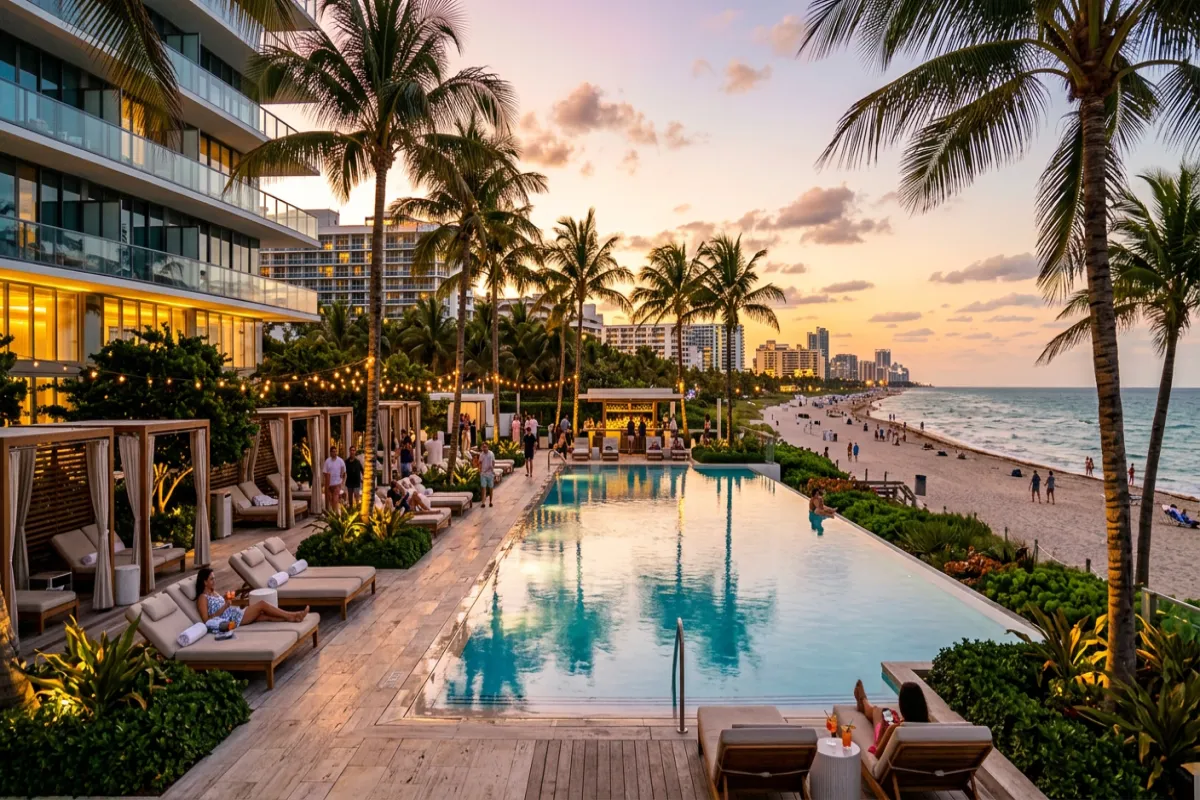
- Luxury: $400 and up per person per day. South Beach luxury hotels ($350 to $800 per night), fine dining, nightclub VIP, private boat tours
Key Costs
- Resort fees: Most Miami hotels add a mandatory resort fee of $25 to $55 per night, not included in advertised rates. Always check total cost before booking
- Beaches: Public beach access is free. Chair and umbrella rental: $20 to $40 per day on South Beach
- Metromover: Free. Automated train connecting Downtown, Brickell, and parts of Wynwood. One of the best free transit systems in the U.S.
- Meals: Cuban sandwich: $8 to $12. Cuban coffee (colada): $2 to $4. Casual lunch: $12 to $20. Restaurant dinner: $30 to $60. Cocktails: $15 to $25 at trendy bars, $7 to $12 at casual spots
- Nightlife: Club cover charges: $20 to $60. Some clubs have no cover if you arrive before midnight. Happy hour (typically 4 to 7 PM) offers 30 to 50 percent off drinks at many restaurants
- Vizcaya Museum: $25 per adult. A stunning Italian Renaissance-style villa and gardens on Biscayne Bay
Use our free travel budget template to plan your Miami expenses.
Getting There and Getting Around
Flying In
Miami International Airport (MIA) is 8 miles from South Beach with direct flights from most U.S. and Latin American cities. Fort Lauderdale-Hollywood Airport (FLL) is 30 minutes north and often has significantly cheaper fares, especially on budget carriers. Metrorail connects MIA to downtown ($2.25). Taxi to South Beach: about $35 flat rate. Rideshare: $20 to $30.
Getting Around
Metromover: Free elevated train covering Downtown and Brickell. Metrorail: Connects MIA, Coconut Grove, and Brickell ($2.25). Miami Beach Trolley: Free circulator on Miami Beach. Rideshare: Uber and Lyft are the easiest way to get between neighborhoods ($10 to $25 for most trips). Driving: Traffic is heavy. Parking on South Beach costs $4 to $7 per hour metered or $20 to $40 per day in garages. A car is useful for day trips (Everglades, Keys) but not necessary for the city.
Miami’s Neighborhoods
South Beach
The iconic Miami experience: Art Deco buildings in pastel colors, white sand beach, Ocean Drive restaurants, Lincoln Road pedestrian mall, and nightlife. The Art Deco Historic District has over 800 buildings from the 1920s to 1940s, the largest Art Deco collection in the world. Walk Ocean Drive at golden hour (sunset) for the best atmosphere.
Wynwood
Miami’s art district. Entire buildings covered in street murals, galleries, craft breweries, and trendy restaurants. Wynwood Walls is the centerpiece (a curated outdoor gallery of large-scale murals, free to view from the street). Best visited on weekday mornings for photos without crowds, or on the second Saturday of each month during Wynwood Art Walk.
Little Havana
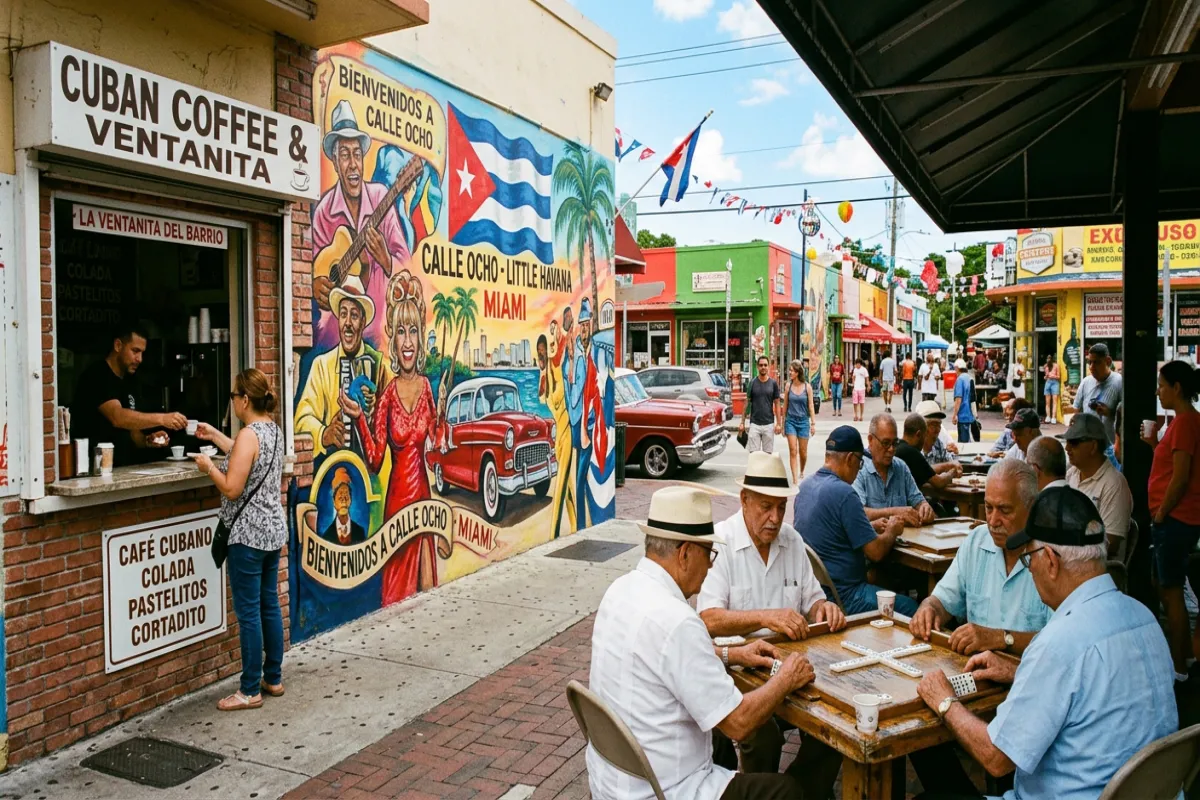
The heart of Miami’s Cuban community. Walk Calle Ocho (SW 8th Street) for cigar shops, domino parks (Maximo Gomez Park, also called Domino Park), Cuban bakeries, and live salsa music. Cuban coffee (a colada is a small cup of strong, sweet espresso for $2 to $4) is an essential experience.
Brickell
Miami’s financial district with a growing dining and nightlife scene. Sleek high-rises, waterfront restaurants, and Mary Brickell Village shopping center. Connected to Downtown by the free Metromover.
Coconut Grove
A leafy, relaxed neighborhood south of Brickell. CocoWalk shopping center, Vizcaya Museum and Gardens (one of Miami’s most beautiful sites), and waterfront parks. A quieter alternative to South Beach.
Design District
Luxury shopping (Dior, Louis Vuitton, Prada), contemporary art galleries, and architectural design. A smaller, more curated experience than the typical shopping mall.
Must-See Attractions and Experiences
Art Deco Historic District
Walk Ocean Drive and Collins Avenue in South Beach to see the world’s largest collection of Art Deco architecture. Buildings from the 1920s to 1940s in pastel pinks, blues, and greens. The Miami Design Preservation League offers guided walking tours. Best at sunset when the neon signs light up against the evening sky.
Wynwood Walls
An outdoor museum of international street art on a massive scale. Murals cover entire building facades. The main Walls complex has curated exhibitions; the surrounding streets have independent murals that change regularly. Free to view from the street (the enclosed Wynwood Walls garden charges entry for special exhibitions).
Vizcaya Museum and Gardens
A 1916 Italian Renaissance-style villa on Biscayne Bay. Elaborate gardens, European antiques, and waterfront views. One of Miami’s most beautiful and unique attractions. $25 per adult.
Everglades Day Trip
The Everglades are about 45 minutes west of Miami. Take an airboat tour to see alligators, wading birds, and the unique “river of grass” ecosystem. Half-day tours run $30 to $70 per person. Shark Valley (National Park Service) offers a 15-mile tram or bike loop. Our Florida guide has more details.
Key Biscayne
A barrier island 15 minutes from downtown with some of the best beaches in the Miami area. Crandon Park Beach is consistently ranked among the best urban beaches in the U.S. Bill Baggs Cape Florida State Park has a historic lighthouse and excellent snorkeling.
Little Havana Food Walk
Walk Calle Ocho and eat your way through: Cuban sandwiches, empanadas, plantain chips, guava pastries, and cortadito coffee. Watch cigar rollers at work. Join the locals at Domino Park. The experience is free (just pay for what you eat).
Food and Dining
Miami’s food scene is a fusion of Latin American, Caribbean, and Southern flavors.
- Cuban food: The Cuban sandwich (ham, roasted pork, Swiss cheese, pickles, mustard on pressed Cuban bread) is a Miami institution. Ropa vieja (shredded beef), croquetas, and tostones (fried plantains) are staples
- Ceviche: Fresh seafood cured in citrus juice. Available at Peruvian, Mexican, and Latin fusion restaurants across the city
- Stone crab: In season October to May. Stone crab claws are cracked and served cold with mustard sauce. A Miami delicacy
- Cuban coffee: Cortadito (espresso with steamed milk), colada (small cup of sweet strong espresso to share), and cafe con leche (coffee with milk). Available at walk-up windows called ventanitas throughout the city
- Latin fusion: Miami’s restaurants blend Colombian, Venezuelan, Brazilian, Peruvian, and Mexican cuisines with contemporary techniques. Brickell and Wynwood have the most innovative restaurants
- Haitian food: Little Haiti (north of Wynwood) has excellent Haitian restaurants: griot (fried pork), legume (vegetable stew), and plantains
Tipping: 18 to 20 percent at restaurants. Many Miami restaurants add an automatic 18 to 20 percent gratuity, especially in South Beach. Check your bill before adding more.
Safety and Practical Tips
- Safety: Tourist areas (South Beach, Wynwood, Brickell, Coconut Grove, Key Biscayne) are generally safe. Standard precautions in crowded areas. Avoid walking alone late at night in unfamiliar areas north of Wynwood and west of I-95
- Sun: Miami sun is strong year-round. Wear sunscreen (SPF 30+), a hat, and sunglasses even on cloudy days. Reapply after swimming
- Hydration: Heat and humidity cause dehydration fast. Carry water, especially when walking neighborhoods
- Hurricane season: June 1 to November 30 (peak August to October). Monitor weather forecasts. Travel insurance recommended for summer and fall trips
- Resort fees: Nearly universal at Miami hotels, $25 to $55 per night. Not included in advertised rates. Check total cost before booking
- Spanish: Spanish is spoken everywhere in Miami. You do not need Spanish, but basic phrases are helpful and appreciated, especially in Little Havana and ethnic neighborhoods
- Nightlife tips: Many clubs have free entry before midnight. Dress codes are enforced (no flip-flops, no tank tops for men at upscale venues). South Beach clubs often do not get busy until midnight or later
Sample 4-Day Miami Itinerary
Day 1: South Beach
Arrive at MIA or FLL. Head to South Beach. Walk the Art Deco Historic District on Ocean Drive and Collins Avenue. Afternoon: beach time (Lummus Park Beach). Walk Lincoln Road Mall for shopping and people-watching. Evening: dinner on Ocean Drive (people-watch from a sidewalk table), then explore South Beach nightlife.
Day 2: Wynwood and Little Havana
Morning: Wynwood Walls and surrounding street art (best light for photos in the morning). Coffee and brunch in Wynwood. Afternoon: take a rideshare to Little Havana. Walk Calle Ocho, Cuban coffee at a ventanita, watch domino players, browse cigar shops. Evening: dinner in Brickell or the Design District.
Day 3: Key Biscayne and Coconut Grove
Morning: drive or rideshare to Key Biscayne. Beach at Crandon Park or Bill Baggs Cape Florida State Park (lighthouse, snorkeling). Afternoon: Vizcaya Museum and Gardens in Coconut Grove. Walk CocoWalk. Evening: sunset drinks at a waterfront bar in Coconut Grove or Brickell.
Day 4: Everglades or Beach Day
Option A: Half-day Everglades airboat tour (leave early, back by lunch). Afternoon: last beach time, shopping. Option B: full beach day, water sports, or explore a neighborhood you missed. Depart from MIA.
Ready-Made Miami Itineraries
We have built day-by-day itineraries with activities, travel times, budgets, and local tips:
Or build a custom itinerary with our free AI trip planner.
More Planning Resources
Frequently Asked Questions
What is the best time to visit Miami?
November to April (dry season). Temperatures 72 to 85 degrees Fahrenheit, low humidity, minimal rain. May and November are excellent shoulder months with 15 to 25 percent lower prices. Avoid August to October (hurricane peak) unless you get a great deal.
How many days do I need in Miami?
3 days minimum for South Beach, Wynwood, and Little Havana. 5 days ideal for first-timers to add Key Biscayne, the Everglades, and deeper neighborhood exploration.
How expensive is Miami?
Moderately expensive. Budget $90 to $160 per day. Mid-range $200 to $320. Resort fees ($25 to $55 per night) add significantly to hotel costs. Cuban food and casual dining are excellent value. Many of the best experiences (beaches, Wynwood murals, Little Havana walking, Metromover) are free.
Do I need a car in Miami?
Not for the city. The free Metromover, Miami Beach Trolley, rideshare, and walking cover most tourist areas. A car is useful for the Everglades, Key Biscayne, and the Keys road trip.
What are resort fees?
Mandatory daily charges ($25 to $55) added by most Miami hotels on top of the room rate. They cover amenities like pool access and Wi-Fi. They are not included in the advertised rate on booking sites. Always check the total cost before reserving.
Is Miami safe?
Tourist areas (South Beach, Wynwood, Brickell, Coconut Grove, Key Biscayne) are generally safe. Standard precautions: be aware of surroundings, especially late at night. Avoid unfamiliar areas north of Wynwood and west of I-95 after dark.
Is South Beach the only beach?
No. Key Biscayne has some of the best beaches in the area (Crandon Park, Bill Baggs). North Beach (north of South Beach) is quieter and less crowded. Haulover Beach is popular with locals. South Beach is the most famous and lively.
Do I need to speak Spanish in Miami?
No, but it helps. Over 70 percent of Miami residents speak Spanish. English works everywhere in tourist areas. Basic Spanish phrases are appreciated in Little Havana and ethnic neighborhoods.
What is the nightlife like?
World-class. South Beach clubs are internationally known. Many have free entry before midnight. Dress codes enforced at upscale venues. Wynwood has a more relaxed bar and brewery scene. Happy hours (4 to 7 PM) offer 30 to 50 percent off drinks.
What should I pack?
Light, breathable clothing. Swimsuit. Sunscreen SPF 30+, hat, sunglasses. A going-out outfit for nightlife (dress codes exist at upscale clubs). A light rain jacket or umbrella (afternoon thunderstorms in summer). Comfortable walking shoes for neighborhoods.