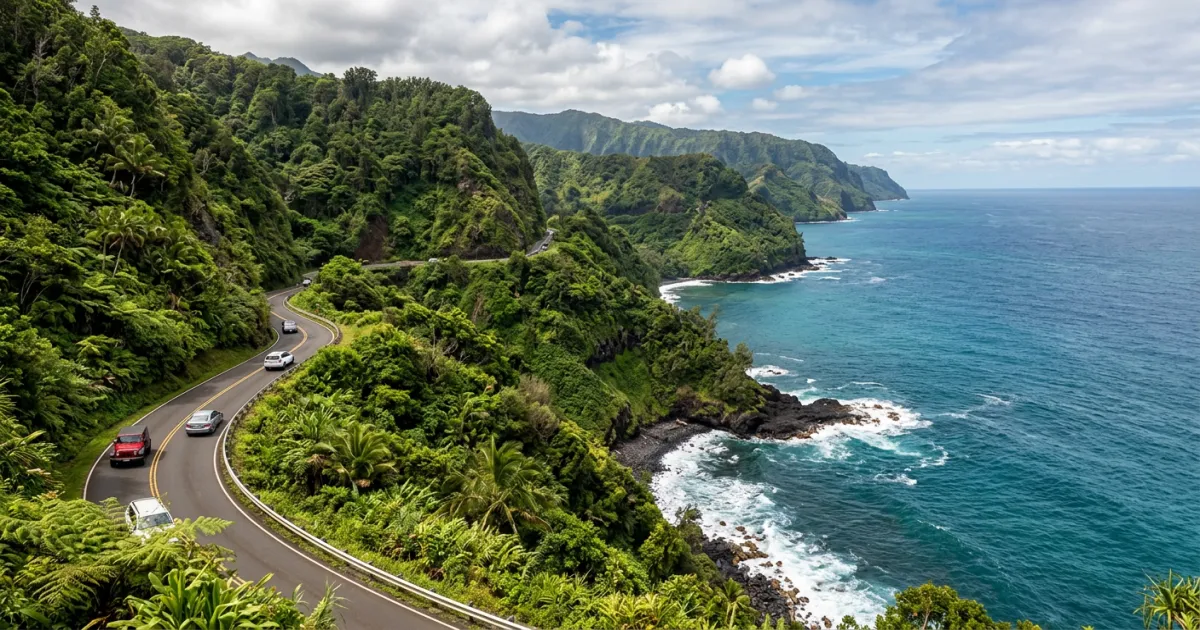
Maui is the island that seems to have everything: golden sand beaches, the winding Road to Hana through rainforest and waterfalls, the sunrise from atop a 10,000-foot volcano, world-class snorkeling with sea turtles, and whale watching from November through April. It is the most popular Hawaiian island for a reason, but it rewards travelers who get beyond the resort areas. This guide covers everything you need to plan your trip. For a broader approach, see our step-by-step trip planning guide and our Hawaii guide.
Key Planning Facts
- Location: Second-largest Hawaiian island, in the central Pacific Ocean
- Currency: US Dollar (USD)
- Language: English, Hawaiian
- Best months to visit: April to May and September to November
- Average daily budget: $150 to $400 per person (Maui is expensive)
- Time zone: Hawaii-Aleutian Time (HAST, UTC-10, no daylight saving)
- Airport: Kahului Airport (OGG), centrally located on the island
- Rental car: Essential. Public transit is limited. Book well in advance, especially for winter and summer
- Haleakala sunrise: Reservation required (recreation.gov). Book 60 days ahead. Free, but park entrance is $30 per vehicle
Best Time to Visit Maui
Shoulder Seasons (April to May and September to November)
The best overall time. May is widely considered Maui’s best month: dry season established, summer crowds not yet arrived, and the Road to Hana is manageable. September to November offers warm weather, fewer crowds, lower hotel prices, and the start of whale season (humpback whales arrive in November).
Winter/Whale Season (December to March)
Peak tourist season with the highest prices (especially December to February). Humpback whales migrate to Maui’s waters from November through April, with January to March being prime whale-watching months. You can often see whales from shore. Occasional rain, especially on the north and east coasts. Trade winds keep temperatures comfortable (75 to 82 degrees Fahrenheit).
Summer (June to August)
Warmest and driest weather (80 to 90 degrees Fahrenheit). Peak family travel season. Beaches are busy. Hotels and rental cars are expensive. Book months ahead. Great conditions for snorkeling and beach activities.
How Long to Spend on Maui
5 to 7 days is ideal. This gives you time for the Road to Hana (full day), Haleakala sunrise (half day), beach days, snorkeling, and exploring different parts of the island. A long weekend of 3 to 4 days is possible but feels rushed. A week or more lets you relax into the island pace and add a day trip to Molokini Crater for snorkeling.
Budget and Costs
Maui is one of the most expensive destinations in the U.S. Accommodation, rental cars, and food are all premium-priced.
Daily Budget Ranges
- Budget: $120 to $200 per person per day. Condo rental in Kihei ($100 to $170 per night, cook your own meals), food trucks, free beaches and hiking
- Mid-range: $250 to $400 per person per day. Hotels or condos ($200 to $350 per night), restaurant dining, snorkeling tours, rental car
- Luxury: $500 and up per person per day. Resort hotels in Wailea or Ka’anapali ($400 to $1,000+ per night), fine dining, private tours, helicopter rides
Key Costs
- Rental car: $80 to $150 per day (essential, book early). Jeeps and convertibles are popular for the Road to Hana but not required
- Haleakala National Park: $30 per vehicle (3-day pass). Sunrise reservation required (free, book 60 days ahead on recreation.gov)
- Snorkeling tour (Molokini): $120 to $200 per person (half day). Includes boat, snorkel gear, and often lunch
- Road to Hana: Free to drive. Some waterfalls and state parks along the route charge $5 to $10 entry
- Meals: Food truck plate lunch: $12 to $18. Casual restaurant: $20 to $35. Resort restaurant: $50 to $100. Grocery store (cook in a condo): significant savings
- Whale watching tour (seasonal): $40 to $80 per person (2 hours). December through April
Use our free travel budget template to plan your Maui expenses.
Getting There and Getting Around
Flying In
Kahului Airport (OGG) is the main airport with direct flights from the mainland U.S. (Los Angeles, San Francisco, Seattle, Denver, Phoenix, Dallas, and others). Flight time from the West Coast: about 5 to 6 hours. Inter-island flights connect Maui to Honolulu, Kona, and other islands.
Getting Around
A rental car is essential. Public transit (Maui Bus) exists but is limited and slow. Most visitors rent a car at the airport for their entire stay. Book well in advance (cars sell out during peak season). The island is about 48 miles long and 26 miles wide, but driving times are longer than distance suggests due to winding roads.
Maui’s Regions
West Maui (Ka’anapali, Lahaina area)
The traditional resort coast with long beaches, calm water, excellent snorkeling, and spectacular sunsets. Lahaina was severely damaged by the August 2023 wildfire. As of 2026, some areas are rebuilding. Check current conditions for Lahaina-specific visits.
South Maui (Kihei, Wailea, Makena)
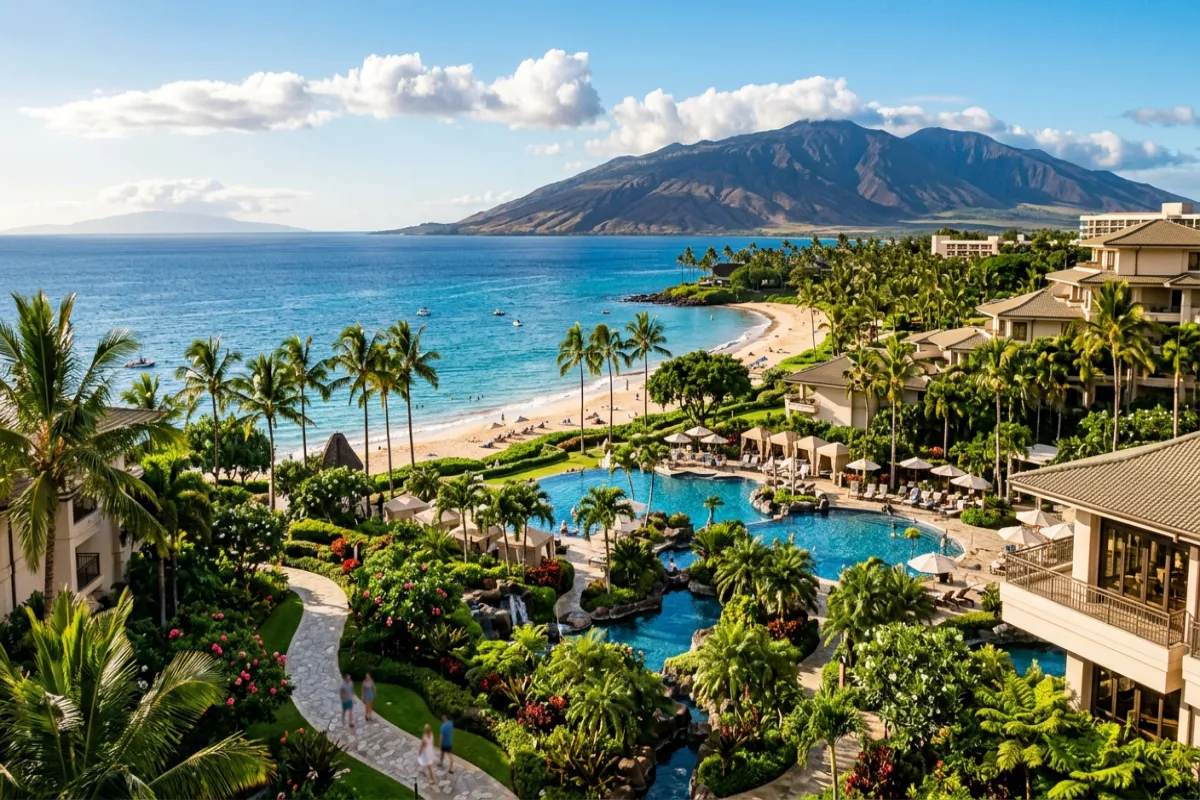
Kihei is the budget-friendly option with condos, food trucks, and casual restaurants. Wailea is the luxury resort area with manicured beaches and high-end hotels. Makena’s Big Beach is one of the best stretches of sand in Hawaii. Drier and sunnier than the north coast.
Central Maui (Kahului, Wailuku)
The airport area and the commercial center. Not a tourist destination, but Wailuku has local restaurants and shops at good prices. A practical stop for groceries and supplies.
Upcountry and Haleakala
The slopes of Haleakala volcano. Cool temperatures, lavender farms, vineyards, and the gateway to Haleakala National Park summit (10,023 feet). Kula and Makawao are charming small towns.
East Maui (Road to Hana)
The lush, rainy side of the island. The Road to Hana passes through rainforest, waterfalls, black sand beaches, and bamboo forests. Hana itself is a small, remote town at the end of the road.
Must-See Attractions and Experiences
Haleakala Sunrise
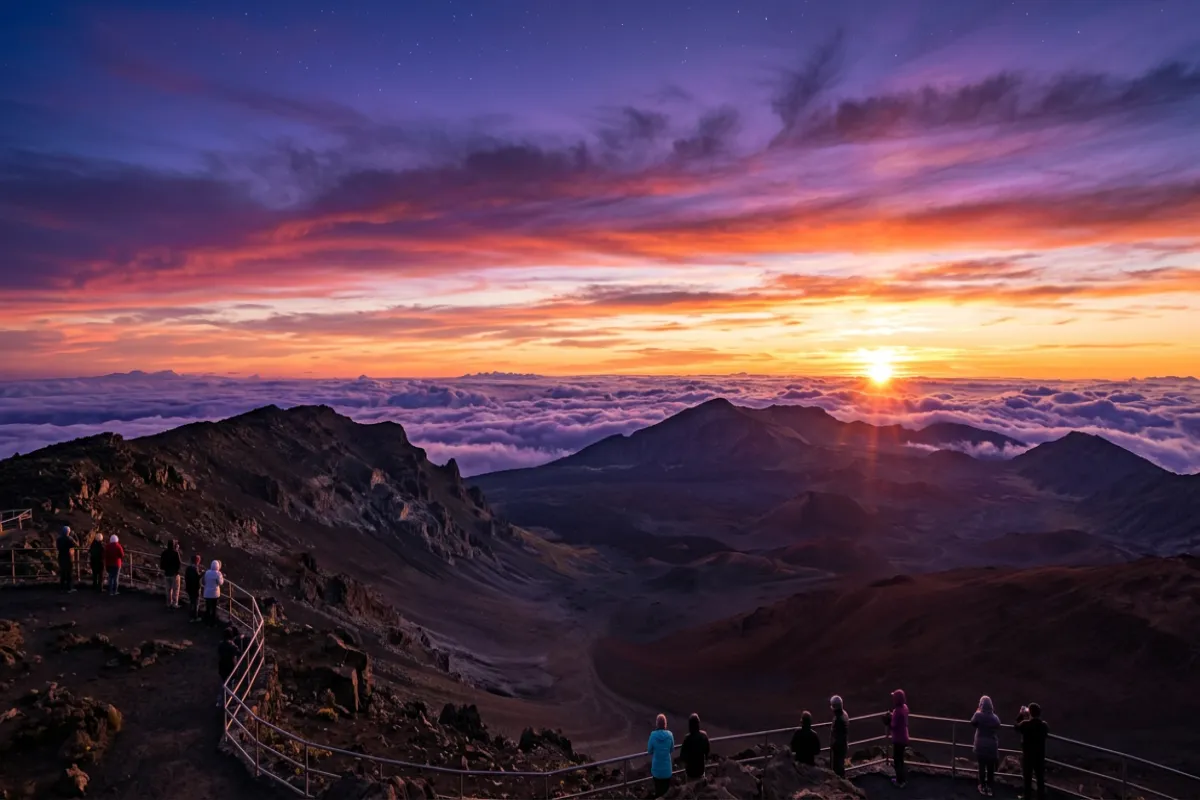
Drive to the summit of Haleakala (10,023 feet) before dawn to watch the sunrise above the clouds. One of the most dramatic sunrise experiences in the world. Temperatures at the summit can be 30 to 40 degrees cooler than sea level, so bring warm layers. A sunrise reservation is required through recreation.gov (book 60 days ahead, free). Park entrance: $30 per vehicle.
Road to Hana
A 64-mile drive along the northeast coast with 620 curves and 59 bridges, passing through rainforest, past waterfalls, and along dramatic sea cliffs. Key stops: Twin Falls (easy waterfall), Wai’anapanapa State Park (black sand beach, permit required), Wailua Falls, and Seven Sacred Pools (Ohe’o Gulch) in Haleakala National Park. Start early (by 7 AM) and allow a full day. The return via the southern “back road” is shorter but unpaved in sections.
Snorkeling at Molokini Crater
A partially submerged volcanic crater 3 miles offshore with crystal-clear water and abundant marine life. Boat tours depart from Ma’alaea Harbor (half day, $120 to $200). Morning trips have the calmest water and best visibility. One of the best snorkeling spots in Hawaii.
Whale Watching (Seasonal)
Humpback whales migrate to Maui’s warm waters from November through April. Peak months: January to March. Whale watching tours from Lahaina and Ma’alaea cost $40 to $80. You can often see whales breaching from shore, especially along the West Maui coast.
Snorkeling with Sea Turtles
Maluaka Beach in South Maui (nicknamed “Turtle Town”) is one of the best places to snorkel with Hawaiian green sea turtles. Free, no tour needed. Maintain a respectful distance (10 feet minimum, it is illegal to touch or harass sea turtles). Morning is best for calm water.
Beach Day at Ka’anapali or Big Beach
Ka’anapali Beach on the west coast has calm water, a paved beachfront walk, and easy access to resorts and restaurants. Big Beach (Makena State Park) on the south coast has one of the longest white sand beaches on Maui, large waves, and a less developed feel.
Food and Dining
- Plate lunch: The quintessential Hawaiian meal. Rice, macaroni salad, and a protein (kalua pork, teriyaki chicken, or fish). $12 to $18 at food trucks and casual spots
- Poke: Fresh raw fish (usually ahi tuna) marinated in soy sauce, sesame oil, and seaweed. Available at supermarket delis and poke shops. $12 to $18 for a poke bowl
- Shave ice: Hawaii’s version of a snow cone, with finely shaved ice and tropical syrups. Often topped with ice cream and condensed milk. $5 to $8
- Spam musubi: A rice ball wrapped in nori with a slice of grilled Spam. Sounds unusual, tastes great. Available at convenience stores for $2 to $3
- Farm-to-table: Maui’s upcountry farms supply excellent produce. Restaurants in Wailea and Paia feature local ingredients
- Food trucks: Found across the island, especially in Kihei and Paia. Offer the best value for plate lunches, garlic shrimp, acai bowls, and fish tacos
Tipping: 18 to 20 percent at sit-down restaurants, standard across the U.S.
Safety and Practical Tips
- Reef-safe sunscreen: Hawaii requires reef-safe sunscreen (no oxybenzone or octinoxate). This is state law. Buy reef-safe products before your trip or at local stores
- Ocean safety: Hawaii’s ocean can be powerful. Swim at beaches with lifeguards. Check surf conditions before entering the water. Rip currents, shore breaks, and large waves are serious hazards, especially on the north coast in winter
- Sea turtles: Hawaiian green sea turtles are protected. It is illegal to touch, feed, or harass them (fines up to $5,000). Maintain a 10-foot distance
- Road to Hana driving: The road is narrow, winding, and slow. Start early. Pull over for faster traffic. Drive time is about 2.5 hours each way without stops. Do not try to rush. Some rental car contracts prohibit the unpaved back road
- Sun: Tropical sun is intense, especially at Haleakala summit and on the water. Wear sunscreen, a hat, and sunglasses. Reapply after swimming
- Flash floods: Stream crossings on the Road to Hana can flood quickly during rain. Do not cross flooded streams. Check weather forecasts before hiking to waterfalls
- Respect sacred sites: Many natural and cultural sites on Maui are sacred to native Hawaiians. Follow all posted rules, stay on marked trails, and do not stack rocks (rock cairns damage natural areas)
Sample 6-Day Maui Itinerary
Day 1: Arrival and South Maui
Fly into Kahului (OGG). Pick up rental car. Drive to South Maui (Kihei or Wailea, 30 minutes). Afternoon: beach time at Kamaole Beach or Big Beach. Sunset: watch from the beach or a Wailea resort bar.
Day 2: Haleakala Sunrise
Pre-dawn drive to Haleakala summit (1.5 hours from South Maui, dress warmly). Watch the sunrise. Explore the summit crater and visitor center. Descend via upcountry Maui: stop in Kula (lavender farm) and Makawao (shops, bakery). Afternoon: rest or snorkel at Maluaka Beach (Turtle Town).
Day 3: Road to Hana
Start by 7 AM from Kahului or Paia. Key stops: Twin Falls, Waikamoi Ridge Trail, Wai’anapanapa State Park (black sand beach, permit required), Wailua Falls. Lunch in Hana. Continue to Seven Sacred Pools (Ohe’o Gulch). Return via the same road or the back road (check conditions and rental car policy). Full day.
Day 4: Snorkeling Day
Morning: Molokini Crater snorkeling tour (depart Ma’alaea Harbor, half day, $120 to $200). Afternoon: beach time. Evening: dinner in Wailea or Kihei.
Day 5: West Maui
Drive to West Maui (about 45 minutes from South Maui). Beach day at Ka’anapali. Walk the beachfront path. Afternoon: explore the Lahaina area (check current conditions for post-fire status). Snorkel at Black Rock (Ka’anapali). Sunset from the west coast.
Day 6: Final Beach Day and Departure
Morning: one more beach swim or snorkel. Stop at a food truck for a plate lunch. Drive to the airport. Fly home from OGG.
Planning Your Maui Trip
Start building your custom itinerary with our free AI trip planner.
For more trip planning resources:
Frequently Asked Questions
What is the best time to visit Maui?
April to May and September to November. May is widely considered the best month (dry, uncrowded). December to March is whale season and peak tourism (highest prices). Summer is hot, dry, and busy.
How many days do I need on Maui?
5 to 7 days ideal: Road to Hana (1 day), Haleakala sunrise (half day), snorkeling (1 day), beach days, and exploring. 3 to 4 days possible but rushed.
How expensive is Maui?
One of the most expensive U.S. destinations. Budget $120 to $200/day (condo + cooking). Mid-range $250 to $400. Condos with kitchens in Kihei save money on food. Food trucks offer the best dining value.
Do I need a rental car?
Yes. Essential for the Road to Hana, Haleakala, and exploring beyond your resort. Book well in advance (cars sell out in peak season). Public transit is very limited.
Do I need a reservation for Haleakala sunrise?
Yes. Free reservation through recreation.gov, required for sunrise entry (3 AM to 7 AM). Book 60 days ahead as they sell out. Park entrance: $30 per vehicle (3-day pass). Bring warm layers for summit temps.
What is the Road to Hana?
A 64-mile scenic drive with 620 curves and 59 bridges through rainforest, waterfalls, and coastal cliffs. Full day required. Start by 7 AM. Key stops: Twin Falls, black sand beach, Seven Sacred Pools. One of the best road trips in the U.S.
Where can I snorkel with sea turtles?
Maluaka Beach (Turtle Town) in South Maui. Free, no tour needed. Hawaiian green sea turtles are common. Stay 10 feet away (touching is illegal). Morning has calmest water.
When is whale season?
November through April. Peak: January to March. Humpback whales migrate to Maui’s warm waters. Tours from Lahaina and Ma’alaea ($40 to $80). You can often see whales breaching from shore.
Is Maui different from the other Hawaiian islands?
Yes. Maui is known for the Road to Hana, Haleakala, and excellent beaches. Oahu has Honolulu and Waikiki (more urban). Big Island has active volcanoes. Kauai is the most lush and least developed. Maui offers the best all-around balance.
What should I pack?
Light clothing, swimsuit, reef-safe sunscreen (required by law), hat, warm layers for Haleakala, water shoes for rocky beaches, snorkel gear (or rent), and a waterproof phone case for the Road to Hana.