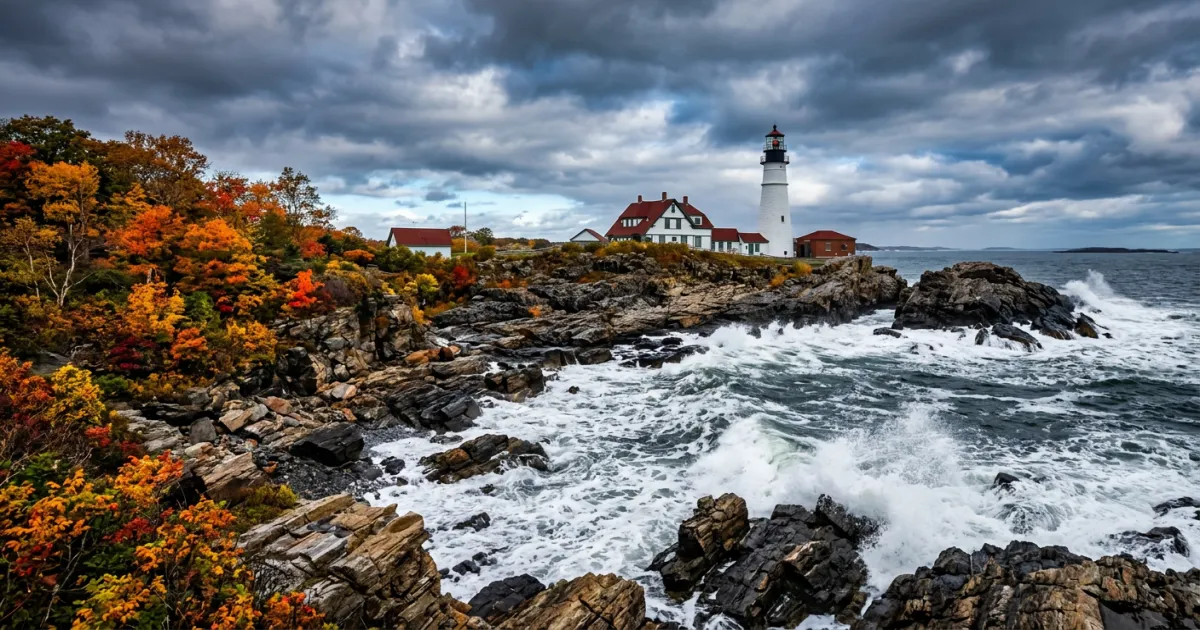
Maine’s rugged coastline, world-class seafood, and one of the most beautiful national parks in the eastern United States make it a destination that punches well above its weight. From the foodie haven of Portland to the granite cliffs and sunrise views of Acadia National Park, Maine delivers on scenery, culture, and lobster in equal measure. This guide covers everything you need to plan your trip. For a broader approach, see our step-by-step trip planning guide.
Key Planning Facts
- Location: Northeastern United States, New England coast
- Currency: US Dollar (USD)
- Language: English
- Best months to visit: June to October, with September being the sweet spot
- Average daily budget: $120 to $280 per person depending on travel style
- Time zone: Eastern Time (ET)
- Major airport: Portland International Jetport (PWM). Bangor International (BGR) for Acadia. Boston Logan (BOS) is 2 hours south of Portland
- Coastline: 3,478 miles (including islands and inlets), more than California
- State motto: Dirigo (“I Lead”)
Best Time to Visit Maine
Summer (June to August)
Peak season. July and August have the warmest weather (70 to 85 degrees Fahrenheit), the warmest ocean temperatures, and the longest days. Whale watching and puffin viewing are best from mid-June through August. This is the busiest and most expensive period, especially in Bar Harbor and along the coast. Book accommodation months in advance.
September to Mid-October (The Best Kept Secret)
Locals consider September after Labor Day the best time to visit. Crowds thin dramatically, prices drop, the weather stays warm (60 to 75 degrees Fahrenheit), and fall foliage begins in late September, peaking in mid-October. The ocean is still warm from summer. This is the ideal time for Acadia National Park.
Late Spring (May to Early June)
Cooler temperatures (50 to 65 degrees Fahrenheit). Some seasonal businesses and restaurants are just opening. Fewer crowds and lower prices. Wildflowers bloom. Good for hiking without the summer heat. Water is still cold for swimming.
Winter (November to March)
Cold (15 to 40 degrees Fahrenheit) with snow. Many coastal businesses and restaurants close for the season. Portland stays open and vibrant year-round. Ski resorts operate in western Maine. Accommodation prices are at their lowest.
How Long to Spend in Maine
A 5 to 7 day trip covers the highlights: 2 to 3 days in Portland and the southern coast, 2 to 3 days in the Bar Harbor and Acadia area, and a day for the Midcoast region (Camden, Rockland) in between. A long weekend of 3 to 4 days works if you focus on either Portland or Acadia. Two weeks lets you explore the entire coast from Kittery to Downeast Maine.
Budget and Costs
Maine is moderately to somewhat expensive in peak summer, particularly in Bar Harbor and Portland. Shoulder seasons offer significantly better value.
Daily Budget Ranges
- Budget: $100 to $160 per person per day. Budget motels or campgrounds ($40 to $80 per night), lobster shack meals, free hiking in Acadia
- Mid-range: $180 to $280 per person per day. B&Bs or hotels ($140 to $220 per night), restaurant dining, guided tours
- Luxury: $350 and up per person per day. Boutique inns or upscale hotels ($250 to $400 per night), fine dining, private boat charters
Key Costs
- Acadia National Park pass: $35 per vehicle (7-day pass). $30 per motorcycle. Annual pass: $70. Covers all park areas including Park Loop Road, Cadillac Mountain, and all trailheads
- Lobster: Lobster roll at a shack: $18 to $28. Whole lobster dinner at a restaurant: $30 to $55. Lobster from a wharf is 10 to 15 dollars cheaper than restaurants
- Whale watching tour: $55 to $75 per adult (3 to 4 hours)
- Lobster boat tour: $40 to $50 per adult
- Meals: Casual restaurant: $15 to $30. Fine dining in Portland: $50 to $100. Blueberry pie slice: $5 to $8
- Rental car: $50 to $90 per day. Essential for exploring beyond Portland. No practical public transit between coastal towns
Use our free travel budget template to plan your Maine expenses.
Getting There and Getting Around
Flying In
Portland International Jetport (PWM) has direct flights from many eastern U.S. cities and is the most convenient airport for southern Maine. Bangor International Airport (BGR) is closer to Acadia National Park (about 50 minutes to Bar Harbor). Boston Logan Airport (BOS) is about 2 hours south of Portland and often has cheaper fares.
Driving
A rental car is essential for a Maine coast trip. Interstate 95 runs through the state. US Route 1 follows the coast and is the scenic route, though slower. Portland to Bar Harbor is about 3.5 hours via I-95 and Route 1. Roads are well maintained but can be winding along the coast.
Island Explorer (Acadia)
The Island Explorer is a free shuttle bus system operating in Acadia National Park and the Bar Harbor area from late June through mid-October. It connects campgrounds, trailheads, beaches, and downtown Bar Harbor. It is the best way to avoid parking headaches in the park during peak season.
Where to Stay
Portland
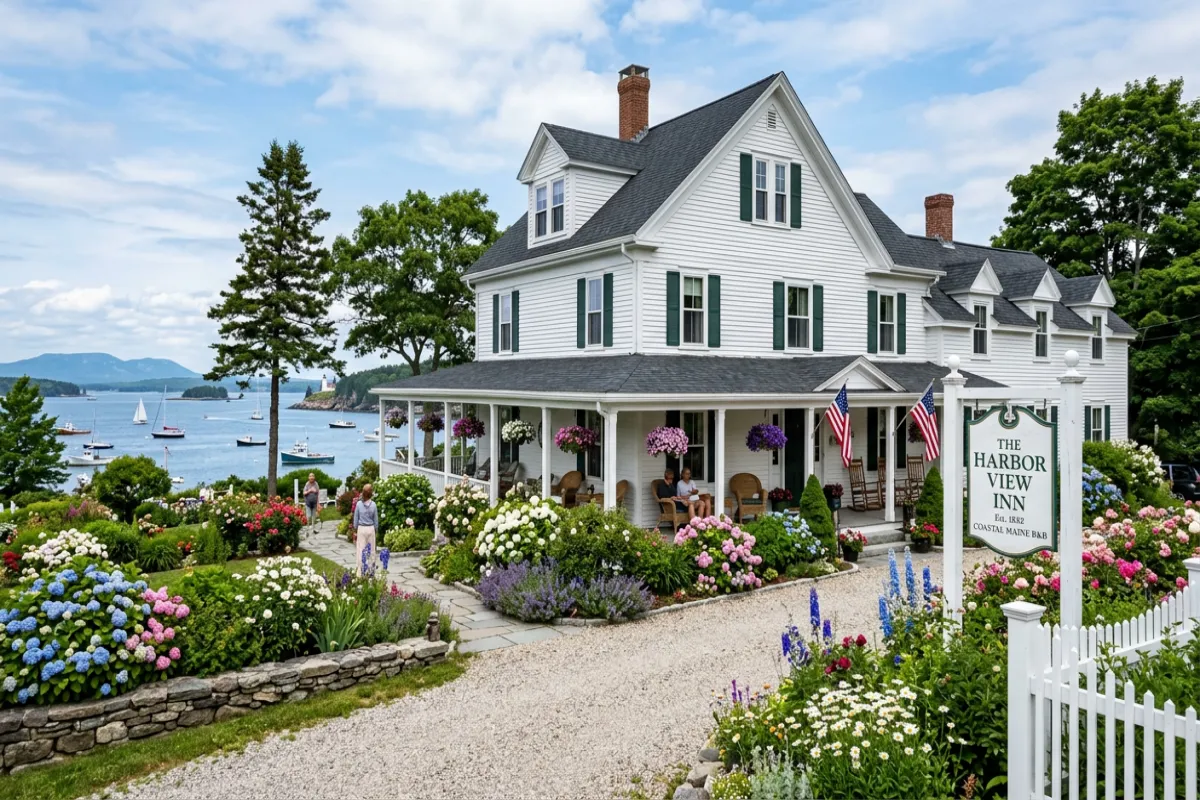
Maine’s largest city and a nationally recognized food destination. Stay in the Old Port district for walkable access to restaurants, breweries, and the waterfront. Munjoy Hill and the West End offer quieter neighborhoods close to downtown.
Bar Harbor
The gateway to Acadia National Park. Quaint downtown with restaurants, shops, and tour operators. Hotels and B&Bs fill up fast in July and August. Book 3 to 6 months ahead for peak summer. The town is walkable, and the Island Explorer shuttle connects to the park.
Midcoast (Camden, Rockland, Boothbay Harbor)
Charming coastal towns between Portland and Bar Harbor. Camden has a picturesque harbor and hiking trails (Camden Hills State Park). Rockland is known for the Farnsworth Art Museum and the Maine Lobster Festival (early August). Quieter and less crowded than Bar Harbor.
Camping in Acadia
Acadia has two campgrounds: Blackwoods and Seawall. Blackwoods is closer to Bar Harbor and requires reservations well in advance (opens 6 months before on recreation.gov). Seawall is first-come, first-served for some sites. Campsites run $30 to $36 per night.
Must-See Attractions and Experiences
Acadia National Park
One of the most visited national parks in the U.S. and the crown jewel of the Maine coast. Key experiences:
- Cadillac Mountain: At 1,532 feet, it is the highest point on the U.S. Atlantic coast. From October through early March, it is the first place in the United States to see the sunrise. Vehicle reservations are required for sunrise access from May to October (book on recreation.gov)
- Park Loop Road: A 27-mile scenic drive past Ocean Path, Sand Beach, Thunder Hole, and Otter Cliffs. Stop frequently for views and short walks
- Jordan Pond House: Famous for popovers (fluffy rolls served with butter and jam) and views of Jordan Pond. A Maine tradition since the 1890s
- Carriage Roads: 45 miles of car-free gravel roads built by John D. Rockefeller Jr. Perfect for biking, walking, and horse-drawn carriage rides. Bike rentals available in Bar Harbor
- Hiking: Over 120 miles of trails. The Precipice Trail is the most famous (and most challenging) with iron rungs and ladders up cliff faces. Gorham Mountain, Beehive Trail, and the Bubbles are excellent moderate options
Portland Food Scene
Portland was named Bon Appetit’s Restaurant City of the Year and has more restaurants per capita than nearly any U.S. city. The Old Port and surrounding neighborhoods offer everything from oyster bars and craft breweries to farm-to-table fine dining. The Portland food truck scene, especially on Middle Street, is excellent for casual meals.
Lighthouses
Maine has over 60 lighthouses. Portland Head Light (in Cape Elizabeth, 15 minutes from downtown Portland) is the most photographed lighthouse in the U.S. and was commissioned by George Washington in 1791. Bass Harbor Head Lighthouse in Acadia is another classic.
Whale Watching
Humpback whales, finback whales, and minke whales feed in the waters off the Maine coast from May through October. Tours depart from Bar Harbor and other coastal towns. Peak whale watching season is June through August. You may also spot puffins from mid-June through August near Machias Seal Island.
Lobster Experience
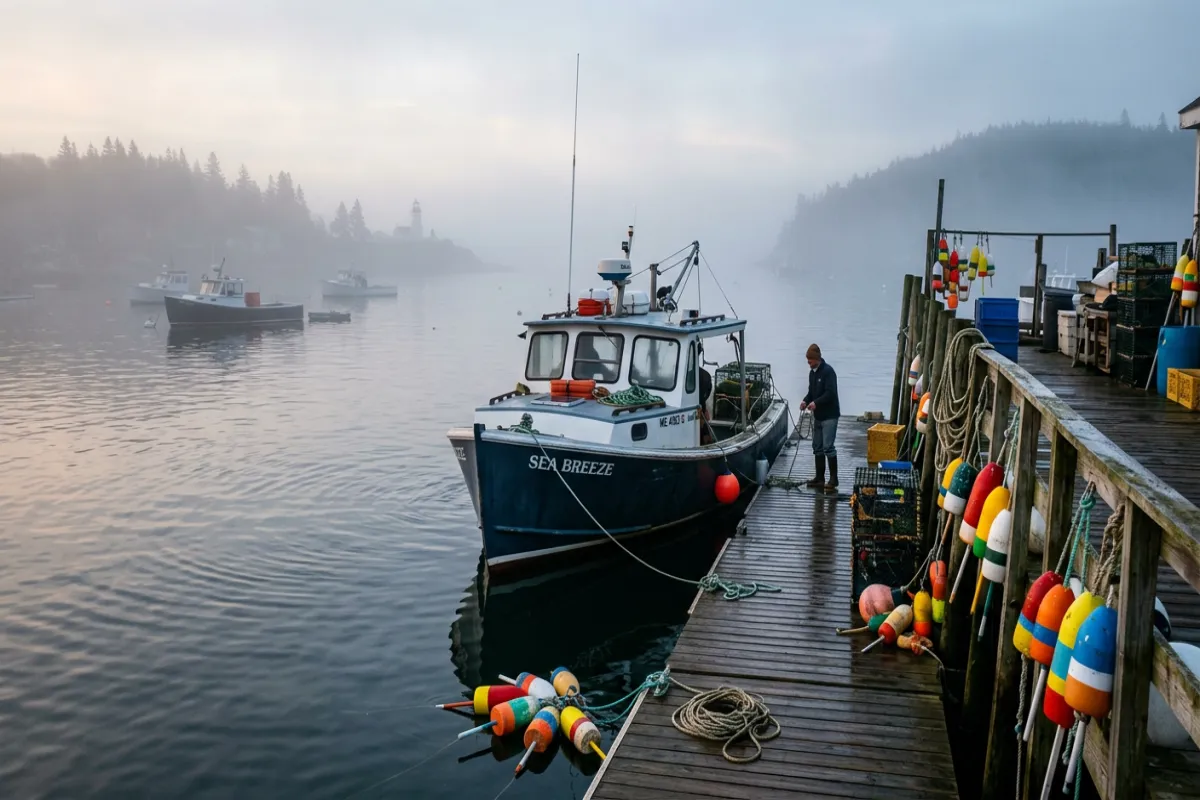
Eating lobster on the Maine coast is a rite of passage. For the most authentic experience, visit a lobster pound or wharf where you pick your lobster, it is boiled on site, and you eat at picnic tables overlooking the water. Lobster boat tours let you haul traps and learn about the lobster fishing industry.
Food and Dining
Maine’s food identity is built on fresh seafood, local farms, and a craft beverage scene that rivals cities many times its size.
- Lobster: Whole boiled lobster with drawn butter, lobster rolls (Maine-style: cold with mayo on a toasted split-top bun, or Connecticut-style: warm with butter). Available everywhere on the coast from May through October
- Clam chowder: New England-style (cream-based), served at nearly every coastal restaurant
- Blueberries: Maine produces 99 percent of the wild blueberries in the U.S. Blueberry pie, blueberry pancakes, and blueberry jam are ubiquitous
- Oysters: Maine oysters from the Damariscotta River are among the best on the East Coast. Portland has several excellent oyster bars
- Craft beer: Maine has over 150 craft breweries. Portland alone has dozens within walking distance, many with tasting rooms
- Whoopie pies: Maine’s official state treat. Two chocolate cake discs with cream filling. Found at bakeries statewide
Tipping: 18 to 20 percent at sit-down restaurants, standard across the U.S.
Safety and Practical Tips
- Safety: Maine is one of the safest states in the U.S. for travelers. Crime is very low, even in Portland
- Weather layers: Even in summer, mornings and evenings can be cool (50s to 60s Fahrenheit) on the coast. Pack layers and a windbreaker. Fog is common, especially in June and July
- Ticks: Deer ticks carrying Lyme disease are present throughout Maine. Use insect repellent, wear long pants when hiking through tall grass, and check for ticks after outdoor activities
- Ocean swimming: Atlantic water temperatures in Maine rarely exceed 65 degrees Fahrenheit, even in August. Sand Beach in Acadia is one of the few sand beaches and gets slightly warmer. Wetsuits are common for extended water activities
- Cadillac Mountain reservations: Vehicle reservations are required for sunrise access from May through October. Book on recreation.gov when they become available (typically 2 to 3 months before). Spots sell out quickly
- Cash: Some lobster shacks and roadside stands are cash only. Carry at least $50 in cash when visiting the coast
- Cell service: Coverage can be spotty in rural areas and along the coast, especially north of Bar Harbor. Download offline maps
- Moose: Moose are common in northern and inland Maine. Be cautious driving at dawn and dusk, especially on rural roads. Moose-vehicle collisions are a serious hazard
Sample 7-Day Maine Coast Itinerary
Days 1 to 2: Portland
Fly into Portland (PWM) or drive from Boston (2 hours). Day 1: Explore the Old Port district, walk the waterfront, eat oysters and lobster. Evening: brewery tour in the East Bayside neighborhood. Day 2: Morning visit to Portland Head Light in Cape Elizabeth. Afternoon: explore the Portland Museum of Art, shop on Congress Street. Evening: fine dining in the West End.
Day 3: Midcoast
Drive north along Route 1 to the Midcoast region (about 2 hours from Portland). Stop in Bath (maritime history), Boothbay Harbor (boat tours, coastal walks), or Camden (hike Mount Battie in Camden Hills State Park for harbor views). Lobster lunch at a wharf. Continue to Rockland for the Farnsworth Art Museum (Andrew Wyeth collection). Overnight in Camden or Rockland.
Days 4 to 6: Bar Harbor and Acadia National Park
Drive to Bar Harbor (about 2 hours from Camden). Day 4: Park Loop Road in Acadia. Stop at Sand Beach, Thunder Hole, Otter Cliffs, and Jordan Pond House for popovers. Day 5: Hike in Acadia (Precipice Trail for adventure, Gorham Mountain for moderate, or the carriage roads by bike for easy). Afternoon: explore Bar Harbor downtown, shops, and waterfront. Day 6: Cadillac Mountain sunrise (book vehicle reservation in advance). Morning whale watching or lobster boat tour. Afternoon: Bass Harbor Head Lighthouse.
Day 7: Departure
Morning: final lobster roll at a Bar Harbor shack. Drive to Bangor Airport (BGR, 50 minutes) or back to Portland (3.5 hours) for departure.
Planning Your Maine Trip
Start building your custom Maine itinerary with our free AI trip planner. Add destinations, set dates, and organize your days in minutes.
For more trip planning resources:
- Plan a Trip to Acadia National Park
- How to Plan a Trip on Google Maps
- Free Road Trip Itinerary Template
Frequently Asked Questions
What is the best time to visit Maine?
September after Labor Day is the best kept secret: warm weather, fewer crowds, lower prices, and the start of fall foliage. July and August have the warmest weather but the biggest crowds. June offers cheaper rates and longer days with fewer tourists.
How many days do I need in Maine?
5 to 7 days for a coast trip covering Portland and Acadia with stops in between. 3 to 4 days works for just Portland or just Bar Harbor/Acadia. 2 weeks for the full coastline from southern Maine to Downeast.
Do I need a rental car?
Yes. There is no practical public transit between Maine’s coastal towns. A car is essential for the coast drive. Within Acadia, the free Island Explorer shuttle reduces the need for driving in the park during summer.
How expensive is Maine?
Moderately expensive in peak summer, especially in Bar Harbor and Portland. Budget travelers can manage on $100 to $160 per day. Mid-range: $180 to $280. Prices drop 20 to 30 percent in September and October.
When is lobster season?
Lobster is available year-round, but the peak season is late June through December when catches are highest and prices are most competitive. Many lobster shacks and wharves are seasonal, operating from May through October.
Do I need reservations for Cadillac Mountain sunrise?
Yes. Vehicle reservations are required from May through October for sunrise access. Book on recreation.gov when reservations open (typically 2 to 3 months before your visit). Spots sell out quickly. Without a reservation, you can hike to the summit or visit later in the day.
How cold is the ocean in Maine?
Cold. Atlantic water temperatures rarely exceed 60 to 65 degrees Fahrenheit even in August. Sand Beach in Acadia is one of the warmest spots. Most people swim briefly or not at all. Wetsuits are common for kayaking and paddleboarding.
Is Maine safe?
Extremely safe. Maine consistently ranks as one of the safest states in the U.S. The main safety considerations are ticks (Lyme disease), moose on roads at dawn and dusk, and ocean conditions (cold water, tides, currents).
What is the Portland food scene like?
World-class. Portland has more restaurants per capita than almost any U.S. city and was named Bon Appetit’s Restaurant City of the Year. Specialties include oysters, lobster, farm-to-table dining, and craft beer (over 150 breweries in Maine).
What should I pack for Maine?
Layers are essential, even in summer (evenings are cool on the coast). A windbreaker or light jacket, comfortable hiking shoes, insect repellent (for ticks), sunscreen, and rain gear. Pack a swimsuit for beaches and lakes, but be prepared for cold ocean water.