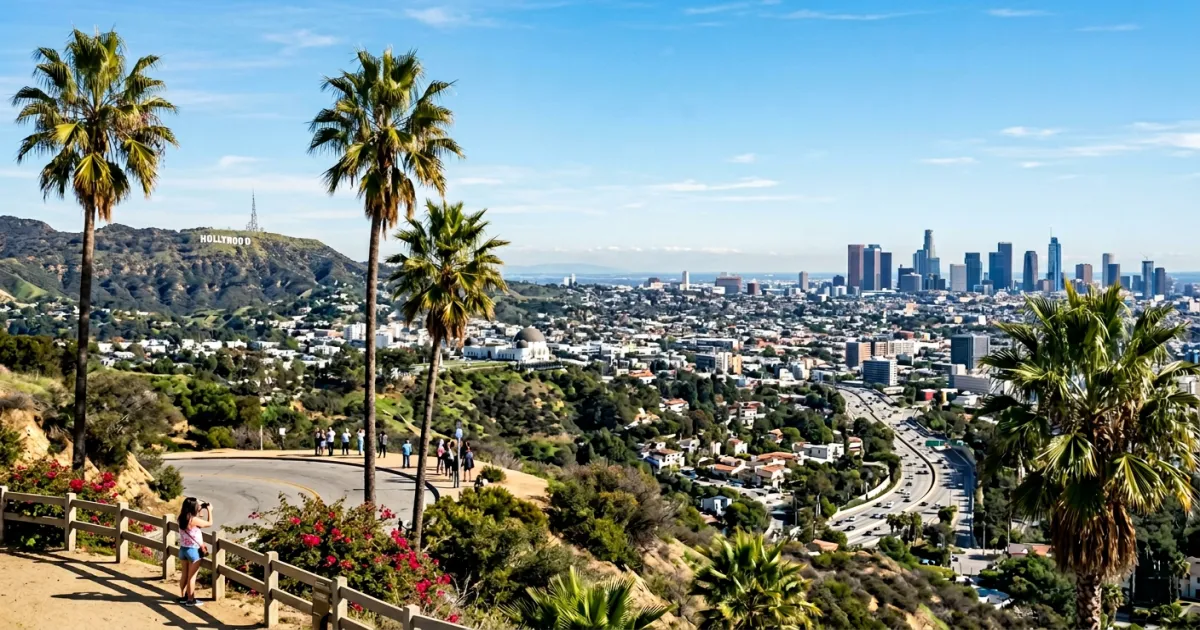
Los Angeles is less a single city and more a sprawling collection of neighborhoods, each with its own personality. The beach towns, Hollywood hills, ethnic food neighborhoods, world-class museums, and year-round sunshine create an experience unlike any other American city. The key to enjoying LA is choosing your neighborhoods wisely and not trying to see everything. This guide helps you plan a focused trip. For a broader approach, see our step-by-step trip planning guide.
Key Planning Facts
- Location: Southern California coast
- Currency: US Dollar (USD)
- Language: English (Spanish widely spoken)
- Best months to visit: April to June and September to October
- Average daily budget: $120 to $300 per person depending on travel style
- Time zone: Pacific Time (PT)
- Airport: Los Angeles International (LAX). Also Burbank (BUR, closer to Hollywood) and Long Beach (LGB)
- City size: Sprawling. LA County covers 4,751 square miles. Driving across the city can take 1 to 2 hours (longer in traffic)
- Traffic: Legendary. Plan activities by neighborhood to minimize driving. Avoid rush hour (7 to 9 AM, 4 to 7 PM) on freeways
Best Time to Visit Los Angeles
Late Spring (April to June)
The best time for most visitors. Warm and sunny (70 to 80 degrees Fahrenheit), with less coastal fog than early summer. Jacaranda trees bloom purple across the city in May. Moderate tourist crowds. Hotel prices are reasonable outside of holiday weekends.
Fall (September to October)
The warmest and clearest months in LA. Minimal fog, warm beach water, and fewer tourists than summer. September and October regularly reach 80 to 90 degrees Fahrenheit. This is when locals say the weather is at its best.
Summer (July to August)
Peak tourism season. Hot inland (90+ degrees Fahrenheit in the valleys) but cooler at the coast (75 to 80). “June Gloom” can bring overcast mornings to coastal areas through June and sometimes into July. Theme parks are busiest. Hotel prices peak.
Winter (November to March)
Mild by most standards (55 to 70 degrees Fahrenheit). Occasional rain, but many sunny days. The best hotel deals and lightest traffic. Great for museum-heavy trips. Mountains around LA may have snow, offering skiing within 2 hours of the beach.
How Long to Spend in Los Angeles
3 to 4 days covers the highlights: a beach day, Griffith Observatory and Hollywood, a museum, and a food-focused neighborhood. 5 to 7 days lets you explore multiple neighborhoods, add a theme park day, visit Malibu, and really dig into the food scene. LA is too large to rush. Pick 2 to 3 neighborhoods per day, grouped geographically.
Budget and Costs
Daily Budget Ranges
- Budget: $90 to $140 per person per day. Hostels or budget hotels ($80 to $120 per night), food trucks and casual eats, Metro transit, free beaches and museums
- Mid-range: $190 to $280 per person per day. Hotels in Santa Monica or Hollywood ($160 to $250 per night), restaurant dining, mix of Metro and rideshare, paid attractions
- Luxury: $400 and up per person per day. Boutique or luxury hotels ($300 to $600 per night), fine dining, private tours, VIP theme park passes
Key Costs
- Metro: $2 per ride, capped at $5 per day and $18 per week. Covers buses and rail. The Metro system has expanded significantly with the Expo and Purple lines
- Rideshare: $15 to $40 for most crosstown trips. Can surge during rush hour and events
- Rental car: $50 to $90 per day plus parking ($20 to $50 per day in popular areas). Useful but not required if you stay in walkable areas and use Metro/rideshare
- Universal Studios Hollywood: $109 to $149 per day. Express Pass: $199 to $339. Buy online for discounts
- Getty Center: Free admission (parking $20). One of the best free museums in the world
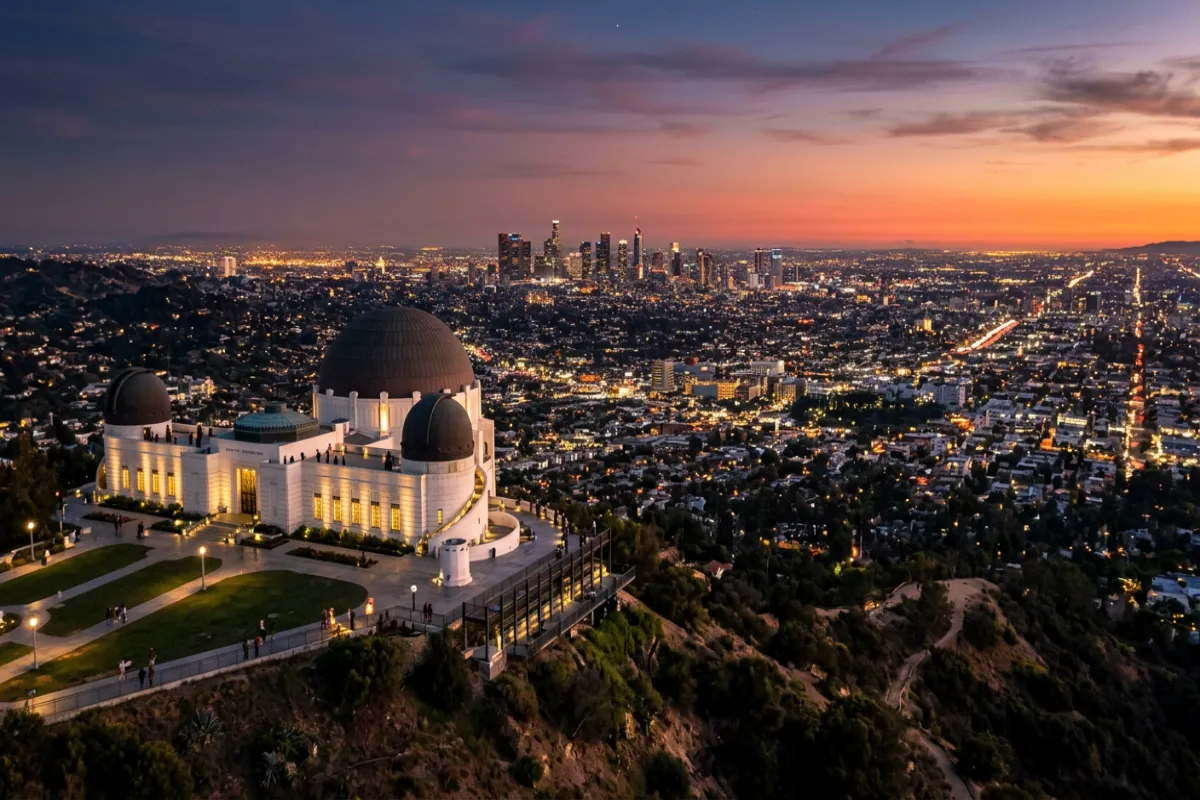
- Griffith Observatory: Free admission. Free parking is limited; take the DASH shuttle from the Metro Red Line
- Meals: Tacos from a street truck: $2 to $4 each. Casual restaurant: $15 to $25. Mid-range dinner: $30 to $50. Fine dining: $80 to $150
Use our free travel budget template to plan your LA expenses.
Getting There and Getting Around
Flying In
LAX is the main airport, served by nearly every airline. It is large and can be hectic. Hollywood Burbank Airport (BUR) is smaller, closer to Hollywood, and often faster to navigate. Long Beach Airport (LGB) is another option. FlyAway buses connect LAX to Union Station (about 45 minutes, $9.75).
Getting Around
LA is a car city, but you can navigate many tourist areas without one. The Metro rail system connects Hollywood, Downtown, Santa Monica, Long Beach, and other key areas. The Metro B Line (Red) goes to Hollywood and Universal City. The Metro E Line (Expo) connects Downtown to Santa Monica. Rideshare (Uber, Lyft) fills the gaps. Renting a car makes sense for Malibu, the Getty Villa, and day trips, but parking costs add up.
LA’s Neighborhoods
Santa Monica and Venice Beach
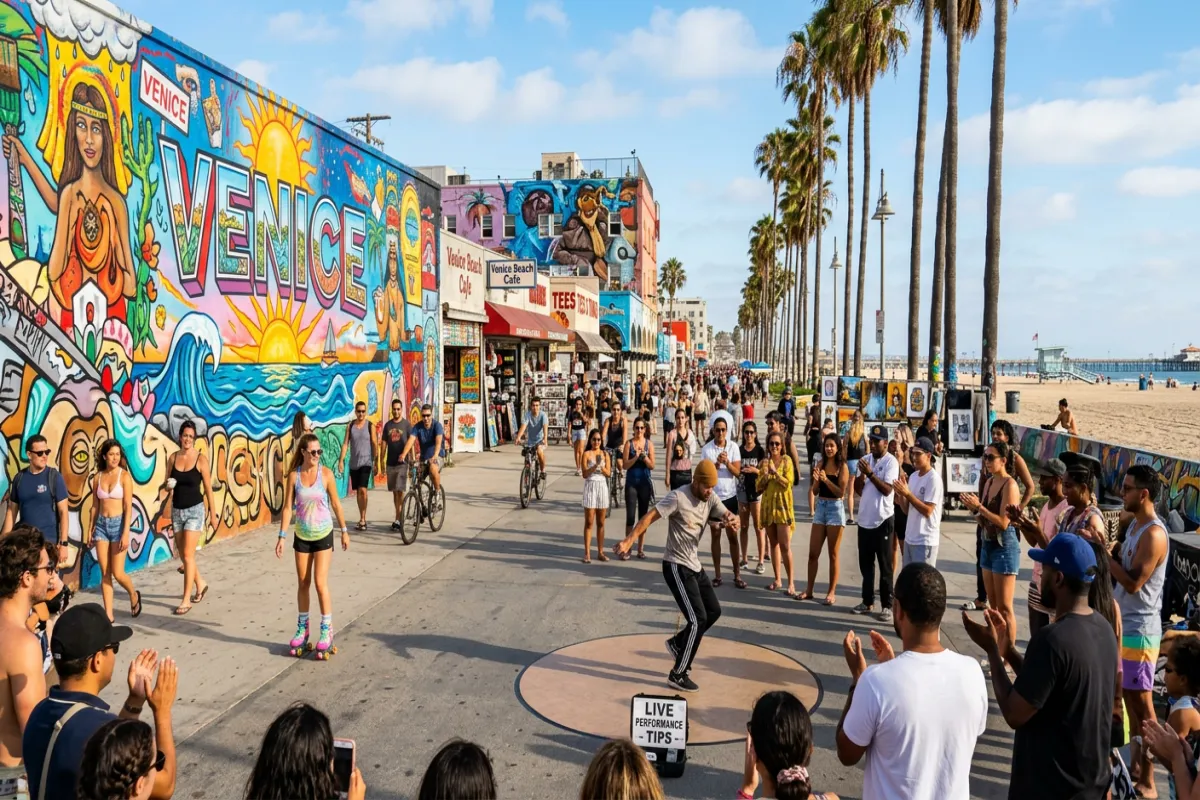
The iconic beach boardwalk experience. Santa Monica Pier (Ferris wheel, arcade, ocean views), Third Street Promenade (shopping and dining), and Venice Beach Boardwalk (street performers, Muscle Beach, murals). The Abbot Kinney neighborhood in Venice has some of the best boutique shopping and restaurants in LA.
Hollywood and West Hollywood
Hollywood Walk of Fame, TCL Chinese Theatre (celebrity handprints), and the Hollywood Sign (visible from Griffith Observatory, or hike to it). West Hollywood (WeHo) has the Sunset Strip, nightlife, and a vibrant LGBTQ+ scene.
Downtown LA (DTLA)
A revitalized area with The Broad museum (free, book timed tickets), Grand Central Market (food hall since 1917), Walt Disney Concert Hall, Arts District (galleries and coffee shops), and Little Tokyo. DTLA has transformed dramatically in recent years.
Silver Lake and Los Feliz
Hip neighborhoods at the base of the Griffith Park hills. Independent coffee shops, vintage stores, and some of the best casual restaurants in the city. Griffith Observatory and Griffith Park (one of the largest urban parks in the U.S.) are accessible from here.
Koreatown
The best Korean food outside of Korea. Korean BBQ, karaoke (noraebang), spas (jjimjilbang), and nightlife. Affordable dining with excellent meals for $10 to $20. Central location near the Metro.
Malibu
About 30 miles northwest of Santa Monica along the Pacific Coast Highway. Dramatic cliffs, beach coves, and celebrity estates. Zuma Beach and El Matador State Beach are the most scenic. The Getty Villa (Roman art museum, free admission) is on the way.
Must-See Attractions and Experiences
Griffith Observatory
Free admission. Panoramic views of the Hollywood Sign, downtown LA, and the Pacific Ocean on clear days. Planetarium shows ($7). Best at sunset. Take the DASH shuttle from the Metro Red Line Vermont/Sunset station to avoid parking issues.
The Getty Center
A world-class art museum with free admission (parking $20). Stunning architecture by Richard Meier, gardens, and collections spanning medieval to contemporary art. Views over LA from the hilltop campus. Plan 2 to 3 hours.
The Broad
A contemporary art museum in DTLA with free general admission (book timed tickets online). Works by Jeff Koons, Jean-Michel Basquiat, Andy Warhol, and the famous Yayoi Kusama Infinity Mirrored Rooms (separate ticket).
Santa Monica Pier
The end of Route 66. A classic California pier with a Ferris wheel, carousel, arcade, and ocean views. Walk south to the beach or north toward the Palisades. Best at sunset.
Hiking
LA has surprisingly excellent hiking. Runyon Canyon (Hollywood, 3.5-mile loop with city views), Griffith Park (multiple trails, including to the Hollywood Sign), Temescal Gateway Park (Pacific Palisades), and the Hollywood Sign via Brush Canyon Trail. Hike early to beat the heat.
Food Trucks and Grand Central Market
LA’s food truck scene is the best in the country. Follow trucks on social media for locations. Grand Central Market in DTLA has been operating since 1917 with stalls serving everything from egg sandwiches to Thai food to tacos to oysters.
Food and Dining
LA’s food scene reflects its diversity. It is arguably the most diverse food city in the United States.
- Tacos: LA has the best Mexican food in the U.S. Street tacos ($2 to $4 each) from trucks in East LA, Boyle Heights, and across the city. Al pastor, carne asada, birria tacos
- Korean BBQ: Koreatown has dozens of KBBQ restaurants. Grill marinated meats at your table. $15 to $30 per person for all-you-can-eat
- Sushi: LA has an exceptional sushi scene, from high-end omakase to affordable sushi bars in the South Bay and Sawtelle Japantown
- In-N-Out Burger: The California fast-food icon. Fresh, simple, affordable. Order “animal style” for the signature preparation
- Thai food: Thai Town in East Hollywood has the most authentic Thai food outside of Thailand
- Armenian and Middle Eastern: Glendale and the surrounding area have excellent Armenian, Lebanese, and Persian restaurants
- Farmers markets: The Hollywood Farmers Market (Sundays) and Santa Monica Farmers Market (Wednesdays and Saturdays) are among the best in the country
Tipping: 18 to 20 percent at sit-down restaurants. Tip food truck vendors $1 to $2.
Safety and Practical Tips
- Safety: Tourist areas (Santa Monica, Hollywood, Beverly Hills, DTLA) are generally safe during the day. Exercise standard big-city caution at night, especially in Hollywood and DTLA. Keep valuables out of sight in your car
- Traffic: Avoid driving on freeways between 7 to 9 AM and 4 to 7 PM. Plan activities by neighborhood to minimize driving. Use Waze or Google Maps for real-time traffic routing
- Parking: Read street signs carefully. LA parking enforcement is aggressive. Many streets have restricted hours, permit zones, and street cleaning schedules. Metered parking and garages are the safest options
- Sun: Wear sunscreen daily, even in winter. LA sun is deceptively strong. Stay hydrated
- Beach safety: Swim near lifeguard towers. Rip currents are common. Check conditions at beaches before swimming
- Hiking safety: Start early to avoid heat. Bring more water than you think you need. Rattlesnakes are present on trails. Stay on marked paths
Sample 5-Day Los Angeles Itinerary
Day 1: Santa Monica and Venice
Fly into LAX. Head to Santa Monica. Walk the pier, rent bikes on the beach path, explore Third Street Promenade. Afternoon: Venice Beach boardwalk, Abbot Kinney Boulevard for shopping and coffee. Sunset at the pier.
Day 2: Hollywood and Griffith Park
Morning: Hollywood Walk of Fame, TCL Chinese Theatre. Afternoon: Griffith Observatory (hike or take the DASH shuttle). Views of the Hollywood Sign and the city. Evening: dinner in Los Feliz or Silver Lake.
Day 3: DTLA and Arts
Morning: The Broad (book free tickets in advance). Walk to Grand Central Market for lunch. Afternoon: Arts District (coffee, galleries, murals), Little Tokyo. Evening: rooftop bar in DTLA.
Day 4: Malibu and the Getty
Drive or rideshare to Malibu. Morning at El Matador State Beach (sea caves, rock formations). Drive the Pacific Coast Highway. Stop at the Getty Villa (free, reserve timed tickets). Afternoon: Getty Center (free). Evening: dinner in Koreatown (Korean BBQ).
Day 5: Theme Park or Neighborhood Day
Option A: Universal Studios Hollywood (full day). Option B: explore neighborhoods you missed: Pasadena (Norton Simon Museum, Old Town), Long Beach (Aquarium of the Pacific, Queen Mary), or a deeper dive into the food scene. Depart from LAX.
Ready-Made Los Angeles Itineraries
We have built day-by-day itineraries with activities, travel times, budgets, and local tips:
Or build a custom itinerary with our free AI trip planner.
More Planning Resources
Frequently Asked Questions
What is the best time to visit Los Angeles?
April to June and September to October. Warm, sunny, less crowded than summer. September and October are the warmest and clearest months. “June Gloom” can bring overcast mornings to the coast through early summer.
How many days do I need in LA?
3 to 4 days for highlights (beaches, Griffith Observatory, a museum, food). 5 to 7 days to explore multiple neighborhoods and add a theme park. Group activities by neighborhood to minimize driving.
Do I need a car in Los Angeles?
Not strictly, if you stay in walkable areas (Santa Monica, DTLA, Hollywood) and use Metro and rideshare. A car is helpful for Malibu, the Getty Villa, and moving between distant neighborhoods. Parking costs $20 to $50 per day in popular areas.
How expensive is LA?
Moderate to expensive. Budget travelers $90 to $140 per day. Mid-range $190 to $280. Many top attractions are free (Getty Center, Griffith Observatory, beaches). Food trucks offer great meals for $5 to $15. Hotels are the biggest expense.
What are the best free things to do?
Griffith Observatory, The Getty Center, The Broad (timed tickets), beaches (Santa Monica, Venice, Malibu), hiking (Runyon Canyon, Griffith Park), Grand Central Market (window-shopping), and people-watching on Venice Beach boardwalk.
Is LA safe?
Tourist areas are generally safe during the day. Standard precautions at night, especially in Hollywood and parts of DTLA. Keep valuables hidden in cars (break-ins are common at beaches and trailheads). Stay aware of your surroundings on public transit late at night.
How bad is the traffic?
Legendary. Rush hours (7 to 9 AM, 4 to 7 PM) can double or triple travel times. Plan activities by neighborhood. Use Metro or rideshare to avoid freeway traffic. Weekend mornings are the best driving times.
What is the food scene like?
One of the most diverse in the world. Exceptional Mexican (street tacos), Korean (Koreatown BBQ), Japanese (sushi, ramen), Thai, Armenian, and farm-to-table California cuisine. Best value: food trucks and ethnic neighborhood restaurants ($5 to $15 meals).
Is the Metro useful for tourists?
Increasingly yes. The Metro connects Hollywood, DTLA, Santa Monica (Expo Line), Universal City (Red Line), and Long Beach. $2 per ride, capped at $5 daily. Not as comprehensive as New York or Chicago transit, but covers major tourist areas.
What should I pack?
Casual, layered clothing (mornings can be cool at the coast). Sunscreen, sunglasses, comfortable walking shoes. A light jacket for evening. Hiking shoes if you plan trails. LA is casual; you rarely need to dress up.