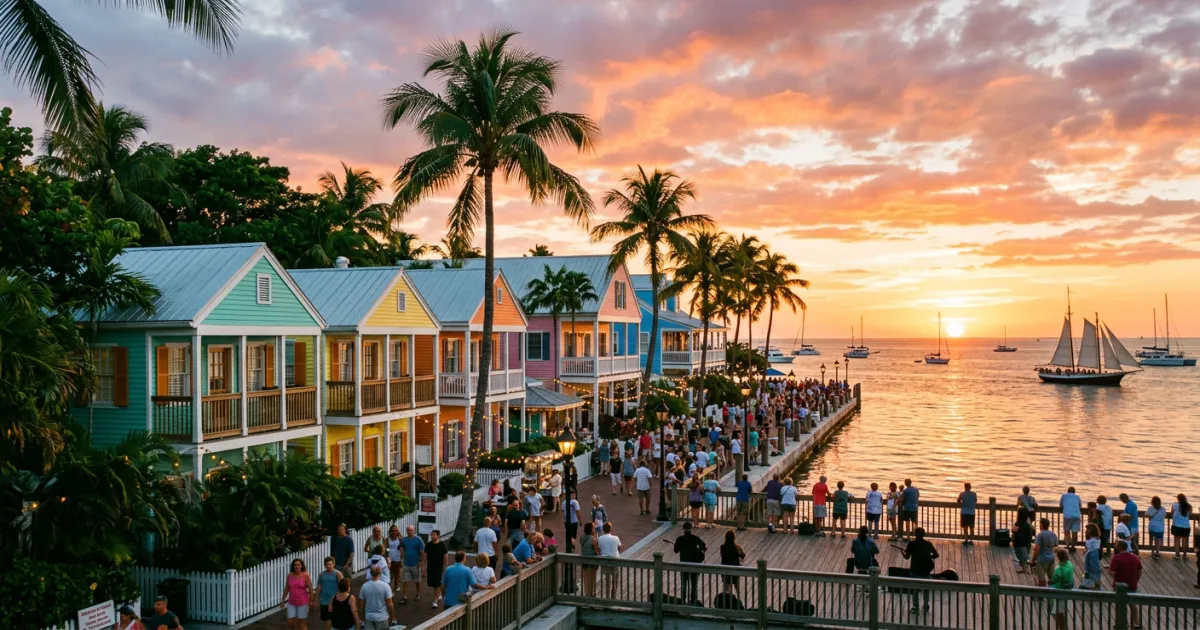
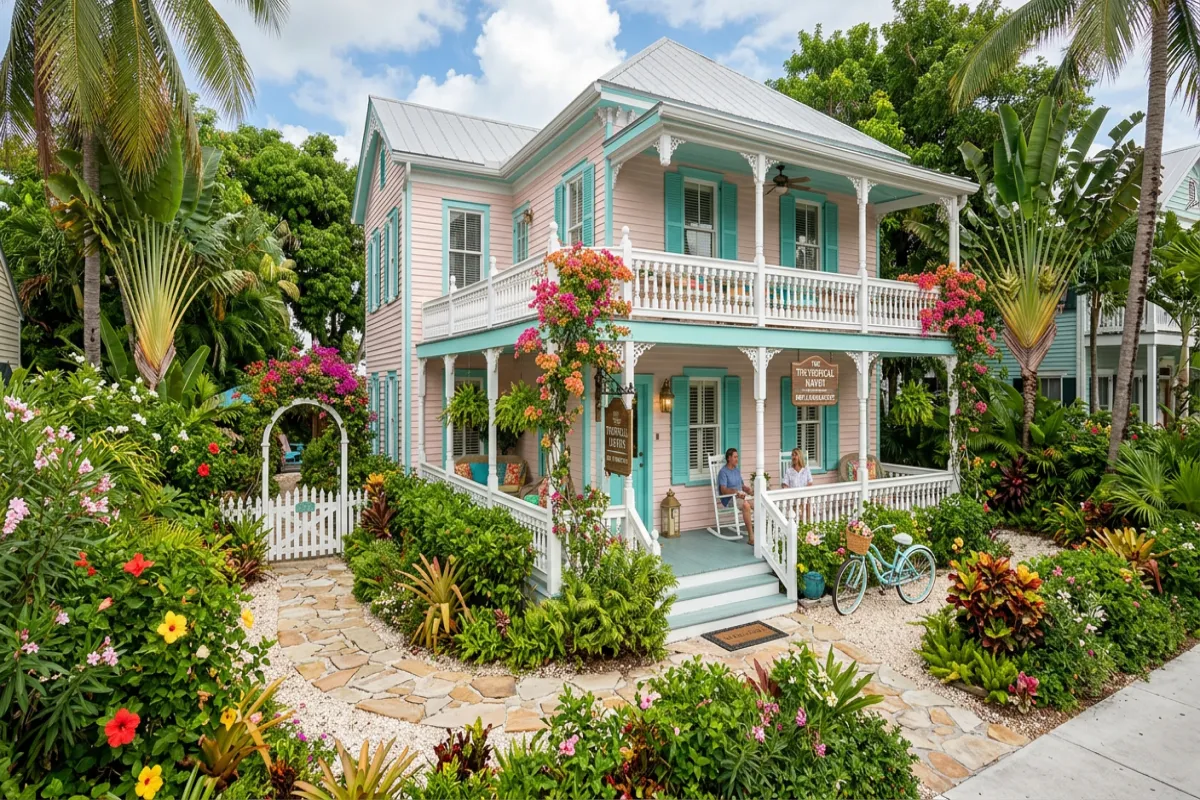
Key West is the end of the road, literally. The southernmost point in the continental United States sits 160 miles from Miami at the tip of the Florida Keys, closer to Cuba than to the Florida mainland. This 2-by-4-mile island has an outsized personality: historic homes where Hemingway wrote, nightly sunset celebrations at Mallory Square, colorful Victorian architecture, the only living coral reef in the continental U.S., and a “live and let live” attitude that has attracted artists, writers, and free spirits for over a century. This guide covers everything you need to plan your trip. For a broader approach, see our step-by-step trip planning guide.
Key Planning Facts
- Location: Southernmost point of the continental U.S., at the end of the Florida Keys chain
- Currency: US Dollar (USD)
- Language: English
- Best months to visit: March to May (best value with great weather) or January to February (driest, clearest)
- Average daily budget: $120 to $300 per person
- Time zone: Eastern Time (ET)
- Getting there: Drive the Overseas Highway from Miami (3.5 hours, 42 bridges) or fly into Key West International Airport (EYW)
- Island size: Just 2 miles by 4 miles. Walkable and bikeable. No car needed on the island
- Vibe: Laid-back, eccentric, tropical, LGBTQ+-friendly, and fiercely independent
Best Time to Visit Key West
Winter Dry Season (January to February)
The driest, clearest weather (70 to 80 degrees Fahrenheit). Peak tourist season with highest hotel prices ($300 to $600+ per night). Excellent for snorkeling (calm, clear water). Key West is a warm escape when the rest of the U.S. is cold. Book months ahead.
Spring (March to May)
The best overall value. Weather remains warm (75 to 85 degrees Fahrenheit), winter crowds begin to thin, and prices drop 20 to 30 percent. March still has some spring break energy. April and May are excellent.
Summer (June to September)
Hot and humid (85 to 92 degrees Fahrenheit). The most affordable time to visit, with hotel rates dropping 30 to 40 percent. Afternoon thunderstorms are common but usually brief. Hurricane season runs June through November (peak August to October).
Fall (October to November)
Still warm. Fantasy Fest (late October) is Key West’s biggest annual event: a 10-day costume and body painting celebration. November is a good shoulder month as hurricane season winds down.
How Long to Spend
2 to 3 days covers the highlights: Old Town walking, Mallory Square sunset, a snorkeling trip, and Duval Street. 4 to 5 days lets you add a full day of water sports, a day trip to the Dry Tortugas, and time to relax into the island pace. Many visitors combine Key West with a drive through the Florida Keys.
Budget and Costs
Key West is expensive for a small island, especially during peak season. Accommodation is the biggest cost.
Daily Budget Ranges
- Budget: $115 to $195 per person per day. Hostels or budget guesthouses ($80 to $150 per night), casual restaurants and food trucks, free beaches, Duval Loop bus (free)
- Mid-range: $240 to $380 per person per day. Boutique hotels ($200 to $350 per night), restaurant dining, snorkeling tours, sunset sail
- Luxury: $500 and up per person per day. Historic inns or luxury hotels ($400 to $800 per night), fine dining, private charters
Key Costs
- Snorkeling trip: $40 to $65 per person (half day, includes gear and boat). Key West’s coral reef is the only living reef in the continental U.S.
- Dry Tortugas day trip: $195 to $220 per person (ferry, includes park entry, snorkel gear, lunch). Full day to Fort Jefferson, a massive Civil War-era fortress 70 miles west of Key West
- Sunset sail: $50 to $80 per person (2 hours, includes drinks). A classic Key West experience
- Hemingway Home: $18 per adult. Tour the home where Ernest Hemingway lived and wrote, now inhabited by 60+ six-toed cats
- Fort Zachary Taylor: $6 per vehicle or $2.50 per person on foot. The best beach in Key West
- Meals: Key lime pie slice: $5 to $8. Conch fritters: $10 to $14. Fish sandwich: $14 to $20. Dinner: $25 to $50. Duval Street bar drinks: $8 to $15
- Bike rental: $15 to $25 per day. The best way to get around the island
Use our free travel budget template to plan your trip.
Getting There and Getting Around
The Overseas Highway Drive
The drive from Miami to Key West on US-1 (the Overseas Highway) is 160 miles and takes about 3.5 hours without stops. The road crosses 42 bridges, including the famous Seven Mile Bridge. The drive itself is a destination, with water on both sides and stops at Key Largo (snorkeling), Islamorada (fishing), Marathon (Turtle Hospital), and Bahia Honda State Park (one of the best beaches in the Keys).
Flying
Key West International Airport (EYW) has direct flights from Miami, Fort Lauderdale, Atlanta, Dallas, Charlotte, and other cities. The airport is 4 miles from Old Town (about $15 by taxi or rideshare).
Getting Around Key West
Key West is walkable and bikeable. Most of Old Town is easily covered on foot. Rent a bike ($15 to $25 per day) for the full island experience. The Duval Loop bus is free and circles the main tourist area. Scooters and electric cars are also rentable. A car is not needed and parking is scarce and expensive.
Must-See Attractions and Experiences
Mallory Square Sunset Celebration
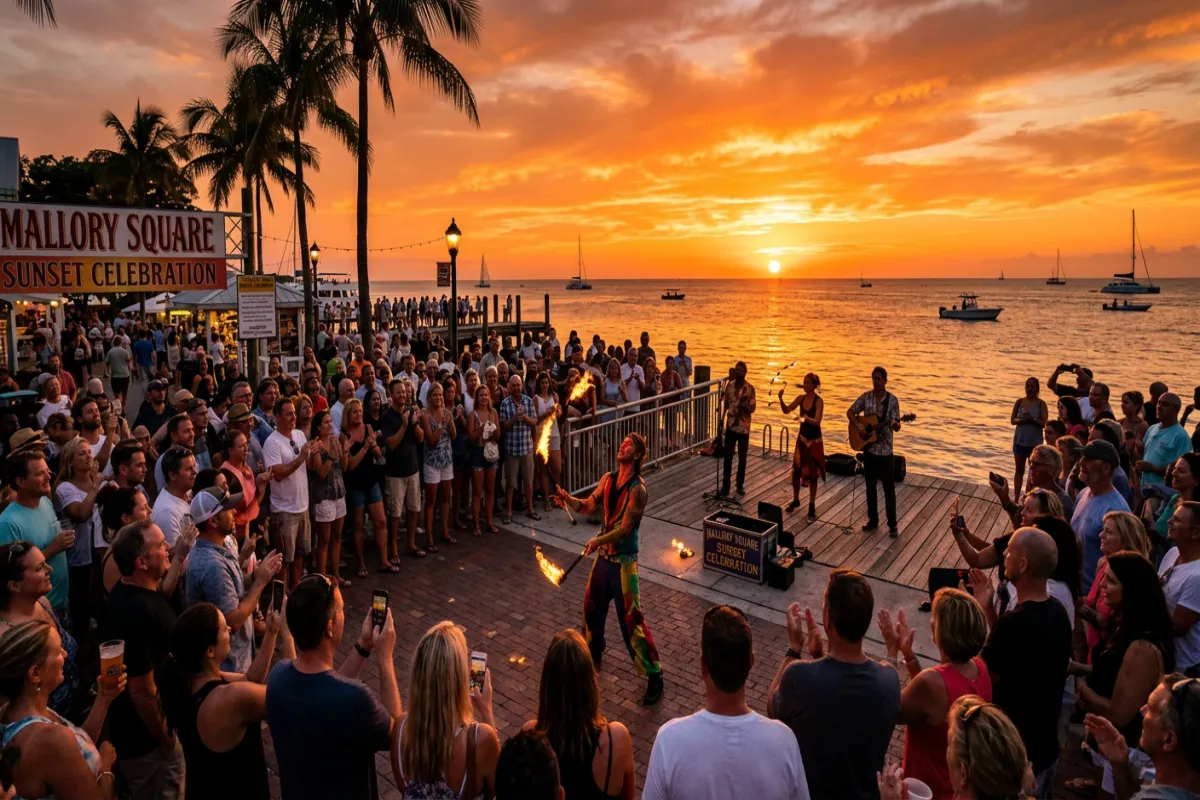
Every evening, crowds gather at Mallory Square on the waterfront to watch the sunset. Street performers, musicians, artists, and food vendors create a festival atmosphere. Arrive 30 to 45 minutes before sunset to browse and find a spot. Free. The most iconic Key West tradition.
Duval Street
The main street running from the Gulf to the Atlantic (just over a mile). Bars, restaurants, shops, galleries, and live music at every turn. The “Duval Crawl” (bar-hopping from one end to the other) is a Key West rite of passage. Jimmy Buffett’s Margaritaville and Sloppy Joe’s (Hemingway’s favorite bar) are the most famous stops.
Hemingway Home and Museum
Ernest Hemingway lived and wrote here from 1931 to 1939 (including “For Whom the Bell Tolls” and “To Have and Have Not”). The Spanish Colonial house is preserved with period furnishings and Hemingway’s writing studio. The property is home to about 60 polydactyl (six-toed) cats, descendants of Hemingway’s own cat. $18 per adult.
Snorkeling the Coral Reef
Key West sits near the only living coral reef in the continental U.S. (the Florida Reef Tract). Half-day snorkeling trips ($40 to $65) take you to shallow reef areas teeming with tropical fish, sea fans, brain coral, and occasionally sea turtles. No diving certification needed.
Dry Tortugas National Park
A remote national park 70 miles west of Key West, accessible only by ferry or seaplane. Fort Jefferson, a massive hexagonal fortress from the 1800s, rises from a tiny island surrounded by crystal-clear water. The snorkeling is among the best in the Keys. The Yankee Freedom ferry runs daily ($195 to $220 per person, includes park entry, snorkel gear, and lunch). Book weeks ahead. One of the most unique day trips in the U.S.
Fort Zachary Taylor Beach
The best beach in Key West. Located within a state park ($6 per vehicle or $2.50 per pedestrian). Good snorkeling from shore, calm water, and shaded picnic areas. Less crowded than the public beaches on the Atlantic side.
Southernmost Point Buoy
The famous painted buoy marking the southernmost point of the continental U.S. (90 miles to Cuba). Free to visit, but there is often a line for the photo. Best in early morning to avoid crowds.
Food and Dining
- Key lime pie: Key West’s signature dessert. Tart, creamy, and served on a graham cracker crust. Available everywhere. Some places serve it frozen on a stick (dipped in chocolate)
- Conch: Conch fritters, conch chowder, and cracked conch are staples. The conch is no longer harvested locally (it is imported from the Bahamas), but the recipes are authentic Key West
- Fresh fish sandwiches: Mahi-mahi, grouper, and yellowtail snapper on Cuban bread. Simple and excellent. $14 to $20 at casual spots
- Cuban food: Key West has a long Cuban heritage. Cuban sandwiches, black beans and rice, and Cuban coffee are widely available
- Pink shrimp: Key West pink shrimp (harvested from nearby waters) are sweet and tender. Available at seafood restaurants and raw bars
- Rum: Key West has several rum distilleries. Papa’s Pilar (named for Hemingway) and Key West First Legal Rum Distillery offer tastings
Tipping: 18 to 20 percent at restaurants. Some places add an automatic gratuity for larger groups.
Safety and Practical Tips
- Safety: Key West is very safe. It is a small island with low crime. Standard precautions at night on Duval Street (it can get rowdy). Watch for bikes and scooters when walking
- No car needed: Walk or bike. Parking is scarce and expensive ($4 to $6 per hour metered, $20 to $40 per day in lots). If you drove the Keys, park your car at your hotel and leave it
- Sun: Tropical sun is strong year-round. Wear reef-safe sunscreen, a hat, and sunglasses
- Hydration: Easy to get dehydrated in the heat, especially if drinking on Duval Street. Carry water
- Roosters: Wild chickens and roosters roam freely throughout Key West. They are protected by law. They will wake you up early. This is normal
- Hurricane season: June through November. Travel insurance recommended for summer and fall visits
- LGBTQ+ friendly: Key West is one of the most LGBTQ+-friendly destinations in the U.S. with a vibrant community, events, and welcoming atmosphere
Sample 3-Day Key West Itinerary
Day 1: Old Town and Sunset
Arrive (drive the Overseas Highway or fly into EYW). Rent a bike. Explore Old Town: Southernmost Point buoy, Hemingway Home, Truman Little White House. Walk Duval Street. Afternoon: Fort Zachary Taylor Beach (best beach, good snorkeling from shore). Evening: Mallory Square Sunset Celebration, then dinner and a Duval Crawl.
Day 2: Snorkeling and Water
Morning: reef snorkeling trip (half day, $40 to $65). Afternoon: kayak through the mangroves at Key West Wildlife Refuge, or rent a paddleboard. Alternative: sunset sail with cocktails ($50 to $80). Evening: Cuban dinner, key lime pie for dessert.
Day 3: Dry Tortugas or Beach Day
Option A: Dry Tortugas day trip (full day, ferry departs 8 AM, returns 5:30 PM, $195 to $220). Fort Jefferson tour and world-class snorkeling. Option B: Beach day at Smathers Beach or Fort Zachary. Visit the Butterfly Conservatory ($15). Last walk through Old Town. Depart.
Planning Your Key West Trip
Start building your custom itinerary with our free AI trip planner.
For more trip planning resources:
Frequently Asked Questions
What is the best time to visit Key West?
March to May for the best value (good weather, lower prices). January to February for the driest, clearest conditions (peak season, highest prices). Summer is cheapest but hot, humid, and in hurricane season.
How do I get to Key West?
Drive the Overseas Highway from Miami (3.5 hours, 42 bridges, one of the best road trips in the U.S.) or fly into Key West International Airport (EYW) with direct flights from several U.S. cities.
Do I need a car in Key West?
No. The island is just 2 by 4 miles. Walk, rent a bike ($15 to $25/day), or use the free Duval Loop bus. Parking is scarce and expensive. If you drove the Keys, park at your hotel.
How expensive is Key West?
Expensive for a small island. Budget $115 to $195 per day. Mid-range $240 to $380. Peak season hotels $300 to $600+. The best free experiences: Mallory Square sunset, Duval Street walking, beaches, and the Southernmost Point.
What is the Dry Tortugas?
A remote national park 70 miles west of Key West. Fort Jefferson (massive Civil War fortress) surrounded by crystal-clear water. Ferry day trip $195 to $220 (includes park entry, snorkel gear, lunch). One of the most unique day trips in the U.S. Book ahead.
Is the snorkeling good?
Yes. Key West sits near the only living coral reef in the continental U.S. Half-day trips ($40 to $65) visit shallow reefs with tropical fish, sea fans, and sea turtles. No certification needed.
What is the Sunset Celebration?
Every evening at Mallory Square, crowds gather to watch the sunset. Street performers, musicians, food vendors. Free. Arrive 30 to 45 minutes early. The most iconic Key West tradition.
Why are there chickens everywhere?
Wild chickens and roosters roam freely throughout Key West. They are protected by local ordinance. They are charming, photogenic, and will wake you up at dawn.
Is Key West LGBTQ+ friendly?
One of the most LGBTQ+-friendly destinations in the U.S. with a vibrant community, year-round events, and a welcoming atmosphere. Pride Week and Fantasy Fest are major celebrations.
What should I pack?
Light clothing, swimsuit, reef-safe sunscreen, hat, sunglasses, comfortable walking shoes, and a bike-friendly outfit. Leave formal clothes at home. Key West is as casual as it gets.