| Jackson Hole Quick Facts | |
|---|---|
| State | Wyoming, USA |
| Currency | US Dollar (USD) |
| Language | English |
| Time Zone | Mountain Time (MT) |
| Daily Budget | $120 to $500+ per person |
| Best Time | June to September, December to March |
| Getting There | Jackson Hole Airport (JAC) |
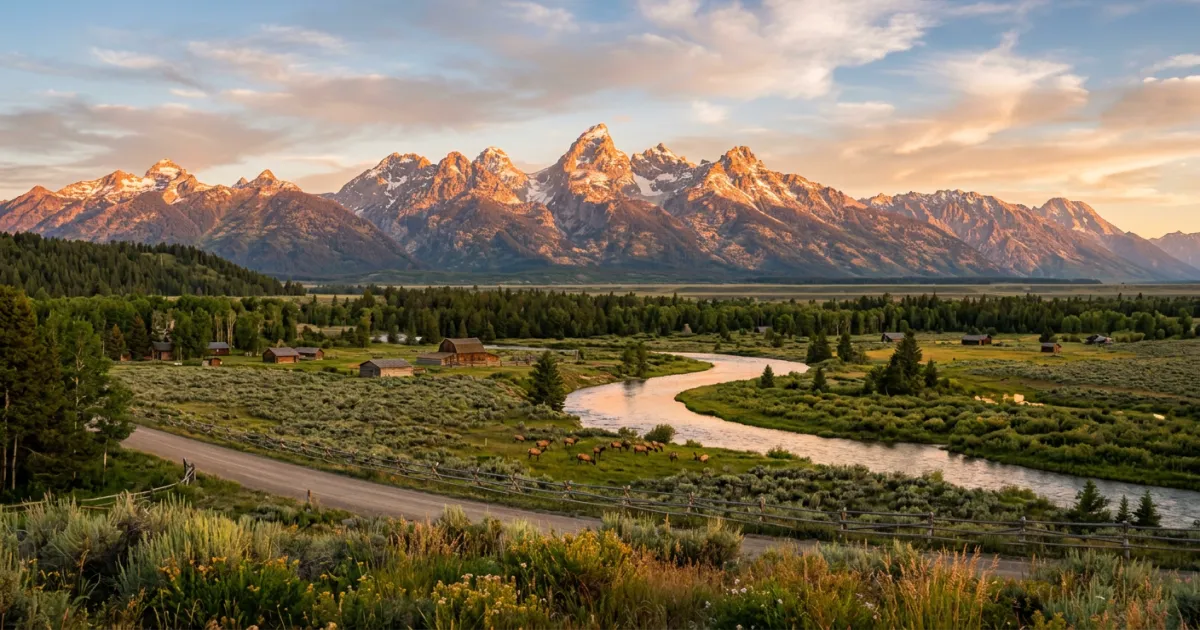
Jackson Hole is a mountain valley in northwest Wyoming surrounded by the Teton Range on the west and the Gros Ventre Range on the east. The town of Jackson sits at its southern end, serving as the gateway to both Yellowstone National Park (60 miles north) and Grand Teton National Park (literally adjacent). In winter it is one of the most challenging ski destinations in North America. In summer it transforms into a hub for hiking, wildlife viewing, fly fishing, and whitewater rafting. The combination of spectacular scenery, genuine Western culture, and year-round outdoor adventure makes it one of the best mountain destinations in the country.
For a broader framework for organizing any trip, our how to plan a trip guide covers the fundamentals.
Best Time to Visit Jackson Hole
June through September is peak summer season with hiking trails open, wildflower meadows in bloom, and long daylight hours. Temperatures range from the mid-70s to low 80s F during the day, dropping into the 40s at night. Wildlife viewing (moose, elk, bison, bears) is excellent in early morning and evening. December through March is ski season, with Jackson Hole Mountain Resort receiving an average of 459 inches of snow annually. The shoulder months of October and April to May offer lower prices but some services close and weather can be unpredictable.
Getting to Jackson Hole
Jackson Hole Airport (JAC) is the only commercial airport inside a US national park, located within Grand Teton National Park about 10 miles north of Jackson. Direct flights are available from Denver, Salt Lake City, Dallas, Chicago, and several other cities, with more routes added in summer and ski season. From Salt Lake City, the drive is about 4.5 to 5 hours north through scenic Idaho. A rental car is strongly recommended, as distances to trailheads and parks are significant and public transit is limited.
Top Things to Do in Jackson Hole
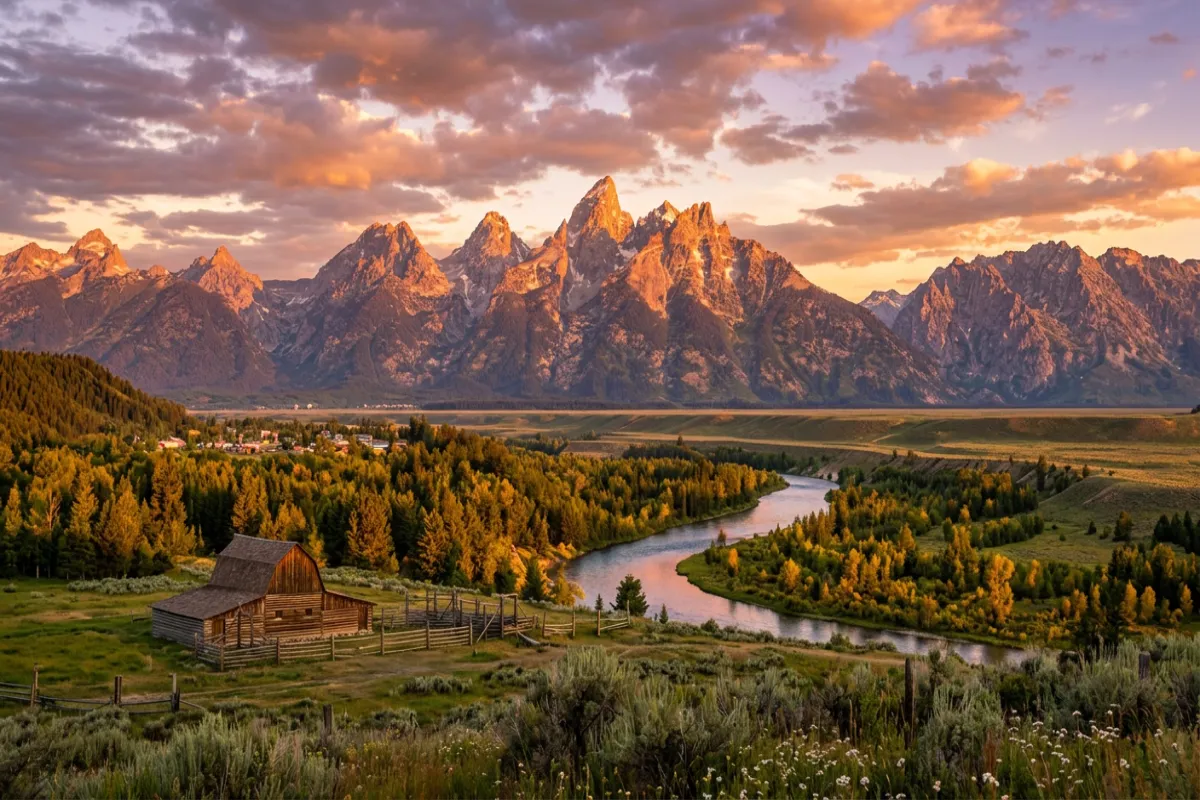
- Grand Teton National Park: The Teton Range rises over 7,000 feet above the valley floor with no foothills, creating one of the most dramatic mountain views in North America. Drive the Teton Park Road, hike to Cascade Canyon or Lake Solitude, or kayak on Jenny Lake.
- Yellowstone National Park: The south entrance to Yellowstone is about 60 miles north of Jackson. Plan a full day for geysers, hot springs, and wildlife. Old Faithful, Grand Prismatic Spring, and the Lamar Valley for wildlife are the highlights.
- Jackson Hole Mountain Resort: One of the most challenging ski resorts in North America with 4,139 feet of vertical drop. In summer, the aerial tram takes you to 10,450 feet for panoramic views and hiking.
- Town Square and Elk Antler Arches: The iconic town square in Jackson with its four elk antler arches is a great starting point. Surrounded by shops, galleries, restaurants, and the Million Dollar Cowboy Bar.
- Snake River Float or Whitewater: Scenic float trips offer wildlife viewing and mountain views. Whitewater sections through Snake River Canyon deliver Class III rapids. Trips run roughly $75 to $100 per person.
- National Elk Refuge: In winter, thousands of elk gather on this refuge just east of Jackson. Horse-drawn sleigh rides through the herd operate from December through March.
Where to Stay
The town of Jackson has the widest range of accommodations, from budget motels to luxury hotels. Walking distance to restaurants, shops, and the Town Square. Teton Village, at the base of Jackson Hole Mountain Resort, is the best location for skiers and hikers who want slopeside access. It is about 12 miles from town and more expensive. Wilson and Victor, Idaho (over Teton Pass) offer more affordable options but add driving time. Expect to pay $150 to $250 per night mid-range in summer, $250 to $500+ during ski season and holidays. Book well in advance for July through August and December through February.
Sample 3-Day Jackson Hole Itinerary
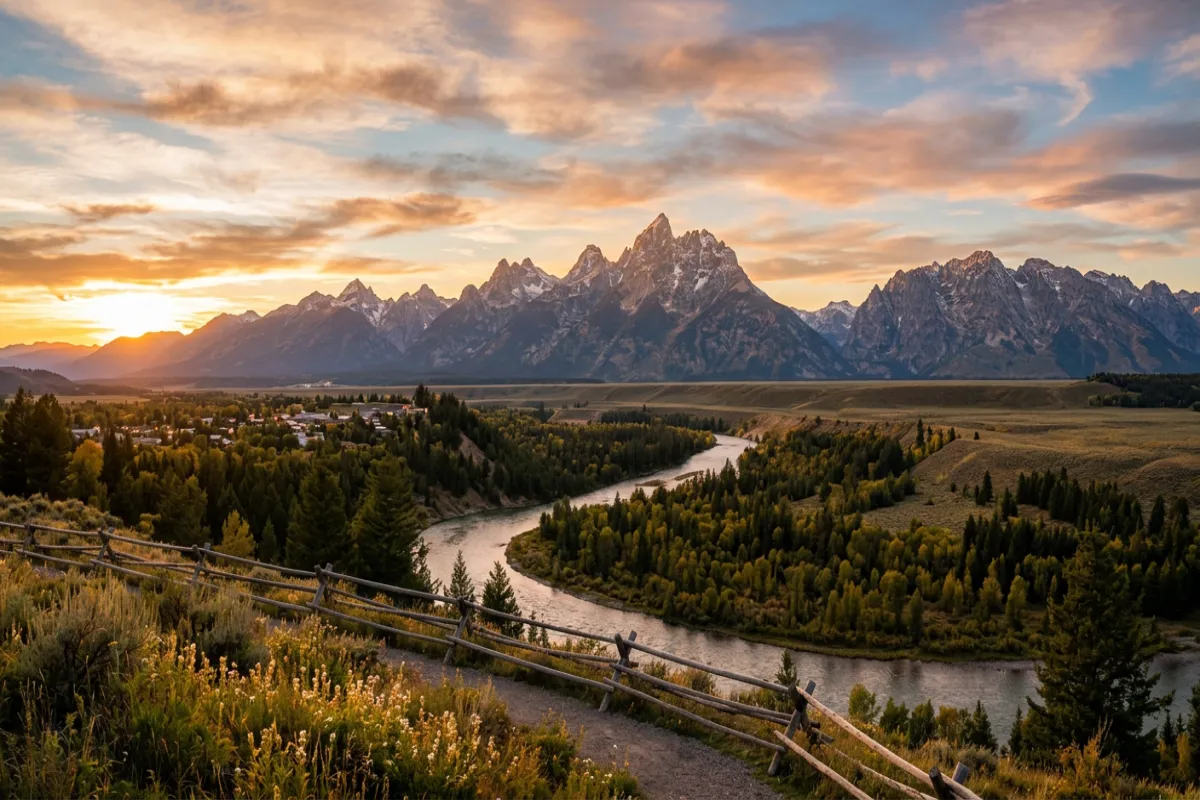
- Day 1 – Grand Teton National Park: Drive the Teton Park Road with stops at Snake River Overlook, Jenny Lake, and Cascade Canyon trailhead. Hike the Cascade Canyon trail (9.7 miles round trip) or take the Jenny Lake boat shuttle to shorten it. Evening drive through Mormon Row for barn photos with the Tetons as backdrop.
- Day 2 – Yellowstone Day Trip: Early start to Yellowstone via the south entrance. Hit Old Faithful, Grand Prismatic Spring (park at the Fairy Falls trailhead for the overlook), and the Upper Geyser Basin. Afternoon drive through Hayden Valley for bison and possibly bears. Return to Jackson for dinner.
- Day 3 – Town and River: Morning scenic float or whitewater trip on the Snake River. Afternoon exploring the town of Jackson: shops, galleries, and the National Museum of Wildlife Art. Ride the aerial tram at Jackson Hole Mountain Resort for summit views. Farewell dinner at one of Jackson’s restaurants.
Budget Estimate
Jackson Hole is one of the more expensive mountain destinations in the US. Budget travelers can manage on $120 to $180 per day by staying at a hostel or budget motel, packing lunches for park visits, and sticking to free hikes. Mid-range travelers should plan for $250 to $400 covering a comfortable hotel, a guided float trip, park entry ($35 per vehicle for Grand Teton, $35 for Yellowstone), and restaurant meals. Luxury travelers will spend $500 and up for upscale lodges, private guided experiences, and fine dining. Gas and groceries are also pricier than average due to the remote location.
Planning Tools
Ready to start building your Jackson Hole trip? Our free AI trip planner can generate a custom itinerary based on your dates, budget, and interests.
Frequently Asked Questions
What is the difference between Jackson and Jackson Hole?
Jackson is the town. Jackson Hole is the valley (a ‘hole’ in mountain-man terminology) that the town sits in. When people say they are going to Jackson Hole, they generally mean the whole area including the town of Jackson, Teton Village, Grand Teton National Park, and the surrounding mountains.
Can you visit Yellowstone and Grand Teton in the same trip?
Yes, and most visitors do. Grand Teton is right next to Jackson, and Yellowstone’s south entrance is about 60 miles north. A minimum of 3 to 4 days lets you spend a full day in each park plus time in the town of Jackson. Five to seven days is ideal for deeper exploration.
When do roads and trails open in Jackson Hole?
Most roads in Grand Teton open by early May, though some higher trails may have snow into June. Teton Park Road is typically fully open by late May. In Yellowstone, most roads open in stages from mid-April through late May. By mid-June everything is accessible. Check NPS.gov for current road status before your trip.