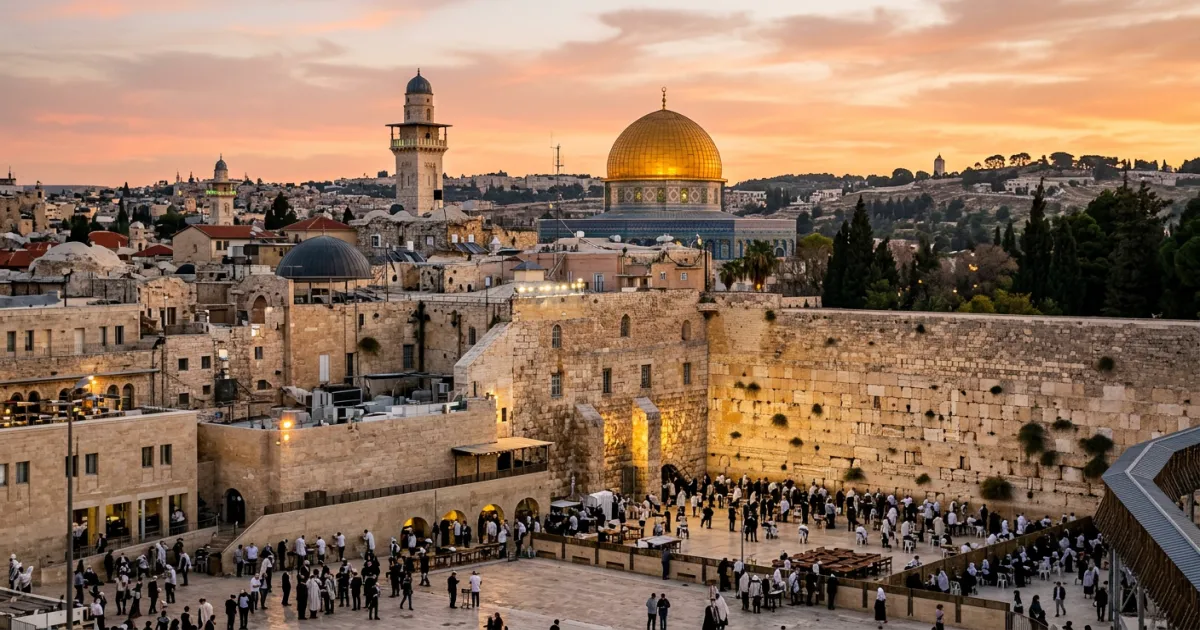
Israel is a country of extraordinary depth in a small package. Jerusalem’s Old City, where three major religions intersect. Tel Aviv’s Mediterranean beaches, food scene, and nightlife. The Dead Sea, the lowest point on earth. The Negev Desert. The ancient fortress of Masada at sunrise. All of this fits in a country the size of New Jersey. This guide covers everything you need to plan your trip. For a broader approach, see our step-by-step trip planning guide.
Key Planning Facts
- Location: Middle East, eastern Mediterranean coast
- Currency: Israeli New Shekel (ILS). Approximately 3.6 ILS per 1 USD
- Language: Hebrew, Arabic. English widely spoken in tourist areas
- Visa for U.S. citizens: Not required for stays up to 90 days. Valid passport required. Electronic entry stamp (no passport stamp since 2013)
- Best months to visit: March to May and September to November
- Average daily budget: $100 to $300 per person
- Time zone: Israel Standard Time (IST, UTC+2; IDT UTC+3 in summer)
- Flight time from U.S.: 10 to 13 hours from East Coast (direct flights available); 14 to 16 from West Coast
- Airport: Ben Gurion International Airport (TLV), about 20 minutes from Tel Aviv, 50 minutes from Jerusalem
- Country size: About the size of New Jersey (8,550 square miles). You can drive north to south in about 6 hours
Best Time to Visit Israel
Spring (March to May)
One of the best times. Wildflowers bloom in the Negev and Galilee. Comfortable temperatures (65 to 85 degrees Fahrenheit). Passover and Easter can bring crowds to Jerusalem. March and April are ideal.
Fall (September to November)
Equally excellent. Hot summer temperatures cool down. Jewish High Holidays (Rosh Hashanah, Yom Kippur, Sukkot) fall in September or October, bringing cultural richness but some business closures and higher hotel prices. November is warm and quiet.
Summer (June to August)
Hot and dry (85 to 100+ degrees Fahrenheit, especially in the desert and Dead Sea area). Beach season on the Mediterranean. Tel Aviv buzzes with energy. The Dead Sea and Negev are extremely hot. Drink massive amounts of water.
Winter (December to February)
Cool and occasionally rainy (45 to 65 degrees Fahrenheit). Jerusalem can be cold. The Dead Sea and Eilat (Red Sea) stay warm and are excellent winter escapes. Fewer tourists and lower prices. Snow is rare but possible in Jerusalem.
How Long to Spend
7 to 10 days covers the highlights: Jerusalem (3 days), Tel Aviv (2 to 3 days), the Dead Sea (1 day), and one additional destination (Masada, Galilee, or Eilat). A focused 5-day trip works for Jerusalem and Tel Aviv. Two weeks lets you add the Negev Desert, Galilee, Golan Heights, and Eilat.
Budget and Costs
Daily Budget Ranges
- Budget: $80 to $140 per person per day. Hostels ($25 to $50 per night), falafel and street food ($5 to $10 per meal), public buses
- Mid-range: $160 to $260 per person per day. Hotels ($100 to $200 per night), restaurant meals, guided tours, rental car
- Luxury: $300+ per person per day. Boutique hotels ($200 to $500 per night), fine dining, private guides, Dead Sea luxury resorts
Key Costs
- Old City Jerusalem sites: Western Wall: free. Church of the Holy Sepulchre: free. Dome of the Rock exterior: free (interior access limited). Tower of David Museum: ILS 55 ($15)
- Masada: ILS 31 ($9) entrance. Cable car: ILS 55 ($15) round trip. Or hike the Snake Path (free, 45 to 60 minutes up, start before sunrise)
- Dead Sea: Free public beaches. Ein Bokek is the most popular. Ein Gedi Nature Reserve: ILS 31 ($9). Dead Sea mud and floating is a unique experience
- Meals: Falafel/shawarma: ILS 25 to 40 ($7 to $11). Hummus plate: ILS 30 to 50 ($8 to $14). Restaurant dinner: ILS 100 to 200 ($28 to $55)
- Train (Tel Aviv to Jerusalem): ILS 22 ($6), about 30 minutes by high-speed rail
- Rental car: $30 to $60 per day. Useful for the Dead Sea, Masada, and Negev. Not needed in Tel Aviv or Jerusalem city centers
Use our free travel budget template to plan your trip.
Getting There and Getting Around
Flying In
Ben Gurion International Airport (TLV) near Tel Aviv has direct flights from New York (JFK, EWR), Newark, Miami, Los Angeles, and San Francisco on El Al, United, and Delta. Flight time from the East Coast: 10 to 11 hours.
Getting Around
Israel is small. The high-speed train connects Tel Aviv to Jerusalem in 30 minutes (ILS 22). Egged buses cover the entire country. Rental cars are useful for the Dead Sea, Masada, Galilee, and Negev. Gett (Israel’s rideshare app) works in Tel Aviv and Jerusalem. Tel Aviv has a new light rail system. Jerusalem has a light rail line connecting major areas.
Shabbat
Public transit stops from Friday afternoon through Saturday evening (Shabbat). Taxis and some rideshare services still operate. Plan accordingly. Haifa is the exception (buses run on Shabbat).
Where to Go
Jerusalem
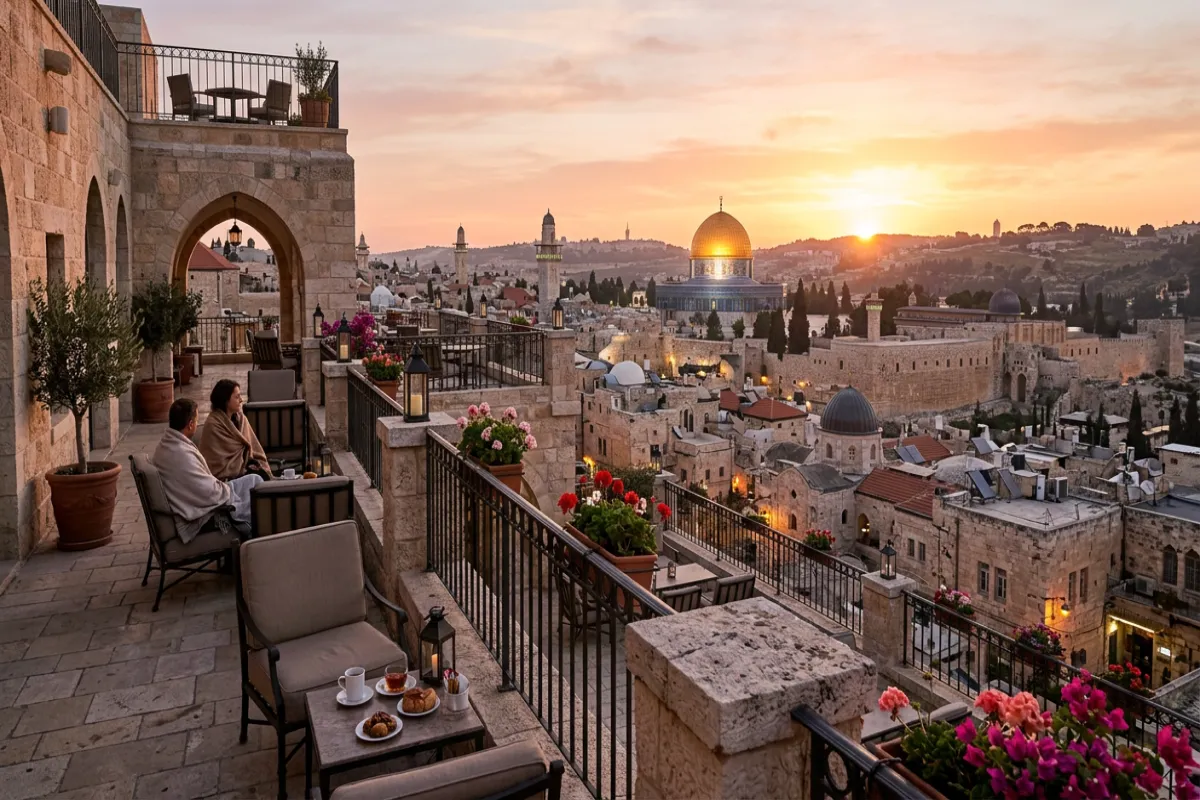
The Old City is divided into four quarters (Jewish, Christian, Muslim, Armenian) within ancient walls. Walk the Via Dolorosa, visit the Western Wall, stand inside the Church of the Holy Sepulchre, and see the Dome of the Rock. The Israel Museum holds the Dead Sea Scrolls. Yad Vashem (the Holocaust memorial and museum) is one of the most powerful museums in the world (free, allow 3+ hours). Mahane Yehuda Market (“the Shuk”) is excellent for food by day and bars by night.
Tel Aviv
A modern, secular Mediterranean city. Beaches line the coast (Gordon Beach, Frishman Beach, Banana Beach). The White City has over 4,000 Bauhaus buildings (UNESCO site). Jaffa (the ancient port city, now part of Tel Aviv) has galleries, restaurants, and a flea market. Carmel Market is the best food market. The nightlife scene is one of the best in the Middle East. Rothschild Boulevard is the center of cafe culture.
Dead Sea
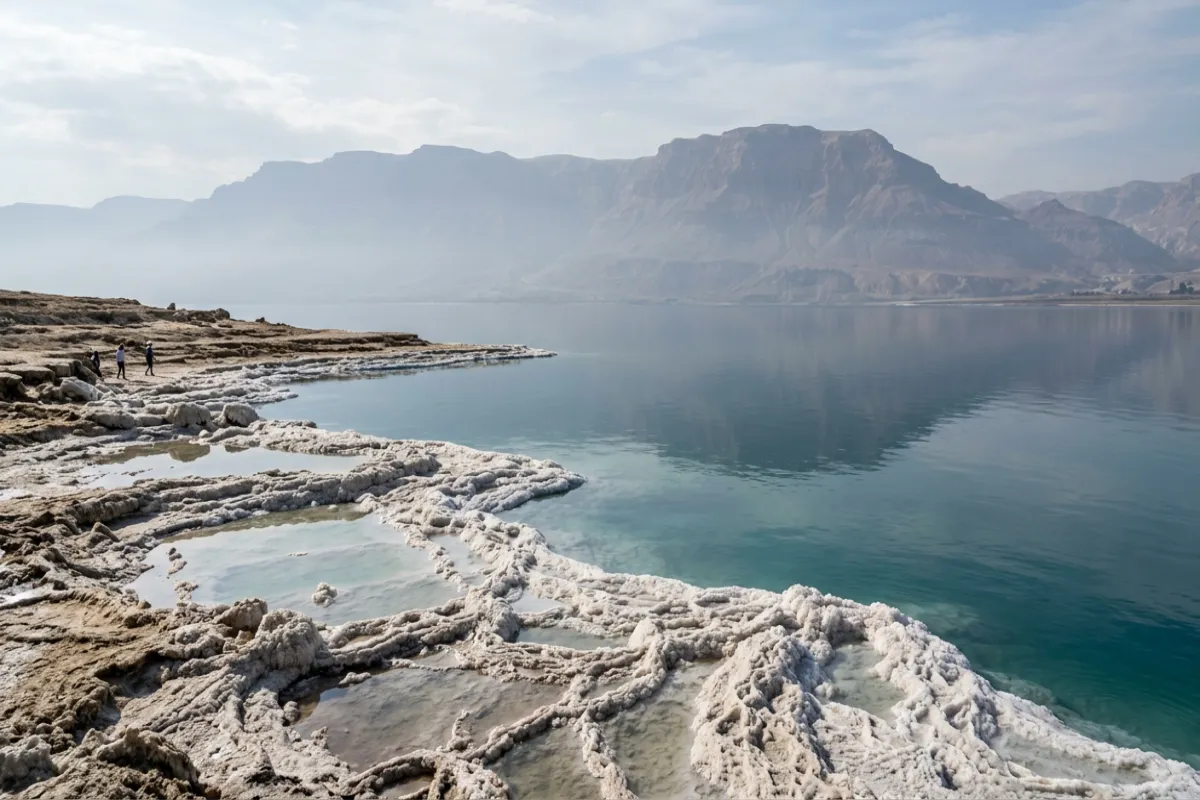
The lowest point on earth (430 meters below sea level). The water is so salty (34.2% salinity) that you float effortlessly. Slather yourself in Dead Sea mud (good for the skin). Ein Bokek has free public beaches on the Israeli side. About 1.5 hours from Jerusalem by car. Bring water shoes (the salt crystals on the bottom are sharp). Do not shave before going (the salt burns any cut).
Masada
A mountaintop fortress overlooking the Dead Sea, built by King Herod and famously held by Jewish rebels against the Romans in 73 AD. Hike the Snake Path before sunrise (45 to 60 minutes up) for one of the most dramatic sunrises in the world. Or take the cable car. UNESCO World Heritage Site. Combine with the Dead Sea as a day trip from Jerusalem.
Negev Desert
The southern half of Israel. Ramon Crater (Makhtesh Ramon) is a massive geological formation unlike anywhere else. Eilat on the Red Sea has coral reef snorkeling and diving, plus a border crossing to Petra
(Jordan). The Negev has Bedouin communities and desert hiking.
Galilee and Golan Heights
Northern Israel. The Sea of Galilee (significant in Christianity), the ancient city of Akko (Acre, UNESCO), and the Golan Heights wineries. Green, mountainous, and a contrast to the desert south.
Food and Dining
- Hummus: Israel takes hummus seriously. Served warm with olive oil, tahini, and fresh pita. Entire restaurants are dedicated to hummus alone. $7 to $14 for a generous plate
- Falafel: Deep-fried chickpea balls in pita with tahini, salad, and pickles. The national street food. $7 to $11
- Shawarma: Slow-roasted meat (lamb, turkey, or chicken) shaved and served in pita or laffa bread with salads and sauces
- Shakshuka: Eggs poached in spiced tomato sauce, usually served in the skillet with bread for dipping. A breakfast staple
- Israeli breakfast: A lavish spread of salads, cheeses, bread, eggs, and dips. Served at most hotels and cafes. One of the best hotel breakfasts in the world
- Sabich: A pita stuffed with fried eggplant, hard-boiled egg, hummus, tahini, and amba (mango pickle). An Iraqi Jewish specialty now a Tel Aviv street food favorite
- Wine: Israel has a growing wine industry. The Golan Heights, Judean Hills, and Negev produce excellent wines
Tipping: 10 to 15 percent at sit-down restaurants. Service charge is sometimes included (check the bill).
Safety and Practical Tips
- Safety: Tourist areas in Israel (Jerusalem, Tel Aviv, Dead Sea, Galilee) are generally safe. Israel has one of the most rigorous security infrastructures in the world. Check current U.S. State Department travel advisories before your trip, as the security situation can change. Avoid the Gaza border area
- Airport security: Ben Gurion Airport has thorough security screening. Arrive 3 hours before international flights. Security interviews are standard and professional. Answer honestly and directly
- Shabbat: From Friday sunset to Saturday sunset, most businesses close, public transit stops, and the country slows down (except in Tel Aviv, which largely keeps operating). Plan activities and transportation accordingly
- Kosher and dietary laws: Many restaurants in Israel are kosher (no mixing of meat and dairy, no pork or shellfish). Tel Aviv has many non-kosher options. Most restaurants clearly indicate their kosher status
- Holy sites dress code: Cover shoulders and knees at the Western Wall, churches, mosques, and most religious sites. Women need head coverings at some sites. Men need a kippah (head covering) at the Western Wall (free ones are available)
- Water: Tap water is safe to drink throughout Israel
- Sun: Desert sun is intense, especially at the Dead Sea and in the Negev. Wear sunscreen, a hat, and drink water constantly
- SIM card: Buy a local SIM at the airport for inexpensive data and calls
- Electrical outlets: Type C and H plugs. 230V. Bring a European adapter
- Emergency number: 100 (police), 101 (ambulance), 102 (fire)
Sample 8-Day Israel Itinerary
Days 1 to 3: Jerusalem
Fly into TLV. Train to Jerusalem (30 minutes). Day 1: Old City: Western Wall, Church of the Holy Sepulchre, Via Dolorosa, walk the quarters. Day 2: Temple Mount/Dome of the Rock area (morning only, check access hours), Israel Museum (Dead Sea Scrolls), Mahane Yehuda Market for lunch and evening drinks. Day 3: Yad Vashem Holocaust Memorial (allow 3+ hours), Mount of Olives for views, City of David archaeological site.
Day 4: Dead Sea and Masada
Rent a car or join a tour. Early morning: hike Masada at sunrise (Snake Path, 45 to 60 minutes). Float in the Dead Sea at Ein Bokek. Mud bath. Drive to Tel Aviv (2 hours) in the evening.
Days 5 to 7: Tel Aviv
Day 5: Beach morning (Gordon or Frishman Beach), Carmel Market for lunch, White City Bauhaus walking tour, Rothschild Boulevard. Day 6: Old Jaffa (port, flea market, galleries, Simon’s Tannery), Neve Tzedek neighborhood, evening on the Tel Aviv boardwalk. Day 7: Caesarea ruins and Haifa (day trip north, 1 hour), Bahai Gardens in Haifa. Or full beach and food day in Tel Aviv.
Day 8: Departure
Morning: last beach walk or breakfast at a cafe. Head to Ben Gurion Airport (TLV, 20 minutes from Tel Aviv). Fly home.
Planning Your Israel Trip
Start building your custom itinerary with our free AI trip planner.
For more trip planning resources:
Frequently Asked Questions
Do U.S. citizens need a visa for Israel?
No. Stay up to 90 days without a visa. Passport required. Electronic entry stamp (no stamp in passport since 2013, so it does not affect travel to other countries).
What is the best time to visit?
March to May and September to November. Spring has wildflowers and pleasant temperatures. Fall has Jewish holidays and comfortable weather. Summer is very hot, especially in the desert.
Is Israel safe for tourists?
Tourist areas (Jerusalem, Tel Aviv, Dead Sea, Galilee) are generally safe with strong security. Check U.S. State Department advisories before travel. Security situation can change. Avoid the Gaza border area.
How expensive is Israel?
Moderate to expensive. Budget $80 to $140/day (hostels, street food). Mid-range $160 to $260/day. Falafel and hummus are cheap and excellent. Hotels and restaurant dining are pricier. Tel Aviv is more expensive than Jerusalem for accommodation.
What is Shabbat?
The Jewish day of rest from Friday sunset to Saturday sunset. Most businesses close, public transit stops. Tel Aviv mostly keeps operating. Plan transportation and activities around Shabbat closures.
Can I visit both Jerusalem and Tel Aviv?
Easily. The high-speed train connects them in 30 minutes for about $6. Many travelers base in one city and day-trip to the other.
What is the Dead Sea like?
You float effortlessly in water 10 times saltier than the ocean. Cover yourself in mineral-rich mud. Do not shave beforehand (salt burns cuts). Wear water shoes (salt crystals on bottom). Bring fresh water to rinse. A surreal, must-do experience.
Should I hike Masada at sunrise?
Yes if you are reasonably fit. The Snake Path takes 45 to 60 minutes up. The sunrise over the Dead Sea from the fortress top is one of the most memorable experiences in Israel. Start in the dark with a headlamp.
What should I eat?
Hummus, falafel, shawarma, shakshuka (eggs in tomato sauce), sabich (eggplant pita), and the legendary Israeli breakfast. Mahane Yehuda Market in Jerusalem and Carmel Market in Tel Aviv are the best food destinations.
What should I pack?
Light clothing for summer, layers for spring/fall/winter. Modest cover-ups for religious sites (shoulders and knees covered). Comfortable walking shoes (Jerusalem’s Old City has uneven stone streets). Sunscreen and hat. Swimsuit for Dead Sea and Mediterranean. Water shoes for Dead Sea.