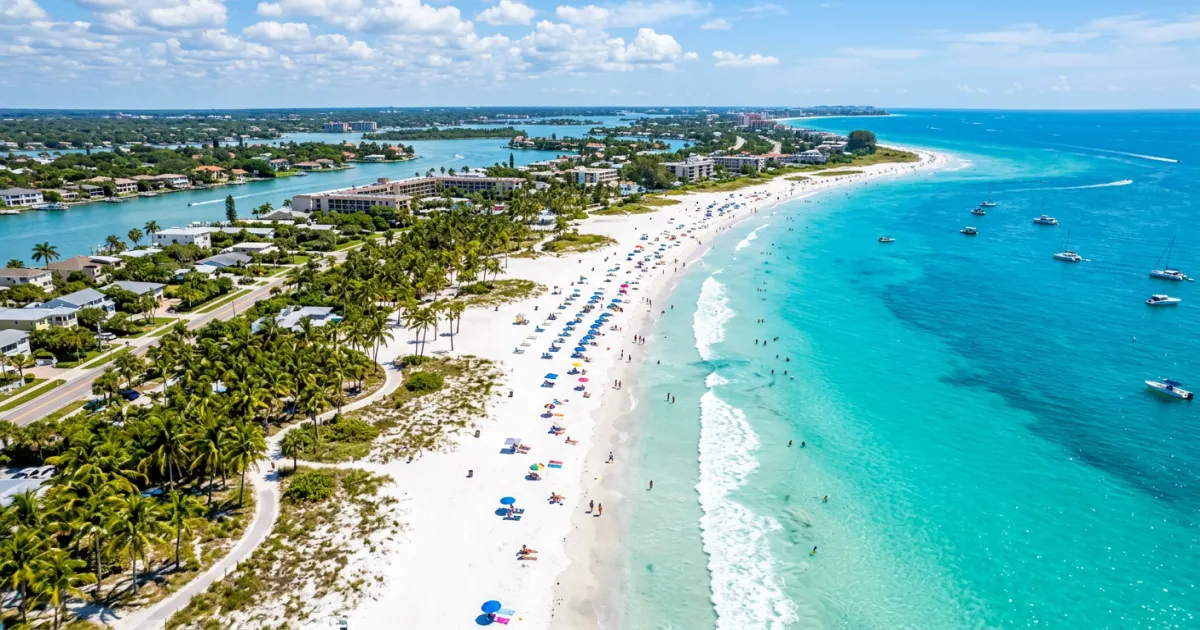
Florida offers more variety than most travelers expect. Beyond the theme parks of Orlando, there are 1,350 miles of coastline, the subtropical wilderness of the Everglades, the island chain of the Florida Keys, the Latin energy of Miami, and over 700 natural springs with crystal-clear water. This guide helps you plan a trip that goes beyond the obvious. For a broader approach, see our step-by-step trip planning guide.
Key Planning Facts
- Location: Southeastern United States, peninsula bordered by the Atlantic Ocean and Gulf of Mexico
- Currency: US Dollar (USD)
- Language: English (Spanish widely spoken in South Florida)
- Best months to visit: November to May (dry season, mild temperatures)
- Average daily budget: $120 to $300 per person depending on travel style and region
- Time zone: Eastern Time (most of state) and Central Time (Panhandle)
- Major airports: Miami (MIA), Orlando (MCO), Fort Lauderdale (FLL), Tampa (TPA), Jacksonville (JAX)
- State size: 65,758 square miles, about 800 miles from Pensacola to Key West
- Hurricane season: June 1 to November 30 (peak August through October)
Best Time to Visit Florida
Winter and Early Spring (November to April)
This is peak season and the best overall time to visit. Temperatures range from 60 to 80 degrees Fahrenheit across most of the state, humidity is lower, and rain is infrequent. South Florida and the Keys are particularly pleasant. This is also the most expensive period, with hotel prices at their highest and popular destinations busy.
Late Spring (April to May)
A sweet spot before summer heat arrives. Beach weather is excellent, spring break crowds have left, and prices begin to drop. Water temperatures are warm enough for swimming along both coasts.
Summer (June to September)
Hot and humid, with daily temperatures of 85 to 95 degrees Fahrenheit and afternoon thunderstorms almost every day. This is the cheapest time for hotels and flights. Theme parks and beaches are busy with families on school vacation. Hurricane season runs June through November, with the highest risk from August to October.
Early Fall (September to October)
The quietest tourism period outside of hurricane concerns. Excellent hotel deals, lighter crowds, and warm water temperatures. Hurricane risk is the main consideration. Travel insurance that covers weather disruptions is recommended.
How Long to Spend in Florida
Florida is much larger than most visitors realize. A focused trip of 5 to 7 days works well for one region (Orlando theme parks, Miami and the Keys, or the Gulf Coast). A 10 to 14 day trip lets you combine two or three regions. Driving from Miami to Key West takes about 3.5 hours. Miami to Orlando is about 3.5 hours. Orlando to the Gulf Coast beaches is about 1.5 to 2 hours.
Budget and Costs
Florida varies enormously in cost depending on your destination and activities. Theme parks and Miami are expensive. The Gulf Coast, Panhandle, and natural attractions offer much better value.
Daily Budget Ranges
- Budget: $80 to $140 per person per day. Budget motels or vacation rentals ($80 to $120 per night), casual dining and supermarket meals, free beaches and natural springs
- Mid-range: $180 to $280 per person per day. Hotels or resort stays ($150 to $250 per night), restaurant dining, one or two paid activities per day
- Theme park focused: $300 to $500 per person per day. On-site resort hotels ($250 to $500 per night), multi-day park tickets, dining in parks
Key Costs
- Theme park tickets: Walt Disney World single-day: $109 to $189 (varies by date). Universal Orlando 1-day: $119 to $149. Multi-day tickets offer significant per-day savings. Budget $600 to $1,200 per person for a 3-day Disney visit including tickets, food, and Express/Genie+ add-ons
- Hotels: Miami Beach averages $250 to $300 per night. Orlando resorts: $150 to $400. Gulf Coast beach towns: $120 to $200. Panhandle beaches: $100 to $160
- Hidden fees: Resort fees ($25 to $55 per night) are common and often not included in advertised rates. Parking at hotels runs $25 to $55 per night in cities. Tourist taxes add 11 to 13 percent to hotel bills
- Rental car: $40 to $80 per day. Essential for most Florida trips outside of Miami Beach and Key West
- Meals: Casual restaurant: $15 to $30. Seafood dinner: $25 to $50. Cuban lunch in Miami: $10 to $15. Theme park dining: $15 to $25 per meal
Use our free travel budget template to plan your Florida expenses.
Getting There and Getting Around
Flying In
Florida has multiple major airports. Orlando International (MCO) is the busiest for tourism. Miami International (MIA) serves South Florida and is a major hub for flights from Latin America and Europe. Fort Lauderdale (FLL) often has cheaper fares than Miami and is 30 minutes north. Tampa (TPA) serves the Gulf Coast. Southwest Florida International (RSW) in Fort Myers serves the southern Gulf Coast and Everglades.
Driving
A rental car is the best way to explore Florida, unless you are staying entirely in Miami Beach or Key West. Interstate 95 runs along the Atlantic coast, Interstate 75 runs through the center and down the Gulf side, and the Florida Turnpike connects Orlando to Miami. The Overseas Highway (US 1) from Miami to Key West is one of the most scenic drives in the U.S., crossing 42 bridges over open water.
Public Transit
Miami has the Metrorail and Metrobus system. Orlando has limited public transit outside of theme park shuttles. Key West is small enough to walk or bike. For most Florida destinations, a car is necessary.
Florida’s Regions and Where to Stay
South Florida (Miami, Fort Lauderdale, Keys)
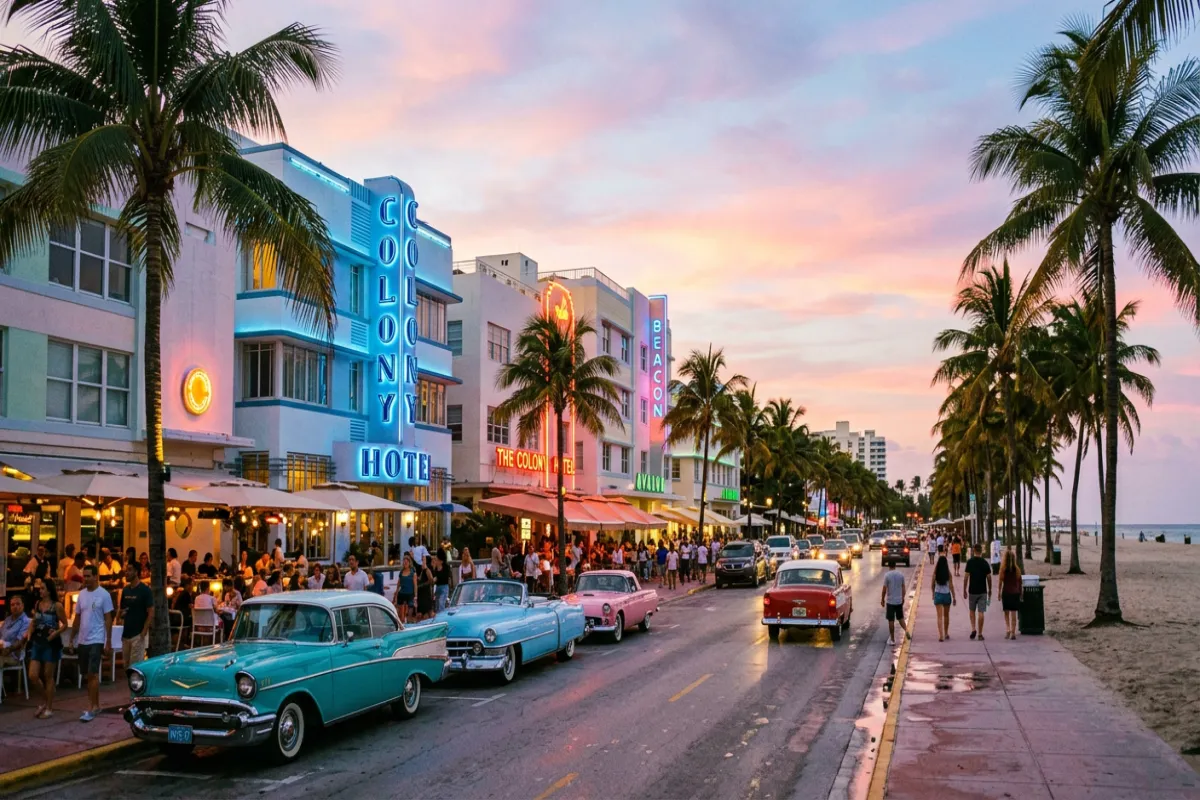
Miami is a cultural hub with world-class dining, Art Deco architecture on South Beach, Little Havana, Wynwood art district, and the gateway to the Everglades. The Florida Keys stretch 120 miles south to Key West, connected by the Overseas Highway. Key West has a laid-back island atmosphere, snorkeling, and the southernmost point in the continental U.S.
Central Florida (Orlando, Tampa, Space Coast)
Orlando is theme park central: Walt Disney World, Universal Orlando, SeaWorld, and LEGOLAND. Beyond the parks, there are natural springs, the Kennedy Space Center on the Space Coast, and Bok Tower Gardens. Tampa has a growing food scene, the Riverwalk, and Busch Gardens.
Gulf Coast (Naples, Sarasota, Clearwater)
The Gulf Coast is known for white sand beaches, calm water, and spectacular sunsets. Siesta Key beach near Sarasota is consistently ranked among the best beaches in the U.S. Clearwater Beach is popular with families. Naples offers upscale dining and access to the Everglades.
Panhandle (Destin, Panama City Beach, Pensacola)
The Florida Panhandle, sometimes called the “Emerald Coast,” has some of the most beautiful water in the state. Emerald-green Gulf waters and sugar-white sand. More affordable than South Florida. Pensacola has a rich military history and excellent local seafood.
North and Central Springs Region
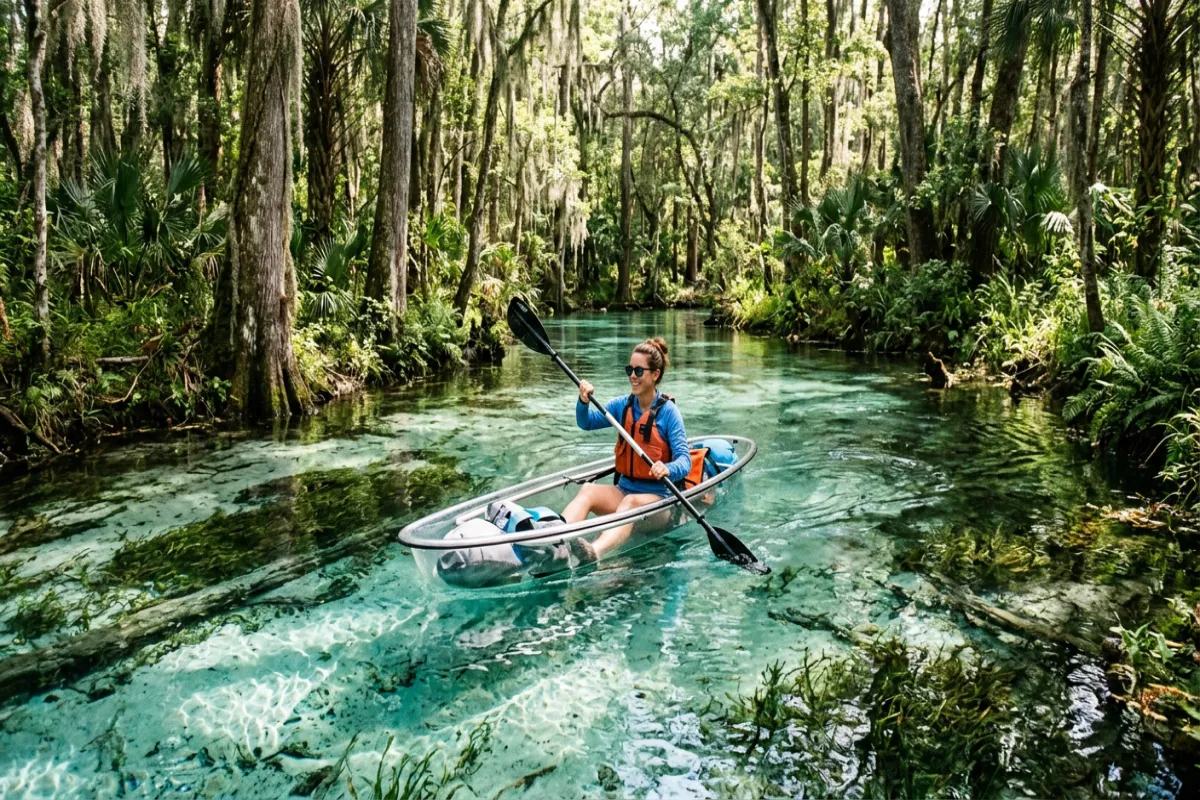
Over 700 natural springs with 72-degree water year-round. Popular springs include Ichetucknee, Ginnie Springs, Rainbow Springs, and Devils Den. Kayaking, tubing, snorkeling with manatees (Crystal River), and cave diving are the main activities. This is one of Florida’s best-kept secrets.
Must-See Attractions and Experiences
Everglades National Park
The only subtropical wilderness in North America. Take an airboat tour to spot alligators, manatees, and wading birds. The Anhinga Trail boardwalk is one of the best wildlife viewing spots in the country. Shark Valley offers a 15-mile tram or bike loop. Plan a half day or full day.
Kennedy Space Center
On the Space Coast near Cape Canaveral. See real Space Shuttles, Saturn V rockets, and launch pads. Time your visit with a live rocket launch if possible. Check the launch schedule at kennedyspacecenter.com.
Florida Keys and Snorkeling
The only living coral reef in the continental U.S. John Pennekamp Coral Reef State Park in Key Largo offers snorkeling and glass-bottom boat tours. Bahia Honda State Park has one of the best beaches in the Keys. Key West offers sunset celebrations at Mallory Square every evening.
Natural Springs
Florida’s freshwater springs are unlike anything else in the U.S. The water is a constant 72 degrees Fahrenheit year-round, impossibly clear, and perfect for swimming, kayaking, and snorkeling. Visit Three Sisters Springs in Crystal River from November to March to swim with wild manatees.
Art Deco Historic District, Miami Beach
Walk Ocean Drive and Collins Avenue to see the largest collection of Art Deco architecture in the world. Over 800 buildings from the 1930s and 1940s, many now housing hotels, restaurants, and bars. Best seen on foot in the morning light or lit up with neon at night.
Food and Dining
Florida’s food scene reflects its geography and cultural diversity.
- Cuban food (Miami): Cuban sandwiches, ropa vieja, croquetas, and cafecito (Cuban espresso). Little Havana on Calle Ocho is the heart of Cuban Miami
- Seafood: Stone crab claws (October to May), Key West pink shrimp, grouper sandwiches, conch fritters, and oysters from Apalachicola
- Key lime pie: The official state pie. Best in the Florida Keys, where it originated
- Gator tail: Available at casual restaurants throughout the state. Tastes similar to chicken, usually fried
- Southern food (Panhandle): Fried green tomatoes, shrimp and grits, hushpuppies, and smoked mullet
Tipping: 18 to 20 percent at sit-down restaurants, standard across Florida and the U.S.
Safety and Practical Tips
- Sun protection: Florida’s UV index is high year-round. Wear sunscreen (SPF 30+), a hat, and sunglasses even on cloudy days. Reapply sunscreen after swimming
- Hurricane season: June 1 to November 30, with highest risk August through October. Monitor weather forecasts and consider travel insurance for summer and fall trips
- Wildlife: Alligators live in every freshwater body in Florida. Keep a safe distance, do not feed them, and keep pets leashed near water. Jellyfish and stingrays are common at beaches. Shuffle your feet when entering the water to avoid stepping on stingrays
- Hydration: Florida’s heat and humidity cause dehydration quickly. Drink plenty of water, especially at theme parks and beaches
- Mosquitoes: Active year-round, worst at dawn and dusk in summer. Bring insect repellent for outdoor activities, especially in the Everglades and near springs
- Toll roads: Florida has extensive toll roads. Many use SunPass or toll-by-plate. Rental cars usually include a toll transponder (check the fee). Keep cash or ensure your toll plan is activated
- Resort fees: Check the total cost before booking hotels. Resort fees of $25 to $55 per night are common and usually not included in the advertised rate
Sample 10-Day Florida Itinerary
Days 1 to 3: Miami and South Florida
Day 1: Fly into Miami (MIA). Explore South Beach and the Art Deco district. Walk Ocean Drive. Evening on Lincoln Road. Day 2: Little Havana walking tour, Wynwood Walls art district, Vizcaya Museum and Gardens. Evening dinner in Brickell. Day 3: Half-day Everglades airboat tour. Afternoon at a beach in Key Biscayne or drive to Fort Lauderdale’s Las Olas Boulevard.
Days 4 to 5: Florida Keys
Day 4: Drive the Overseas Highway from Miami to Key West (3.5 hours with stops). Stop at Key Largo for snorkeling at John Pennekamp. Stop at Bahia Honda State Park for the beach. Arrive Key West by evening. Day 5: Key West. Walk Duval Street, visit the Southernmost Point, Hemingway Home, Fort Zachary Taylor beach. Sunset at Mallory Square.
Day 6: Drive to Gulf Coast
Drive from Key West back to Miami, then across Alligator Alley (I-75) to Naples or Sarasota (total about 5 to 6 hours). Afternoon on the beach. Sunset on the Gulf side.
Days 7 to 8: Gulf Coast
Day 7: Beach day at Siesta Key or Clearwater Beach. Day 8: Morning at a natural spring (Weeki Wachee, Crystal River, or Rainbow Springs depending on location). Afternoon drive to Orlando area.
Days 9 to 10: Orlando
Day 9: Theme park day (Walt Disney World, Universal Orlando, or Kennedy Space Center, depending on interests). Day 10: Second park day or explore downtown Orlando, Winter Park, and the natural springs near Ocala before flying out of Orlando (MCO).
Planning Your Florida Trip
Start building your custom Florida itinerary with our free AI trip planner. Add destinations, set dates, and organize your days in minutes.
For more trip planning resources:
- Miami 3-Day Itinerary
- Miami 5-Day Itinerary
- Plan a Trip to New Orleans
- Free Road Trip Itinerary Template
Frequently Asked Questions
What is the best time to visit Florida?
November through April for the best weather: mild temperatures, low humidity, and minimal rain. May is a good shoulder month with warm beach weather and lower prices. Avoid August through October if you are concerned about hurricanes.
How many days do I need in Florida?
5 to 7 days for one region (Orlando parks, Miami and Keys, or Gulf Coast). 10 to 14 days to combine two or three regions. Florida is larger than it looks on a map.
Do I need a rental car in Florida?
Yes, for most trips. Public transit is limited outside of downtown Miami. A car is essential for the Keys road trip, Gulf Coast beaches, springs, and moving between regions. Exceptions: Key West (walkable) and staying entirely at a Disney/Universal resort.
How expensive are Florida theme parks?
Single-day tickets for Walt Disney World range from $109 to $189 depending on the date. Universal Orlando is $119 to $149 per day. Multi-day tickets reduce the per-day cost significantly. Budget $600 to $1,200 per person for a 3-day Disney visit including tickets, food, and add-ons.
What are Florida’s hidden fees?
Resort fees ($25 to $55 per night), parking at hotels ($25 to $55 per night), tourist taxes (11 to 13 percent), and toll road charges. These can add 35 to 50 percent on top of advertised hotel rates. Always check the total cost before booking.
Is Florida safe?
Florida is generally safe for tourists. Tourist areas are well-maintained and patrolled. Standard precautions apply: be aware of your surroundings in cities, lock your car, and secure valuables at the beach. Wildlife safety matters: keep distance from alligators and watch for jellyfish and stingrays at the beach.
When is hurricane season in Florida?
Officially June 1 through November 30, with the highest risk from August through October. Most hurricanes provide several days of advance warning. Travel insurance is recommended for trips during this period.
What are the best Florida beaches?
Siesta Key (Sarasota) for white sand, Clearwater Beach for families, Bahia Honda (Keys) for turquoise water, South Beach (Miami) for atmosphere, and Destin/Pensacola for emerald Gulf water. Each coast has a different character: Atlantic side has waves, Gulf side has calmer water.
Can I swim with manatees in Florida?
Yes, at Crystal River on the Gulf Coast. Three Sisters Springs is the best spot, with guided snorkeling tours available from November through March when manatees gather in the warm spring water. It is the only place in the U.S. where you can legally swim with manatees.
What should I pack for Florida?
Light, breathable clothing. Swimsuit and cover-up. Sunscreen (SPF 30+), sunglasses, and a hat. A light rain jacket for afternoon thunderstorms (summer). Comfortable walking shoes for theme parks. Insect repellent for outdoor activities.