| Fairbanks Quick Facts | |
|---|---|
| State | Alaska, USA |
| Currency | US Dollar (USD) |
| Language | English |
| Time Zone | Alaska Time (AKST, UTC-9) |
| Daily Budget | $100 to $350+ per person |
| Best Time | Aug-Mar (Northern Lights), Jun-Jul (midnight sun) |
| Getting There | Fairbanks International Airport (FAI) |
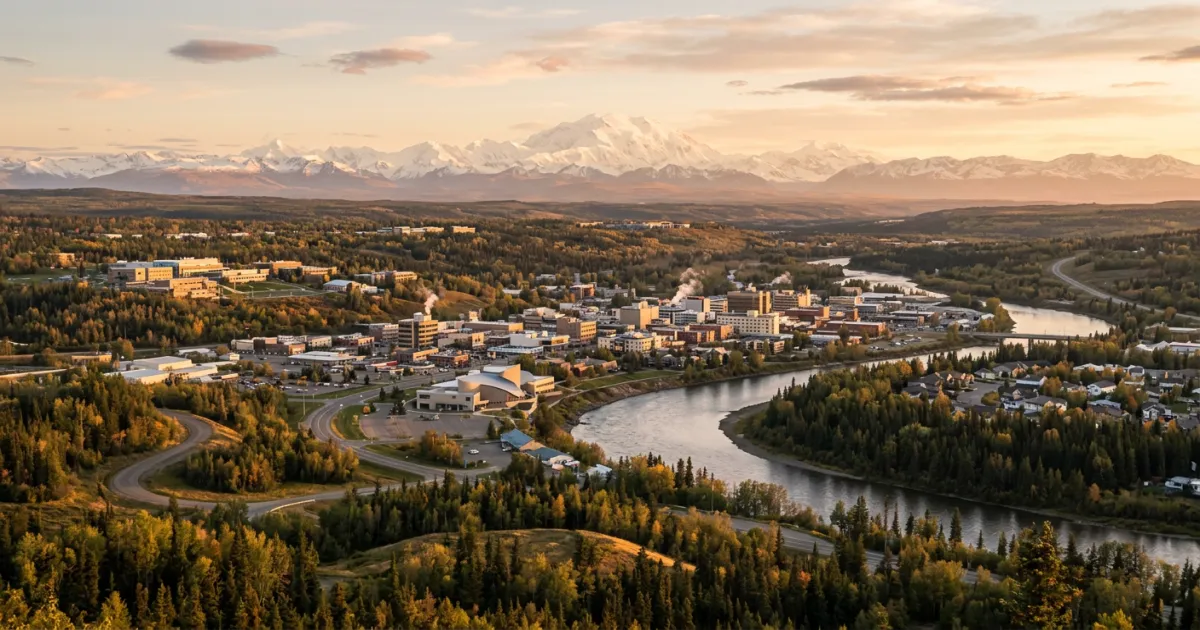
Fairbanks is Interior Alaska’s largest city and one of the best places in the world to see the Northern Lights. Located just 200 miles south of the Arctic Circle, Fairbanks experiences extreme seasonal swings: near-constant daylight in summer (the midnight sun) and long dark winters that are ideal for aurora viewing. The city serves as the starting point for the Dalton Highway to the Arctic Ocean and the gateway to Denali National Park from the north. It is also home to natural hot springs, gold rush history, and the University of Alaska’s excellent museum.
For a broader framework for organizing any trip, our how to plan a trip guide covers the fundamentals.
Best Time to Visit Fairbanks
August through March for Northern Lights. Fairbanks sits under the aurora oval, giving it among the highest aurora viewing rates in the world. September and March have the best combination of dark skies and bearable temperatures. June and July for midnight sun: the sun barely sets, with nearly 24 hours of daylight around the solstice (June 21). Summer temperatures reach 60 to 80 F. Winter temperatures can drop to -20 to -40 F.
Getting to Fairbanks
Fairbanks International Airport (FAI) has direct flights from Anchorage (1 hour), Seattle, Minneapolis, and Denver on Alaska Airlines and others. Summer has more flight options. From Anchorage, the drive is about 6 hours north via the Parks Highway (passes near Denali) or the Richardson Highway. The Alaska Railroad runs from Anchorage through Denali to Fairbanks (12 hours, spectacular scenery).
Top Things to Do in Fairbanks
- Northern Lights Viewing: Fairbanks has aurora visible an average of 200+ nights per year. Chena Hot Springs Resort offers aurora viewing packages. Several lodges outside town provide dark-sky locations. Best months: September, October, February, March.
- Chena Hot Springs: Natural hot springs about 60 miles east of Fairbanks. Soak in the outdoor rock lake under the aurora (winter) or midnight sun (summer). The Ice Museum on site has ice sculptures year-round. Day pass about $15.
- Midnight Sun (Summer): During the summer solstice (June 20 to 21), Fairbanks gets over 22 hours of daylight. The Midnight Sun Baseball Game (played without artificial lights at midnight since 1906) is a fun tradition. The Midnight Sun Festival in June fills downtown with vendors and music.
- Gold Panning and Gold Dredge No. 8: Pan for gold in Fairbanks, heart of Alaska’s gold rush country. Gold Dredge No. 8 offers a train ride and gold panning experience ($40 per adult). You keep the gold you find.
- University of Alaska Museum of the North: An excellent museum covering Alaska’s natural history, art, and Indigenous cultures. The building itself is architecturally striking. $15 per adult.
- Dalton Highway Day Trip: The road to the Arctic. While driving the full 414 miles to Deadhorse/Prudhoe Bay takes 2 days minimum, day trips to the Arctic Circle (200 miles round trip) are available by guided tour ($200 to $250).
Where to Stay
Downtown Fairbanks has hotels and B&Bs from $100 to $220 per night. Chena Hot Springs Resort (60 miles east) is the premier aurora-viewing lodge ($150 to $300). Aurora-focused lodges outside town offer dark-sky viewing with heated yurts or cabins ($150 to $400). Budget options include chain hotels near the airport ($80 to $130). Summer availability is better than winter aurora season; book ahead for September and March.
Sample 3-Day Fairbanks Itinerary
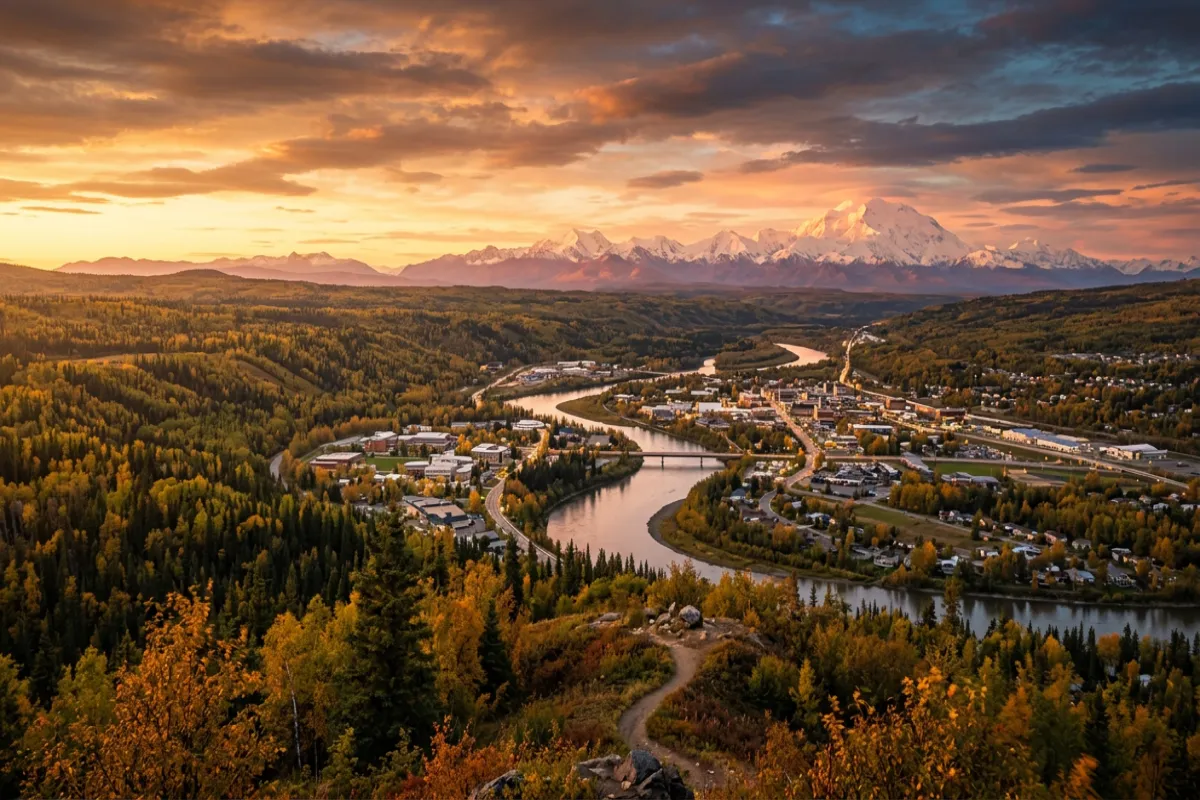
- Day 1 – Fairbanks: Explore downtown, the University Museum, and Pioneer Park. Gold panning at Gold Dredge No. 8. Evening drive to a viewpoint for midnight sun (summer) or Northern Lights (winter).
- Day 2 – Chena Hot Springs: Drive to Chena Hot Springs (1 hour). Soak in the hot springs, tour the Ice Museum. In winter, stay for the evening for Northern Lights viewing from the hot springs. In summer, enjoy the midnight sun soak.
- Day 3 – Arctic Circle or Denali: Option A: Arctic Circle day tour via the Dalton Highway (guided, full day). Option B: Drive south toward Denali National Park (2 hours to the entrance).
Budget Estimate
Budget travelers can manage on $100 to $160 per day with a budget hotel, cooking some meals, and free aurora viewing from public spots. Mid-range travelers should plan for $200 to $350 covering Chena Hot Springs ($15 day pass), a comfortable hotel, restaurant meals ($15 to $35), and Gold Dredge No. 8 ($40). Aurora tour packages and Dalton Highway tours ($200 to $250) are the biggest add-on costs. Alaska prices overall are 20 to 30% higher than the lower 48.
Planning Tools
Ready to start building your Fairbanks trip? Our free AI trip planner can generate a custom itinerary based on your dates, budget, and interests.
Frequently Asked Questions
When is the best time to see the Northern Lights in Fairbanks?
September and March offer the best balance of dark skies and manageable temperatures. December through February have the most darkness but extreme cold (-20 to -40 F). August and April are fringe months with shorter viewing windows but the most comfortable weather. Clear skies are essential; check the aurora forecast at gi.alaska.edu/monitors/aurora-forecast.
How cold does Fairbanks get in winter?
Very cold. Average January temperatures are -10 to -20 F, and it can drop to -40 F or colder. Dress in serious layers: base layer, insulating layer, and windproof outer layer. Hand and toe warmers are essential. The dry cold is surprisingly manageable with proper gear.
Is it worth visiting in summer?
Yes. The midnight sun is a unique experience, and Fairbanks in summer is warm, sunny, and surrounded by wilderness. Gold panning, hot springs, the university museum, and the start of several Alaska highway adventures make it a worthwhile base. You won’t see the Northern Lights in summer, though.