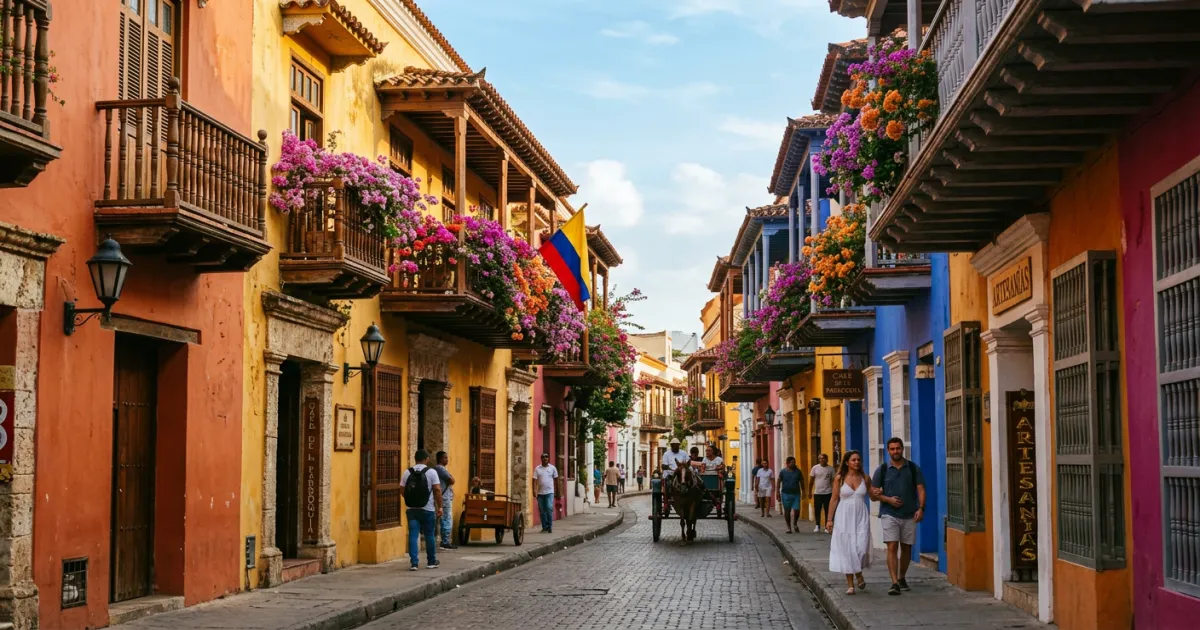
Colombia has transformed from a country travelers avoided to one of the most exciting destinations in South America. The colonial streets of Cartagena, the spring-like weather of Medellin, the coffee-covered mountains of the Zona Cafetera, and the emerging food and nightlife scene of Bogota create a country that rewards exploration. Add Caribbean beaches, Amazon rainforest, and some of the friendliest people you will meet anywhere, and Colombia becomes hard to resist. This guide covers everything you need to plan your trip. For a broader approach, see our step-by-step trip planning guide.
Key Planning Facts
- Location: Northwestern South America, with both Caribbean and Pacific coasts
- Currency: Colombian Peso (COP). Approximately 4,000 to 4,200 COP per 1 USD
- Language: Spanish (English spoken at tourist hotels and some restaurants in major cities, limited elsewhere)
- Visa for U.S. citizens: Not required for stays up to 90 days. Valid passport required. Extensions available
- Best months to visit: December to March and July to August (dry seasons)
- Average daily budget: $40 to $120 per person (Colombia is excellent value)
- Time zone: Colombia Time (COT, UTC-5, no daylight saving)
- Flight time from U.S.: 3 to 6 hours from southern U.S. cities; 5 to 7 hours from northern cities
- Climate note: Temperature is determined by altitude, not season. Cartagena is hot year-round (30+ degrees Celsius). Bogota is cool year-round (14 to 20 degrees Celsius). Medellin is spring-like year-round (22 to 28 degrees Celsius)
Best Time to Visit Colombia
Dry Season (December to March)
The best overall time. Dry weather across most of the country, comfortable temperatures, and the coffee harvest season. This is also peak tourist season, especially December, January, and Easter week, so prices rise and popular destinations get crowded. Book accommodation in advance.
Second Dry Season (July to August)
A shorter dry period that coincides with school holidays in Colombia and Europe. Good weather, especially in the Coffee Region and Medellin. Cartagena can be very hot. Less international tourists than December to March.
Shoulder Seasons (March to April, September to November)
March and April are good for fewer crowds and reasonable weather. September to November can be rainy but bring lower prices and fewer tourists. Late March and August are the sweet spots for avoiding both peak crowds and heavy rain.
Rainy Season (April to June, October to November)
Rain is common, typically falling in afternoon downpours rather than all-day events. Mornings are often dry. Prices drop. Green, lush landscapes. Perfectly viable for travel if you do not mind occasional rain.
How Long to Spend in Colombia
10 to 14 days covers the highlights: Bogota (2 to 3 days), Coffee Region (2 to 3 days), Medellin (3 to 4 days), and Cartagena (2 to 3 days). A focused 7-day trip works for two or three cities. Three weeks lets you add Caribbean islands (San Andres, Rosario Islands), the Amazon (Leticia), or the Tatacoa Desert.
Budget and Costs
Colombia is one of the best-value destinations in the Americas. Your dollar goes very far here, especially for food, accommodation, and local transport.
Daily Budget Ranges
- Budget: $30 to $50 per person per day. Hostels ($8 to $20 per night), menu del dia lunches ($3 to $5), street food, local buses
- Mid-range: $60 to $100 per person per day. Hotels ($30 to $60 per night), restaurant meals, domestic flights, guided tours
- Luxury: $150 and up per person per day. Boutique hotels ($80 to $200 per night), fine dining, private tours, premium experiences
Key Costs
- Menu del dia: Set lunch (soup, main course, drink, sometimes dessert) at local restaurants: 12,000 to 20,000 COP ($3 to $5). The best value meal in Colombia
- Street food: Empanadas: 2,000 to 4,000 COP ($0.50 to $1). Arepa: 3,000 to 5,000 COP ($0.75 to $1.25)
- Domestic flights: $40 to $120 one way. Viva Air (now Viva Colombia) and Avianca connect major cities. Bogota to Cartagena: about 1.5 hours, $50 to $100
- Long-distance buses: About $2.50 to $3.50 per hour of travel. Bogota to Medellin: about 8 to 10 hours by bus, $20 to $35
- Coffee farm tour: $15 to $40 per person in the Coffee Region. A highlight of any Colombia trip
- Metro (Medellin): 2,800 COP ($0.70) per ride. Includes the cable car (Metrocable) that goes up into the hillside neighborhoods
Use our free travel budget template to plan your Colombia expenses.
Getting There and Getting Around
Flying In
Bogota’s El Dorado Airport (BOG) is the main international gateway with direct flights from Miami, Fort Lauderdale, New York, Houston, and other U.S. cities. Cartagena (CTG) and Medellin (MDE) also receive some direct international flights. Flight times from the U.S. are relatively short (3 to 6 hours from southern cities).
Getting Between Cities
Domestic flights: Fast and affordable. Bogota to Medellin: 1 hour, $40 to $80. Bogota to Cartagena: 1.5 hours, $50 to $100. Medellin to Cartagena: 1 hour, $40 to $80. Viva and Avianca are the main carriers.
Buses: Colombia’s bus network covers the entire country. Long-distance buses are comfortable and cheap but slow (mountainous roads). Bogota to Medellin: 8 to 10 hours. Semi-cama and full-cama (reclining seats) buses are comfortable for overnight trips.
Getting Around Cities
Medellin has the best public transit (Metro + Metrocable). Bogota has TransMilenio (bus rapid transit). Taxis are metered in Bogota and Medellin. Rideshare apps (Uber and local alternatives like inDriver) work in major cities. In Cartagena, walk the Old Town and use taxis for other areas.
Where to Stay
Bogota
La Candelaria: The historic center with colonial architecture, museums, and street art. Budget-friendly hostels and guesthouses. Close to major sights but some areas are sketchy after dark. Zona Rosa and Parque 93: Upscale neighborhoods with restaurants, bars, and shopping. Safer at night. Mid-range to luxury hotels. Chapinero: Hipster neighborhood with craft breweries, vegan restaurants, and a creative scene. Increasingly popular with travelers.
Medellin
El Poblado: The most popular tourist neighborhood. Hotels, hostels, restaurants, and nightlife. Safe and walkable. Can feel like a tourist bubble. Laureles: A more local, residential neighborhood with great restaurants, coffee shops, and bars. Growing in popularity as an alternative to El Poblado. Envigado: A quieter neighborhood south of El Poblado with excellent food and a more authentic feel.
Cartagena
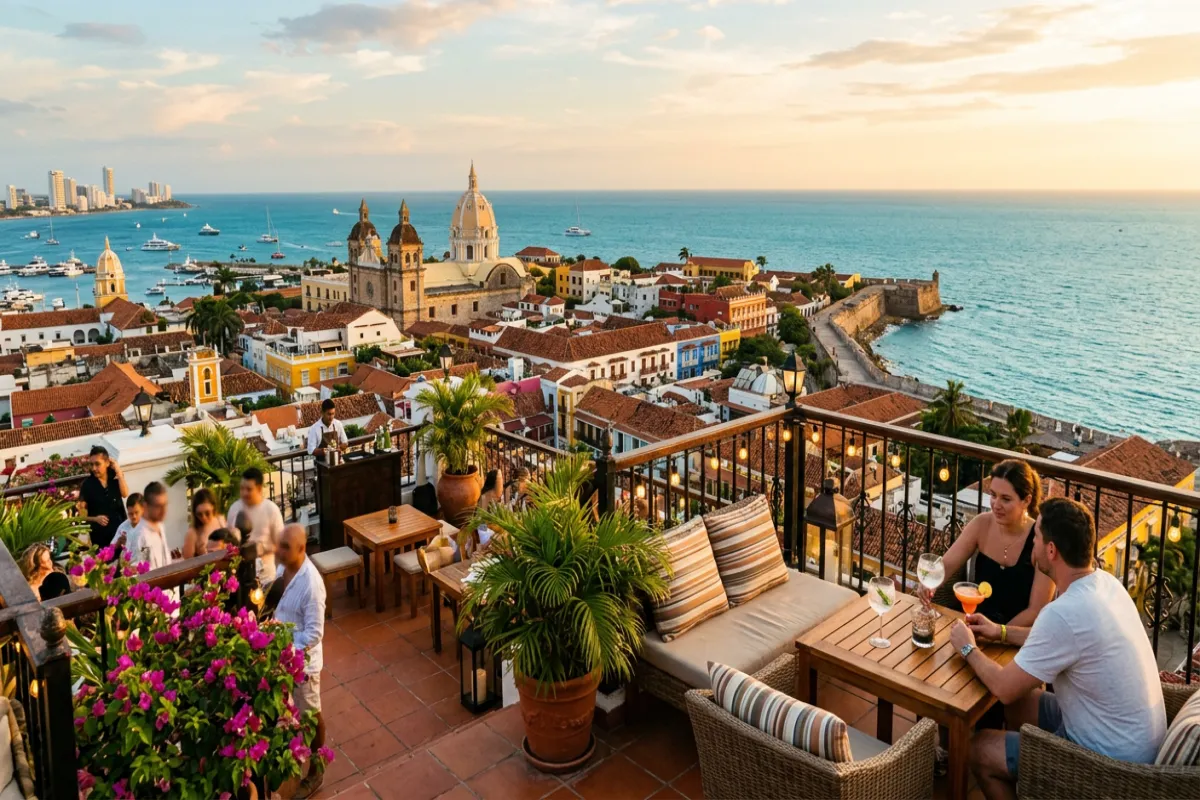
Old Town (Ciudad Amurallada): Inside the colonial walls. Atmospheric, beautiful, and walkable. Hotels range from budget to luxury boutique. The most expensive area in Cartagena. Getsemani: Adjacent to the Old Town but with a grittier, more authentic feel. Street art, hostels, rooftop bars, and a growing food scene. The best value neighborhood.
Must-See Attractions and Experiences
Cartagena’s Old Town
A UNESCO World Heritage Site. Walk the colonial streets lined with colorful buildings, bougainvillea, and balconies. The city walls, built in the 16th century to protect against pirates, are walkable at sunset. Plaza Santo Domingo and Plaza de la Trinidad (in Getsemani) are the main gathering spots. Castillo San Felipe de Barajas is the largest Spanish colonial fortress in the Americas.
Medellin’s Transformation
Medellin has undergone one of the most remarkable urban transformations in the world. Ride the Metrocable (cable car) from the metro into the hillside communities for panoramic city views. Visit Communa 13 (once one of the most dangerous neighborhoods, now a vibrant street art destination). Explore the Botanical Garden (free) and Plaza Botero (open-air sculpture plaza with 23 Fernando Botero works). The “City of Eternal Spring” has perfect weather year-round.
Coffee Region (Zona Cafetera)
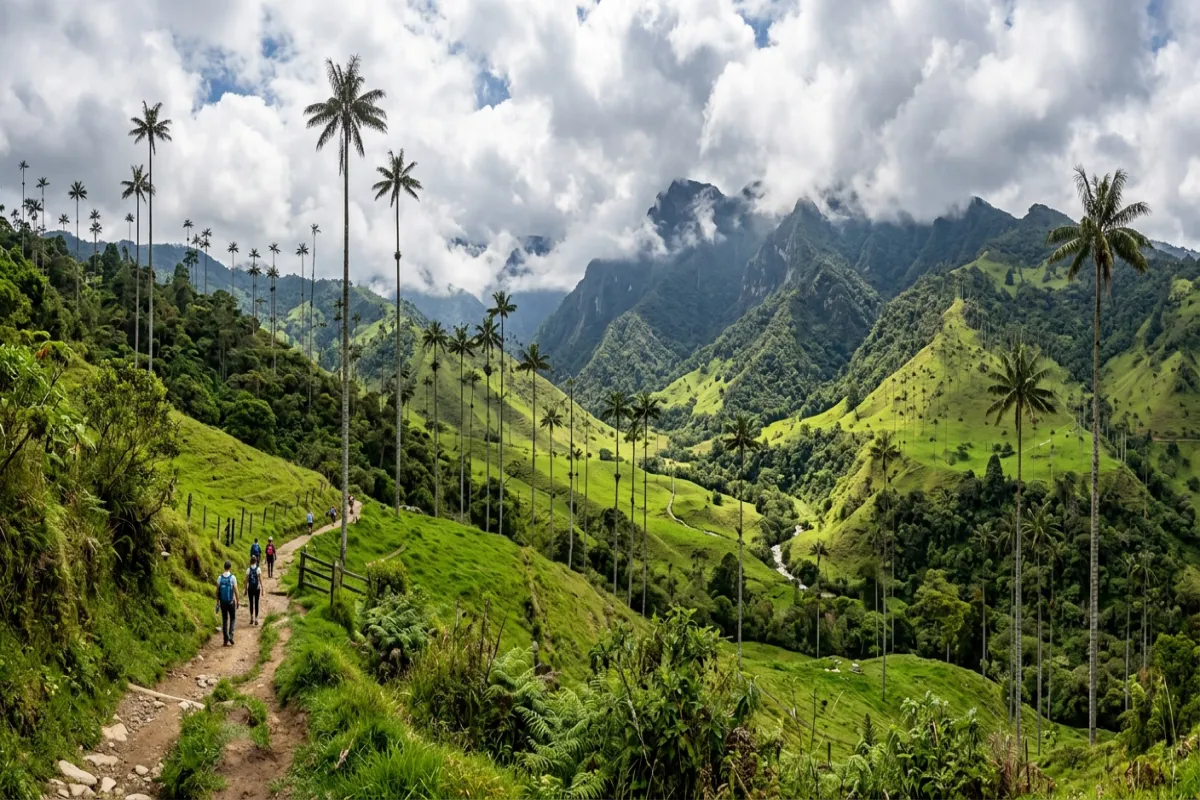
The rolling green mountains of Quindio, Risaralda, and Caldas produce some of the best coffee in the world. Stay on a coffee finca (farm) and take a coffee tour to see the process from seed to cup. Salento is the most popular base town, with colorful architecture and access to the Cocora Valley. The Cocora Valley hike through towering wax palms (Colombia’s national tree, up to 60 meters tall) is one of the most iconic hikes in South America.
Bogota
The capital sits at 2,640 meters (8,660 feet) elevation. Visit the Gold Museum (Museo del Oro, one of the most important museums in South America, free on Sundays), the Botero Museum (free, featuring Fernando Botero’s work), and take the funicular or cable car to Monserrate (3,152 meters) for views over the city. La Candelaria’s street art is world-class. The food scene has exploded in recent years.
Guatape
A day trip from Medellin (2 hours). Climb the 740 steps of La Piedra del Penol (a massive rock monolith) for 360-degree views over a lake-filled landscape. The town of Guatape itself is colorful, with painted facades on every building. One of the most photographed spots in Colombia.
Rosario Islands
A chain of islands about 45 minutes by boat from Cartagena. Turquoise Caribbean water, snorkeling, and white sand beaches. Day trips and overnight stays available. Bring cash as ATMs are limited on the islands.
Food and Dining
Colombian food is hearty, diverse, and incredibly affordable.
- Bandeja paisa: The national dish from the Antioquia region (Medellin). A massive plate of beans, rice, chicharron (fried pork belly), plantain, avocado, arepa, egg, and ground meat. Enough food for two meals. $4 to $8
- Arepas: Corn flatbread, filled or topped with cheese, egg, or meat. A staple at every meal. $0.75 to $2
- Empanadas: Deep-fried corn pastries filled with meat and potato. The perfect street snack. $0.50 to $1 each
- Ceviche: Fresh seafood cured in lime juice, especially good in Cartagena and along the coast
- Menu del dia: Set lunch at local restaurants. Soup, main course (meat, rice, beans, plantain), drink, sometimes dessert. $3 to $5. The best value meal in the country
- Colombian coffee: World-famous. Tinto (black coffee) is sold from thermoses on every street corner for about $0.25. Specialty coffee shops in Bogota and Medellin rival any in the world
- Fruit juices: Fresh tropical fruit juices (lulo, maracuya, guanabana, mango) are available everywhere for $1 to $2. Many fruits are unique to Colombia and not available elsewhere
Tipping: A 10 percent “propina voluntaria” (voluntary service charge) is added to restaurant bills. The server will ask if you want to include it. It is customary to accept.
Safety and Practical Tips
- Safety: Colombia has improved dramatically in safety over the past two decades. Major tourist areas in Bogota, Medellin, Cartagena, and the Coffee Region are generally safe. Use standard precautions: avoid displaying expensive jewelry or electronics, use registered taxis or rideshare apps, stay in well-traveled areas at night, and be aware of your surroundings
- Altitude: Bogota sits at 2,640 meters (8,660 feet). Take it easy the first day. Drink water and avoid heavy meals and alcohol. Altitude symptoms (headache, shortness of breath) are common and usually pass within a day
- Spanish: English is limited outside of tourist areas. Learn basic Spanish phrases or use a translation app. Locals appreciate any effort to speak Spanish. In Medellin and Cartagena tourist zones, you can get by with English
- Cash: While credit cards are accepted at most hotels and upscale restaurants, many smaller shops, buses, and street vendors are cash-only. ATMs are widely available. Notify your bank before traveling
- Water: Tap water is safe in Bogota and Medellin. In smaller towns and rural areas, drink bottled water
- Sun protection: UV is strong at all altitudes. Wear sunscreen even in cool Bogota (the sun is intense at high elevation)
- Scams: Be cautious of overly friendly strangers offering unsolicited help in tourist areas. Do not accept food or drinks from strangers. These precautions apply to all major tourist cities worldwide
- Electrical outlets: Type A and B plugs (same as U.S.). 110V. No adapter needed for U.S. travelers
- Emergency number: 123
Sample 10-Day Colombia Itinerary
Days 1 to 3: Bogota
Fly into El Dorado Airport (BOG). Day 1: La Candelaria walking tour, Gold Museum, Botero Museum, street art. Lunch: menu del dia at a local restaurant. Day 2: take the funicular to Monserrate for city views. Explore Chapinero neighborhood for coffee and food. Day 3: Zipaquira Salt Cathedral day trip (underground cathedral carved in a salt mine, about 1 hour north) or Paloquemao market (Bogota’s largest food market).
Days 4 to 5: Coffee Region
Fly from Bogota to Pereira or Armenia (about 45 minutes). Transfer to Salento (1.5 hours). Day 4: explore Salento’s colorful streets. Afternoon: coffee farm tour. Day 5: hike the Cocora Valley (5 to 6 hours round trip through wax palm forests). Return to Salento for trout dinner (a local specialty).
Days 6 to 8: Medellin
Bus from Salento to Medellin (about 6 hours) or fly from Pereira (30 minutes). Day 6: city overview. Ride Metrocable for hillside views. Visit Communa 13 (guided walking tour recommended). Day 7: day trip to Guatape (climb La Piedra, explore the colorful town). Day 8: Botanical Garden (free), Plaza Botero, explore Laureles or El Poblado. Evening: dinner and nightlife.
Days 9 to 10: Cartagena
Fly Medellin to Cartagena (1 hour). Day 9: walk the Old Town walls at sunset, explore Getsemani street art, Castillo San Felipe. Dinner: seafood in the Old Town. Day 10: morning at Rosario Islands (day trip, snorkeling, beach). Afternoon: last walk through the Old Town. Fly home from Cartagena (CTG).
Ready-Made Colombia Itineraries
We have built day-by-day itineraries with activities, travel times, budgets, and local tips:
Or build a custom itinerary with our free AI trip planner.
More Planning Resources
Frequently Asked Questions
Do U.S. citizens need a visa for Colombia?
No. U.S. citizens can enter Colombia without a visa for stays up to 90 days. Valid passport required. Extensions are available through Colombia’s immigration office.
What is the best time to visit Colombia?
December to March and July to August (dry seasons). Late March and August are the best for avoiding peak crowds while still getting good weather. Colombia’s temperature is determined by altitude, not season.
Is Colombia safe for tourists?
Major tourist areas in Bogota, Medellin, Cartagena, and the Coffee Region are generally safe. Colombia has improved dramatically over the past two decades. Use standard precautions: rideshare apps, stay in well-traveled areas at night, avoid displaying valuables.
How cheap is Colombia?
Very affordable. Budget travelers can manage on $30 to $50 per day. Menu del dia lunches cost $3 to $5. Street food is under $1. Domestic flights are $40 to $100. Colombia is one of the best-value destinations in the Americas.
Do I need to speak Spanish?
It helps significantly. English is limited outside tourist zones in major cities. Learn basic phrases or use a translation app. Locals appreciate any effort to speak Spanish.
What about altitude in Bogota?
Bogota sits at 2,640 meters (8,660 feet). Take it easy the first day: drink water, avoid heavy meals and alcohol. Altitude symptoms (headache, shortness of breath) are common but usually pass within 24 hours.
How do I get between cities?
Fly for speed (flights between major cities take 30 to 90 minutes, $40 to $100). Buses for budget (slower but comfortable; Bogota to Medellin is 8 to 10 hours, $20 to $35). Domestic flights are frequent and affordable.
What is the Coffee Region?
The Zona Cafetera (Quindio, Risaralda, Caldas) produces some of the world’s best coffee. Stay on a coffee finca, take farm tours, hike the Cocora Valley (wax palms up to 60 meters tall), and explore the colorful town of Salento.
Is the water safe to drink?
Tap water is safe in Bogota and Medellin. In smaller towns, coastal areas, and rural regions, drink bottled water to be safe.
What should I pack?
Layers (Bogota is cool, Cartagena is hot, Medellin is between). Light clothing for the coast, a jacket for Bogota. Comfortable walking shoes. Sunscreen (strong UV at all altitudes). Rain jacket for rainy season. Insect repellent for rural and coastal areas.