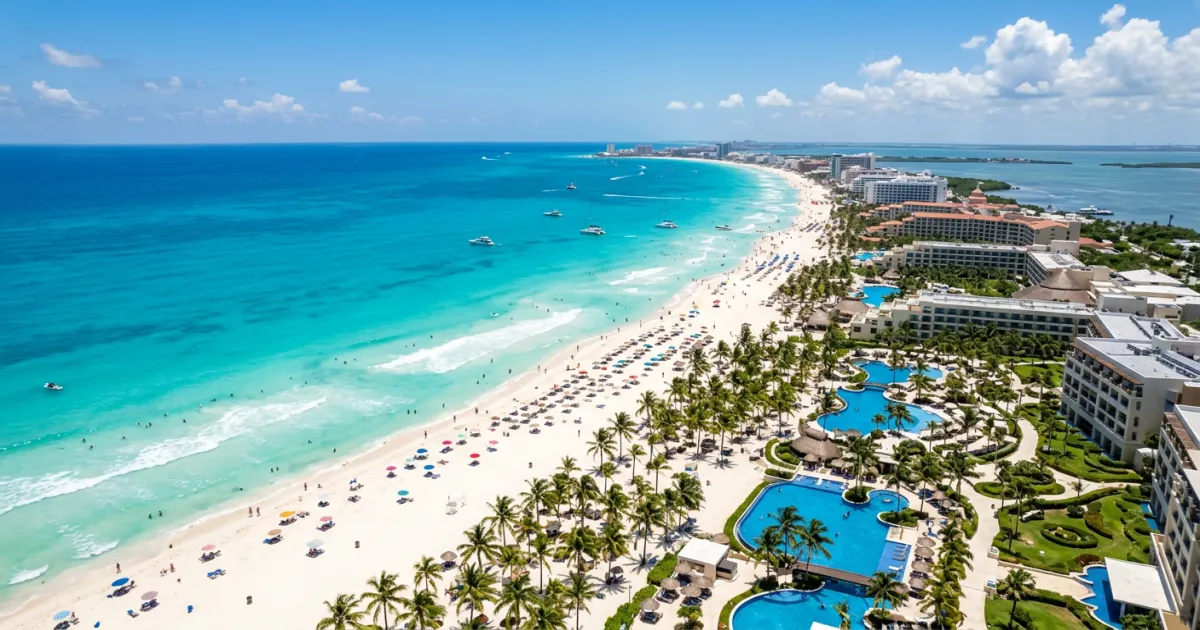
Cancun offers the easiest entry to Mexico’s Caribbean coast: turquoise water, white sand beaches, ancient Maya ruins, underwater cave systems (cenotes), and a hotel zone built for all-inclusive relaxation. But Cancun is also a gateway to deeper experiences: the ruins of Chichen Itza, the bohemian coast of Tulum, the island charm of Isla Mujeres, and some of the most spectacular natural swimming holes in the world. This guide covers everything you need to plan your trip. For a broader approach, see our step-by-step trip planning guide.
Key Planning Facts
- Location: Yucatan Peninsula, southeastern Mexico, Caribbean coast
- Currency: Mexican Peso (MXN). Approximately 17 to 18 MXN per 1 USD. U.S. dollars widely accepted in the Hotel Zone (but you get a better rate paying in pesos)
- Language: Spanish (English widely spoken in the Hotel Zone and tourist areas)
- Visa for U.S. citizens: Not required for stays up to 180 days. Valid passport required. Complete the Mexico entry form (Forma Migratoria) online before arrival
- Best months to visit: December to April (dry season, best weather)
- Average daily budget: $80 to $250 per person (all-inclusive resorts change the math significantly)
- Time zone: Eastern Standard Time (EST, UTC-5, same as New York, no daylight saving)
- Airport: Cancun International Airport (CUN), about 15 miles from the Hotel Zone
- Sargassum note: Seaweed (sargassum) regularly arrives on the Caribbean coast from April to August. Islands like Isla Mujeres and Cozumel are largely protected. Resorts with good sargassum management maintain clean beaches
Best Time to Visit Cancun
Dry Season (December to April)
The best weather: sunny, warm (75 to 88 degrees Fahrenheit), and very little rain. This is peak season with the highest prices and largest crowds. Book 3 to 4 months ahead. Spring break (March) brings significant crowds of college students to the Hotel Zone. The equinox at Chichen Itza (March 20) creates a spectacular shadow serpent phenomenon but extreme crowds.
Shoulder Season (May to June, November)
Excellent value. Hotel prices drop 25 to 40 percent from peak season. Weather is still warm and mostly sunny, with occasional afternoon rain. Sargassum (seaweed) may begin arriving in May. November is the transition month before peak season prices kick in.
Hurricane and Rainy Season (July to October)
The cheapest time to visit (hotel rates 40 to 60 percent below peak). Hot and humid (85 to 92 degrees Fahrenheit) with daily afternoon rain showers. Hurricane risk is real but low for any specific trip (peak risk August to October). All-inclusive resorts are a good strategy for rainy days because pools, restaurants, and entertainment are already paid for. Sargassum peaks July to August.
How Long to Spend in Cancun
3 to 4 days is enough for beach relaxation and a day trip or two. 5 to 7 days lets you combine beach time with Chichen Itza, cenotes, Isla Mujeres, and Tulum. A week or more is ideal if you want to explore the Riviera Maya coast from Playa del Carmen to Tulum at a relaxed pace.
Budget and Costs
Cancun costs vary dramatically between all-inclusive resort stays and independent travel.
Daily Budget Ranges
- Budget: $60 to $120 per person per day. Downtown Cancun hotels ($30 to $60 per night), local restaurants and taco stands, public buses, free cenotes
- Mid-range: $150 to $250 per person per day. Mid-range Hotel Zone hotel or moderate all-inclusive ($100 to $200 per night), restaurant dining, organized tours
- All-inclusive resort: $200 to $500+ per person per day. Everything included: room, meals, drinks, entertainment, pools, beach. Simplifies budgeting since most expenses are prepaid
Key Costs
- All-inclusive resorts: $150 to $500+ per person per night. Price includes room, all meals, drinks (including alcohol), entertainment, and beach/pool access. Good value if you enjoy resort amenities
- Chichen Itza day trip: $80 to $150 per person (organized tour with transport, guide, lunch, and a cenote stop). Self-drive is cheaper. Entry fee: about 600 MXN ($35)
- Cenote entry: 200 to 500 MXN ($12 to $30) per person per cenote. Some are free. Life jackets usually included. Bring waterproof gear for photos
- Isla Mujeres ferry: About $15 to $20 USD round trip from Puerto Juarez or the Hotel Zone. Ferries run every 30 minutes
- Meals outside resorts: Tacos: $1 to $3 each. Casual restaurant: $8 to $15. Seafood dinner: $15 to $30. Downtown Cancun is significantly cheaper than the Hotel Zone
- Airport transfer: Official airport taxis cost $40 to $60 to the Hotel Zone. Shuttles: $15 to $25 per person. ADO bus to downtown: about $5
Use our free travel budget template to plan your Cancun expenses.
Getting There and Getting Around
Flying In
Cancun International Airport (CUN) is one of the busiest in Mexico with direct flights from most major U.S. cities. Flight time: 2 to 4 hours from most eastern and central U.S. cities. The airport is about 15 miles from the Hotel Zone.
Hotel Zone Transport
The Hotel Zone is a long, narrow island connected to the mainland by two bridges. R-1 and R-2 public buses run the length of the Hotel Zone (12 MXN, about $0.70). Taxis in the Hotel Zone are expensive ($10 to $25 for short trips) and do not use meters. Uber works but has restrictions in the Hotel Zone. Walking along the Hotel Zone is possible but distances are long (the zone is about 14 miles).
Getting to Day Trip Destinations
ADO buses run from Cancun to Playa del Carmen (1 hour), Tulum (2 hours), Valladolid (2.5 hours), and Chichen Itza (3 hours). Organized tours handle transportation for most day trips. Rental cars are useful for cenotes and independent exploration but not needed for the Hotel Zone.
Where to Stay
Hotel Zone (Zona Hotelera)
The 14-mile strip of beach resorts, hotels, clubs, and restaurants. All-inclusive resorts dominate. The best beaches and most tourist infrastructure are here. North end (near Playa Delfines): larger waves, fewer crowds. Central section: closest to nightlife and shopping. South end: quieter, some of the best snorkeling.
Downtown Cancun (Centro)
Where locals live. Budget hotels, hostels, authentic Mexican restaurants, and Parque de las Palapas (a lively public square). Significantly cheaper than the Hotel Zone. Access the Hotel Zone by a 15 to 20 minute bus ride ($0.70).
Isla Mujeres
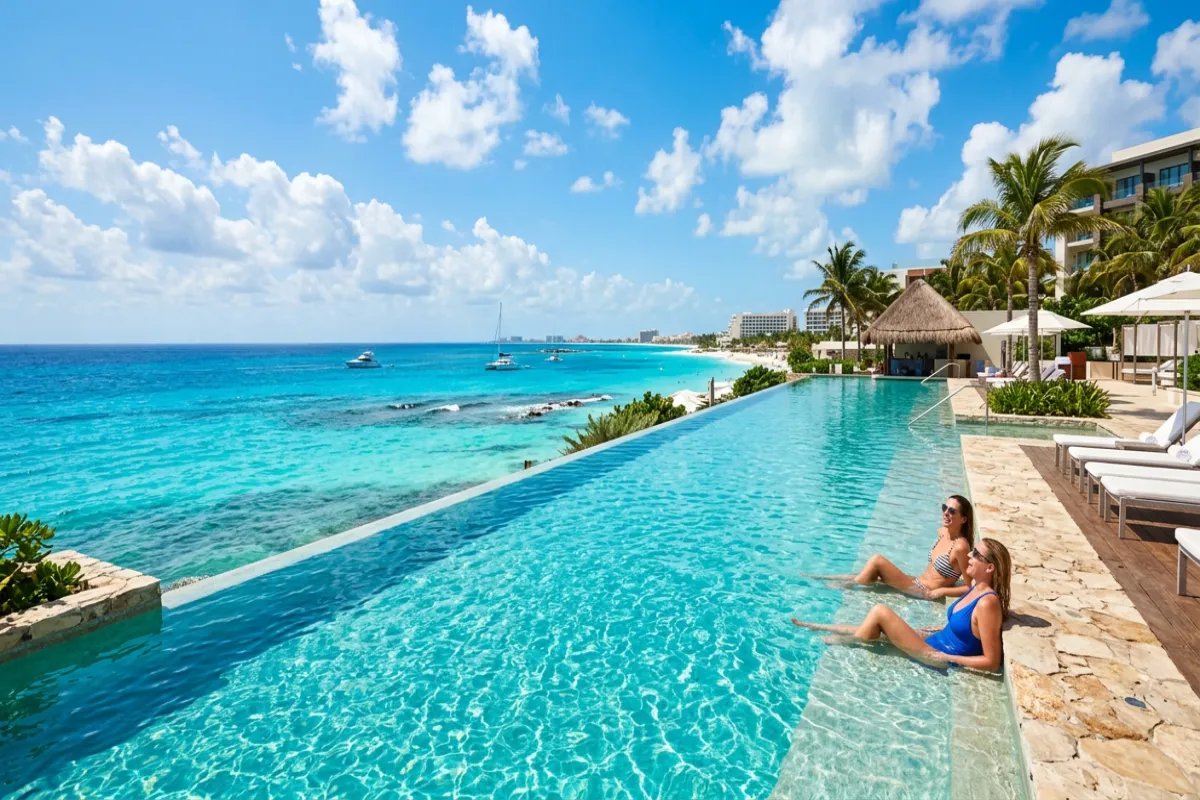
A small island 20 minutes by ferry from Cancun. Quieter, more charming, with its own beautiful beaches (Playa Norte is consistently ranked among the best in Mexico). Golf carts are the primary transport. A great alternative or complement to the Hotel Zone.
Must-See Attractions and Experiences
Chichen Itza
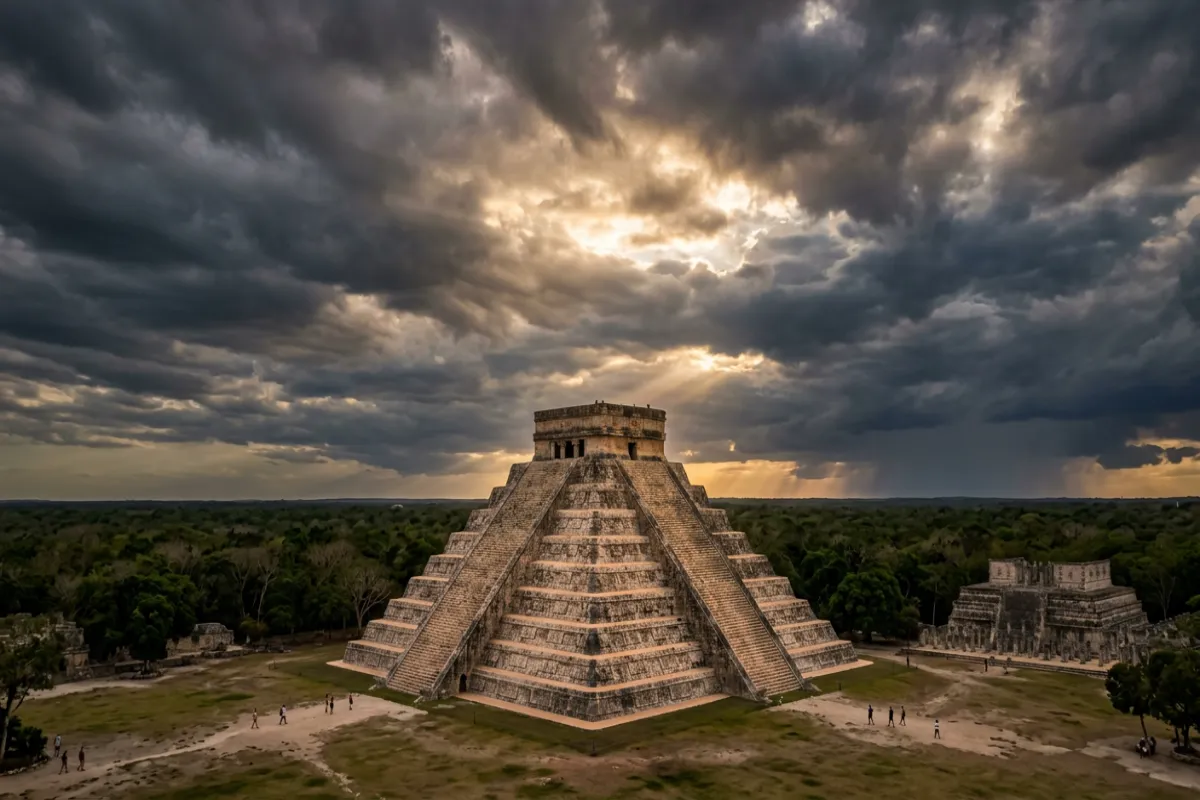
One of the New Seven Wonders of the World. The Maya pyramid of Kukulkan (El Castillo) is the centerpiece. About 2.5 to 3 hours from Cancun by car or bus. During the equinox (March 20 and September 22), shadows create a serpent effect on the pyramid steps. Entry: about 600 MXN ($35). Go early morning to beat both heat and crowds. Most organized tours include lunch and a cenote stop.
Cenotes
Natural sinkholes filled with crystal-clear freshwater, formed when limestone collapses to reveal underground rivers. The Yucatan has over 6,000 cenotes. Popular cenotes near Cancun: Cenote Ik Kil (near Chichen Itza, partially open-air), Gran Cenote (near Tulum, swimmable cave), Cenote Suytun (Instagram-famous light beam), and Cenote Azul (open-air, family-friendly). Entry: $12 to $30 per cenote. Build at least one cenote day into your itinerary.
Isla Mujeres
A small Caribbean island 20 minutes by ferry. Playa Norte (North Beach) is one of the best beaches in Mexico: calm, shallow, turquoise water. Rent a golf cart ($40 to $60 per day) and drive the island. Visit Punta Sur (the southernmost tip with cliffs and a small Maya temple ruin). Snorkel the MUSA underwater museum (submerged sculptures). The island has a slower, more relaxed vibe than the Hotel Zone.
Tulum Ruins
A Maya fortress perched on cliffs above the Caribbean Sea (the only Maya city built on the coast). About 2 hours south of Cancun. Small but spectacularly situated. Visit early morning for photos without crowds. Combine with cenotes nearby and Tulum’s beach clubs.
Snorkeling and Diving
The Mesoamerican Barrier Reef (second-largest in the world) is just offshore. Snorkeling from the Hotel Zone beaches reveals tropical fish, rays, and sea turtles. PADI diving certification courses are available. Cozumel (accessible by ferry from Playa del Carmen) has world-class diving at Palancar Reef.
Underwater Museum (MUSA)
Over 500 life-size sculptures submerged in the ocean near Isla Mujeres and the Hotel Zone. Snorkel or dive to see art installations covered in coral growth. Tours: $40 to $60 for snorkeling, $80 to $100 for diving.
Food and Dining
- Tacos al pastor: Spit-roasted pork with pineapple, onion, and cilantro on corn tortillas. The best are found at street stands downtown, not in the Hotel Zone. $1 to $3 per taco
- Ceviche: Fresh seafood cured in lime juice. Widely available along the coast. $5 to $12
- Cochinita pibil: Yucatecan slow-roasted pork marinated in achiote and citrus, wrapped in banana leaves. A regional specialty
- Salbutes and panuchos: Traditional Yucatecan snacks: fried tortillas topped with turkey or chicken, pickled onions, and avocado
- Margaritas: Cancun takes margaritas seriously. Fresh lime juice, good tequila, and salt. The all-inclusive resorts serve unlimited versions
- Seafood: Lobster, shrimp, grilled fish, and ceviche are fresh and affordable outside the Hotel Zone
Tipping: 15 to 20 percent at restaurants. Tip in pesos rather than dollars for better value to the server. All-inclusive staff (housekeeping, bartenders, waiters) appreciate tips of $1 to $5 per service.
Safety and Practical Tips
- Safety: The Hotel Zone and tourist areas are generally safe. Cancun’s economy depends on tourism and security is a priority. Standard precautions: do not accept drinks from strangers, use hotel safes for valuables, and stick to well-traveled areas at night. Downtown Cancun is safe in central areas but avoid isolated streets after dark
- Sargassum: Seaweed (sargassum) arrives seasonally (mainly April to August) on Caribbean-facing beaches. It can make some beaches unpleasant. Resorts clean their beaches daily. Isla Mujeres and Cozumel are largely unaffected. Check current conditions before booking summer trips
- Water: Do not drink tap water. Drink bottled or purified water. Ice at hotels and restaurants is made from purified water and is safe. Avoid street ice from unknown sources
- Sunburn: The tropical sun is intense. Wear reef-safe sunscreen (SPF 50+), a hat, and sunglasses. Reapply constantly, especially after swimming
- Timeshare sellers: You will encounter aggressive timeshare salespeople at the airport, on the street, and in the Hotel Zone. A firm “no, thank you” works. Do not make eye contact or engage in conversation
- Currency: Pay in pesos for the best rates. The Hotel Zone accepts USD but at a worse exchange rate. ATMs give pesos; avoid airport exchange booths (poor rates). Notify your bank before traveling
- Reef-safe sunscreen: Required at many cenotes and eco-parks. Avoid products containing oxybenzone or octinoxate. Buy biodegradable sunscreen before your trip
Sample 5-Day Cancun Itinerary
Day 1: Arrival and Beach
Fly into CUN. Transfer to Hotel Zone. Afternoon: beach time at Playa Delfines (free, beautiful, less crowded than resort beaches). Sunset walk along the Hotel Zone. Evening: dinner and explore the nightlife scene.
Day 2: Isla Mujeres
Ferry to Isla Mujeres (20 minutes). Rent a golf cart. Spend the morning at Playa Norte (one of Mexico’s best beaches). Drive to Punta Sur for cliff views. Lunch: fresh ceviche or grilled fish at a beachfront restaurant. Afternoon: MUSA underwater museum snorkeling tour. Ferry back for evening in Cancun.
Day 3: Chichen Itza and Cenote
Early departure for Chichen Itza (2.5 to 3 hours by tour or car). Explore the Maya ruins (allow 2 to 3 hours). Lunch included on most tours. Stop at Cenote Ik Kil for a swim on the way back. Return to Cancun by evening.
Day 4: Cenotes and Tulum
Drive or take a tour south along the coast. Morning: Gran Cenote (near Tulum) for swimming and snorkeling in a cave cenote. Visit Tulum Ruins (cliff-top Maya site above the Caribbean). Afternoon: beach time at Tulum or a Tulum beach club. Return to Cancun.
Day 5: Resort Day and Departure
Morning: enjoy the resort pools and beach, or snorkel from the Hotel Zone. Shopping at La Isla or Kukulcan Plaza. Lunch at a downtown taco stand for authentic flavors. Head to the airport.
Planning Your Cancun Trip
Start building your custom itinerary with our free AI trip planner.
For more trip planning resources:
- Plan a Trip to Mexico
- Plan a Trip to Costa Rica
- Plan a Trip to Jamaica
- Free Travel Itinerary Template
Frequently Asked Questions
What is the best time to visit Cancun?
December to April (dry season, best weather). May to June and November are excellent value (25 to 40 percent cheaper). July to October has the lowest prices but hurricane risk and sargassum. Spring break (March) brings large college crowds.
Do I need a visa for Mexico?
No. U.S. citizens can visit for up to 180 days without a visa. Valid passport required. Complete the Mexico entry form online before arrival.
How expensive is Cancun?
Varies widely. All-inclusive resorts: $150 to $500+ per person per night (everything included). Independent travel: budget $60 to $120 per day. Downtown Cancun is significantly cheaper than the Hotel Zone. Tacos cost $1 to $3 each.
What is sargassum?
Seaweed that arrives seasonally (mainly April to August) on Caribbean-facing beaches. It can make some beaches unpleasant and smelly. Resorts clean their beaches daily. Isla Mujeres and Cozumel are largely unaffected. Check conditions before booking summer trips.
Is Cancun safe?
The Hotel Zone and tourist areas are generally safe with visible security. Standard precautions: do not accept drinks from strangers, use hotel safes, stick to well-traveled areas at night. Cancun’s economy depends on tourism.
Should I get an all-inclusive?
It depends on your travel style. All-inclusives simplify budgeting and are good value if you enjoy resort amenities. If you want to explore independently, eat at local restaurants, and take day trips, an independent hotel gives more flexibility at potentially lower cost.
How do I get to Chichen Itza?
2.5 to 3 hours from Cancun by car or organized tour ($80 to $150 per person including guide, transport, lunch, and cenote stop). ADO buses also run from Cancun ($25 to $30 each way). Go early to beat the heat and crowds.
What are cenotes?
Natural sinkholes filled with crystal-clear freshwater. The Yucatan has over 6,000. Some are open-air pools, others are underground caves. Swimming, snorkeling, and diving are common. Entry: $12 to $30 per cenote. One of Mexico’s best experiences.
Should I pay in pesos or dollars?
Pesos. The Hotel Zone accepts USD but at a worse exchange rate (typically 10 to 15 percent less favorable). Use ATMs for pesos. Avoid airport exchange booths.
What should I pack?
Swimsuit, reef-safe sunscreen (SPF 50+, biodegradable for cenotes), sunglasses, hat, light cover-up, water shoes for cenotes, a light rain jacket (for afternoon showers), comfortable walking shoes for ruins, and insect repellent.