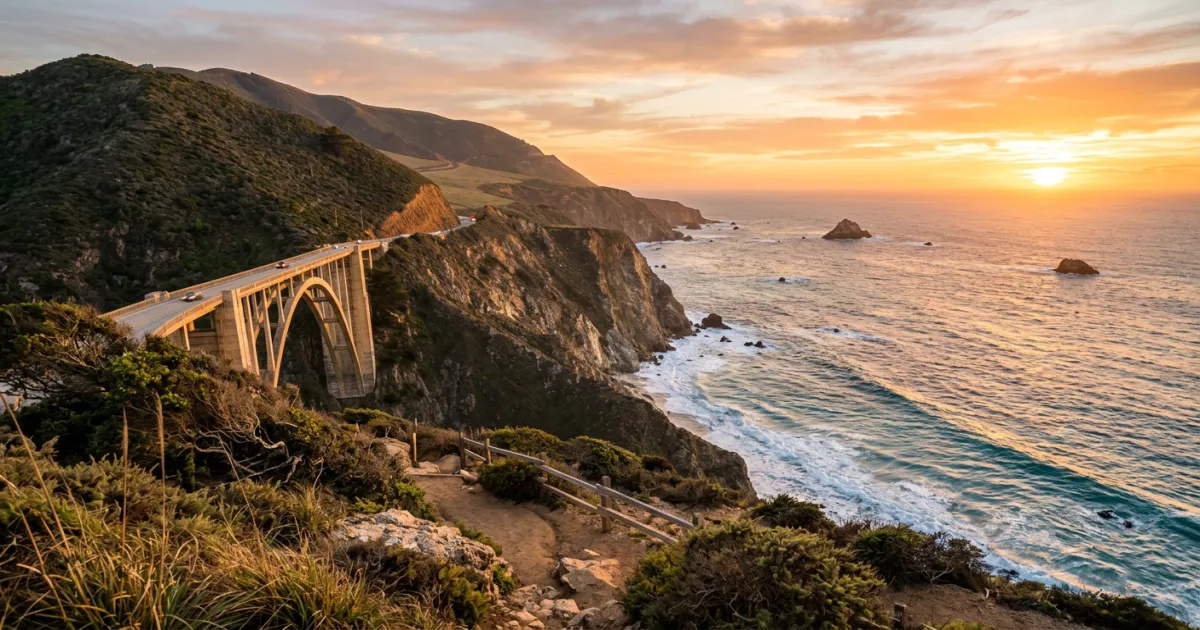
California has 900 miles of Pacific coastline, towering redwood forests, desert landscapes, world-class national parks, legendary cities, and one of the best food and wine scenes in the country. A California road trip is one of the great American travel experiences. Whether you are driving Highway 1 along the coast, exploring Yosemite Valley, tasting wine in Napa, or surfing in San Diego, this guide helps you plan it all. For a broader approach, see our step-by-step trip planning guide.
Key Planning Facts
- Location: West Coast of the United States
- Currency: US Dollar (USD)
- Language: English (Spanish widely spoken)
- Best months to visit: April to June and September to October
- Average daily budget: $130 to $300 per person depending on region and travel style
- Time zone: Pacific Time (PT)
- Major airports: Los Angeles (LAX), San Francisco (SFO), San Diego (SAN), Sacramento (SMF), Oakland (OAK)
- State size: 163,696 square miles, third largest U.S. state. 840 miles from north to south
- Gas prices: California has the highest gas prices in the U.S. (averaging $5.00 to $5.50 per gallon in 2026). Budget accordingly for road trips
Best Time to Visit California
Spring (April to June)
One of the best times to visit. Wildflowers bloom across the deserts and hills, temperatures are comfortable statewide (60 to 80 degrees Fahrenheit), and crowds are lighter than summer. Yosemite waterfalls are at their peak from snowmelt. Wine country is lush and green. Some high Sierra passes and trails may still be snow-covered through May.
Summer (July to September)
Peak tourism season. Southern California beaches and national parks are busy and hot (inland temperatures can exceed 100 degrees Fahrenheit). San Francisco stays cool, often foggy (locals joke that the coldest winter they ever spent was a summer in San Francisco). Sierra Nevada hiking is at its best from July through September when all trails and passes are open. Yosemite requires advance reservations.
Fall (September to November)
Excellent throughout the state. Crowds thin, prices drop, and the weather is warm and clear. Harvest season in wine country (September and October) brings grape crush festivals and golden vineyard landscapes. National parks are quieter but still accessible.
Winter (December to March)
Southern California remains mild (50 to 70 degrees Fahrenheit). Ski resorts in the Sierra Nevada (Lake Tahoe, Mammoth) operate from November through April. Northern California is rainy. Desert destinations (Joshua Tree, Death Valley, Palm Springs) are at their best in winter. Pacific Coast Highway (Highway 1) may have closures due to storms or mudslides.
How Long to Spend in California
California is enormous. A 7 to 10 day trip covers one major road trip route: either San Francisco to Los Angeles via the coast (PCH), or a national parks loop (Yosemite, Sequoia, Kings Canyon, Death Valley). Two weeks lets you combine the coast with national parks or add wine country and San Diego. Three weeks covers most of the state’s highlights at a comfortable pace.
Budget and Costs
California is one of the most expensive states for travel, particularly in San Francisco, Los Angeles, and along the coast. National parks and inland areas offer better value.
Daily Budget Ranges
- Budget: $100 to $160 per person per day. Hostels or budget motels ($70 to $120 per night), casual meals, free beach and park activities
- Mid-range: $200 to $300 per person per day. Hotels ($180 to $300 per night), restaurant dining, wine tastings, national park passes
- Luxury: $400 and up per person per day. Boutique hotels ($300 to $600 per night), fine dining, private tours, spa retreats
Key Costs
- Rental car: $50 to $100 per day. Essential for road trips. Book early for summer
- Gas: $5.00 to $5.50 per gallon (highest in the U.S.). Budget $30 to $50 per day for road trip driving
- National park entry: Yosemite $35 per vehicle. Joshua Tree $30. Sequoia/Kings Canyon $35. America the Beautiful annual pass $80 (covers all parks)
- Wine tasting: $20 to $50 per tasting in Napa Valley. $10 to $30 in Sonoma, Paso Robles, and other regions
- Meals: Casual restaurant: $15 to $30. Farm-to-table dinner: $40 to $80. Tacos: $3 to $5 each. Seafood at the wharf: $20 to $40
- Hotels: San Francisco averages $250 to $300 per night. Los Angeles: $180 to $280. San Diego: $150 to $250. Small coastal towns: $150 to $300
Use our free travel budget template to plan your California expenses.
Getting There and Getting Around
Flying In
LAX and SFO are the two largest airports with the most domestic and international flights. San Diego (SAN), Oakland (OAK), Sacramento (SMF), and San Jose (SJC) also offer competitive fares. For one-way road trips, fly into one city and out of another to avoid backtracking.
Driving
A rental car is the best way to experience California. Key routes:
- Pacific Coast Highway (Highway 1): San Francisco to Los Angeles (or reverse). About 380 miles, 8 to 10 hours of driving without stops, but plan 2 to 3 days with stops at Big Sur, Monterey, San Simeon, and Santa Barbara
- Highway 395 (Eastern Sierra): Runs along the eastern side of the Sierra Nevada. Connects Yosemite (Tioga Pass, summer only) to Mammoth Lakes, Bishop, Lone Pine (Mt. Whitney), and Death Valley
- Interstate 5: The fast route from San Francisco to Los Angeles (6 hours). Not scenic but efficient
Public Transit
San Francisco has excellent public transit (Muni, BART). Los Angeles has expanded its Metro rail system but is still primarily a car city. San Diego’s trolley system covers the main areas. Between cities, Amtrak’s Coast Starlight train from Seattle to Los Angeles is scenic but slow.
California’s Regions
San Francisco and the Bay Area
Golden Gate Bridge, Alcatraz Island, cable cars, Fisherman’s Wharf, Chinatown (the oldest in North America), and a world-class restaurant scene. Day trips to Muir Woods (redwoods), Sausalito, Napa Valley, and Sonoma wine country. Cool, foggy summers. Pack layers.
Central Coast (Monterey to Santa Barbara)
Big Sur is one of the most dramatic stretches of coastline in the world. Monterey has the famous aquarium. Carmel-by-the-Sea is a storybook village. San Luis Obispo is a college town with great food. Santa Barbara is the “American Riviera.” Drive Highway 1 through this region.
Wine Country (Napa and Sonoma)
World-class wineries, rolling vineyards, farm-to-table dining, and hot air balloon rides. Napa is the most famous (and expensive). Sonoma is more relaxed and affordable. Paso Robles on the Central Coast is an up-and-coming alternative.
Los Angeles
Hollywood, Venice Beach, Santa Monica, Griffith Observatory (free, with views of the Hollywood sign), the Getty Center (free admission), and a food scene reflecting every cuisine on earth. Sprawling and traffic-heavy; plan activities by neighborhood to minimize driving.
San Diego
Beaches, the San Diego Zoo (world-famous), Balboa Park (17 museums and gardens), the Gaslamp Quarter, and a craft beer scene rivaling any city in the U.S. Warm year-round. More affordable and relaxed than LA or SF.
Sierra Nevada (Yosemite, Sequoia, Lake Tahoe)
Yosemite Valley’s granite cliffs, waterfalls, and Half Dome are iconic. Sequoia National Park has the largest trees by volume on earth (General Sherman Tree). Lake Tahoe straddles the California-Nevada border with skiing in winter and beaches in summer.
Desert (Joshua Tree, Death Valley, Palm Springs)
Joshua Tree has surreal rock formations and desert landscapes. Death Valley is the hottest, driest, and lowest point in North America (visit October to April only). Palm Springs is a mid-century modern oasis with resort pools and hiking.
Must-See Experiences
- Drive Highway 1 through Big Sur: Arguably the most scenic coastal drive in the world. Bixby Bridge, McWay Falls, Julia Pfeiffer Burns State Park. Allow a full day
- Yosemite Valley: Half Dome, El Capitan, Yosemite Falls, Tunnel View. Advance reservations required for peak season entry. Our Yosemite guide has the details
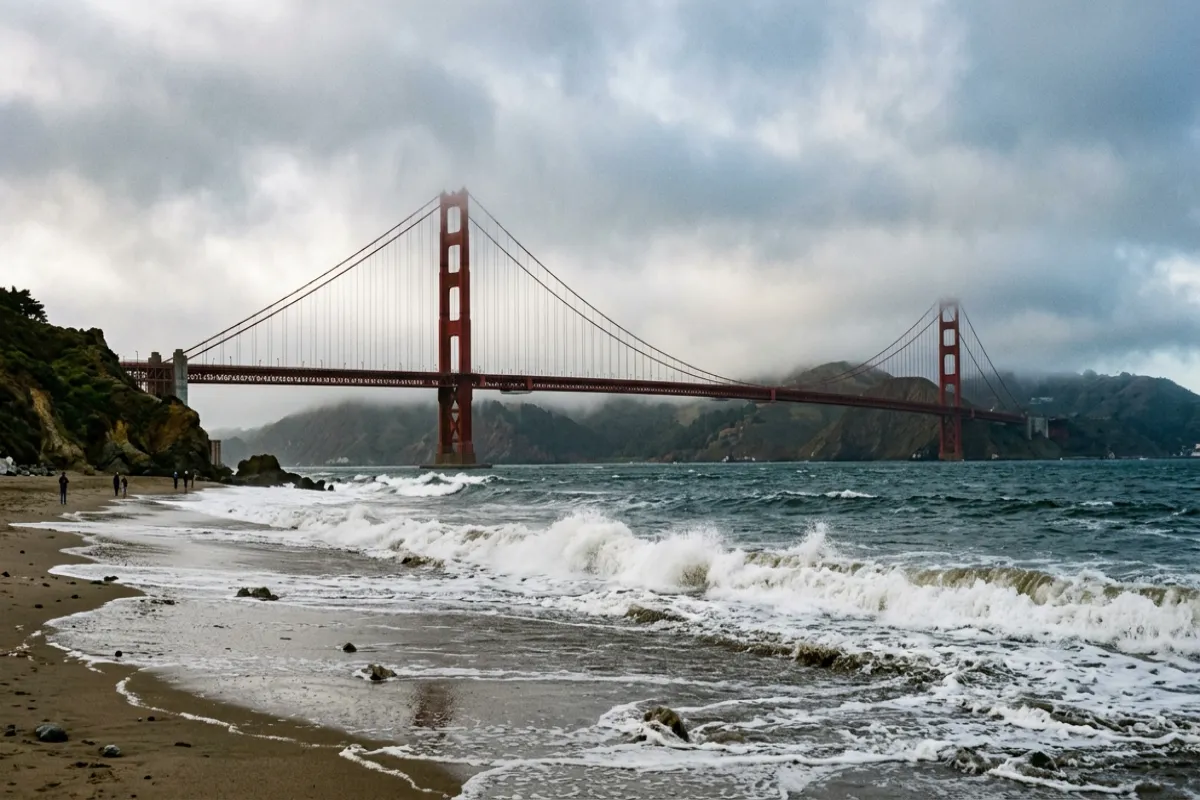
- Golden Gate Bridge: Walk or bike across (1.7 miles). Best views from Battery Spencer on the Marin side. Fog adds dramatic photos
- Joshua Tree sunset: Watch the sun set over the alien-looking Joshua trees and boulder formations. Keys View offers panoramic views
- Napa Valley wine tasting: Hundreds of wineries. Book tastings in advance during harvest season (September and October)
- Griffith Observatory, LA: Free admission. Views of the Hollywood sign and downtown LA. Best at sunset
- San Diego Zoo: One of the world’s best zoos with 3,700 animals across 100 acres
- Redwood National Park: Walk among the tallest trees on earth in Northern California. See our Redwood guide
Food and Dining
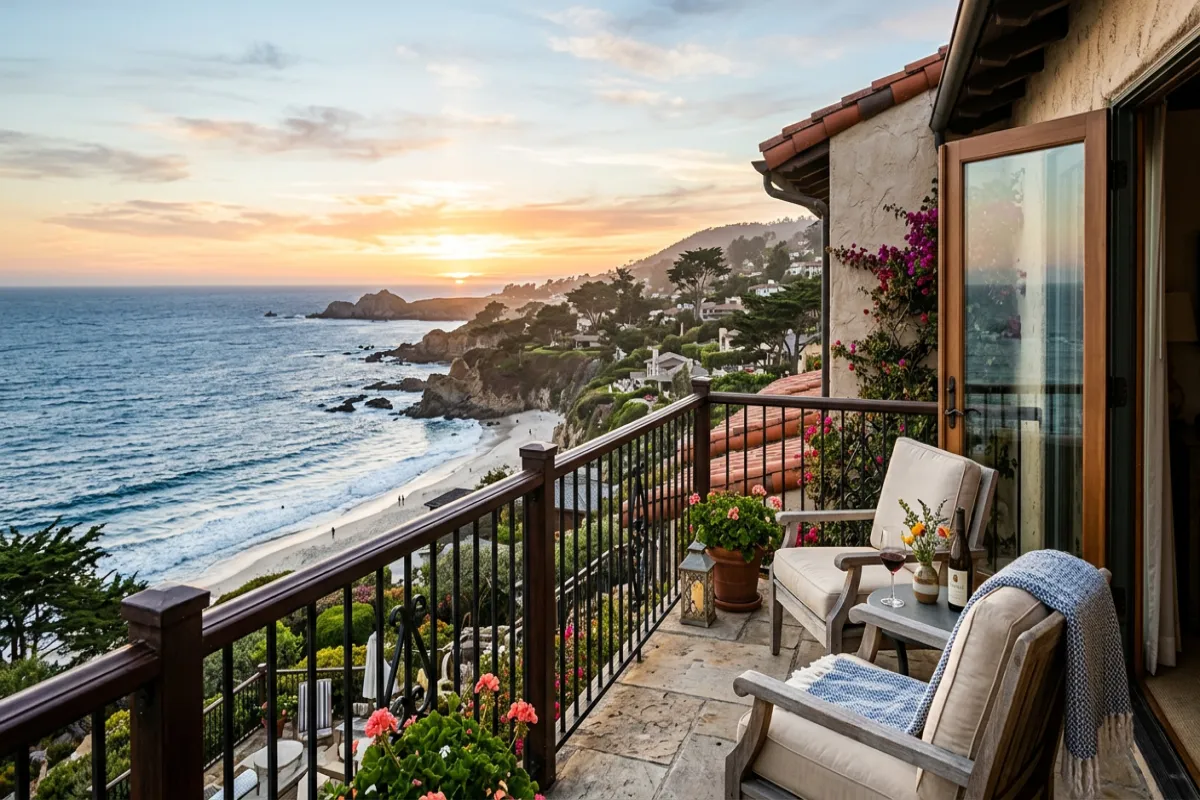
California’s food scene is one of the most diverse in the world, driven by the state’s agricultural bounty and multicultural population.
- Farm-to-table: California pioneered the farm-to-table movement. Expect fresh, seasonal menus everywhere from San Francisco to small coastal towns
- Mexican food: Southern California, especially San Diego and Los Angeles, has some of the best Mexican food outside of Mexico. Street tacos, burritos, and mole are staples
- Seafood: Dungeness crab in San Francisco (season: November to June), fish tacos in San Diego, clam chowder in a sourdough bowl at Fisherman’s Wharf
- In-N-Out Burger: California’s beloved burger chain. Fresh, simple, affordable. Order “animal style” for the full experience
- Wine country cuisine: Multi-course tasting menus paired with local wines. Napa and Sonoma have Michelin-starred restaurants alongside casual picnic-friendly wineries
- Asian food: San Francisco’s Chinatown, LA’s Koreatown, and the diverse food scenes of the Bay Area and LA offer authentic cuisine from across Asia
Tipping: 18 to 20 percent at sit-down restaurants, standard across the U.S.
Safety and Practical Tips
- Wildfires: Fire season runs roughly August through November. Check fire conditions before visiting national parks and forests. Air quality can be affected by distant fires. Cal Fire (fire.ca.gov) has current information
- Earthquakes: California is seismically active. Earthquakes are usually minor. If you feel one, duck under a sturdy table and cover your head
- Highway 1 closures: Sections of Highway 1 occasionally close due to landslides, especially in winter and spring. Check Caltrans (dot.ca.gov) before planning a Big Sur drive
- Sun protection: UV is strong, especially in Southern California and the desert. Sunscreen, hat, and sunglasses are essential
- Vehicle break-ins: Car break-ins are common in San Francisco and at trailhead parking lots. Never leave valuables visible in your car. Use the trunk
- Yosemite reservations: Peak season (May to September) requires advance vehicle reservations. Book on recreation.gov when they become available
- Water in the desert: Carry more water than you think you need when hiking in Joshua Tree or Death Valley. Dehydration is a real risk. Minimum 1 gallon per person per day
Sample 10-Day California Road Trip
Days 1 to 3: San Francisco
Fly into SFO. Day 1: Golden Gate Bridge walk, Fisherman’s Wharf, North Beach (Little Italy). Day 2: Alcatraz Island (book weeks in advance), Chinatown, cable car ride, evening in the Mission District. Day 3: day trip to Muir Woods (redwoods, 30 minutes north) and Sausalito. Or wine tasting in Napa/Sonoma.
Days 4 to 5: Highway 1 to Big Sur
Drive south on Highway 1 from San Francisco. Day 4: Monterey (aquarium), Carmel-by-the-Sea, 17-Mile Drive. Continue to Big Sur. Day 5: Big Sur. Hike to McWay Falls, walk Pfeiffer Beach, drive across Bixby Bridge. Continue south to San Luis Obispo or Cambria.
Days 6 to 7: Yosemite National Park
Drive east to Yosemite (4 to 5 hours from SLO via Highway 41). Day 6: Yosemite Valley. Tunnel View, Yosemite Falls, Mirror Lake, El Capitan Meadow. Day 7: hike to Vernal Fall or Half Dome (permit required). Drive Tioga Road (summer only) for high Sierra scenery. Exit via Highway 120 east or return south.
Days 8 to 9: Los Angeles
Drive south to Los Angeles (5 to 6 hours from Yosemite). Day 8: Griffith Observatory, Hollywood Walk of Fame, The Getty Center. Day 9: Santa Monica Pier, Venice Beach boardwalk, dinner in Silver Lake or DTLA.
Day 10: Departure
Morning beach walk or one more neighborhood exploration. Fly out of LAX. Or extend: add 2 days for San Diego, 1 day for Joshua Tree, or 1 day for Santa Barbara.
Ready-Made California City Itineraries
We have built day-by-day itineraries for California’s top cities. Clone any into your trip planner:
- Los Angeles 3-Day Itinerary
- Los Angeles 5-Day Itinerary
- San Francisco 3-Day Itinerary
- San Francisco 5-Day Itinerary
- San Diego 2-Day Itinerary
Or build a custom itinerary with our free AI trip planner.
More Planning Resources
- Plan a Trip to Yosemite
- Plan a Trip to Redwood National Park
- National Park Road Trip Planner
- Free Road Trip Itinerary Template
Frequently Asked Questions
What is the best time to visit California?
April to June and September to October (shoulder seasons) offer the best combination of weather, fewer crowds, and reasonable prices. Summer is hottest and busiest. Winter is mild in Southern California and rainy in the north.
How many days do I need in California?
7 to 10 days for one major route (coast or national parks). Two weeks to combine both. Three weeks for a comprehensive trip. California is 840 miles long, so pick a region rather than trying to see everything.
Do I need a rental car?
Yes, for road trips and national parks. San Francisco is walkable with good transit, but you need a car for wine country, Big Sur, Yosemite, and driving between regions. Book early for summer.
How expensive is California?
One of the most expensive U.S. states. Budget travelers can manage on $100 to $160 per day. Mid-range: $200 to $300. San Francisco and coastal hotels are the biggest expenses. Gas is $5.00 to $5.50 per gallon (highest in the U.S.).
Is Highway 1 open through Big Sur?
Highway 1 reopened through Big Sur in February 2026 after partial closure due to a landslide. Check Caltrans (dot.ca.gov) before your trip, as sections close periodically for weather and maintenance. Closures are more common in winter.
Do I need reservations for Yosemite?
Yes. Peak season (May to September) requires advance vehicle reservations through recreation.gov. Book as soon as reservations open. Campsite and lodging reservations also fill up months in advance.
What is the Pacific Coast Highway?
Highway 1 (the PCH) runs along the California coast. The most famous section is between Monterey and San Luis Obispo through Big Sur. Dramatic cliffs, ocean views, bridges, and redwood forests make it one of the world’s great drives. Allow 2 to 3 days with stops.
Is California safe?
Generally safe for tourists. Vehicle break-ins are common in San Francisco and at trailhead parking lots (never leave valuables visible). Natural hazards include wildfires (August to November), earthquakes, and extreme heat in desert areas. Check conditions before visiting.
What is the weather like in San Francisco?
Cool and foggy, even in summer. Highs rarely exceed 70 degrees Fahrenheit. Mark Twain reportedly said the coldest winter he ever spent was a summer in San Francisco. Pack layers and a jacket regardless of season. Fall (September and October) is the warmest time.
What should I pack?
Layers (temperatures vary dramatically between coast, inland, and mountains). Sunscreen and sunglasses. Comfortable walking shoes. A warm jacket for San Francisco. Desert gear (hat, water) for Joshua Tree and Death Valley. Hiking boots for national parks.