| Barcelona Quick Facts | |
|---|---|
| Country | Spain (Catalonia) |
| Currency | Euro (EUR) |
| Language | Catalan and Spanish. English in tourist areas |
| Time Zone | CET (UTC+1), CEST (UTC+2) in summer |
| Visa (US) | Not required for stays under 90 days (Schengen Area) |
| Daily Budget | $70 to $300+ per person |
| Best Time | April to June, September to October |
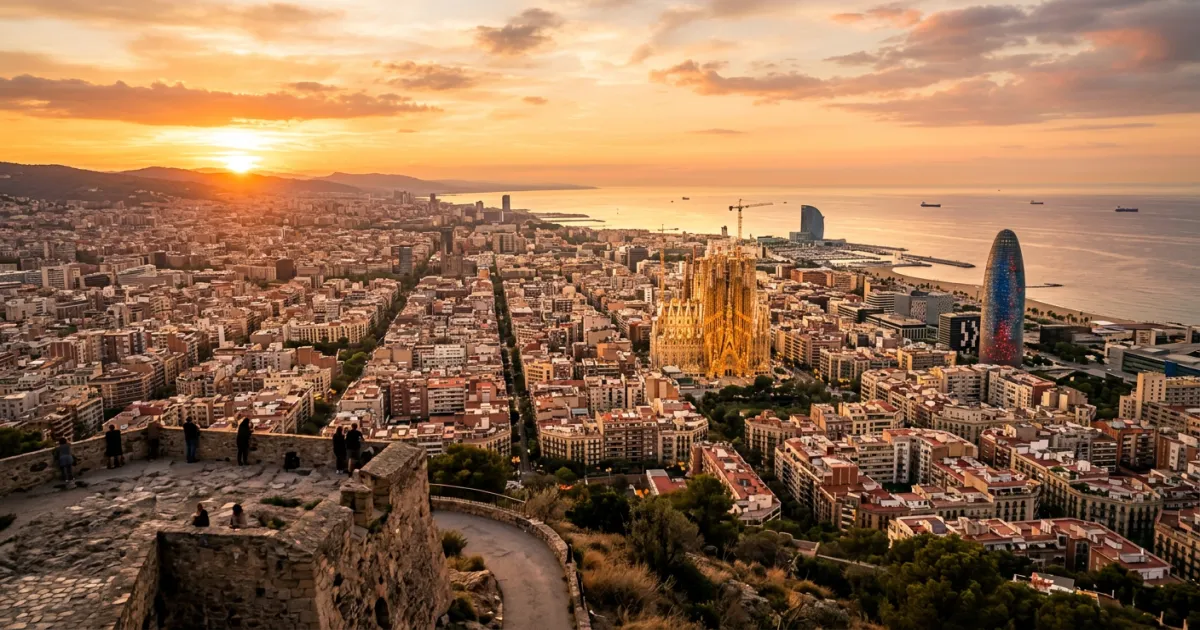
Barcelona is a city that fires on every cylinder: the surreal architecture of Antoni Gaudi, a Gothic Quarter with Roman ruins beneath its streets, Mediterranean beaches within walking distance of the city center, and a food and nightlife scene that keeps going until sunrise. It is the capital of Catalonia, with its own language, culture, and fierce identity distinct from the rest of Spain. Few cities in the world combine art, beach, food, and history this effectively in one compact, walkable package.
For a broader framework for organizing any trip, our how to plan a trip guide covers the fundamentals.
Best Time to Visit Barcelona
April through June and September through October are ideal. Late spring brings comfortable 70s F temperatures and manageable crowds. Early fall has warm seas (still swimmable through October), golden light, and the wine harvest in nearby Penedes. July and August are hot (85 to 95 F) and very crowded. Winter is mild (50 to 60 F) with fewer tourists and lower prices but shorter days.
Getting to Barcelona
Barcelona-El Prat Airport (BCN) has direct flights from New York, Miami, and several European cities. The Aerobus shuttle reaches Placa Catalunya in 35 minutes ($7). The Metro connects the airport to the city center. High-speed trains (AVE) connect Barcelona to Madrid (2.5 hours) and Paris (6.5 hours). Within Barcelona, the Metro, bus, and walking cover everything.
Top Things to Do in Barcelona
- Sagrada Familia: Gaudi’s unfinished masterpiece, under construction since 1882 and expected to complete by 2026. The interior is as stunning as the exterior. Book tickets online well in advance ($26 with tower access).
- Gothic Quarter (Barri Gotic): Medieval streets, the Barcelona Cathedral, Roman ruins, and hidden plazas. Get lost in the narrow lanes and stumble into tapas bars and small shops.
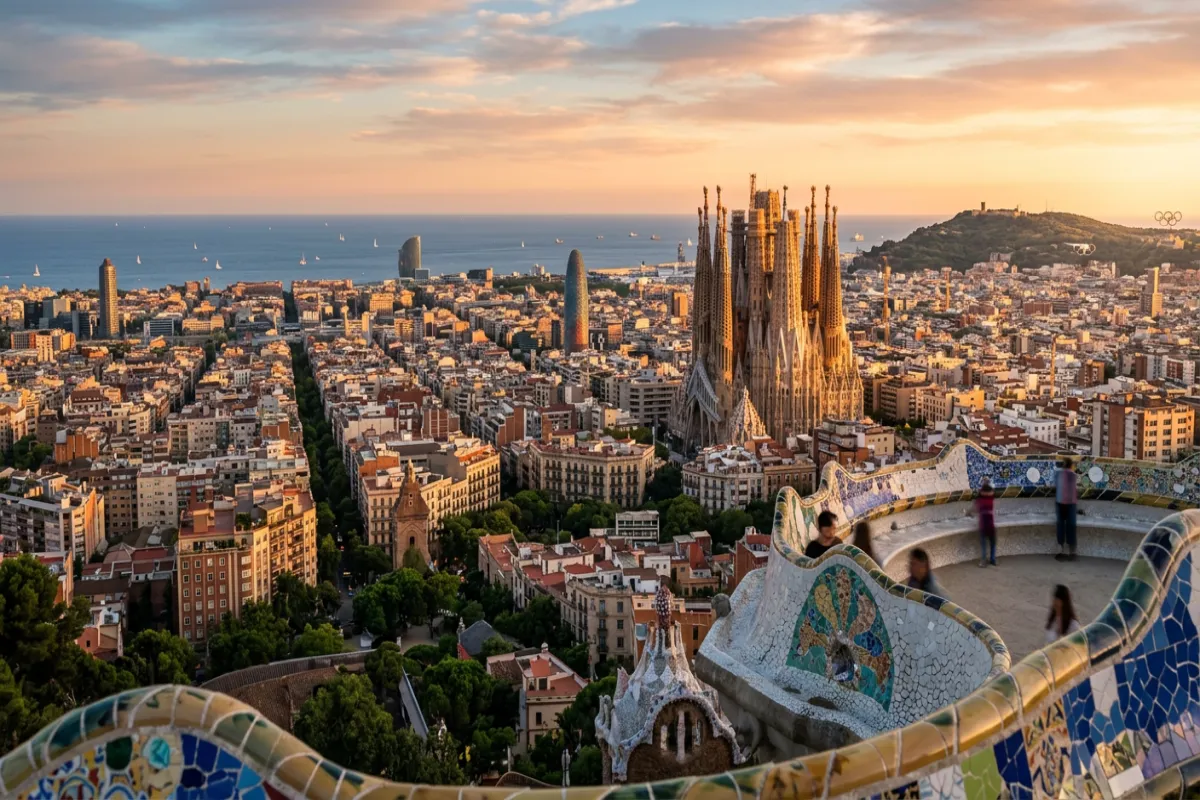
- Park Guell: Gaudi’s mosaic-covered park on a hill overlooking the city. The monumental zone requires timed-entry tickets ($10). The free areas have excellent views.
- La Rambla and Boqueria Market: Barcelona’s famous promenade connecting Placa Catalunya to the waterfront. Mercat de la Boqueria is a world-class food market with fresh produce, seafood, and tapas counters.
- Barceloneta Beach: The main city beach, a 10-minute walk from the Gothic Quarter. Sandy, with a boardwalk, beach bars, and seafood restaurants.
- Tapas and Vermouth Culture: Barcelona’s food scene revolves around tapas, pintxos, vermouth, and long meals. El Born and Gracia neighborhoods have the best local spots away from tourist traps.
Where to Stay
Gothic Quarter / El Born puts you in the historic heart within walking distance of everything. Hotels $80 to $250 per night. Eixample has the widest selection and is close to Sagrada Familia ($70 to $200). Gracia is a local neighborhood with character, good restaurants, and lower prices ($60 to $150). Barceloneta is best for beach proximity. Hostels start at $20 to $35 per bed. Book Sagrada Familia area if you want a quieter, residential feel.
Sample 3-Day Barcelona Itinerary
- Day 1 – Gaudi and Modernisme: Morning at Sagrada Familia (book first entry, 9 AM). Walk Passeig de Gracia to see Casa Batllo and Casa Mila. Afternoon at Park Guell. Evening tapas crawl in Gracia neighborhood.
- Day 2 – Gothic Quarter and Waterfront: Morning in the Gothic Quarter: Cathedral, Roman ruins, Placa Reial. Lunch at Boqueria Market. Afternoon stroll down La Rambla to the waterfront and Barceloneta Beach. Evening vermouth and dinner in El Born.
- Day 3 – Montjuic and Local Neighborhoods: Morning at Montjuic: views, the Joan Miro Foundation, and the Olympic stadium. Afternoon exploring the Eixample or Raval neighborhoods. Evening farewell dinner at a restaurant in El Born or the Gothic Quarter.
Budget Estimate
Barcelona is mid-range by Western European standards. Budget travelers can manage on $70 to $110 per day with hostels, Boqueria Market meals, and free activities (beach, walking the Gothic Quarter). Mid-range travelers should plan for $150 to $250 covering a comfortable hotel, restaurant tapas meals ($12 to $25), Sagrada Familia and Park Guell tickets, and Metro rides ($1.20 per trip with T-Casual card). Luxury travelers spend $300+ for boutique hotels, fine dining, and private tours. Wine with meals is affordable ($3 to $5 per glass).
Planning Tools
Ready to start building your Barcelona trip? Our free AI trip planner can generate a custom itinerary based on your dates, budget, and interests.
Frequently Asked Questions
How many days do you need in Barcelona?
Three days covers the main Gaudi sights, the Gothic Quarter, and the beach. Four to five days lets you add day trips to Montserrat or the Costa Brava, explore more neighborhoods, and enjoy the food scene at a relaxed pace.
Is Barcelona safe?
Barcelona is generally safe but has a well-known pickpocket problem, especially on La Rambla, the Metro, and at popular tourist sites. Keep valuables in a front pocket or money belt, be aware in crowds, and don’t leave bags unattended. Violent crime against tourists is rare.
Should I learn Catalan or Spanish?
Spanish works everywhere. Catalan is the local language and you will see it on street signs, menus, and in daily life. Learning a few Catalan words (bon dia for good day, gracies for thank you) is appreciated but not expected. English is widely spoken in tourist areas.