| Amsterdam Quick Facts | |
|---|---|
| Country | Netherlands |
| Currency | Euro (EUR) |
| Language | Dutch. English very widely spoken |
| Time Zone | CET (UTC+1), CEST (UTC+2) in summer |
| Visa (US) | Not required for stays under 90 days (Schengen Area) |
| Daily Budget | $80 to $300+ per person |
| Best Time | April to May, September to October |
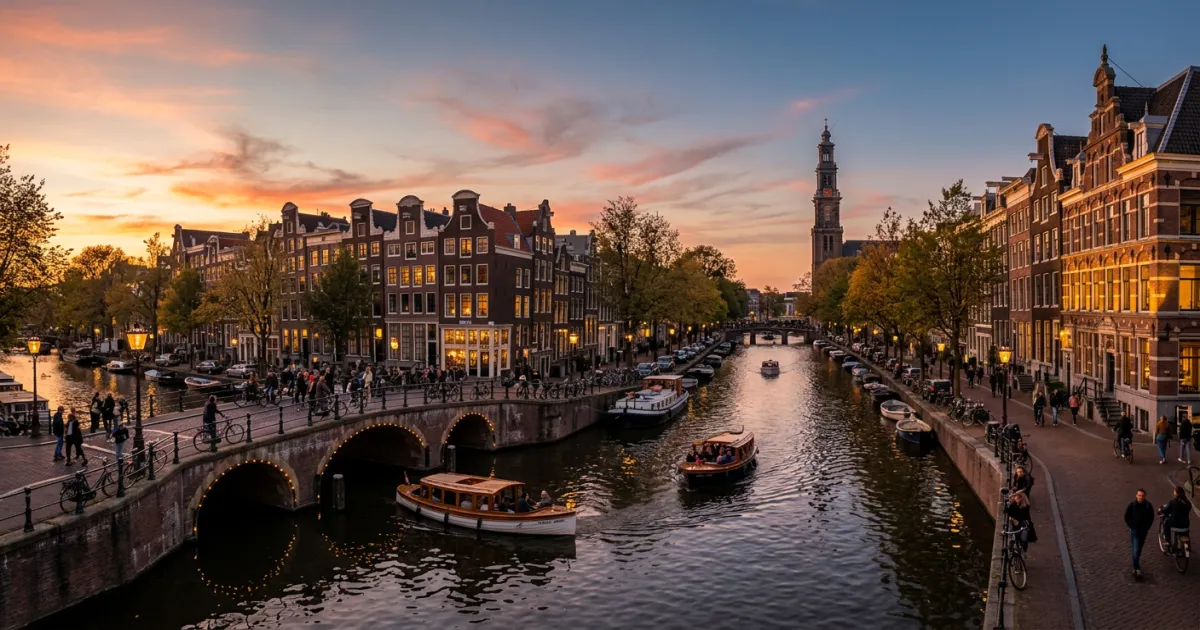
Amsterdam is a city of canals, bicycles, and an openness that sets it apart from any other European capital. The 17th-century canal ring is a UNESCO World Heritage Site, with over 100 kilometers of waterways lined by narrow gabled houses. The city has world-class museums (the Rijksmuseum, Van Gogh Museum, and Anne Frank House), a thriving food scene, and a culture of tolerance that makes it feel welcoming to everyone. Nearly everyone speaks English, making Amsterdam one of the easiest cities in Europe for English-speaking visitors.
For a broader framework for organizing any trip, our how to plan a trip guide covers the fundamentals.
Best Time to Visit Amsterdam
April through May is peak season with tulip blooms (Keukenhof Gardens, open late March through mid-May), King’s Day (April 27), and pleasant weather (55 to 65 F). September through October offers mild weather, golden light, and fewer crowds. Summer (June through August) has the longest days and warmest weather (70s F) but the most tourists. Winter is cold and damp (35 to 45 F) but atmospheric, with fewer tourists and holiday markets.
Getting to Amsterdam
Amsterdam Schiphol Airport (AMS) is one of Europe’s major hubs with direct flights from many US cities (7 to 9 hours). The train from Schiphol to Amsterdam Centraal takes 15 minutes ($5). Within Amsterdam, the primary modes are cycling (rent a bike), walking, trams, and the Metro. Do not rent a car in Amsterdam; parking is expensive and driving in the city is impractical.
Top Things to Do in Amsterdam
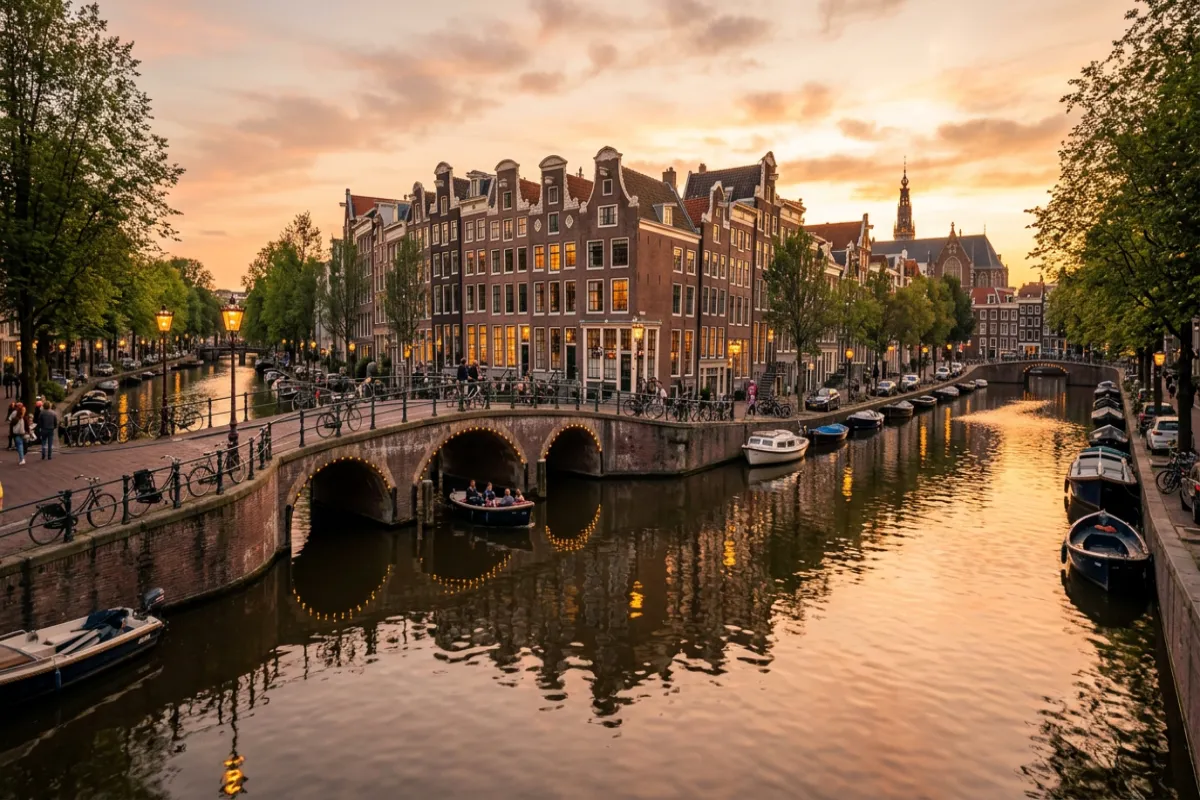
- Canal Ring: Walk or take a canal boat tour through the UNESCO-listed 17th-century canals. The Herengracht, Keizersgracht, and Prinsengracht are the main three. Boat tours run $15 to $20.
- Rijksmuseum: The Netherlands’ national museum with Rembrandt’s Night Watch, Vermeer’s Milkmaid, and an outstanding collection of Dutch Golden Age art. Book timed tickets online ($22.50).
- Anne Frank House: The hiding place where Anne Frank wrote her diary during WWII. Deeply moving and essential. Timed tickets must be booked online weeks in advance ($16). Releases happen 6 weeks ahead.
- Van Gogh Museum: The world’s largest collection of Van Gogh’s work with over 200 paintings. Book timed tickets online ($20). Allow 2 to 3 hours.
- Jordaan Neighborhood: The most charming neighborhood in Amsterdam: narrow streets, independent shops, cozy cafes (brown cafes), and the Saturday Noordermarkt farmers market.
- Cycling: Amsterdam has more bikes than people. Rent one and explore like a local. MacBike and other shops rent city bikes from $10 to $15 per day. Stick to bike lanes and watch for trams.
Where to Stay
Canal Ring / Jordaan is the most atmospheric and central area ($120 to $350 per night). De Pijp is a lively neighborhood with the Albert Cuyp Market, great restaurants, and slightly lower prices ($80 to $200). Museum Quarter is near the Rijksmuseum and Vondelpark ($100 to $300). Amsterdam Noord (across the IJ river, free ferry) has creative energy and budget options ($60 to $150). Hostels from $25 to $50 per bed. Amsterdam hotels are expensive; book early.
Sample 3-Day Amsterdam Itinerary
- Day 1 – Museums and Canals: Morning at the Rijksmuseum (book 9 AM slot). Walk through Vondelpark. Afternoon canal boat tour. Evening walk through the Jordaan with dinner at a local restaurant.
- Day 2 – Anne Frank and Neighborhoods: Morning at Anne Frank House (book the earliest available slot). Afternoon at the Van Gogh Museum. Evening exploring De Pijp neighborhood and the Albert Cuyp Market area for dinner.
- Day 3 – Cycling and Markets: Rent a bike and ride through Vondelpark, along the canals, and out to Amsterdam Noord (take the free ferry). Visit the Noordermarkt (Saturday) or Waterlooplein flea market. Afternoon at a brown cafe. Farewell dinner on the Herengracht.
Budget Estimate
Budget travelers can manage on $80 to $120 per day with hostels, market food, cycling, and free canal walks (save museums for one focused day). Mid-range travelers should plan for $150 to $250 covering a canal-side hotel, museum tickets ($20 each), restaurant meals ($15 to $30), and a canal cruise. Luxury travelers spend $300+ for boutique canal houses, fine dining, and private boat tours. The I amsterdam City Card ($65 for 24 hours) covers most museums and transit. Beer is $5 to $7 per glass; Indonesian rijsttafel dinner is $25 to $40 and a must-try.
Planning Tools
Ready to start building your Amsterdam trip? Our free AI trip planner can generate a custom itinerary based on your dates, budget, and interests.
Frequently Asked Questions
How many days do you need in Amsterdam?
Three days covers the main museums, canal tours, and neighborhood exploration. Four to five days lets you add day trips to Haarlem, Zaanse Schans windmills, or Keukenhof (tulip season only). Two days works but you will feel rushed at the museums.
Do I need to book museum tickets in advance?
Yes, especially for Anne Frank House (releases tickets 6 weeks ahead and sells out quickly), Rijksmuseum, and Van Gogh Museum. All require timed-entry tickets. Walk-up availability is very limited.
Is Amsterdam just about coffee shops and the Red Light District?
These get outsized attention, but Amsterdam’s real draws are its museums, canal architecture, cycling culture, food scene, and neighborhood charm. The Red Light District is a small area easily avoided if it is not your interest. The Jordaan, De Pijp, and Museum Quarter are where most visitors spend their time.